
Margo Harkin
Directing
Biography
'Margo Harkin is one of Ireland’s most versatile and respected filmmakers – having directed and produced fiction and documentary films for over forty years. Her work includes an invaluable chronicle of Northern Ireland’s recent political history. After graduating in Fine Art from the Ulster College of Art and Design in 1974, Harkin worked as an art teacher and community worker in socially deprived areas of Derry. She joined Field Day Theatre Company in 1980 as an Assistant Stage Manager on Brian Friel’s Translations, before going on to work as a stage designer for the company. In 1984, Harkin co-founded Derry Film & Video Workshop with Anne Crilly and Trisha Ziff delivering critical perspectives that ran counter to the censored narratives then broadcast by British and Irish television. The signal works of this period were Mother Ireland (1988), Anne Crilly’s controversial documentary about feminism and Irish republicanism, and Harkin’s own Hush-A-Bye Baby (1990), a feature drama about teenage pregnancy following the 1983 abortion referendum in Ireland. Harkin established Besom Productions in 1992 making educational films for Channel 4 but her reputation as an astute, local documentarian of injustices was soon forged through a series of highly regarded television documentaries. Her cinema films, the surf documentary Waveriders (2003), by Joel Conroy (which she produced), and Stolen (2023), about the plight of unmarried mothers in Ireland in the 20th century, provided thoroughly researched, compelling accounts of their subjects. Margo Harkin is a member of Aosdána. Her work has won countless awards and is widely taught to third-level film and media students. Spanning over four decades, Harkin’s work has consistently challenged societal narratives, giving voice to the silenced and bearing witness to the social and political upheavals that have shaped the contemporary Irish landscape. The retrospective will span across the IFI’s cinema screens, as well as online via IFI@Home, IFI International and the IFI Archive Player.' From https://ifi.ie/margo-harkin/
Known For
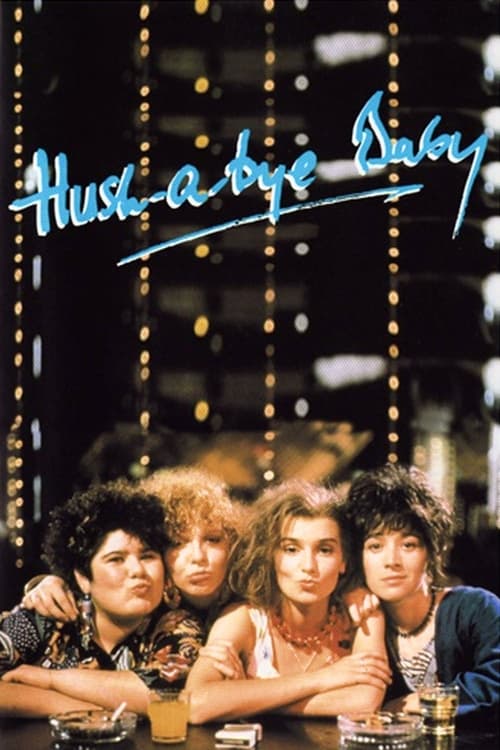
1980s Derry: Goretti Friel, one of a spirited group of teenage friends, meets Ciarán at her Irish language class, and romance blossoms. When he is arrested and imprisoned by the British army, Goretti is dismayed to find herself pregnant. Left to deal with the crisis alone, she is tormented by the conflicts of her growing belly and the influence of a Catholic upbringing.
Hush-a-Bye Baby
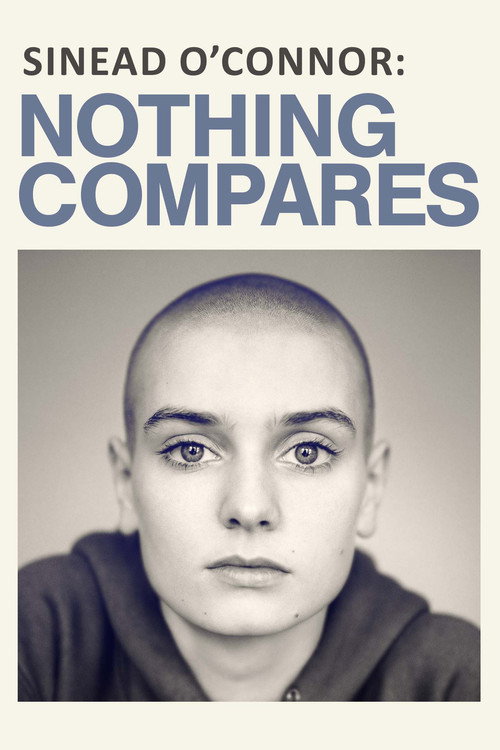
Since the beginning of her career, Sinéad O’Connor has used her powerful voice to challenge the narratives she was surrounded by while growing up in predominantly Roman Catholic Ireland. Despite her agency, depth and perspective, O’Connor’s unflinching refusal to conform means that she has often been patronized and unfairly dismissed as an attention-seeking pop star.
Nothing Compares
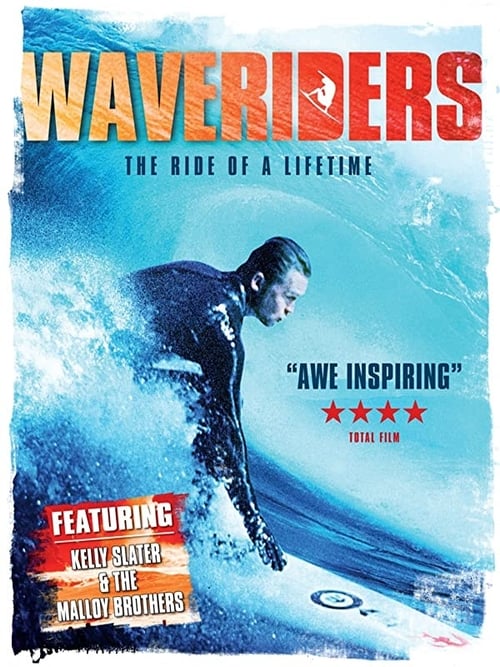
Previously untold story of the unlikely Irish roots of the worldwide surfing phenomenom
Waveriders
Muide Eire / We are Ireland documents the history of Ireland on screen. From the horse drawn carriages of Dublin's yesteryear, to the latest summer blockbuster, this film takes an intimate look at film making in Ireland - as a visual expression of Irish culture, celebrating contemporary filmmakers in both the Irish and English languages. From the glamour of the red carpet to behind the scenes 5am starts, We are Ireland invites the viewer into this world where art and industry exist in delicate balance. The heart of this documentary is our investigation into representations of Ireland and the Irish - how the Irish have been viewed abroad, and how we represent ourselves on screen.
Muide Éire
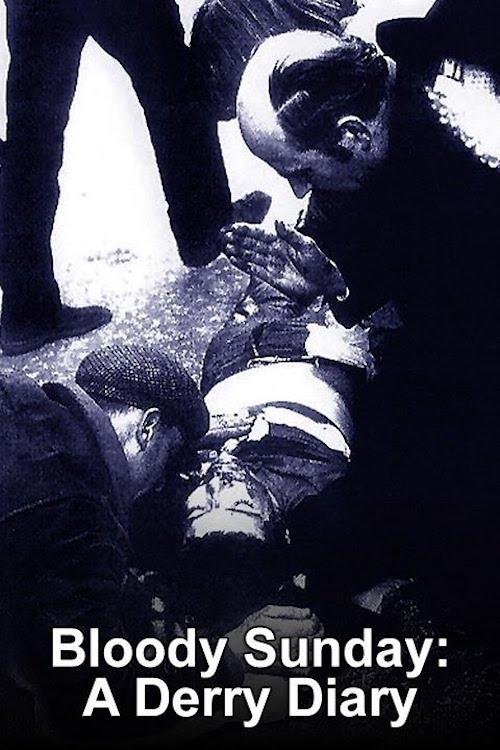
On January 30th, 1972, the British Army shot dead thirteen unarmed civilians taking part in a civil rights march in Derry. At the subsequent Tribunal of Inquiry Lord Chief Justice Widgery exonerated the soldiers and blighted the reputations of those who were killed and wounded by describing them as gunmen and bombers. In 1998, in a move that was widely seen as significant in sealing the Northern Ireland peace process, Prime Minister Tony Blair announced a new Tribunal of Inquiry to be led by Lord Saville of Newdigate. This highly personal documentary, made by Margo Harkin who was witness to the events, follows the 6-year long search for the truth at the second Inquiry until its momentous conclusion on June 15th 2010 when the report was finally published.'
Bloody Sunday: A Derry Diary
The spectacle of The Return of Colmcille on the River Foyle in the summer of 2013 was the brainchild of writer Frank Cottrell Boyce, who delivered the stand-out moment of Derry-Londonderry’s year as the UK City of Culture. In a magical reworking of the story of St Columba, the story began on the Isle of Iona several weeks beforehand when the small community of 14 children created the gift of a book which was ferried across the Irish Sea by a 12-man currach, making the reverse journey that Derry’s patron saint travelled 1,500 years before. In a surprise, mythical twist the Lough Ness monster plans a showdown. The excitement and sense of wonder by the thousands who lined the banks of the river was the culmination of two days of colour, sound, dance, and music which engulfed the whole city – reaching a pyrotechnic climax as the Loch Ness monster sailed up the river to confront his nemesis, St Columba, once again.
The Return of Colmcille
When New York Police Department Officer, Carol Shaya posed nude for Playboy magazine she drew the wrath of many of her female colleagues. They felt that her striptease in uniform knocked their progress back by twenty years. In another case, Sergeant Cibella Borges was sacked from the force in 1983 for appearing in a hard core men’s magazine. Her case was taken to the High Court where she was reinstated. NYPD Nude interviews Carol, Cibella and other women within the NYPD and explores the boundaries between private and professional life in the Carol Shaya case.
NYPD Nude
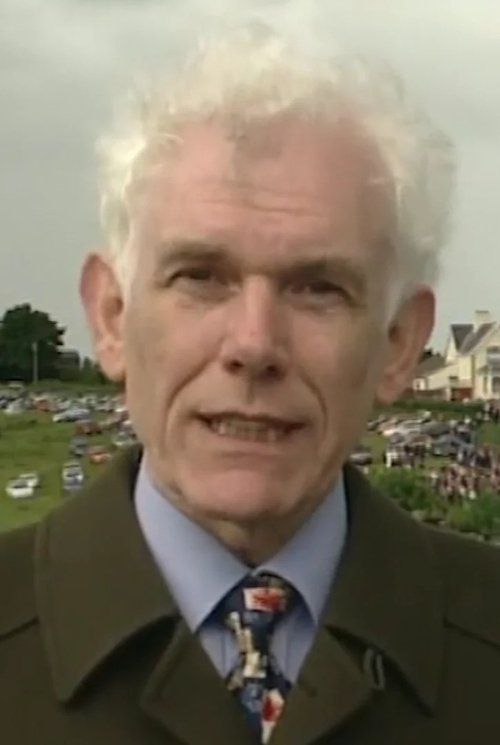
Colonel Robert Lundy has become infamous as the archetypal traitor who betrayed the cause of the besieged Protestants in the walled city of Derry in 1688/89. Each December his effigy is ritually burned in memory of the victorious outcome of the battle between Protestant King William and Catholic King James II. It is also as a warning to all potential traitors. Ian Paisley, leader of the DUP, was especially vocal in popularising the term Lundy to defame all those who were deemed guilty of ‘selling out’ in the push for peace after decades of conflict in Northern Ireland. Gregory Campbell, DUP, sums up the depth of feeling when he says: “There is, within the Protestant psyche, deep contempt for people who betray their principles.” But who was the real Lundy and does his name carry the same potency today when compromise is a key component of the new political discourse? Unionist Roy Garland embarks on a personal journey to discover the reality behind the myth.
Looking for Lundy
Film-maker Alison Millar spent a year behind the scenes with the ladies of the Loyal Orange Lodges of Ireland. Given unprecedented access, her film reveals for the first time the private rituals and ceremonies of this secretive organisation.
Sisters of the Lodge

Government inquiry revealed a pattern of neglect, high child mortality rates and lack of burial records among mother and baby homes once run by Ireland's religious orders. Mothers recount the shame and secrecy attached to pregnancy outside marriage and their long struggle to be reunited with the children that many claim were illegally adopted, while adoptees reveal how they were thwarted from accessing birth records.
Stolen
This film explores the development and use of images and music which personify Ireland as a woman in Irish culture and nationalism. The film highlights how these cultural and stereotypical images of Ireland as a woman influence the idealised model of woman demanded by Irish society. It uses historical film, photographs, political drawings, cartoons and music to explore the largely unrecorded role of women in Irish history and presents realistic images of Irish women at work today.
Mother Ireland
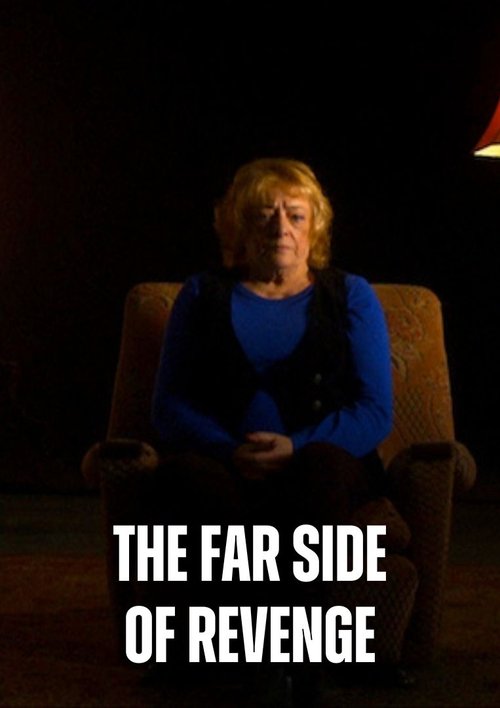
Margo Harkin’s powerful documentary is one part in a body of her work that has chronicled the Northern Irish Troubles from 12 Days in July (1997) to Bloody Sunday – A Derry Diary (2010). A study on reconciliation, it also experiments with visual style for the first time since her debut feature film Hush-A-Bye Baby (1990). The Far Side of Revenge follows dramatist Teya Sepinuck and a group of Northern Irishwomen as they develop a project presenting their own, often shocking, stories to the public. The group from politically diverse backgrounds includes Kathleen, whose husband was blown up by the IRA in 1990 and Anne, a former quartermaster in the IRA, whose uncle was murdered by the British Army on Bloody Sunday in 1972. Harkin’s documentary delivers an insight into a process of creation where the pain of individual stories is counterbalanced by the bond that develops between the women.
The Far Side of Revenge
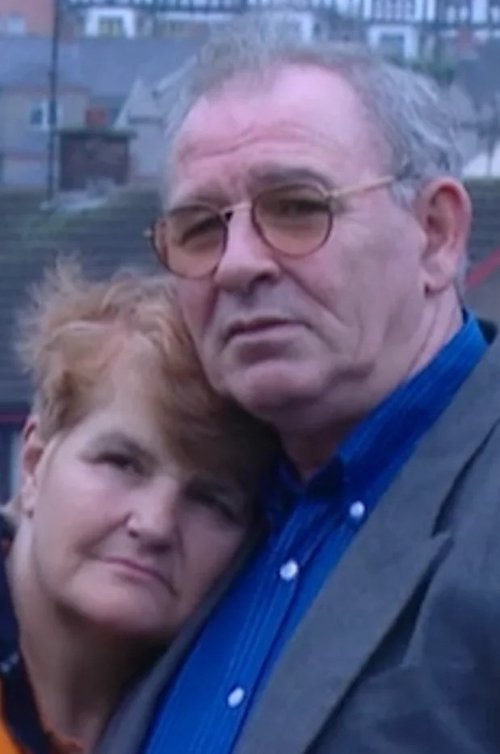
Couples from mixed Protestant and Catholic marriages recount the difficulties they’ve encountered in a divided society, including rejection by their families, friction in the workplace, intimidation in their neighbourhoods, and the bullying suffered by their children for choices made by their parents. They also detail their strategies of resistance and survival, and significant instances of unexpected moral support from across the sectarian divide.
A Plague on Both Your Houses
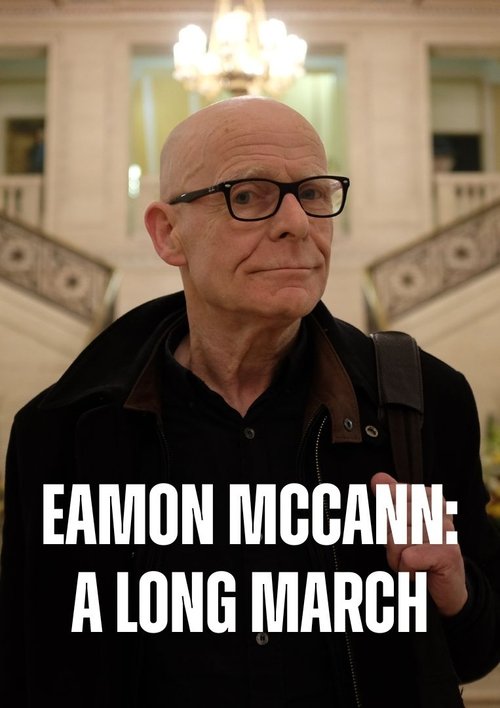
In 1968, the youthful Eamonn McCann earned a reputation as a fiery orator at the forefront of the Civil Rights movement in Northern Ireland. After standing unsuccessfully for election over 5 decades, he was finally catapulted to power at the age of 73 as a People Before Profit candidate in the Assembly election on 7 May 2016. By March 2017, he was an ordinary citizen once again, victim of a snap election in a crisis between the Orange and Green two-party bloc. This documentary looks back over the remarkable career of one of Northern Ireland’s best loved provocateurs, exploring the social and political landscape of his upbringing in Derry’s Bogside, and revealing the inside story of his brief moment in governmental power, rising from street activist to parliamentarian and back to street activist again.
Eamonn McCann: A Long March
Made to mark the 25th anniversary of one of the most dramatic periods of Northern Ireland history when in 1981 ten men, including elected MP Bobby Sands, starved to death on hunger strike for the right to political status in prison. The events served as a unifying force for Irish nationalists and marked a watershed in the relationship between the British Government and Irish Republicans. The international standing of Margaret Thatcher was affected as condemnation of British intransigence ricocheted around the world. It brought Sinn Féin into electoral politics and greatly influenced their strong electoral position as the largest political party in Northern Ireland today. One of the most extreme protests in prison history is revealed through first-hand accounts of key protagonists and witnesses central to the events of that time. Ocras, made in the Irish language for TG4 in 2006, is similar to The Hunger Strike broadcast earlier that year on BBC Northern Ireland.
Ocras
Sparks fly in this upbeat and funny film about the lives of Mei, Kenny, Ciaran, and Niamh, four young people coping with a tangle of friendships, family life, and local politics in Belfast. Mei, a local Chinese girl, finds that falling in love with Kenny, a Protestant boy, is far from simple as they try to negotiate their way through their cultural differences. Complications arise for both of them when their relationship overlaps with that of Ciaran and Niamh from the Catholic Falls Road. Matters finally come to a head in a frightening confrontation which severely tests cross-community relations. This ‘made for schools’ drama explores the narrow ground of conflicting loyalties, identities and family traditions. Shining through is the Belfast humour – sometimes unforgiving, but more often full of warmth and humanity. The film is scored by John O’Neill of the Undertones.
You Looking at Me?
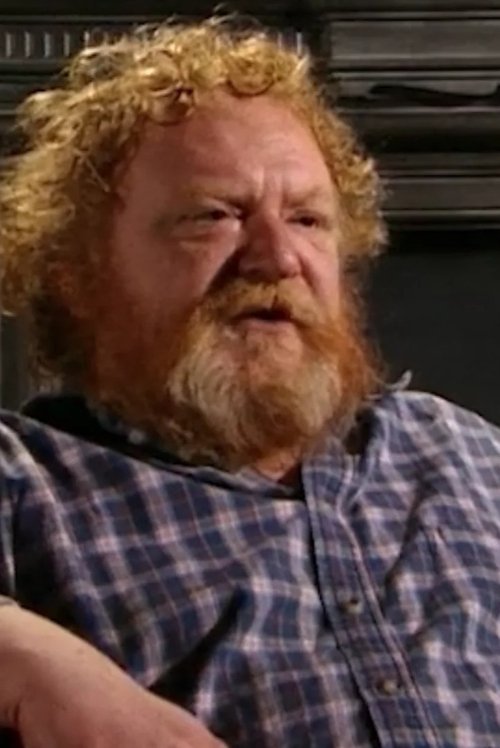
In little more than a decade, Buncrana native Frank McGuinness has produced a body of startlingly imaginative work that has played to audiences all over the world. His plays cross social, cultural, and political divides best exemplified in his ground–breaking work Observe the Sons of Ulster Marching Towards the Somme and its companion piece Carthaginians, about Bloody Sunday in Derry. Both address catastrophic events in the Catholic and Protestant psyches. Clear the Stage examines the work of this important Irish writer. Interviewees include: Frank McGuinness; David Ervine of the Progressive Unionist Party; Trevor Nunn, Director of the National Theatre, London; Brian Keenan, former Beirut hostage, and singer/songwriter Marianne Faithful.
Clear the Stage
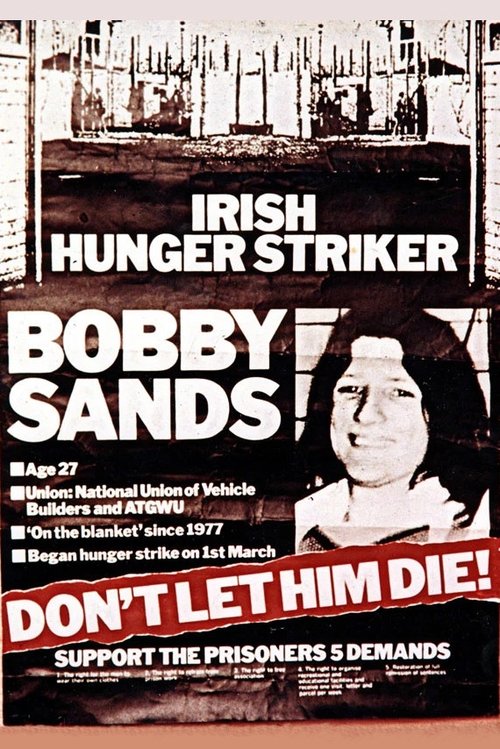
The 1981 Irish hunger strike was the culmination of a five-year protest during “the Troubles” by Irish republican prisoners in Northern Ireland. The protest began as the blanket protest in 1976, when the British government withdrew Special Category Status for convicted paramilitary prisoners. In 1978, after a number of attacks on prisoners leaving their cells to “slop out”, the dispute escalated into the dirty protest, where prisoners refused to leave their cells to wash and covered the walls of their cells with excrement. In 1980, seven prisoners participated in the first hunger strike, which ended after 53 days.
The Hunger Strike
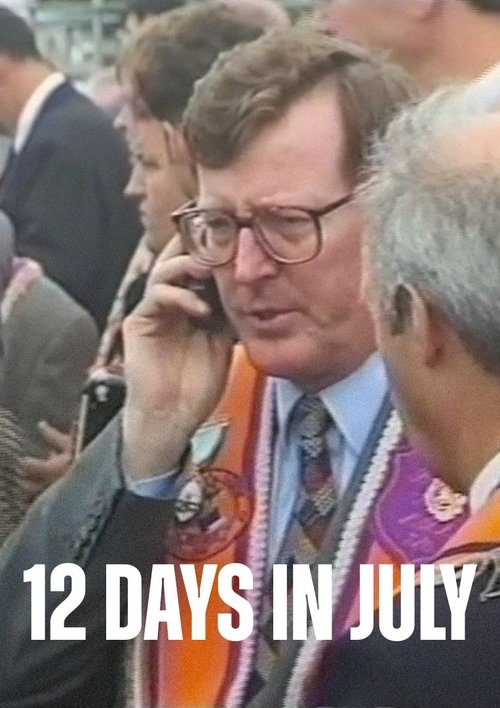
Documentary about the 12th of July parade in the Northern Irish town of Portadown, where disputes about the route the parade takes through town is the cause for ongoing disputes between the protestant and catholic communities.