Claes Söderquist
Directing
Biography
Swedish artist and filmmaker. Söderquist filmed on Alcatraz in 1970 during the Occupation of Alcatraz by Indians of All Tribes.
Known For
Labyrinth was filmed in Malmö in the south of Sweden in the summer of 2012. It forms a trilogy together with Landscape (1985 – 1987) and Passages – Portrait of a City (2001). It is a minimal film based on time, place and movement and like Passages, it is also a portrait of a city, but of a different and more intimate kind.
Labyrinth
In his latest film Rum, Söderquist revisits footage from the shooting of Letters From Silence, placing them in dialog with recently shot footage. Deploying split-screen for the first time, Söderquist’s camera slowly and meticulously travels through sparse interior spaces and passages, evoking both a sense of enclosure and departure.
Room
A young man returns to his parental home where his mother has lived alone as a widow for many years.
Fly till vatten och morgon
Landskap is a focused and tightly-constructed series of panorama, whose masterly projection of natural sound and cyclical construction are manifested in seasonal color-and-light variations, glistening sunlight and flowing streams.
Landscape

No description available.
Ingegerd Råman – framtid i varje andetag
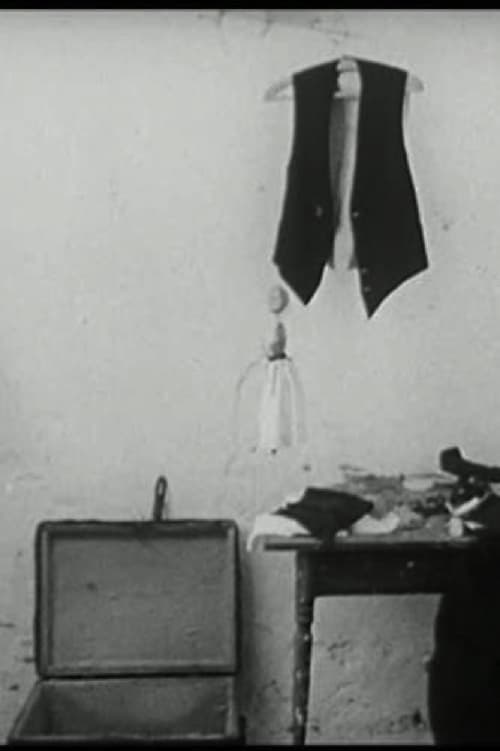
In Söderquist's first film [I frack] In Tuxedo, playfulness and improvisation are combined with absurd humor. An artist steps into an empty studio and begins assembling objects into a tree-like sculpture. The sculpture is adorned with small white paper clouds, puppets and undefinable items; all the while, the studio fills up with new things: a suitcase, a mirror and formal attire. The artist, now wearing a top hat and tuxedo, paints the paper clouds and the wall in a frenzy of activity, ending with his sitting exhausted in a corner surrounded by the mess he has created. The growing chaos, the various layers of narrative and the music of the soundtrack, which was improvised and recorded live during a viewing of the final film cut, interact in counterpoint.
In Tuxedo
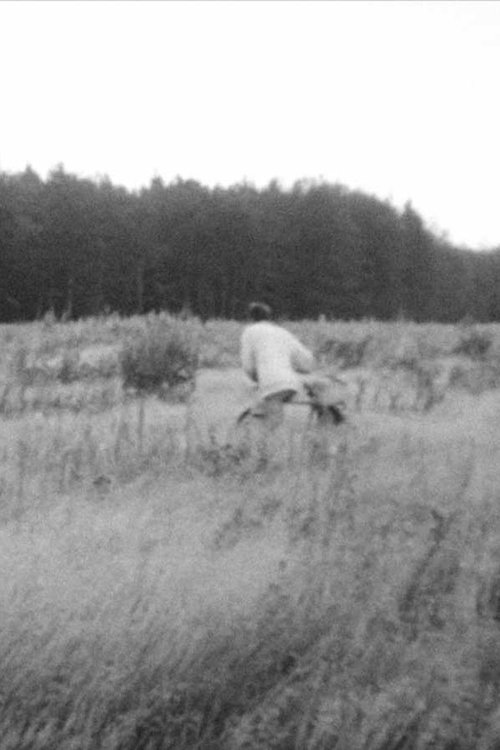
In the prologue of Excursion:Opus 2, the camera sweeps over nearly unidentifiable details on a sleeping man’s body, mixed with discontinuous images of the morning routines of two people and their preparation for an excursion. Subtle sounds of wind blowing are combined with squalling, inarticulate sounds of birds and frogs. The couple cycle through a dense forest, climb amongst ferns, and kiss to a soundtrack of classical music (without being overtly obvious or romantic) layered with birdsong, which gradually distorts into more psychedelic and frightening noise. Close-ups of the romantic couple, camera shots that follow the cyclists’ rush through the woods, and the couple struggling through the dense and almost unreal vegetation of bush and tangled pine, are woven together in an intense montage of dream-like and unworldly atmosphere.
Utflykt Opus 2
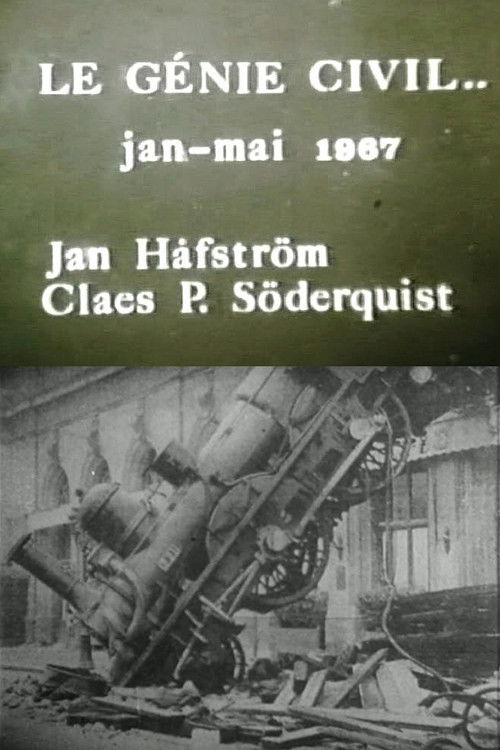
Old photographs and pictures with a dialogless soundtrack of a train ride.
Civil Engineering
A 1981 short film.
Epitaf
A black-and-white travel journal, in which the themes of memories and their relationship to the past suddenly catch up and rush away from us. The film is based on a series of portraits of American artists, all of whom belong to a young and politicized generation, presented in static tableaus from their studios, films and home environments.
Travelogue: Portraits – Images from a journey
Passages was filmed in Malmö, a city in the south of Sweden. It is a non-narrative film based on time, place and movement, which forms a trilogy with Landscape (1985 – 1987) and Labyrinth (2013). 48 different locations in the city were documented using circular pan shots.
Passages – Portrait of a City
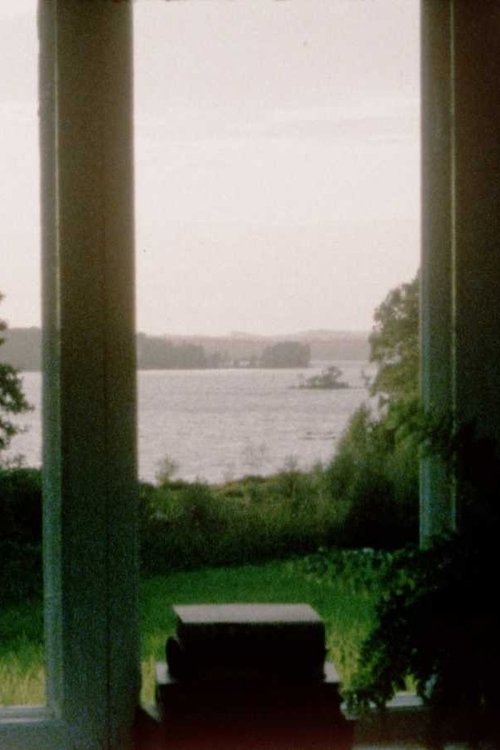
A posthumous portrait of the author Kurt Tuscholsky's life in exile in Sweden during the interwar period.
Brev ur tystnaden
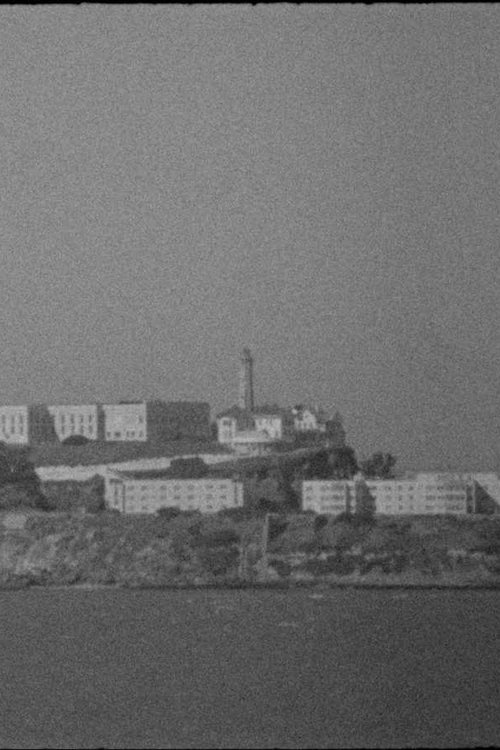
The ‘Indians of All Tribes’ group occupied Alcatraz prison, which closed in 1963, from 1969 to 1971 in order to build a cultural and educational center. When Söderquist visited the island in 1970, the occupants had built up a functioning society with jobs, family life and schools. The text ‘Indian America Land’ was posted on the outside of a building. In a voice-over, school teacher Bob Bradley discusses political inequality, social problems and the difficult situation for the Native American population in the USA, as well as the background for the occupation. The Return of the Buffalo is a stylized and unique documentary (the only filmed material from the occupation), a black-and-white depiction in which architecture, former prison buildings, politics, music and dance are interwoven with local radio, conversations and discussions into a focused whole. The film became the starting point for Söderquist’s Alcatraz – The Return (2013).