FEEL IT.STREAM
?

Kamil Lhoták

Art

Known For

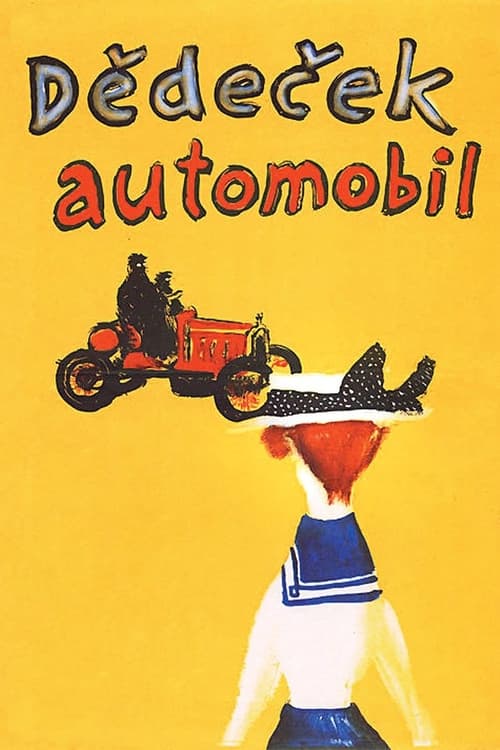
Vintage Car
6.5

The history of motoring in Bohemia begins when Laurin and Klement founded a factory for the production of motorcycles. In 1904, the first motorcycle races were held in Dourdan, France, in which Czechs also participated. Czech mechanic František and Nanette, daughter of French mechanic Frontenac, met and fell in love there. Czech racer Vondřich finished second due to a breakdown. In 1905, the race was held again, Vondřich insured himself with a suitcase of spare parts and won. Nanette and František, who had been writing to each other all year, met again. After motorcycles, cars began to be produced everywhere, and in 1909 their first race was organized in Gaillon, France. The Czech racer Count Kolovrat won. His mechanic František married his beloved Nanette in the local church.

Vintage Car

1957
Morálka paní Dulské
7.0

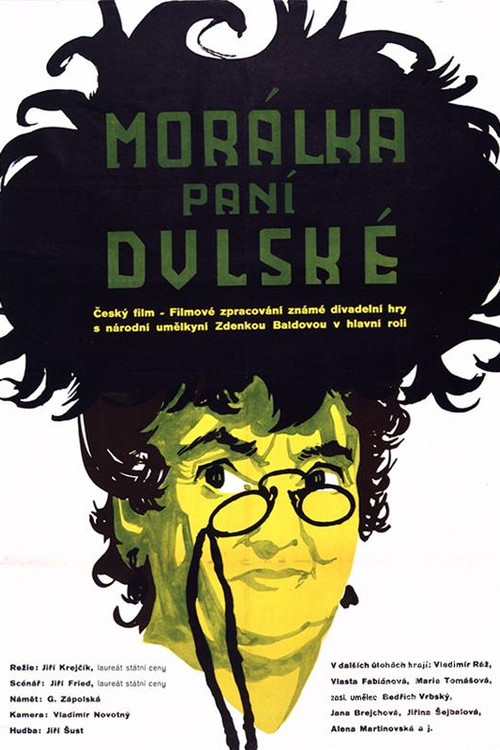
The suffocating conditions in a bourgeois family were depicted in several films in the second half of the 1950s - this one is one of the lesser known, although it achieves great emotional impact, free from the first ideological pressures. The title character, the owner of the tenement house Mrs. Dulská, controls her relatives and tenants with a firm and despotic hand. To achieve her goals, she masterfully combines tears, blackmail and insidious intrigues, or does not hesitate to abuse the trusting and handsome maid Hanka when she wants her son not to fool around. Everything suddenly turns around when Hank gets pregnant... But the appearance of a good reputation is more important to her than anything.

Morálka paní Dulské

1958
Of Things Supernatural
5.5

An anthology of three absurd, ironic tales inspired by Čapek’s “Tales from One Pocket” and “Fables and Side Stories,” each showing uncanny forces disrupting ordinary lives: in Krejčík’s “Glorie,” a gentle clerk is haunted by a sudden halo; the other two segments by Mach and Makovec similarly blend everyday routines with ironic, supernatural twists.

Of Things Supernatural

1959
Policejní hodina
7.0

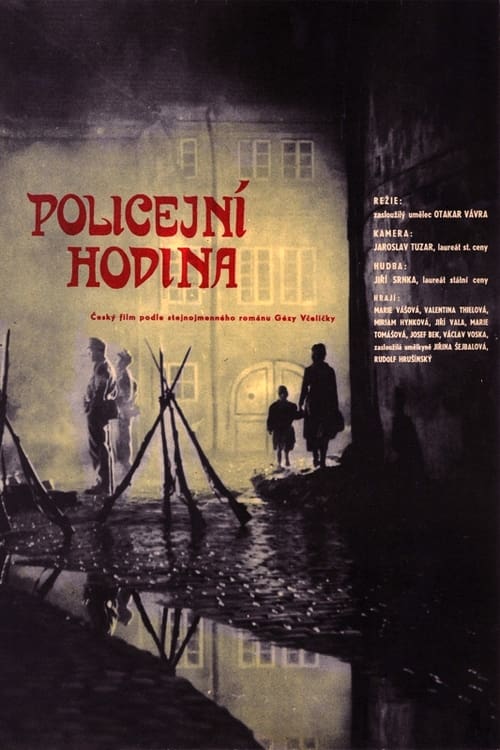
The story of a poor, disintegrating family of a mother Fišerová and her three children. It is set in the 1890s - a time when the poor working classes did not yet have the right to vote or a permanent eight-hour working day.

Policejní hodina

1961
Velké dobrodružství
8.0

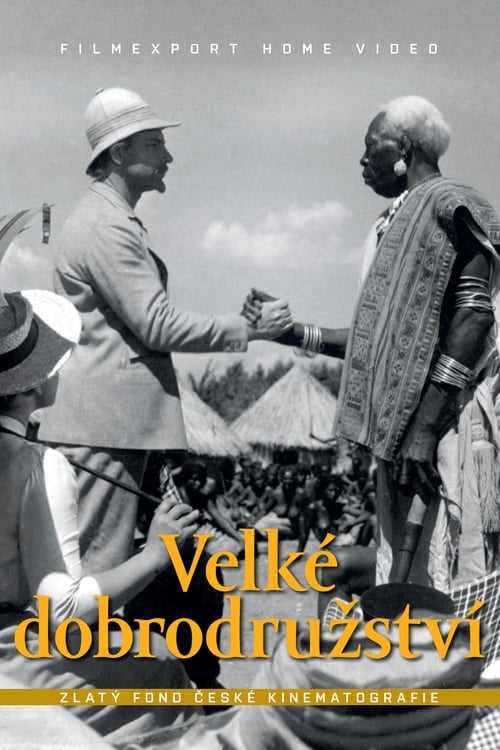
A biographical film about the traveler Emil Holub, conceived as an illustrative story of an exceptional man, who, however, encounters the disinterest and rejection of the domestic Czech bourgeoisie. To this is added an international perspective - Holub encounters British expansionism in Africa and indignantly rejects colonial methods, trying to help black people.

Velké dobrodružství

1952
Jaroslav Hasek's Exemplary Cinematograph
5.9

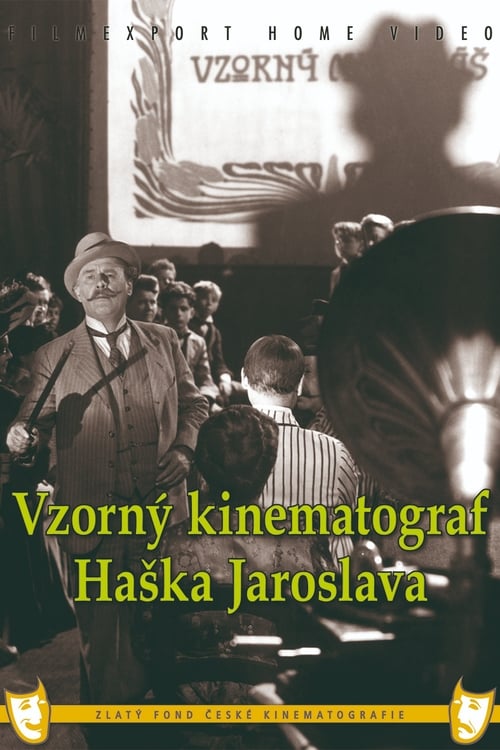
Jaroslav Hašek screens four film stories in the fairground shed around 1900. After period advertising slides and a "newspaper", we see "the first part of a sensational, exemplary, parfuss, salon program - a film from the life of school-age children, shot under very difficult circumstances". The plot of this film takes place partly in a school classroom and partly in a gymnasium toilet, where the primate Chocholka took refuge from a Latin composition. "Exemplary Family Happiness" is the second film that takes the viewer into the family of the municipal official Honzátek, in which many stormy scenes occurred when the hamster, provided by Honzátek Jr., moved into the sofa - a wedding gift from Sister Ema. Equally surprising are two other stories, one of which tells about the "father of the poor", the owner of a company with unrecoverable cash flow and a famous patron, and the other about the fateful consequences of a joint trip between the old bachelor Mr. Hanzlíček and his neighbors.

Jaroslav Hasek's Exemplary Cinematograph

1956
No image
N/A

No description available.

To jsou Bratři v triku

1957
Golden Queen
7.3

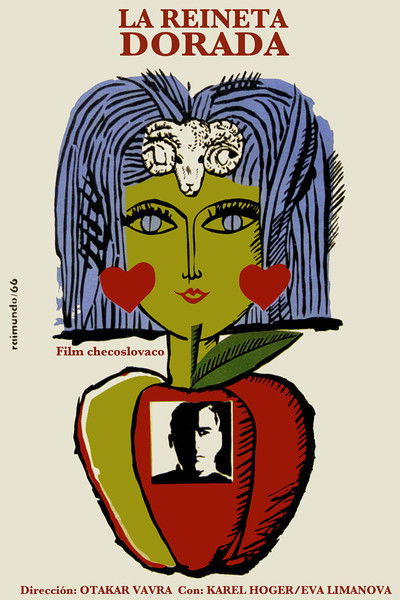
A man returns to his native village in search of renewed faith and his old girlfriend. But she, now a middleaged woman, does not recognise him and he goes home, more disillusioned than ever.

Golden Queen

1965
The Merry Circus
5.1

Trnka brings to life a surrealist circus of tightrope-walking fish, musical monkeys, balancing bears, and high-flying acrobatics in this whimsical feat of cutout animation made in collaboration with leading Czech painters of the era.

The Merry Circus

1951
Where an Alibi Is Not Everything
7.5

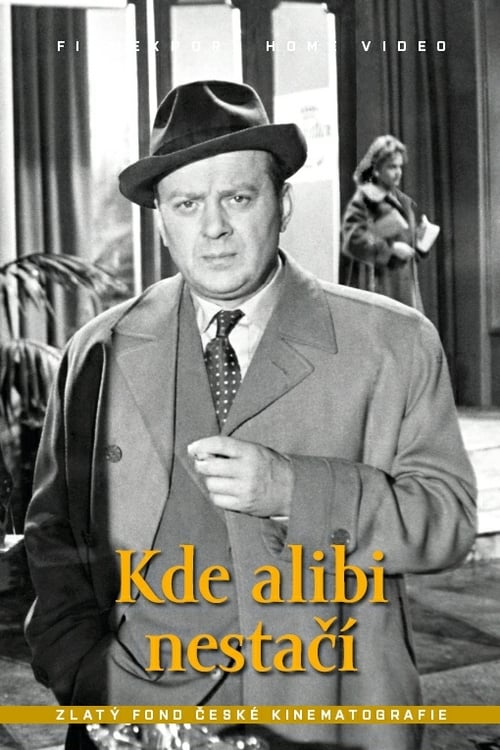
“A bored housewife, a husband who married her for show, and a stupid boy who is full of himself because he is dating a Swiss woman.” The words of Inspector Tůma sound like they’re from a European melodrama, but in fact they come from a Czechoslovak crime story. A pair of detectives, counterfeit medicine, the high-society setting of a Karlovy Vary hotel, and Oldřich Nový as the aging hotel manager Kraus.

Where an Alibi Is Not Everything

1961
No image
8.0

A short, humorous history of aviation based on Kamil Lhoták's book "Balloons, Wings, Propellers."

How Man Learned to Fly

1958
No image
N/A

No description available.

A B C

1951
No image
N/A

No description available.

Závodník

1948
No image
N/A

No description available.

O světle

1953
No image
7.0

A young aristocrat is madly in love with an inventor, but her parents arrange her marriage to an old army general.

Love and the Zeppelin

1948
The Knot in the Handkerchief
7.0

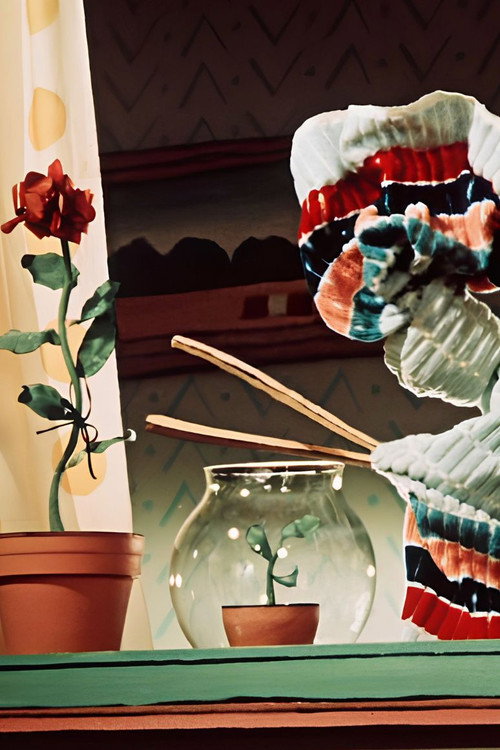
A boy makes a knot in his handkerchief to remind himself to repair his leaky faucet. The handkerchief, however, is alive and kicking, and flees from its pocket to explore the outside world. The boy gets distracted by a game of soccer, forgetting the faucet. In the meantime, the handkerchief meets other pieces of fabric that come to life.

The Knot in the Handkerchief

1959
Man Under Water
6.5

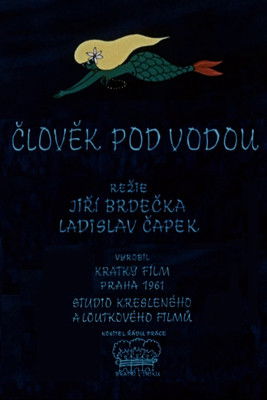
After the flying machines of "How Man Learned to Fly," this next popular science installment by Jiří Brdečka focuses on the history of submarines and deep sea exploration, denouncing the arms industry along the way, as the politics of the day required.

Man Under Water

1961
No image
N/A

A poetic documentary portrait about czechoslovakian painter.

Malíř Kamil Lhoták

1960