
Cláudio Kahns
Directing
Known For

In less than ten months, the music band Mamonas Assassinas went from being completely unknown to becoming one of the biggest phenomena in Brazilian music. Irreverent, intelligent, sarcastic and creative, the band took over Brazil and sold two million albums in just six months. Never-before-seen footage and interviews from family, friends, producers, and musicians tell the band’s story, their challenges, their rise to fame, and the tragic aeroplane accident that killed all its members in 1996.
Mamonas Forever
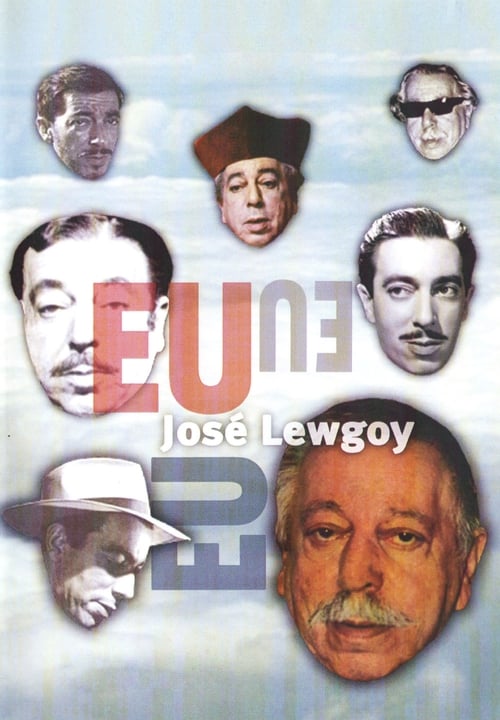
Documentary discussing the life and work of José Lewgoy, one of the most important Brazilian actors of all times.
I, I, I José Lewgoy

Two children flee together with a grown up from a slum in Rio because this man had problems with the local drug lord. They end up in the house where a rich American citizen lives with his daughter.
How Angels are Born
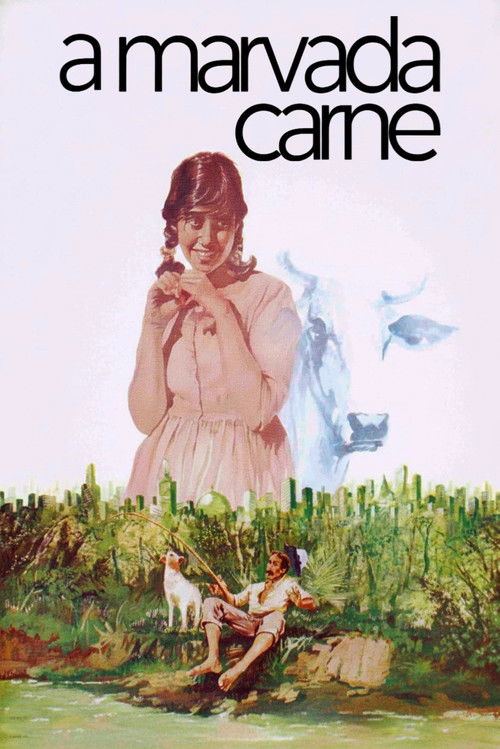
Nhô Quim has only one dream in his life: to eat red meat. He meets Carula, a young woman anxious to get married, who promises him that in their wedding her father will kill him an ox. But, before that, Nhô Quim must pass a series of tests.
That Damned Meat
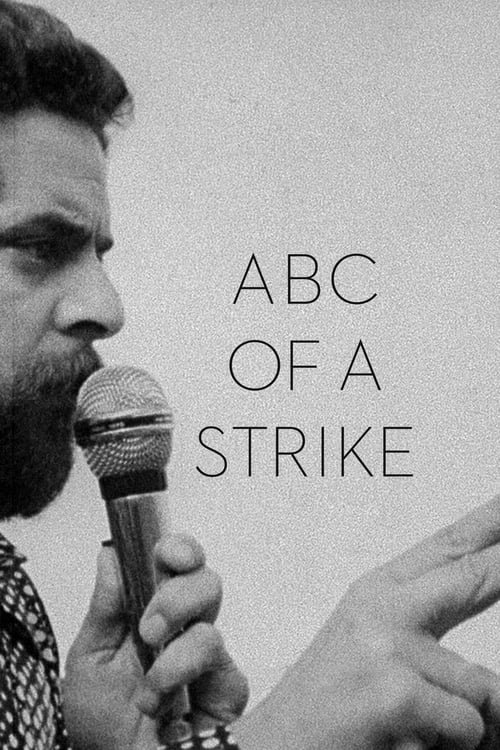
ABC of a Strike captures the 1979 metal workers strikes outside of São Paulo. The footage sat untouched until after the death of highly-regarded director Leon Hirszman in 1987, by which time the material had a new relevance. The gripping film captures the negotiations between the labor unions and the factory bosses and shows the birth of the region’s Worker’s Party, as well as the emergence of its charismatic leader, Luiz Inácio Lula da Silva. Rising from extreme poverty, Lula gained national prominence as a union activist during the late 70s and early 80s. After being jailed during his time as a union leader, he eventually becomes Brazil’s president from 2003 to 2010.
ABC of a Strike

After diving into a shallow lake, a college student becomes tetraplegic. In his wheel chair, he remembers the important facts of his life as an adolescent.
Feliz Ano Velho
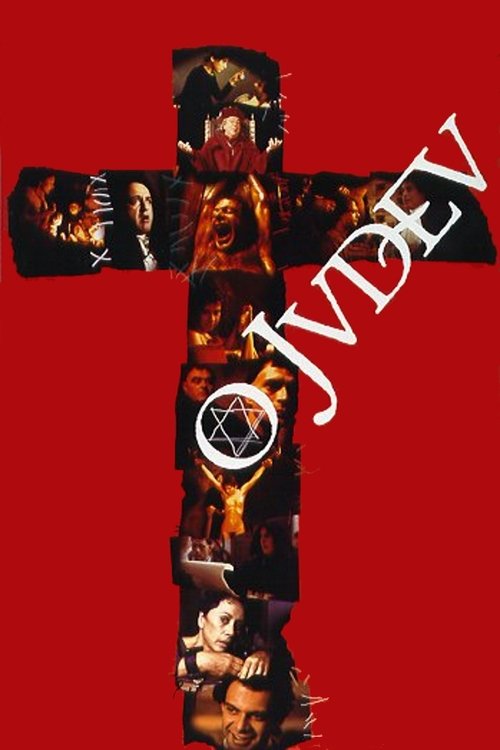
The story of Brazilian Antônio José da Silva, a jewish poet, playwright and lawyer living in the 18th Century Lisbon, who managed to avoid Inquisition by converting himself to Catholicism, after being tortured. But his fierce criticism of Portugal's élite led him to persecution and torture, becoming kind of a scapegoat.
The Jew
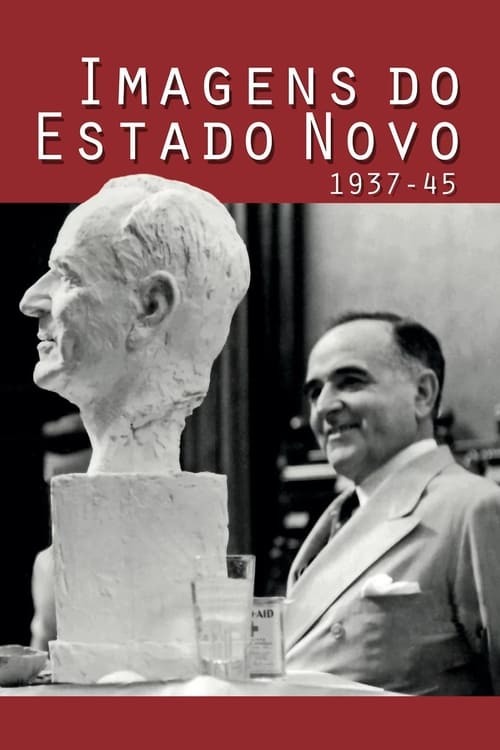
Resorting on a vast archive material of newsreels, photographs, letters, family videos, fiction movies, diary and popular songs excerpts, the documentary reassesses the legacy of the dictatorial period of Getúlio Vargas (1937-1945). Through the comparison and analysis of these heterogeneous records, produced for different purposes, from political propaganda to family celebration, the film explores the several layers of the political web of the Estado Novo, exposing its external inspirational sources, functionality and contradictions.
Images of the Estado Novo 1937-45
The life and work of deputy Ulysses Guimarães based on news reports, interviews and testimonies.
Ulysses Cidadão
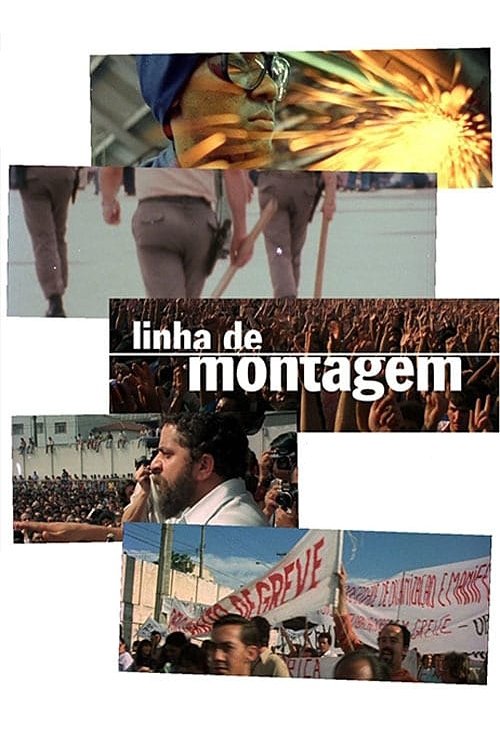
Documentary about the strikes that took place in São Bernardo do Campo, in the State of São Paulo, Brazil, circa 1979/1980. That moment was of utmost importance, since it revealed a Union leader, Luís Inácio "Lula" da Silva, who would later become President of Brazil. It was also the moment when PT, the Workers' Party, became a relevant political force in Brazil.
Linha de Montagem
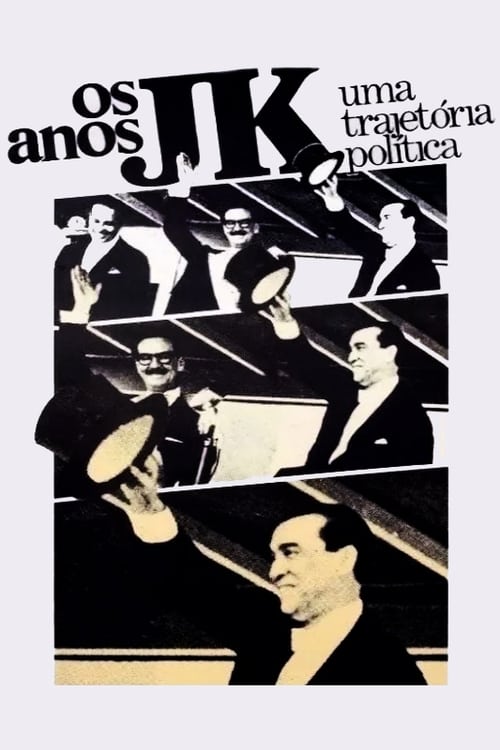
Documentary about Brazilian history, from 1945 until the 70s, focusing on president Juscelino Kubitschek, his political rise, his philosophy of economical development, his gigantic project ...
The JK Years: A Political Trajectory
No description available.
Mais Luz
No description available.
O Sonho Não Acabou
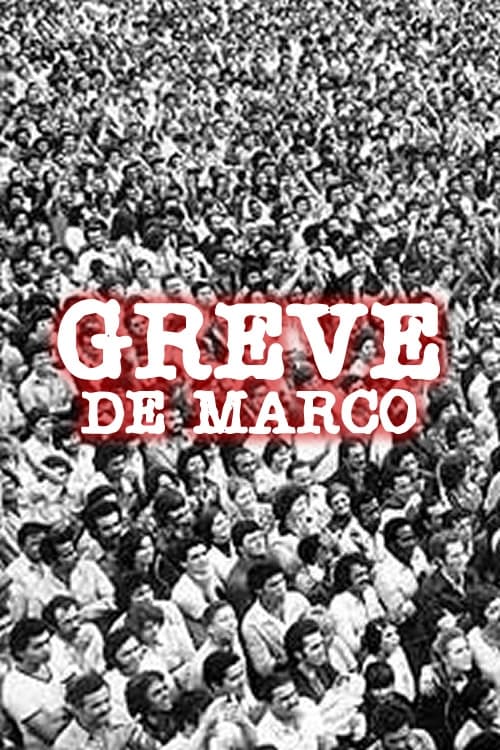
The documentary covers the first phase of the brazilian metalworkers' strike in 1979. It was made to be shown to the workers during the truce between the two phases of the strike, with the aim of mobilizing them for the second phase. The film shows the large assemblies, with more than 100 thousand metalworkers, in the Vila Euclides field, in São Bernardo do Campo; the mobilization for a vigil at the Union; the resulting street conflicts and the triumphant return of the board, headed by Lula, in the great assembly in which the truce was proposed.
Que Ninguém, Nunca Mais, Ouse Duvidar da Capacidade de Luta dos Trabalhadores
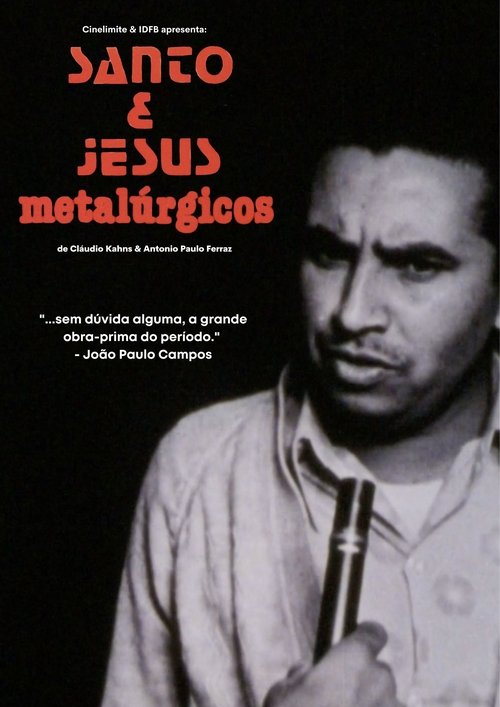
From its very title, Cláudio Kahns and Antônio Paulo Ferraz's Santo e Jesus, Metalúrgicos is crystal clear about where it stands and about its messianic flair. Through a wordplay with the religious connotation of the names of the two men, murdered during the worker strikes of the late 1970s in São Paulo, it associates sainthood and Christ himself with the working class. That association is reaffirmed throughout the film, from the very beginning, including by a priest. The martyrdom of metalworkers Nelson Pereira de Jesus and Santo Dias da Silva is the starting point to denounce the working conditions faced by factory workers, and the repression which ensues whenever they try to resist them. However, the film also presents us with the 'official' version of the facts, going so far as to feature interviews with the man who killed Nelson. Obviously, it sides with the workers, as it conveys the strength of the oppressed and the impudence of the oppressors.
Santo and Jesus, Metalworkers
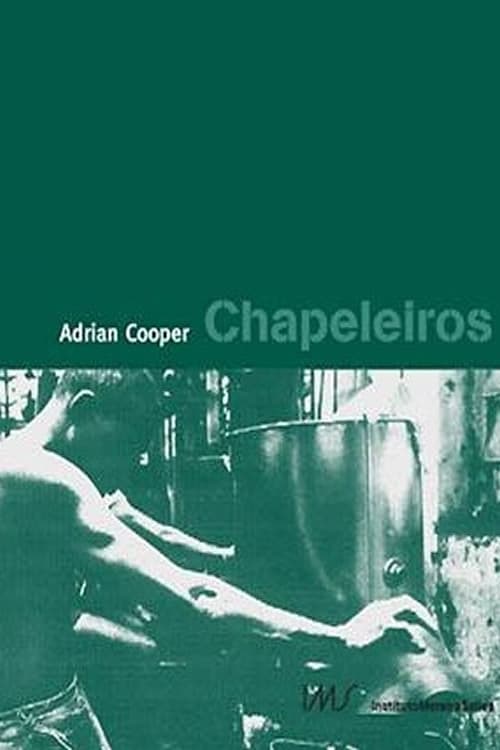
An attentive and time-consuming observation of the daily life of workers in a hat factory - entering the factory, the rhythm of the machines, the rhythm of manual work, the steam, the brief and precious break for lunch, the mechanical gesture of the worker repeated over and over again countless times, the silhouettes of bodies. The only foray into direction by the prolific photographer and art director of Brazilian cinema, Adrian Cooper.
Chapeleiros

Experimental documentary about the life and work of obscure samba musician Vassourinha (1923-1942), born in São Paulo, who only recorded six 78rpm records, dying at 19.
Vassourinha: The Voice and the Void
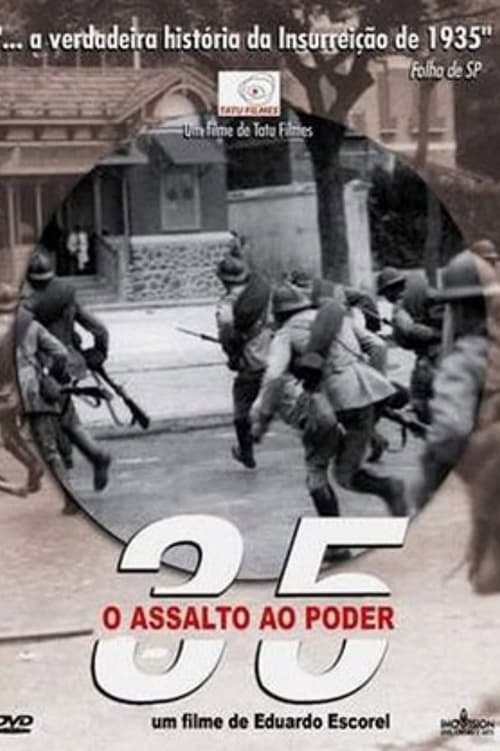
Documentary about the frustrated insurrection of 1935 that resulted in the consolidation of the absolutist government of Getúlio Vargas in Brazil (1930-1945).
35, Heist of Power
No description available.
Vizinhos
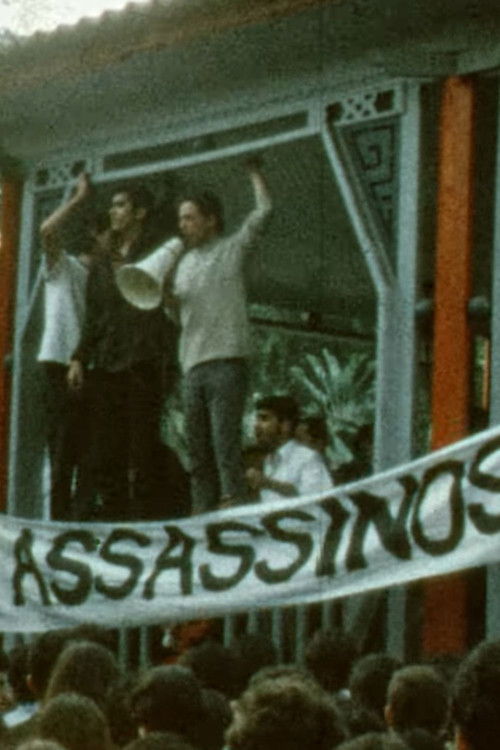
In 1968, at the height of the military dictatorship, Claudio Kahns closely followed the political and historical events that mobilized the city of São Paulo. Among them was the death of high school student José Guimarães, murdered during the clashes of the Battle of Maria Antônia, an episode that profoundly marked the Brazilian student movement. Sensitive to the moment and aware of the historical gravity of those days, Claudio took his Super 8 camera to one of the main demonstrations held in protest against the student's death. The result is an impressive record of the city in turmoil: streets filled with students, posters, slogans, and the latent tension of a country living under repression.