Ivan Zamychkovskyi
Acting
Known For

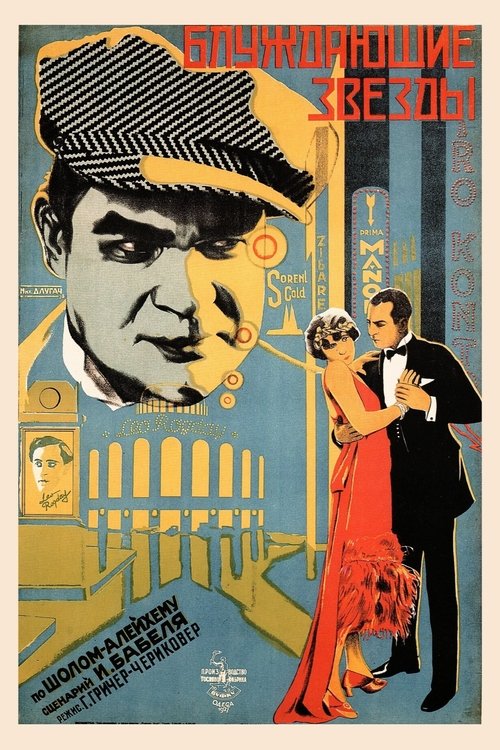
The violinist Leva Ratkovich loved the poor girl Rachel, but her father did not allow her to marry a "beggar". Making sure that in tsarist Russia he could not achieve recognition, Leva decided to emigrate. After wandering, he falls into the hands of an impressionario, who made him a celebrity. On tour, Leva met his Rachel, who was also forced to emigrate. The Wandering Stars finally meet.
Wandering Stars

The seamy Jewish underworld of Odesa is the setting for Isaac Babel's story based on the life of gangster king Mishka Yaponchik "Mike the Jap" Vinnitsky. Murder is a way of life for Benya and his gang until he finds himself ensnared in a Bolshevik trap.
Benya Krik

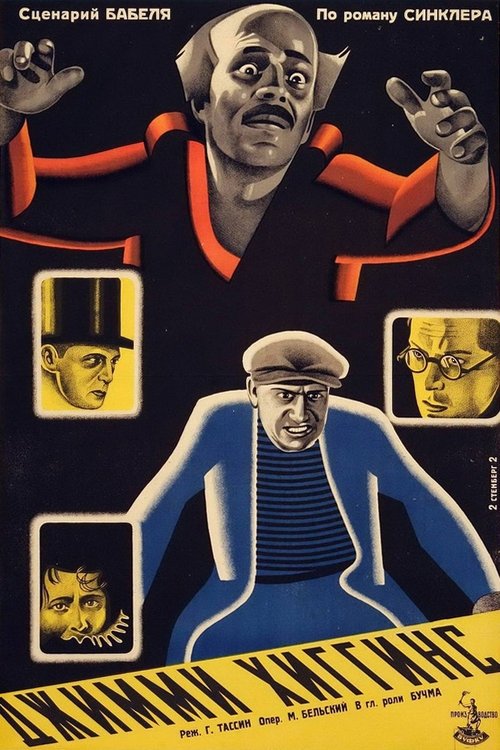
Jimmy Higgings is a worker of the plant making weapons for the Tsarist Russia and the German Empire. During World War I, Jimmy speaks at a spontaneous rally against the war. He is arrested. When released, he becomes unemployed. He is happy to hear the news about the revolution; he volunteers into the American expeditionary force thinking that having the weapons he can fight against Germans – the enemies of the Russian revolution. However, finding himself in Russia, Jimmy soon realises that the expeditionary force of American volunteers fights not against the Germans, but against the young Socialist Russia. Without any hesitations, he takes the path of revolutionary struggle, he spreads propaganda among the American soldiers and distributes Bolshevik leaflets. Captured by the American military police, Jimmy Higgings does not betray his friends. He is sentenced to twenty years in a military prison. Jimmy cannot stand it and loses his mind. Lost movie.
Jimmy Higgings

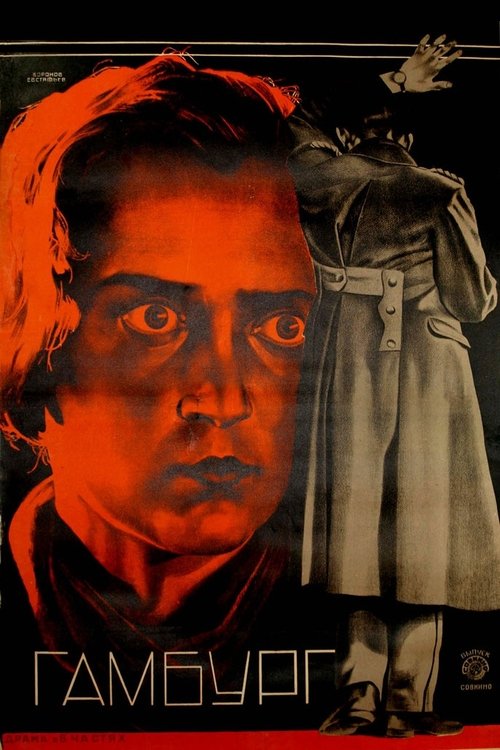
Germany, 1923. Workers, called to the struggle by the communist Niels Unger, seize the arsenal and turn every building into a fortress. The social democrat Buk does not fulfill Unger's order to blow up the bridge over the Elbe, so the Reichswehr troops enter the city. A bloody massacre begins. Nils Unger is arrested. Buk, who is associated with the punitive leader Meins, betrays the rebels during interrogations. A trial is scheduled for the rebels. To avoid political publicity during the trial, Nils Unger is declared insane, but manages to escape from the prison hospital. Once again, his call resounds through the streets of Hamburg: "Save your guns!"
Hamburg

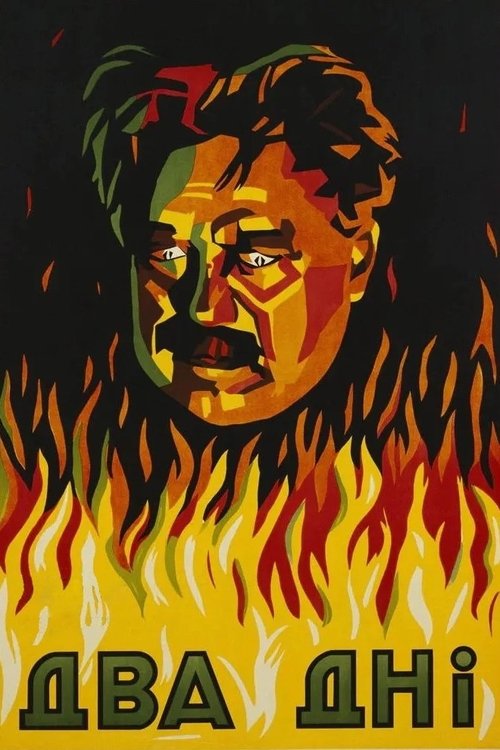
The Red Army enters the city, while the White Army leaves it. There are only two people in the landlord’s estate, an old doorkeeper and a grammar school student, the landlord’s son. The house is taken by the Red Army detachment, and the doorkeeper’s son Andrii, a Bolshevik, is among them. The old man does not share his beloved son’s views and protects the landlord’s son hiding him in the attic.
Two Days

Jean, the hairdresser, is flabbergasted: what is that baby his girlfriend Lisa has put in his arms out of the blue? The fruit of love? Out of the question. From that moment on, the reluctant father has but one thought in his head: he must get rid of the cumbersome 'article'. And, take his word for it, all the ways are good.
Love's Berries

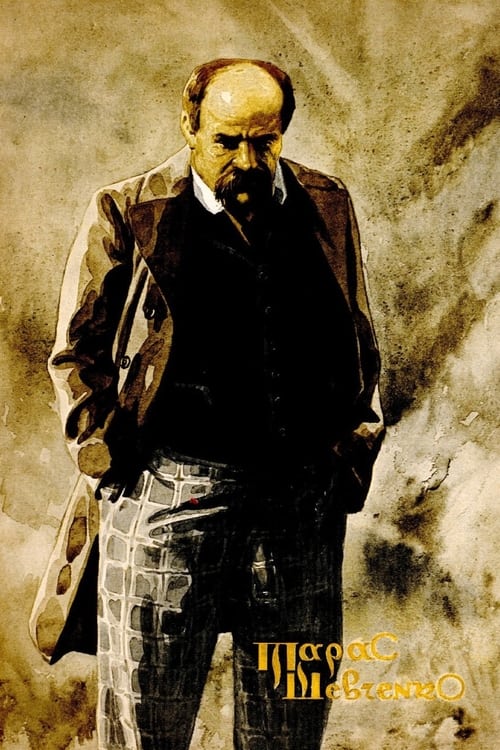
The film adaptation of Taras Shevchenko’s biography of 1925 is the first Ukrainian biopic. At that time, it was one of the most expensive films, as for the first time experts in history, ethnography, and literary studies were involved in pre-production. Consisting of numerous short stories, the film that shows the life of Shevchenko as an adolescent, a soldier, a poet, was successfully demonstrated in Ukraine and abroad and became the most acknowledged cinema project of 1926.
Taras Shevchenko

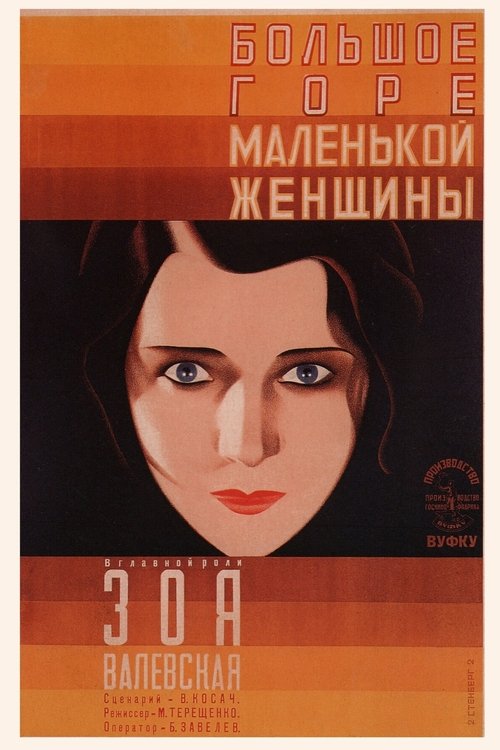
Lost movie.
The Big Sorrow of a Small Woman

It's the 17th century, when social antagonism is at its peak. The poverty of peasants and poor Cossacks is opposed to the lavish lifestyle of the Ukrainian and Polish noblemen, priests, and Cossack officers. Cossacks fight off Tatars’ attacks, however, they start to realise that the real enemy is much closer. Taras Triasylo raises Cossacks to help the rebellious peasants.
Taras Tryasylo

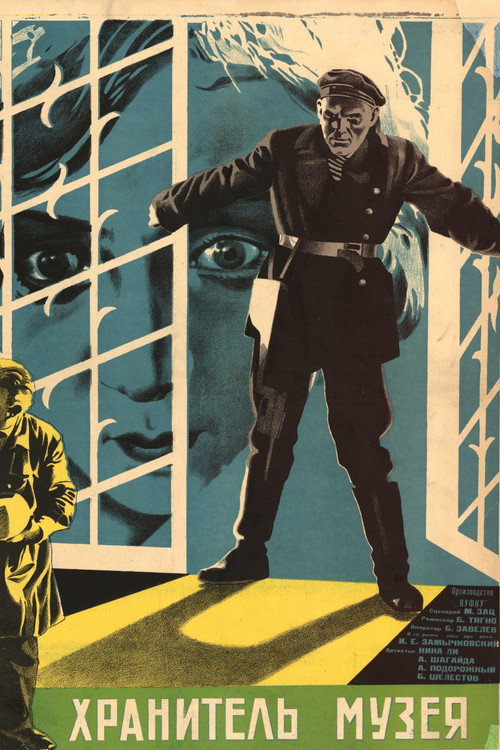
A Soviet propaganda film. The director of the Museum of Ukrainian Culture, Professor Kornienko, stays away from politics and tries to work with his daughter in what he considers to be "pure" science. That is why he treats the revolutionary events as an unfortunate but passing phenomenon. His main concern is to preserve the heritage of the people at all costs, even by smuggling some of it abroad. Gradually (not without the influence of the Red Commissar and his own daughter), Professor Kornienko comes to the conclusion that the revolution is not an enemy of culture.