Vítor Alves
Editing
Known For
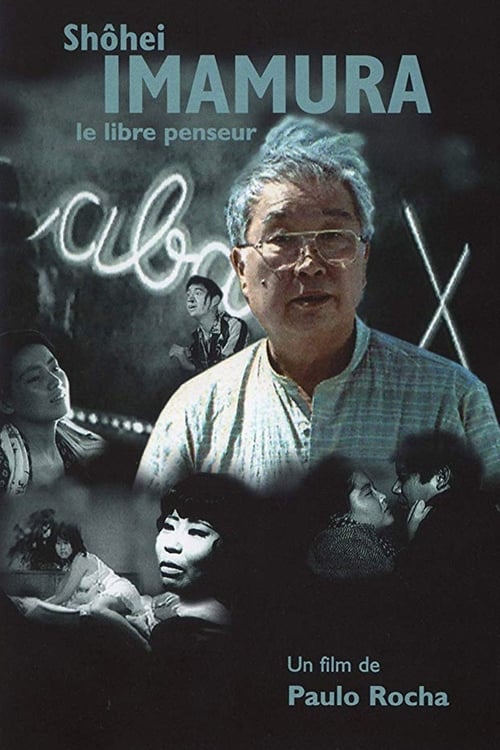
Documentary about Japanese film director Shohei Imamura.
Shohei Imamura: The Free Thinker
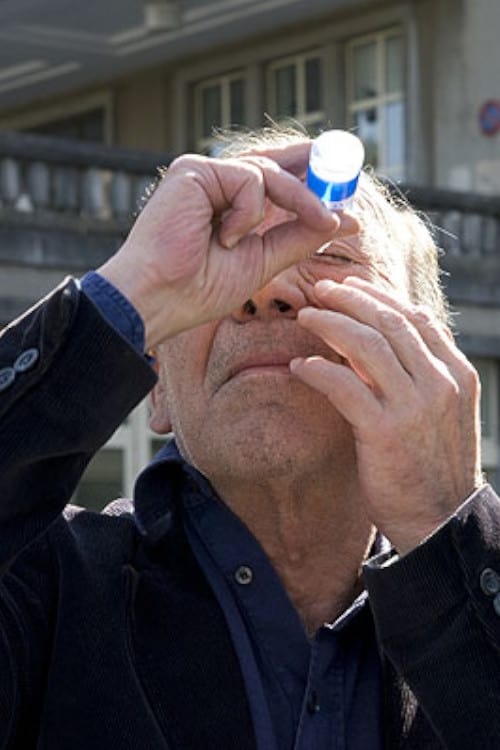
A father and a son. The father will be seventy years old, the son is in his twenties. The son drives the father to the hospital. Classical music in the radio. The father did not know that the son liked classical music, and the son did not know that that would be the last time he would speak to his father. But Mozart asks that souls rejoice, that men rejoice.
A Felicidade

The city during the beginning of cinema. The typical city at the time of the dictatorship. The New Lisbon of the New Cinema. Lisbon after the Revolution. The white city of foreigners. A geographical and moviegoer screenplay of Lisbon through the images of films and testimonies of several filmmakers who filmed in Lisbon.
Lisboa no Cinema, Um Ponto de Vista
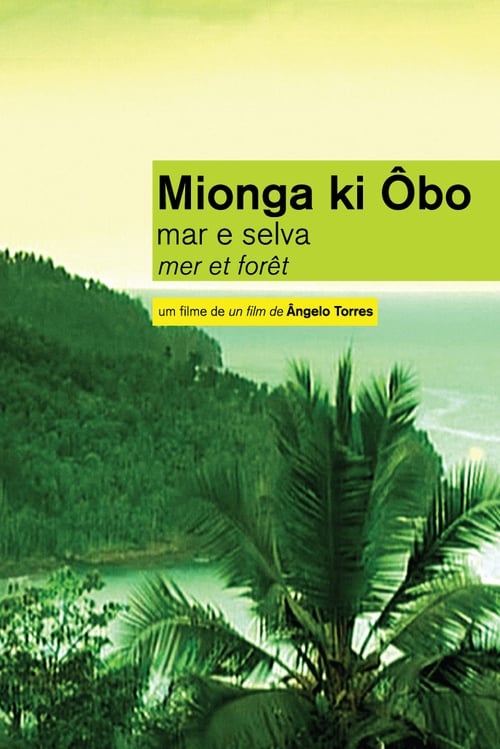
Angolares are the oldest inhabitants of the island of São Tomé. Control of the island was wrested from them in the late 19th century, and their descendents have been reduced to a small fishing community. This fascinating film explores the tangled history of the Angolares and their beautiful island.
Sea and the Jungle

A documentary about the world of portuguese cinema, with interviews with some critics and directors.
A Portuguese Film
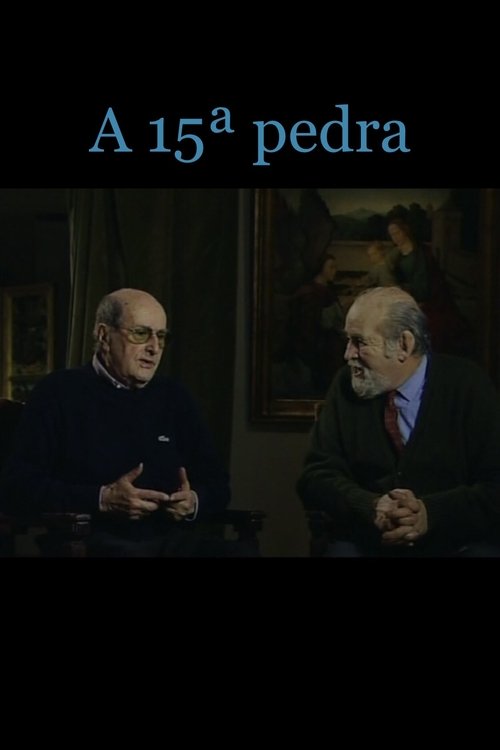
Joáo Bénard da Costa, director of the Portuguese National Film Archives [deceased in 2009], interviews the dean of contemporaneous film directors [96-years-old then]. Two humanists of different philosophical backgrounds, both with their long, entire lives dedicated to culture in general (music, painting, literature) and to film in particular, discuss freely, sometimes haltingly, the director's power as a creator or a magician, the philosophy beyond particular scenes in classic movies, film technique, the importance of color, sound and music to films, art versus entertainment, and much more. Their talk takes place in a museum room, seating in front of "The Annunciation" (a 1510 oil painting by João Vaz, a Portuguese artist), which eventually leads to a discussion of 'Leonardo da Vinci', and the relationship between a trend-setter master and his disciples.
The 15th Stone
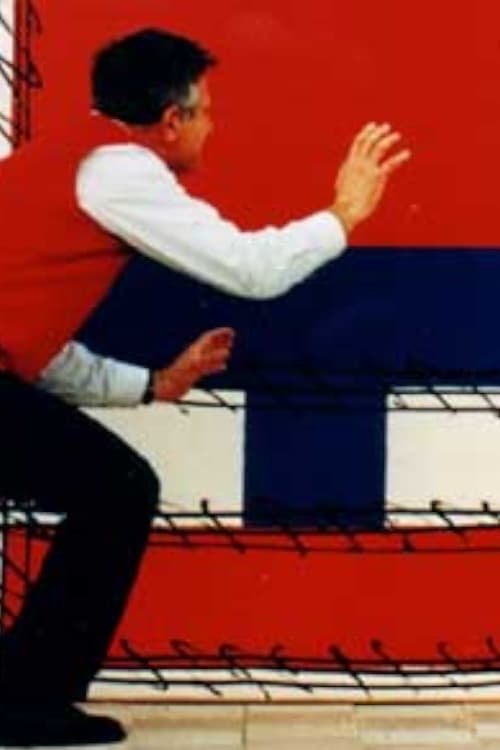
Joaquim Bravo (Évora, 1935 - Lisbon, 1990) exhibited for the first time in 1964, inaugurating what would become one of the most decisive Portuguese galleries, the 111 in Campo Grande. Its doctrinal influence and its enormous capacity for enthusiasm would mark in the early sixties Évora's group of painters (Lapa, Palolo) and, in the 80's, artists such as Xana and Cabrita Reis. At his death, a moving tribute was paid to him by a huge and varied group of artists ranging from João Vieira to Miranda Justo. His work is scattered in a large number of private and institutional collections.
Joaquim Bravo, Évora 1935, Etc. Etc. Felicidades

A walk for half a century, yes, a letter perhaps. Travels in my life, I could call it, which I like Garrett so much. A traveling as he would like, a loose story, memories, projects, meetings. Also because, since 1995, I have done several portraits of artists (Palolo, Bravo, Lapa, Skapinakis, Bartolomeu, Angelo, Sena, Ana Vieira and I prepare Sofia Areal and Fernando Lemos), I started to think that this is my life, these meetings , see, hear, cut, show, tease. I want, with this film continue to show what I see. [Jorge Silva Melo]
Ainda Não Acabámos: Como Se Fosse Uma Carta

Chico wakes up on his 30th birthday to the sound of his girlfriend singing “Happy Birthday” to him on his answering machine. When João wakes up in bed next to him, he realizes that this is not his typical birthday.
Happy Birthday!
João Pedro Rodrigues films the holiday journey of an emigrant family from Paris to their homeland in Trás-os-Montes. Footage from the couple's daily life in Paris - he is a cobbler and she is a janitor - combined with records from their car journey through French and Spanish highways to Portugal and with moments of their holidays.
This Is My Home

The film follows the daily experiences and dreams of the residents of a specific type of seclusion of freedom in which the convicts assume the maintenance of the space, the control of their own activities and their security. With a multifaceted approach, it proposes a reflection on the creative potential of incarcerated people, the documentary genre itself and its truth.
Grade
José de Guimarães's artistic life changed when he went to Africa in 1967 on military service. A revisit to his past.
A África de José de Guimarães
Rio Vermelho (Red River) is a short film about a pregnant woman which has a strong connection to the river. In spite of being pregnant she swims in the river as she always did, but suddenly her child wants to born, birth time has come and she feels helpless in the middle of the river…She asks for "Lady of Beyond" help…
Red River

When he was 16-years-old, a young man was so impressed by the paintings of an obscure painter, that he did his best to get acquainted with him, as an artist, and a painter. Eventually, the artist started writing, and impressing the cultural world of his country to the point he became an established artistic name, and a college teacher. So, too, did that young man grow to be a theater and film writer, producer, and director.
Álvaro Lapa: A Literatura
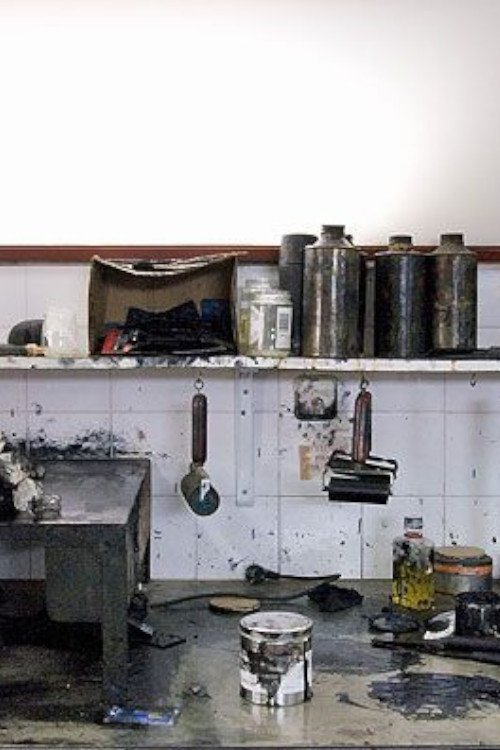
A documentary about Gravura, the Portuguese cooperative founded in Lisbon in 1956.
A Gravura: Esta Mútua Aprendizagem

I went to Bosnia after war ended, in 1996, when the Danton Peace Accord was being implemented. Bosnia had been divided in two entities, which separated the two main opposing forces of the conflict; the Serb Bosnians and the Muslim Bosnians. Two years later, in 1998, I returned to Bosnia... This movie is a diary of the two voyages, in which I deal with the memories of the war, the death and destruction and with the victim’s struggle who don’t know how to return home.