Directing
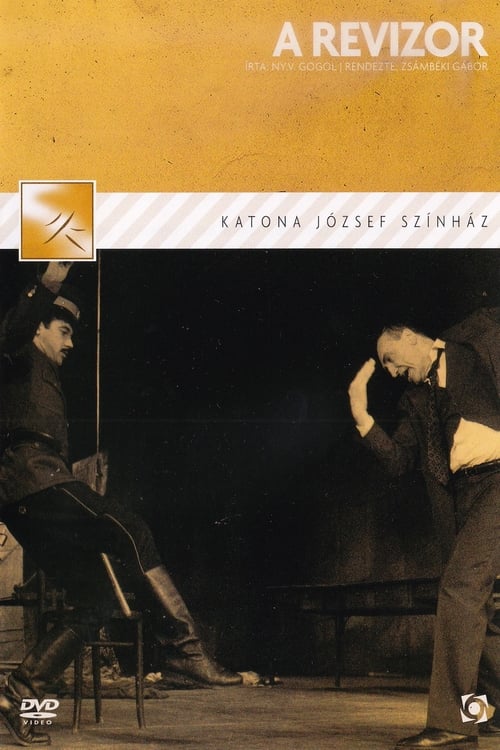
The corrupt leaders of a small rural town learn that an auditor is coming from St Petersburg. Frightened, they try to put things in order. Hlesztakov, a Petersburg official, has been starving for days in his inn in the small town, having gambled away all his money and no credit. In a misunderstanding and a bit of backstabbing, the town's corrupt leaders mistake him for an auditor. The bureau chiefs are watching his every move, and the mayor's daughter is a hit. When he leaves, the whole town celebrates and expects him back for a wedding. But a letter reveals the fraud, and at the same time the real auditor arrives.
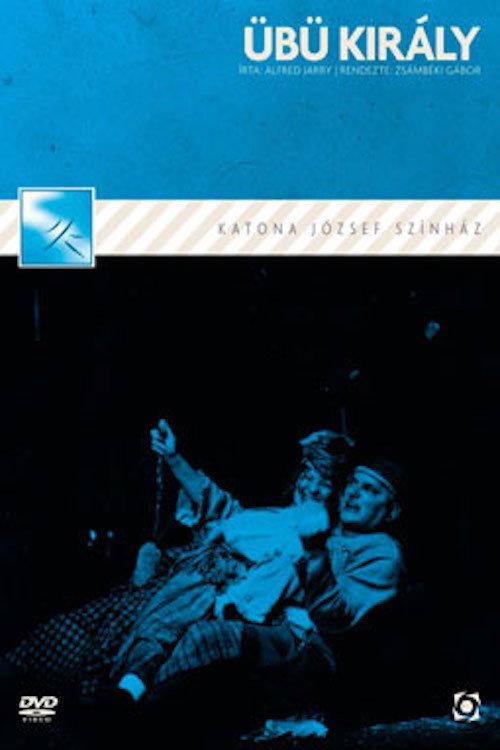
The Empty King created a mythical figure and a whole world from grotesque, archetypal images. The drama was originally conceived as a student tirade against a teacher at Jarry's school, the Lyceum of Rennes. This teacher, Hébert, was the target of public ridicule. In 1888, at the age of 15, Jarry wrote a puppet play about the exploits of the Woolly Tartar and staged it to the amusement of his friends. The figure of Übü is a crude, cruel caricature of the foolish, selfish bourgeoisie as seen through the unrelenting gaze of a schoolboy; but this Rabelaisian figure, in all his falstaffian greed and cowardice, is more than a mere social satire. It is a terrifying picture of man's animal nature, his evil and cruelty. The Katona József Theatre in Budapest premiered Jarry's play in 1984, and it ran continuously for more than 10 years.
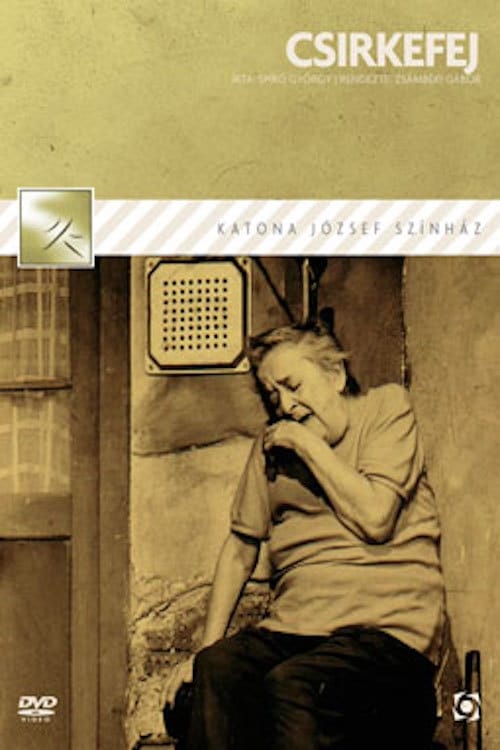
It is a tragedy, set among low-lifes on the outskirts of Budapest. Dramatic Exchange describes it as "Widely considered to be the most important Hungarian play of the last 20 years". The odd title of the play refers in the first instance to the chicken heads that an old woman feeds to her cat. However, it can also be taken to refer more broadly to the obtuse behaviour of the main characters in the play. The play is an odd mixture of pathos and nihilism, written against the bleak background of Stalinist totalitarianism from which Hungary was emerging. As with much modern drama, there is no hero in the play. The only noble behaviour that one can find belongs to one of the characters in the past, when he was a child, but he is no longer as he was. The hint that what once existed might be achieved again is the only faint ray of hope in a very bleak view of the human condition.