FEEL IT.STREAM
?

Zoltán Papp

Acting

Known For

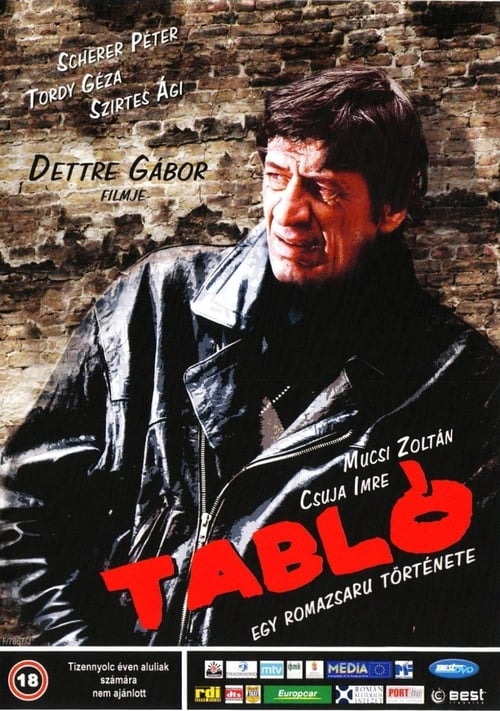
Tabló
4.3

Karcsi, a Roma policeman, lives with Eva, a Swede. One day he is called to the scene of the murder of a wealthy trafficker named Schulter. He begins to investigate the crime, interrogate neighbours and suspects, and untangle a complex situation - one that he, himself, complicates even further. For he is a gypsy, who despite being adopted and raised by "regular" Hungarians, has his nose rubbed in his minority status every day. The film, which is based on the novel by Ákos Kertész, is a shrewd genre work full of dusky humour and surreal situations. Tabló follows a vivid succession of strange images that eventually lead to the emergence of the central story about a charismatic police officer on a tireless quest for the truth, though he must fight against virtually everyone and is just as fallible as the next person. Tabló makes a statement on the issue of race and racism - or, indeed, relations between any minority and majority.

Tabló

2008Movie
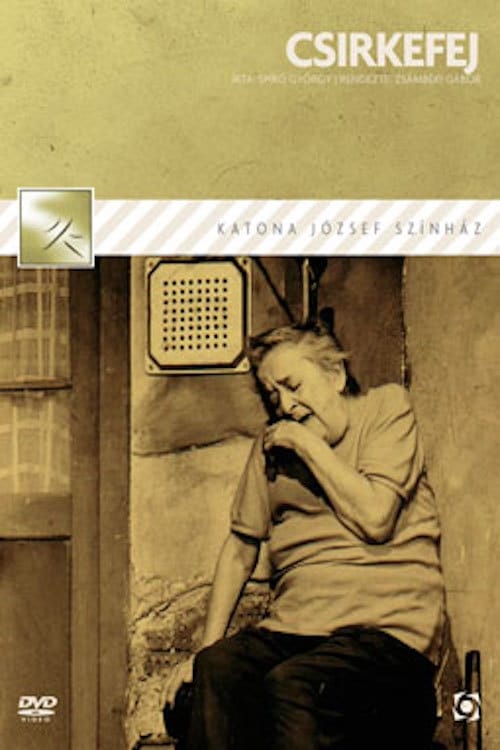
Chickenhead

It is a tragedy, set among low-lifes on the outskirts of Budapest. Dramatic Exchange describes it as "Widely considered to be the most important Hungarian play of the last 20 years". The odd title of the play refers in the first instance to the chicken heads that an old woman feeds to her cat. However, it can also be taken to refer more broadly to the obtuse behaviour of the main characters in the play. The play is an odd mixture of pathos and nihilism, written against the bleak background of Stalinist totalitarianism from which Hungary was emerging. As with much modern drama, there is no hero in the play. The only noble behaviour that one can find belongs to one of the characters in the past, when he was a child, but he is no longer as he was. The hint that what once existed might be achieved again is the only faint ray of hope in a very bleak view of the human condition.

Chickenhead

1986Movie
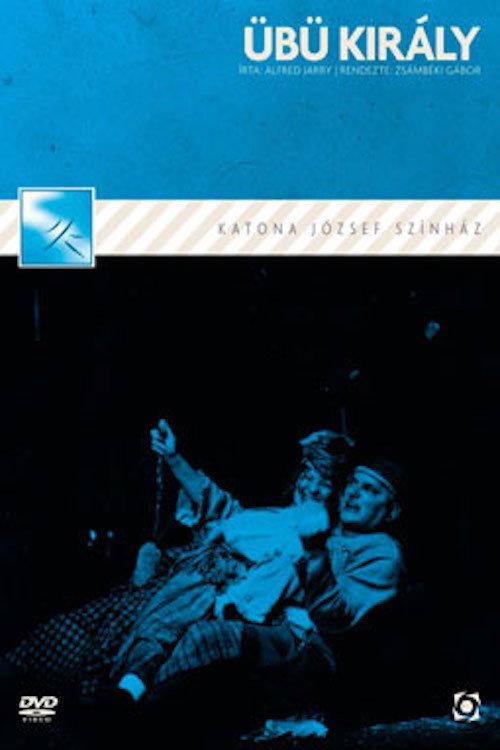
Übü király

The Empty King created a mythical figure and a whole world from grotesque, archetypal images. The drama was originally conceived as a student tirade against a teacher at Jarry's school, the Lyceum of Rennes. This teacher, Hébert, was the target of public ridicule. In 1888, at the age of 15, Jarry wrote a puppet play about the exploits of the Woolly Tartar and staged it to the amusement of his friends. The figure of Übü is a crude, cruel caricature of the foolish, selfish bourgeoisie as seen through the unrelenting gaze of a schoolboy; but this Rabelaisian figure, in all his falstaffian greed and cowardice, is more than a mere social satire. It is a terrifying picture of man's animal nature, his evil and cruelty. The Katona József Theatre in Budapest premiered Jarry's play in 1984, and it ran continuously for more than 10 years.

Übü király

1989Movie