Directing
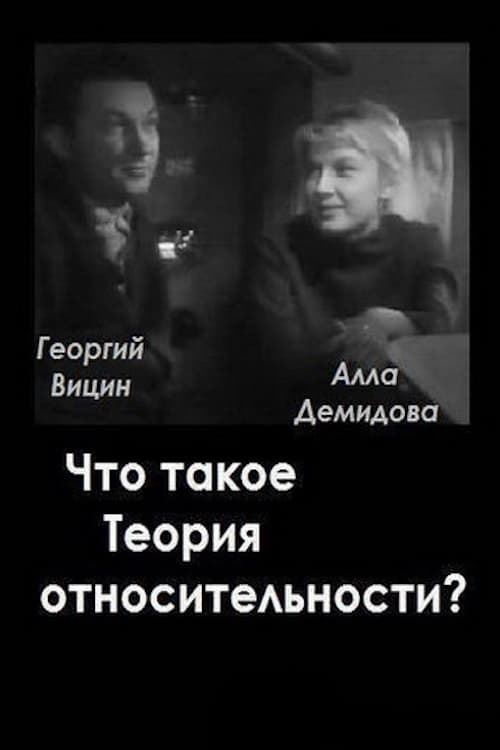
In a compartment of the Moscow-Novosibirsk train, a young physicist meets famous film actors. The conversation accidentally comes to Einstein, and the woman begins to explain to her fellow travelers what the theory of relativity is. The actors are incidentally on their way to the shooting of a film about physicists, but they do not understand the subject at all.
A propaganda film aimed at American audiences during the early years of the Cold War.
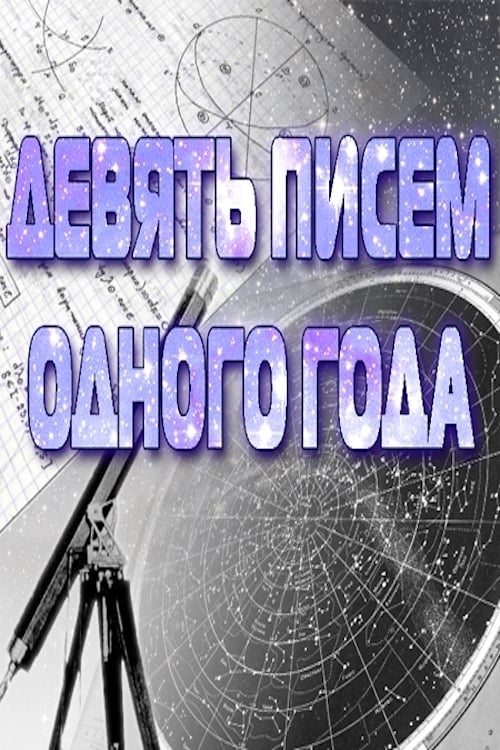
Based on the letters of Anatoly Cherepashchuk. A schoolboy from the city of Syzran writes letters to a scientist about his attempts to assemble a reflector telescope. He asks for the lenses for his observation device and in the following letters tells how the work is going. One day, with the help of his telescope, a young scientist discovers a new comet.
A Pushkin scholar Valentin Berestov analyzes the works of Aleksandr Pushkin. In particular, he proves that the “folk” songs in them were written by the poet himself.
A young man and a young woman spend the evening by the campfire. The girl asks about the starry sky and the photometric paradox, and the young man answers her with lyrical statements of great people about the infinity of the Universe. Frustrated, she rides off on a motorcycle with another young man.
The near future. A fantastic experiment using the test of the mathematician Alan Turing, in which an examiner, a human, and a robot take part. During the test, the examiner must determine who is behind the wall: a person or a thinking machine. The experiment is conducted with one goal: to find out whether a machine can think.
A physicist, a director of popular-science films, and a sports fan talk about the structure of the atom between periods of a hockey game they watch on TV.
A portrait film dedicated to the muralists Leonid Polishchuk and Svetlana Shcherbinina. They talk about their main works: the stained glass window “Hydronauts” at the Institute of Oceanology and the mosaic “The Healing of a Man” on the building of the library of the 2nd Moscow Medical Institute.
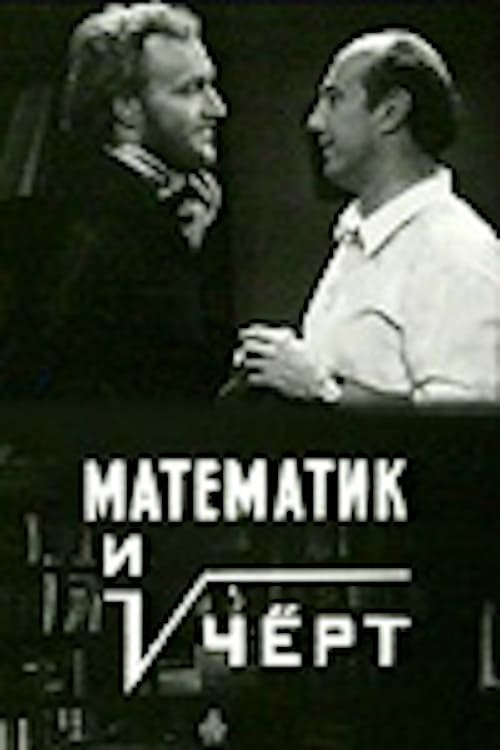
A mathematician offers to sell his soul to the devil for a proof or disproof of Fermat's Last Theorem. Based on "The Devil and Simon Flagg" by Arthur Porges.
A view film about the Oka River near Kaluga.
The film is based on the letters and memoirs of Anton Chekhov and members of his family and reconstructs the details of everyday life and of the writer's relationships with his brothers and sister.
About government loans in the USSR.
A portrait film of the Soviet popular music. Popular performers and composers talk about their work. The film includes, both on the screen and behind it, the songs “A Song Is Going in a Circle”, “A Sports march”, “At a Nameless High Ground”, “Moscow Nights”, “The Main Thing, Guys, Is Not to Get Old At Heart”, "Smile”, “The Song Remains With the Person”.
A group of young scientists conducts an experiment, putting themselves in the conditions of the people of the Stone Age. With the help of stone tools, they procure food and fire, and make themselves comfortable in nature.
No description available.
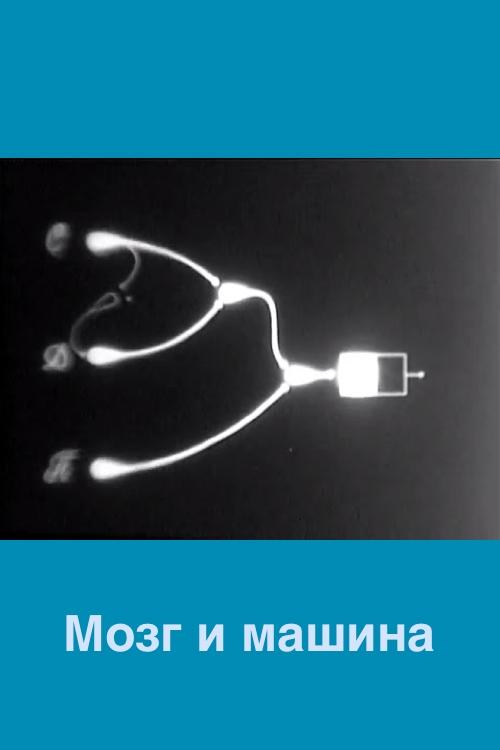
About modeling some principles of the brain.
Based on the book “The Ambidextrous Universe” by Martin Gardner. An eccentric professor explains whether our idea of the symmetrical structure of the universe is still valid and invites the viewers into the world of elementary particles
A portrait film dedicated to the famous violinist Leonid Kogan. In the Great Hall of the Moscow Conservatory, he performs with a symphony orchestra, and at home he rehearses with his wife Elizaveta Gilels and their daughter Nina.
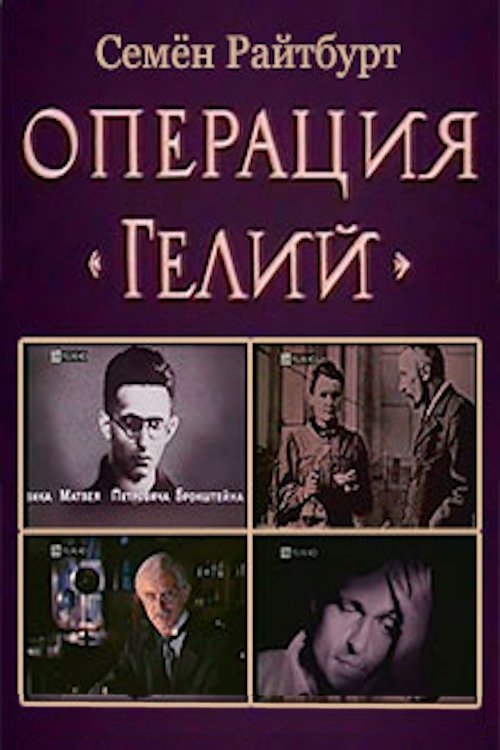
On the example of the history of the discovery of the "solar substance" Helium, the history of the most important discoveries in the field of physics and chemistry of the early XX century is given.
It is dedicated to the moral ideas of Socrates' philosophy.