Acting
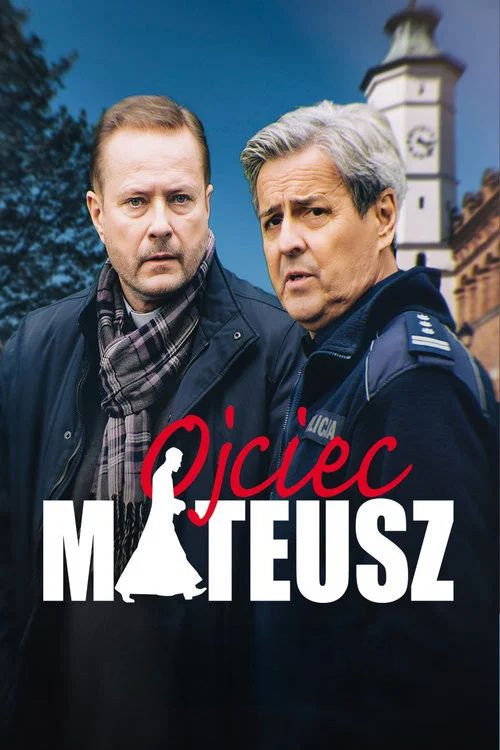
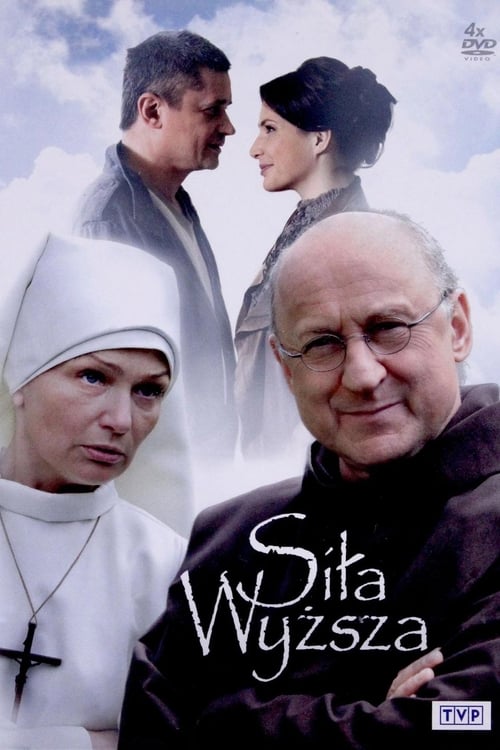
Father Matthew is about the adventures of a Roman Catholic priest who, after returning from a mission to Belarus, is sent to work in a small parish. As a pastor, together with a friendly policeman, he solves mysteries and gives help to his parishioners, as well as all those who are in need.
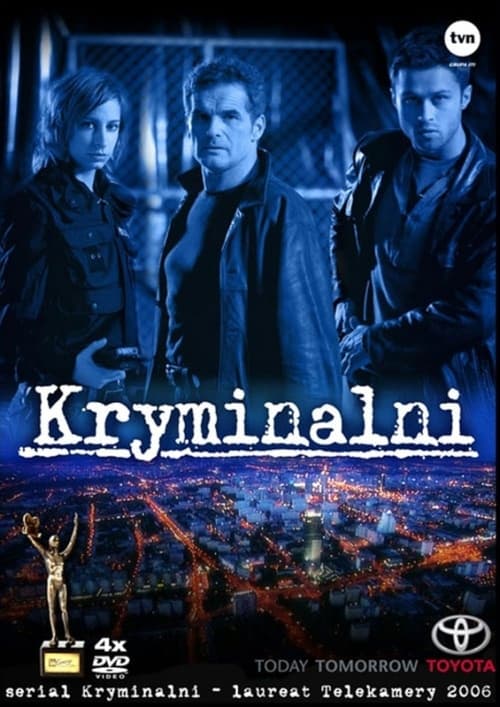
Kryminalni was a Polish crime drama television series that aired on TVN network from September 18, 2004 until May 24, 2008. It ran for 8 seasons and 101 episodes were broadcast in total. It was created by Polish director and screenwriter Piotr Wereśniak and produced by MTL Maxfilm studio. The series followed life and work of police officers from the elite Criminal Terror and Murders Division of the Warsaw Metropolitan Police; the title refers to police officers in the crime section. The three main characters were Adam Zawada, an experienced, tough cup, his younger colleague Marek Brodecki and Barbara Storosz, an ambitious female officer who in the first season joins the team just after graduating. Although none of the main actors had had star status before the series debuted, all three of them rose to prominence and popularity during the 5-year-long run. Many of Poland's best known actors guest starred, usually playing roles of people involved in just one particular investigation. The serial was one of the most popular in Poland: each week it had an audience of 4 million.
No description available.
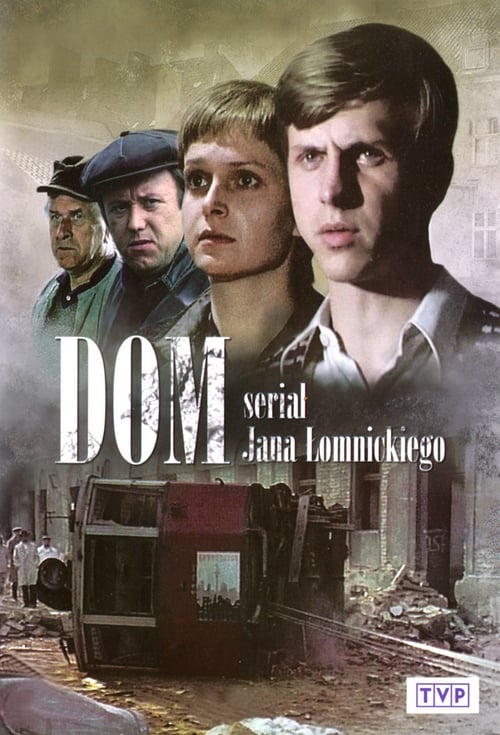
The story of the residents of a tenement house on Złota Street in Warsaw from 1945 to 1980.
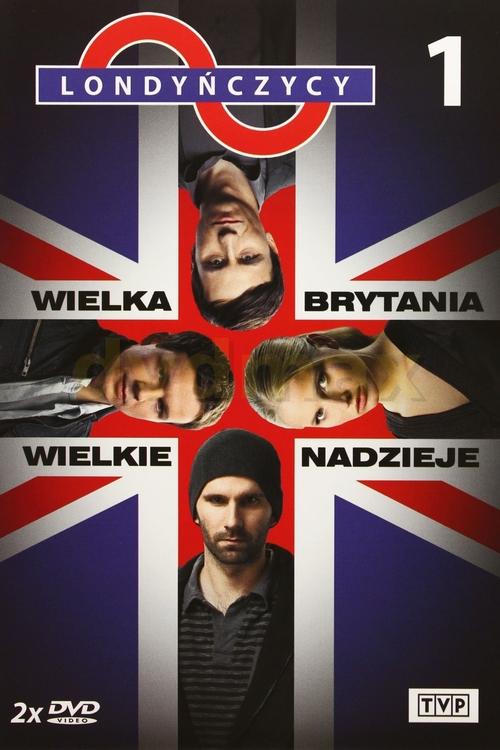
Londyńczycy is a Polish TV drama series about Polish immigrants in London, aired on TVP 1 since late 2008. It is currently aired on Community Channel. The title music for the series is the Robbie Williams song "Supreme".
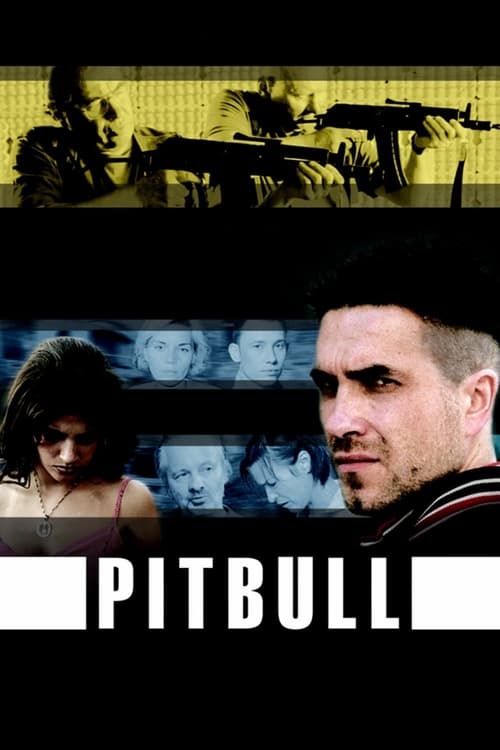
The dark world of crime: murders, racketeering, drugs, kidnappings. There are no rules here. Working in this world makes cops cynical and ruthless. There is a fine line between them and criminals - will any of them cross it? The main characters are officers from the Department for Counteracting Criminal Terror and Homicides. The action of the series is an extension of the threads that appear in the feature film. It presents in a realistic way the brutal and dark world of crime that officers encounter on a daily basis. They're not just tracking down murderers. They fight racketeering, kidnapping, drug trafficking while struggling with their own day to day life and problems.
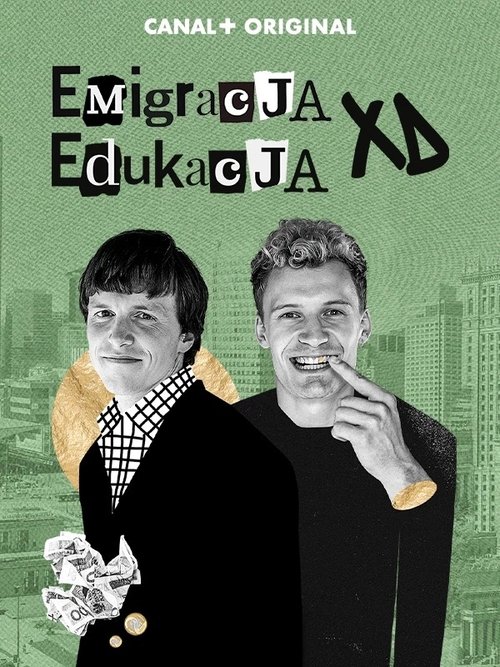
It's the story of two slightly crazy guys who are forced to leave their town, where the annual Gooseberry Days celebration is the biggest attraction, and go to London for work. To say, however, that the tour doesn't go according to plan would be a very mild description of what happens next. The protagonists get separated at the very beginning as a result of a gnarled party. The journey that follows is woven with a plethora of marvelous characters. The viewer will find among them: truckers, gypsy camper traders, anarchist squatters, recidivists hiding from the Polish justice system or go-go club employees.
Rising police talent Karolina delves deep to uncover her missing ex-cop father's fate, stumbling upon treacherous family shadows and a corrupt police scheme. As she battles against toxic masculinity, shocking revelations about her father emerge.
A young detective seeks the help of a discharged police officer, giving him the chance to reclaim his old life in exchange for solving a bank raid case.
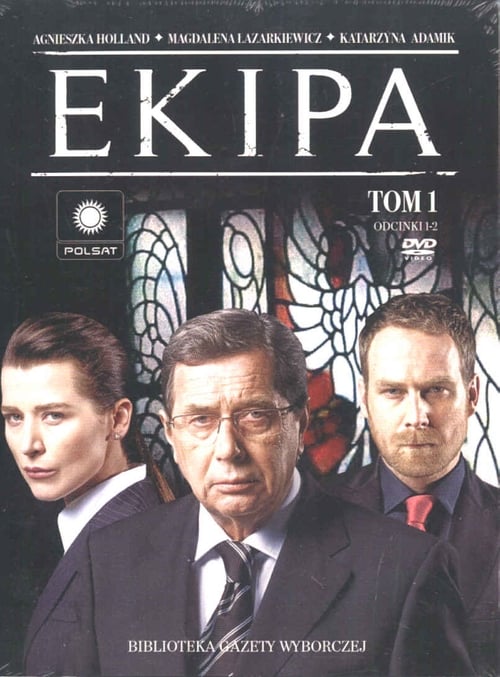
Ekipa is a Polish political drama TV series created and directed by Agnieszka Holland, aired from 13 September 2007 until 6 December 2007 on Polsat. Ekipa is the second Polish political fiction series after the 1980s miniseries The Career of Nicodemus Dyzma.
A celebrity journalist and a down-to-earth teacher find their relationship in rocky waters when a job gets in the way of their new life together.
Journalist Anna is trying to make a documentary about an opposition activist she met years ago.
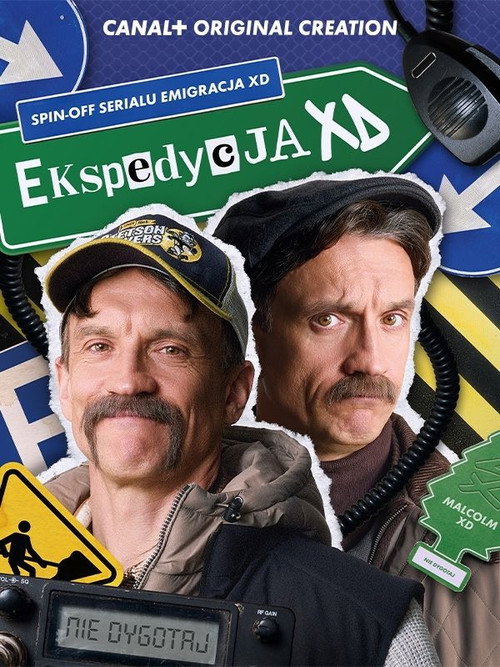
After returning to Poland, Wojtek makes peace with his brother Zbyszek. Together, they decide to reclaim the family inheritance that their cunning aunt had taken over years ago. They are helped in carrying out their plan by Szuki, Wano, and Jola, as well as Zbyszek’s friends from work—professional drivers.
The year is 1989, and the country's first free elections in a long time are approaching. A man in a cycling cap organizes a chain of clean hands, using it as a tool in his election campaign. In the queue outside the passport office, people chat, make plans, and ponder what's worth selling abroad. Writers observe the world around them. One of them is applying for a passport. In Dzierżyński Square, the monument to Feliks Edmundowicz is being dismantled. Two drunk men sleep on a bench, and behind them is a sign reading: "All is well." The two writers observe the ongoing transformation of the political system.
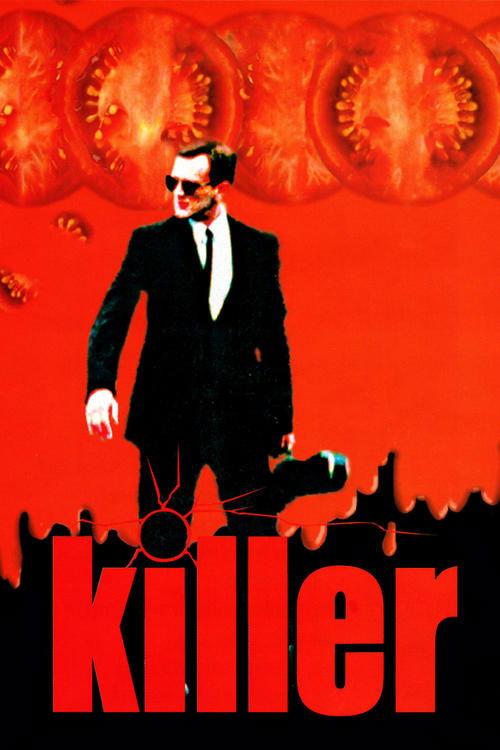
An innocent cab driver is mistaken for a contract killer and imprisoned. Soon, he is sprung by a mob boss who needs a "killer" for a few more jobs.
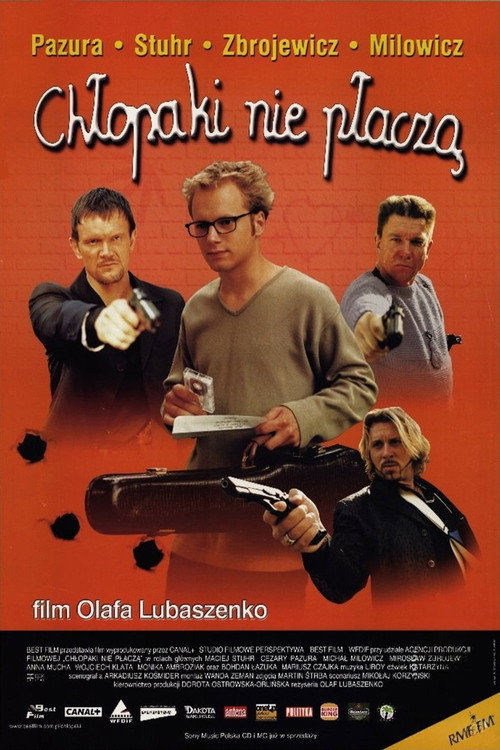
A young aspiring violinist unwittingly becomes involved with a criminal gang.
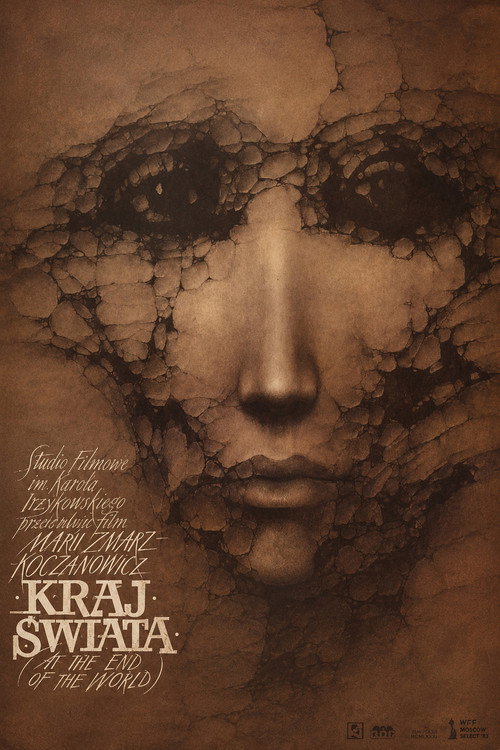
Searching for his family roots, aged German pensioner Hugo Schmidt arrives with his grandson in a village in the Mazury region. The house where he was born is now inhabited by a poor Polish family, resettlers from across the Bug River, not very concerned with keeping the farmhouse in order.
An adaptation of Edmund Niziurski’s novel of the same title.