Directing
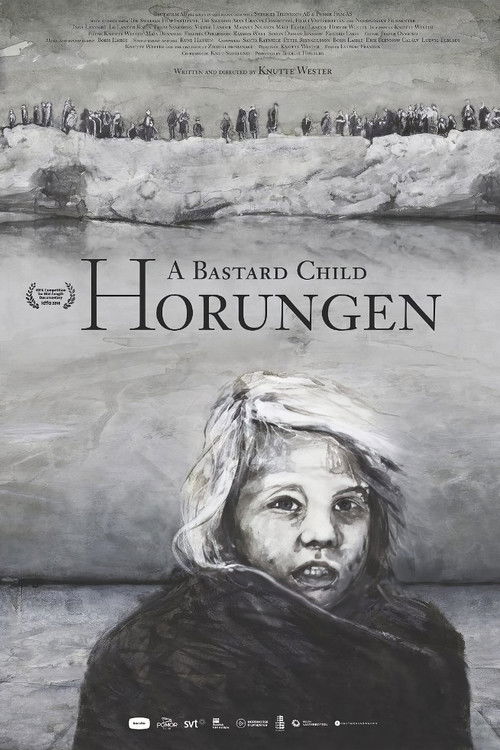
In 1909, in an undemocratic Sweden, a bastard child is born and given the name of Hervor. Her mother is unmarried, due to which she is called a "whore' and is driven from her home. Hervor grows up at shelters and orphanages, unwanted, rejected by society. As an adult she spends her life struggling for social justice. In old age she tells us her story. Director Knutte Wester brings his grandmother's memories to life thought hand-painted animated images and has us witness someone being rejected in order to unite others. A story that all too often still repeating itself.
No description available.
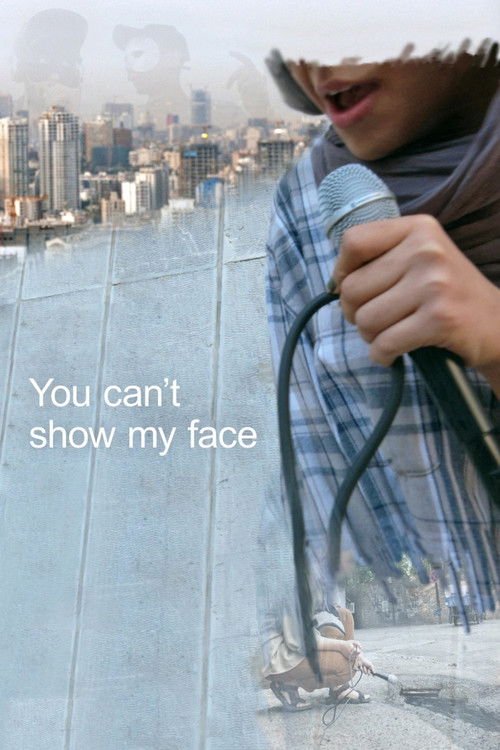
The sound of the streets of Teheran is transformed into forbidden beats, people sing and young women and men rhyme their inner feelings. They tell us about a society that rejects them, streets belonging to the government and a vision of a utopia within creativity. Street salesmen and pedestrians form an imaginary choir of the streets, backing up the youth, suggesting the public space should belong to the public. The narrative is captured in a circular chronology in a single day, from dawn to dawn.
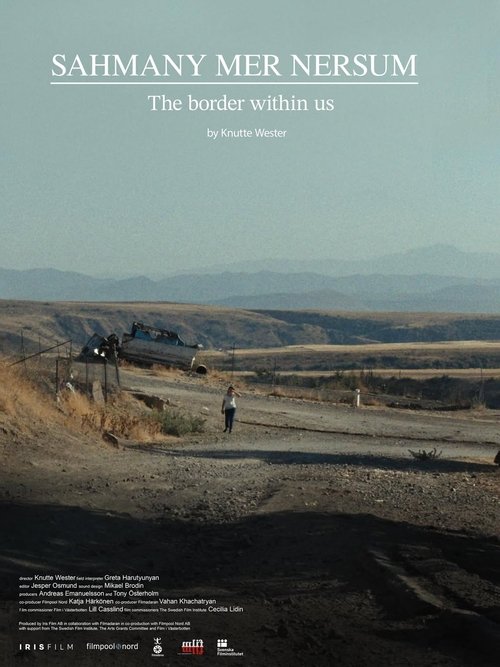
A hitchhike along a new border in southeastern Armenia becomes a journey within a human landscape. People try to show us the border and share stories of how it affects their lives. They sing about the soil on the other side and mourn what has been lost. This was once an area where people of different groups lived together, but wars and forced migrations have transformed a “we” into “us and them”. The border is very real and impossible to cross. But it is abstract and invisible in the landscape. Where is it? Is it inside us?
I once lived in a country in transformation. The dictatorship had fallen and left behind a void, a wounded city with wounded houses and wounded people trying to rise up. I started in the mornings, before dawn. I recorded how the city awakened every day. I filmed homeless dogs that roamed around in the city in couples, always together. One morning something special happens. In a street crossing lies a dead dog. Its partner stands beside it, devastated. The living dog tries desperately to make contact with the people who pass, but no one seems to care. The dog gets increasingly desperate for help, but people just keep hurrying past.