Writing
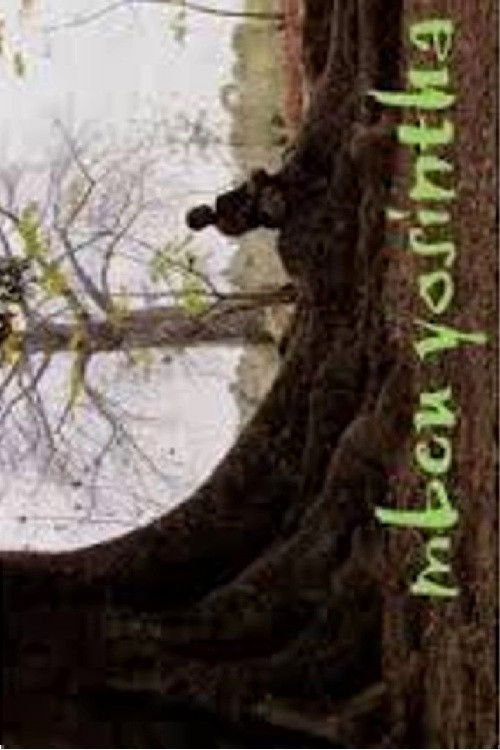
Mbeu Yosintha was made to help farmers and rural communities cope with the effects of climate change and in particular the ever changing rain patterns in South East Africa. The film is a drama using local actors and was devised with Malawian writer Jonathan Mbuna following extensive research with various agricultural NGOs in Malawi. Following successful drama like Mawa Langa this film has already been seen in Malawi by over 10,000 people in rural areas using a pedal-power cinema kit.
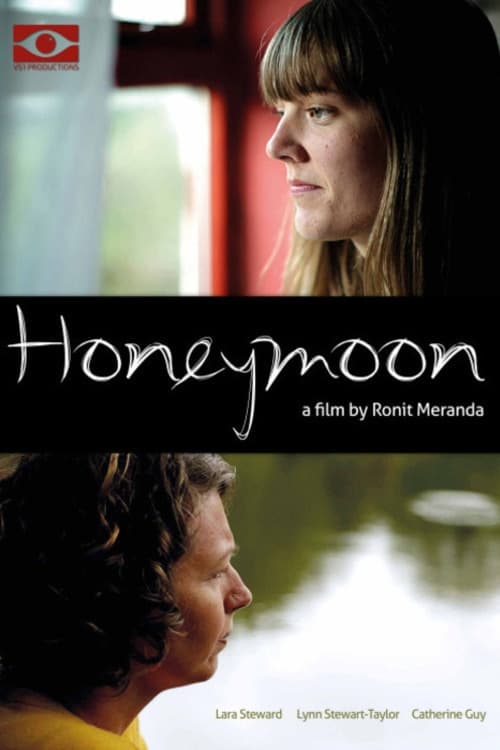
Lucy and Johanna are on their honeymoon. Johanna is partially, and Lucy profoundly, deaf. They arrive at a B&B where they are greeted by a sullen landlady. A seemingly insignificant disagreement silently turns into a hurtful argument, as the noise of the weir dominates the background.
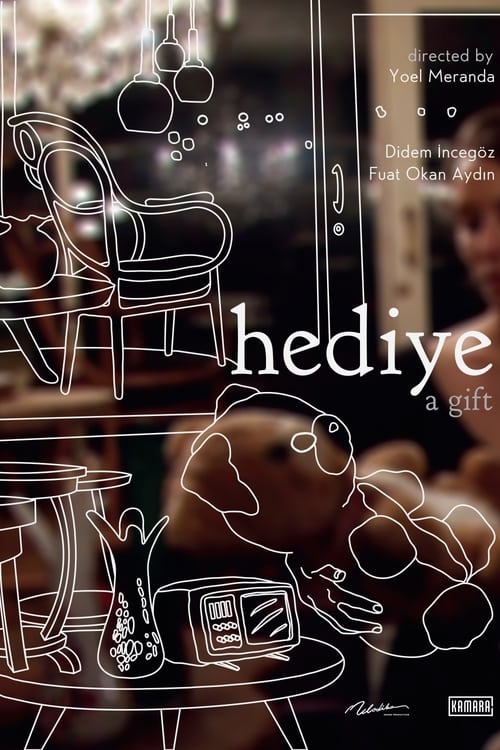
A woman walks into an antique shop to give away a teddy bear...
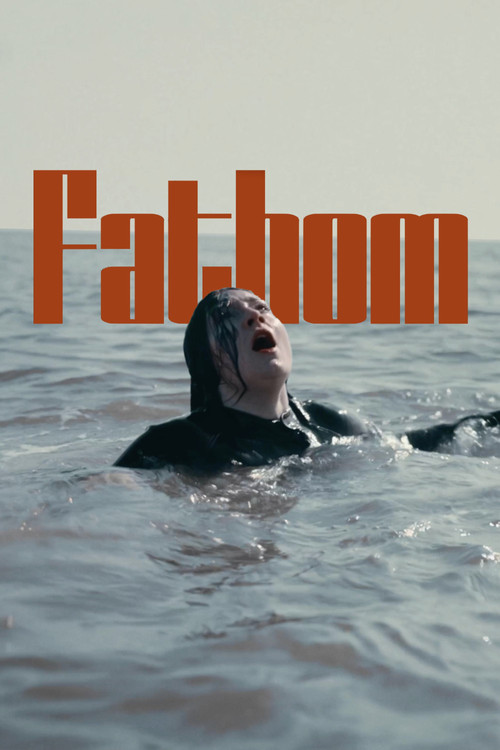
Desperate for work, an unemployed scuba diver must convince a burnt out recruiter to hire her for a dangerous job.
Witness and explore a whole range of emotions and desires in this series of stories about the lesbian experience. From rediscovering a lost parent in Israel, coming of age in rural Appalachia, finding love in friendship through meditation and imagination, to fending off the competition in a boot-making contest in New Mexico - what Upon Her Lips proves is that variety is the spice of life.
A short film by Ronit Meranda
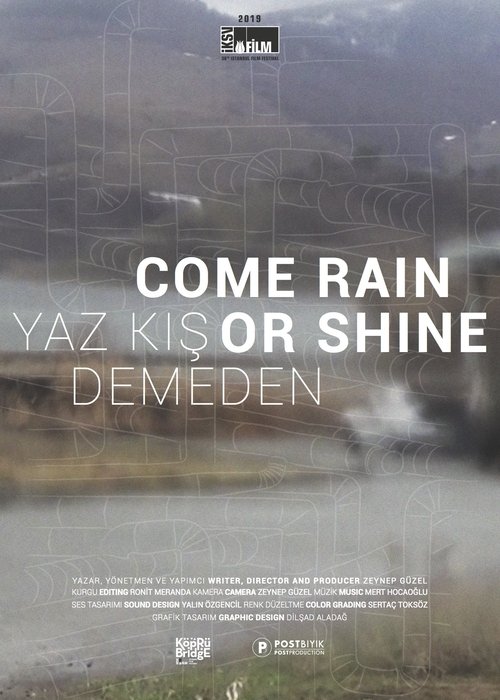
The filmmaker creates the narrative of the questioning journeys made to Armenia from Turkey, reexamining the heritage of trauma, loss and belonging in the unique beauty of contemporary Armenia’s deindustrialized cities. Despite language and national divides, she connects with Ashot and Karine who steadfastly bare their struggles, becoming her chosen family as she searches for the past and finds revealing attachments to the foreign yet familiar country. In her poem-like letters, she surmises the meaning of the past, foothold in an uncertain present and a firm, even hopeful resolve for the future.
We meet Carol, sweating and frightened, sitting alone in a chair as she listens to her tormentor. Debbie tells Carol the awful things she's going to do to her, as Carol sits frozen in terror. But in a flash, we realise this isn't the situation we thought it was. It's something far more awkward.