Marc Silver
Directing
Biography
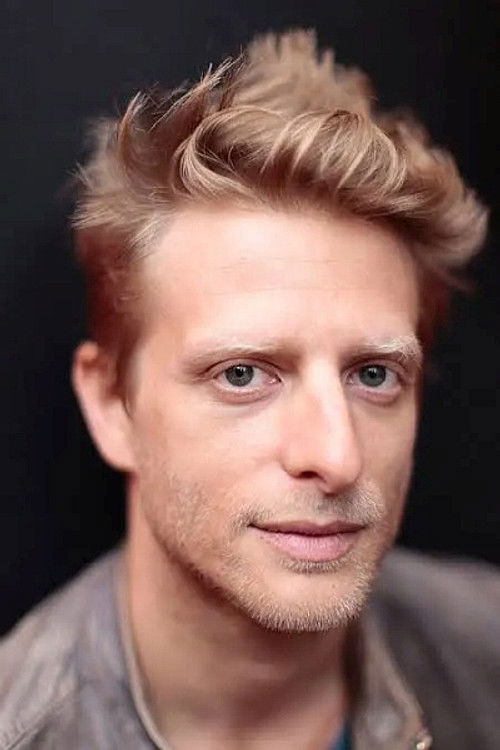
Marc Silver is a British filmmaker. He is known for directing Who is Dayani Cristal?, featuring Gael García Bernal, which won a cinematography award at the 2013 Sundance Film Festival, and 3/12 Minutes, 10 Bullets, which won a Special Jury Award at the 2015 Sundance Film Festival.

Known For

From a teenager's suburban bedroom to the boardrooms of Silicon Valley, this is a story of a heartbroken father's quest to uncover the truth behind his daughter's death and his fightback against how the most powerful corporations of the modern age operate.
Molly vs. THE MACHINES

No description available.
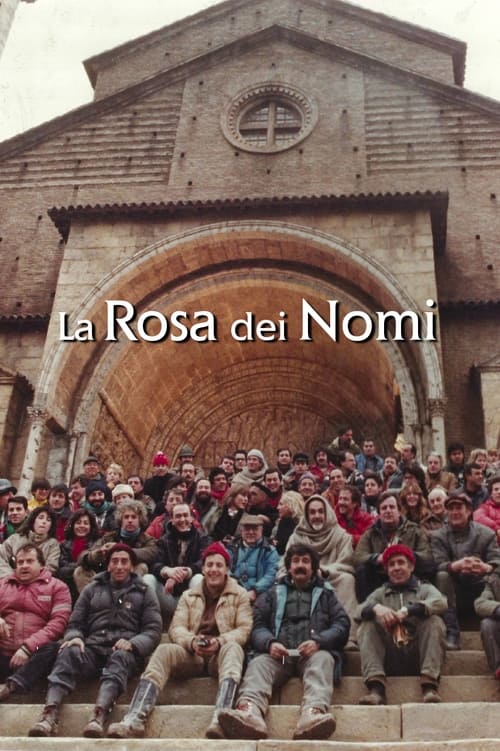
La rosa dei nomi

No description available.
Mi Selección Colombia

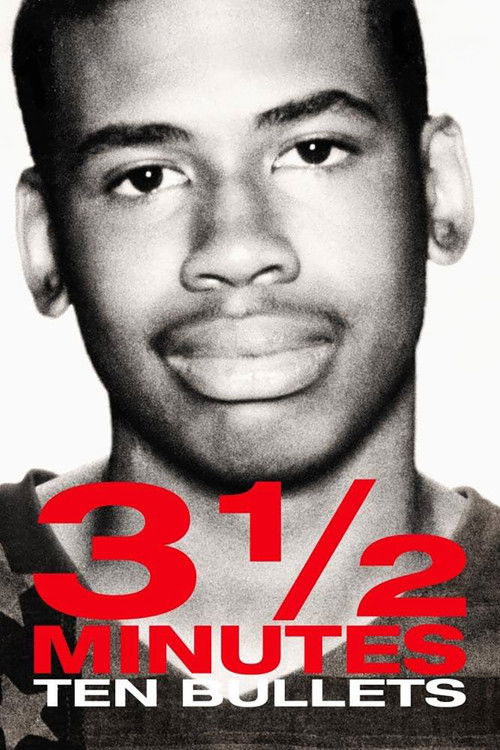
Black Friday, the day after Thanksgiving November 2012, four boys in a red SUV pull into a gas station after spending time at the mall buying sneakers and talking to girls. With music blaring, one boy exits the car and enters the store, a quick stop for a soda and a pack of gum. A man and a woman pull up next to the boys in the station, making a stop for a bottle of wine. The woman enters the store and an argument breaks out when the driver of the second car asks the boys to turn the music down. 3½ minutes and ten bullets later, one of the boys is dead. 3½ MINUTES dissects the aftermath of this fatal encounter.
3 ½ Minutes, 10 Bullets

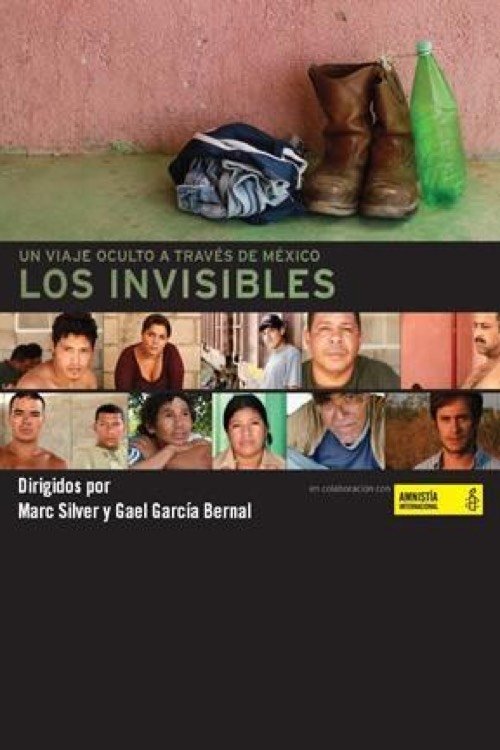
This short documentary reviews the lives and experiences of mexican and centroamerican migrants as they try to reach the US border.
Los Invisibles

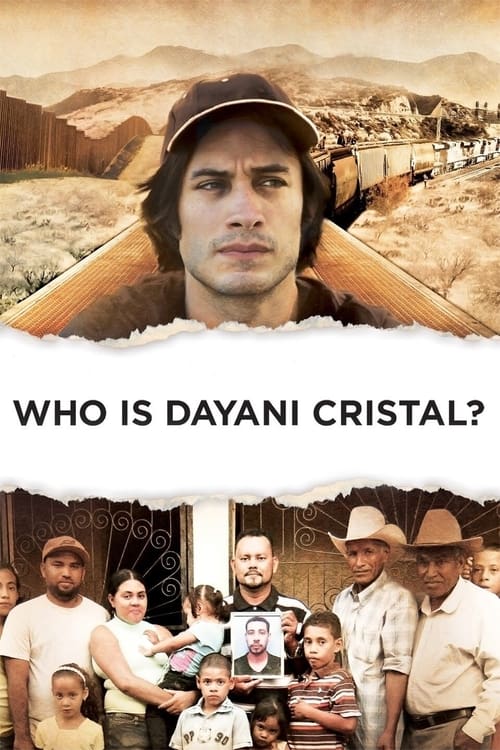
An anonymous body in the Arizona desert sparks the beginning of a real-life human drama. The search for identity leads us back across a continent to seek out the people left behind and the meaning of a mysterious tattoo.
Who Is Dayani Cristal?

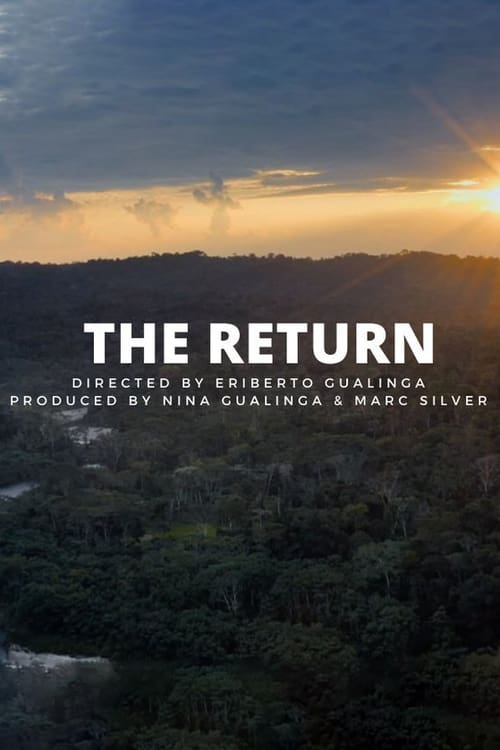
It’s spring in the Ecuadorian Amazon and the Uyantza festival is underway with the community celebrating all that the forest has to offer. Meanwhile, news is breaking around the world that a novel virus is spreading and a state of emergency is declared across the country. As people test positive for COVID-19 in the community, some families decide to leave and head deeper into the jungle. Disconnected from school, friends, the internet, and work, one family learns to reconnect with life in the forest. The children begin to unlearn the national curriculum, and instead are taught Indigenous knowledge that mainstream schools normally pass over. As COVID-19 wreaks havoc around the planet, the family reconnect to their ancestral ways, but as news arrives that Ecuador’s lockdown will end soon, will the family choose to return?
The Return

The conflict between the Colombian authorities and the marxist FARC guerrilla broke out in 1964, and in 2012 peace negotiations started behind closed doors in Cuba. Featuring unique access to central figures on both sides, To End a War tells the story of the war and the negotiations, focusing on the challenge of establishing peace in a country where the majority of the population has never known anything but war.
To End a War
This animated short film taps into the deep pain of the pandemic, experienced by millions of people all over the world. With no going back to the way it was before, it invites its audience to dream up new stories to help guide our way forward as a species. Tackling COVID-19 has shown us that we can act collectively to protect each other and it is possible to create a better future. It has shown us that we are capable of the kind of action needed to flatten the other curves but to do so requires bold vision and investing in an equitable future. We are determined not to give in to fear or to lose hope. Even in times of uncertainty, Amnesty will continue to call out human rights violations wherever we see them.
Breathe

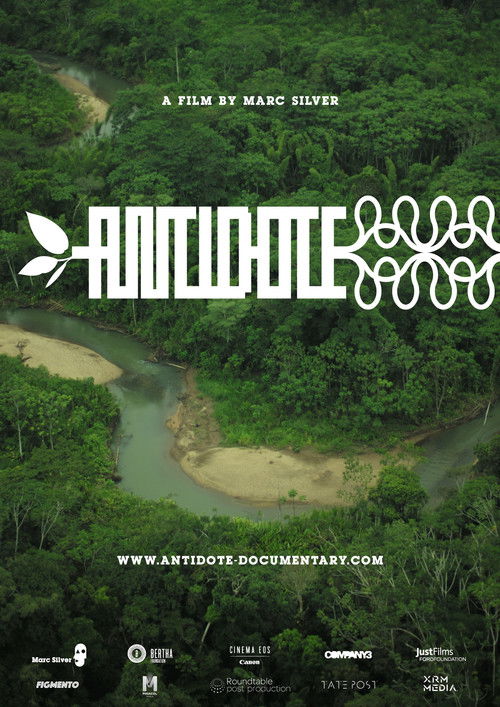
Antidote focuses on indigenous healers and their ancestral relationship to the Amazon rainforest, its spirit world and curing traditions. A group of foreigners arrive looking to recover from a variety of traumas. Using song, ceremony and ayahuasca, the most potent and transformative medicine of the Amazon, the healers begin their work. They reveal how ayahuasca both cures and guides the mind, but warn against a self centred approach to healing. Amazonian cultures have suffered at the hands of Western ideologies, individualism and extractive industries, and the film explores whether the commodification of this sacred plant is a new type of exploitation: spiritual extractivism. The foreigners learn that ayahuasca is medicine not just for individuals, but one that is used to heal history and the imagination – and humanity’s broken relationship with nature itself.