Acting
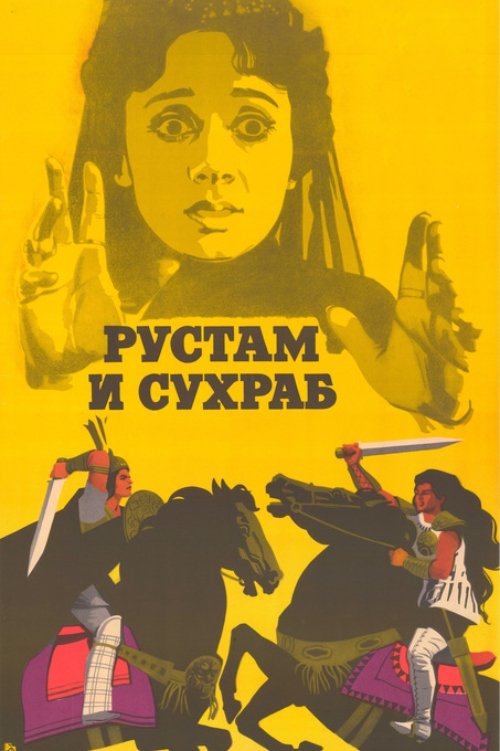
Based on the famous story from the epic Shahnameh.
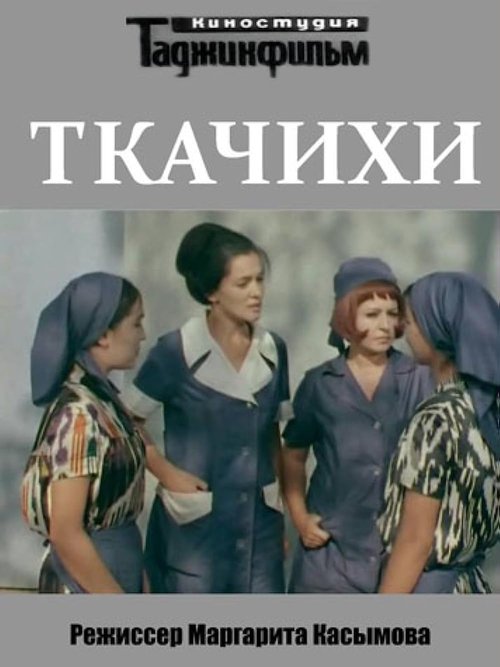
About the life and loves of Tajik woman textile workers in the early ’70s USSR.
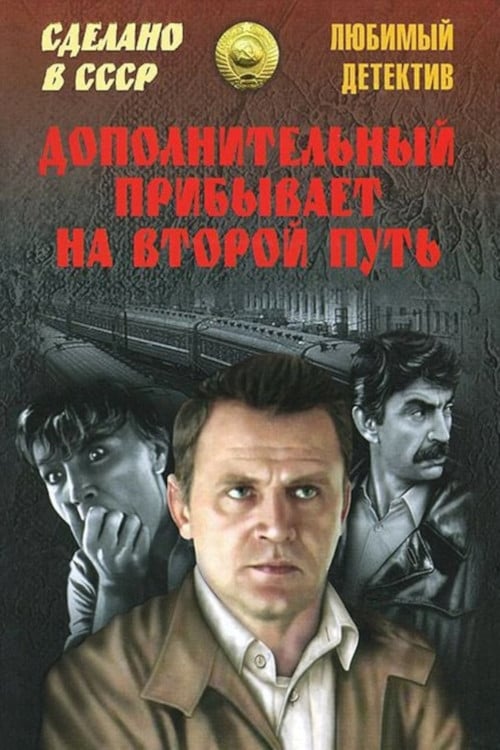
In the vestibule of one of the train cars Moscow-Dushanbe found the corpse of the passenger. Two random travelers - police officers Denisov and Kurbanov - have to conduct their investigation in very difficult conditions...
No description available.
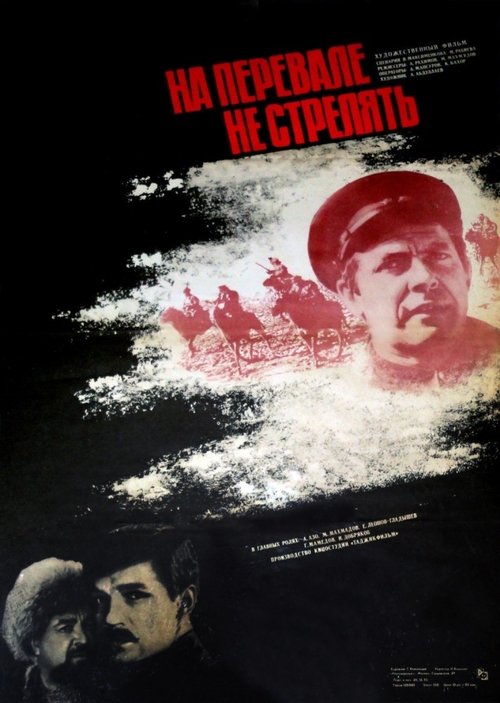
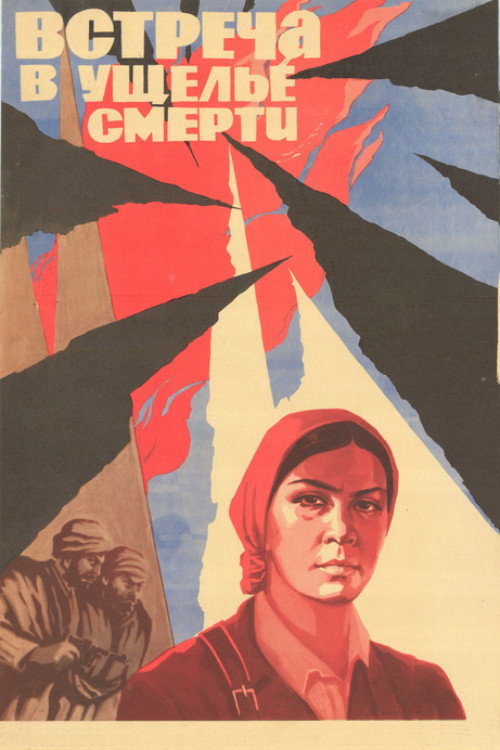
One of the mountain passes of Tajikistan, which is an important strategic object, is controlled by the Basmati detachment of Kurbashi Kerim Dodho, who is respected by the people. The head of the OGPU Paramonov, in order to avoid bloodshed, convinces Kurbashi of the expediency of holding peace talks. However, the counterrevolutionary group, which has its own people in the militia units, is trying to interfere with the negotiations between Paramonov and Dodho, a Bolshevik sympathizer.
Ahmad Donish, a scholar and educator, an outstanding Tajik writer and thinker of the 19th century, envoy of the Bukhara Emirate to Russia, who did much to bring the Russian and Tajik peoples closer together and to introduce progressive democratic ideas to Central Asia—the authors dedicate this film to him.
About the traveling actors of Tajikistan and its first theaters in the twenties.
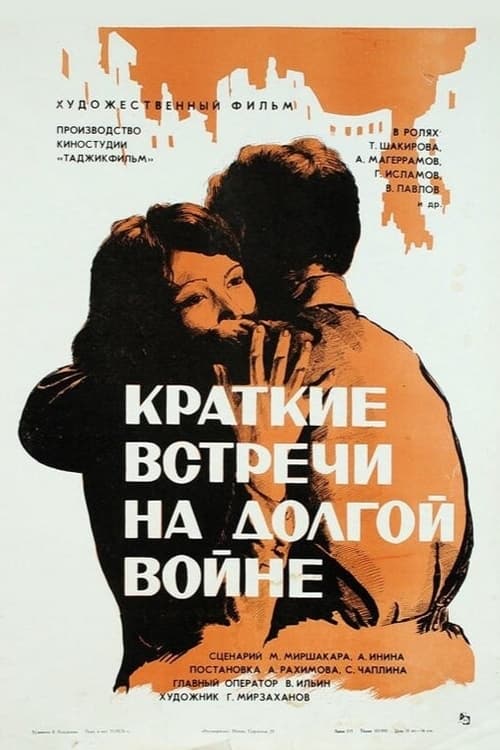
A poignant reminiscence of the love story between the poet Rustam and the young pilot Gulshod, who tragically died during the Great Patriotic War, heroically performing an aerial ramming maneuver.
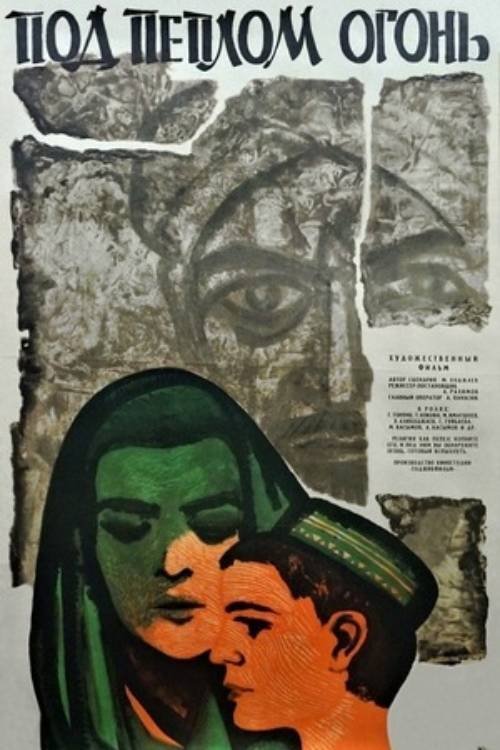
The film tells about the encounter with religious prejudice in our day.
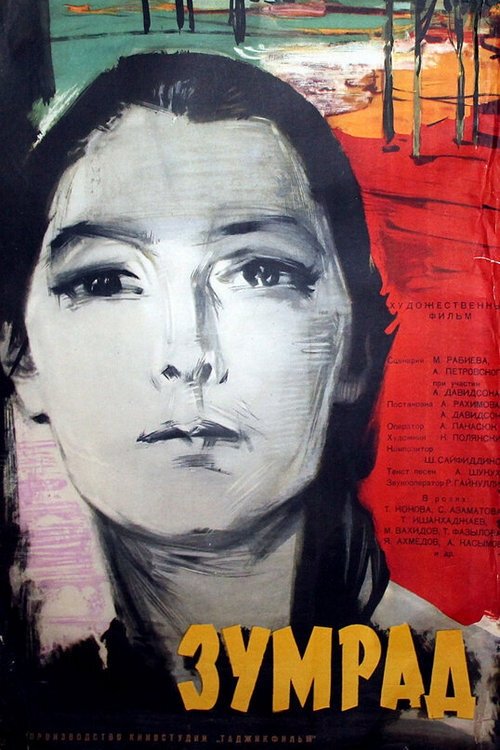
After graduating from school in his native village, Zumrad goes to Dushanbe to continue his studies at the institute. Soon she becomes the wife of a young professor Kadyrov. But her feudal husband wanted to lock her up in four walls, forced her to leave the institute. And after the birth of his daughter (and not his son), he became rude, insulted and beat his wife. Zumrad left him. After transferring to the correspondence department, she returned to the village. Not everyone welcomed the woman who arrived with a child without a husband. But kind people helped. Zumrad became a foreman, gained authority. She fell in love with her childhood friend Jalil, and he also reciprocates her feelings.
On the eve of 1917 in Turkestan, the son of a Tajik landowner, Kamol Abdullaev, is preparing to marry the daughter of a Russian general, Olga Poddubtseva…
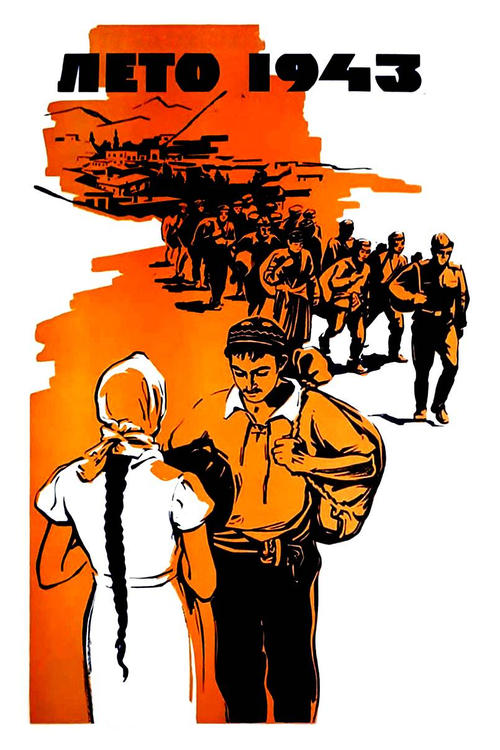
Summer 1943. Tajikistan. The front line is very far away, but the war also affects here - trains of the evacuated and wounded arrive here, and trains of recruits go to the front. Home life is also difficult, the selfless work of women and children for the needs of the front, in need of everything, in basic things in a peaceful life, the scarcity and high cost of products in the markets
Based on the work of the same name by Timur Zulfikarov about the adventures of the famous hero of Oriental fairy tales Khoja Nasreddin.
The Russian guys - Viktor, Masha, and Zhorik - arrived in distant Dushanbe on Komsomol vouchers. Tajikistan became their second homeland, and in the wonderful people Guliam, Alim, and Aziz, they found like-minded individuals. They had to endure many difficulties. But no matter how hard it was, they did not back down and did not lose faith in their just cause.
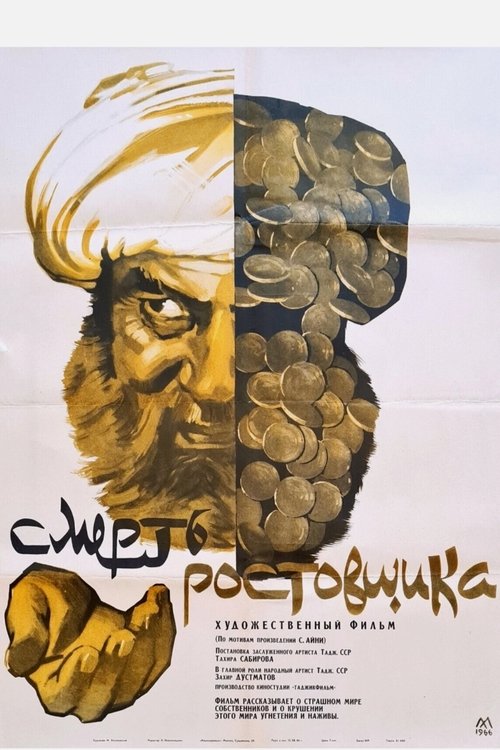
The film portrays with exceptional psychological depth the image of the miser Cory Ishkamba, a disgusting money-grubber and exploiter, a hypocrite and a hypocrite, whose name has become a household name.
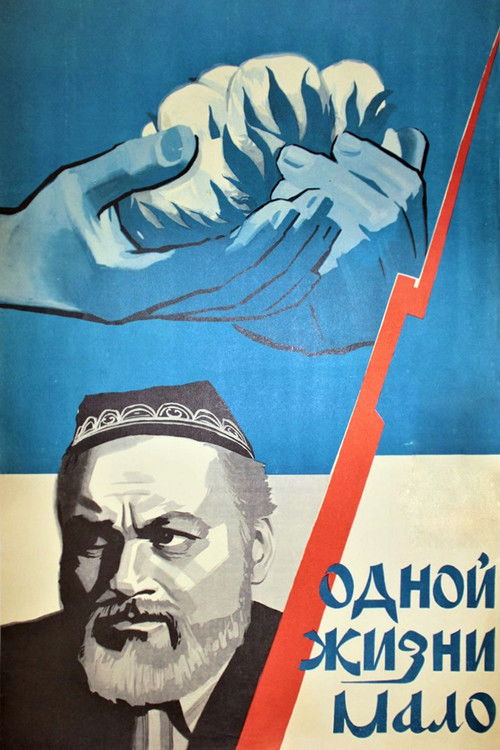
The Chairman of the collective farm Sattar Safarov devoted many years to growing cotton. But a new time is coming, and with it another generation of cotton growers. Among them is Safarov's son, a young scientist Murad, who bred an original variety of cotton and wants to sow it in the fields of his native collective farm. Safarov does not dare to experiment. Murad quarrels with his father, but then realizes that he is right. After a while, Murad has the idea of searching for new varieties using a computer. With his friends, the teacher Yamschikov and cyberneticist Timur, Murad begins to make the first experiments…
The film is set during the Civil War. The Red Army, with the support of the people, is fighting the Basmachi band led by Kurbashi Rajabbek.