Directing
Before the Premiere of Helen's opera performance, Helen learns that her mother is at the hospital. Her dresser Joanna accompanies her. Will this visit clarify their ambiguous relationship?
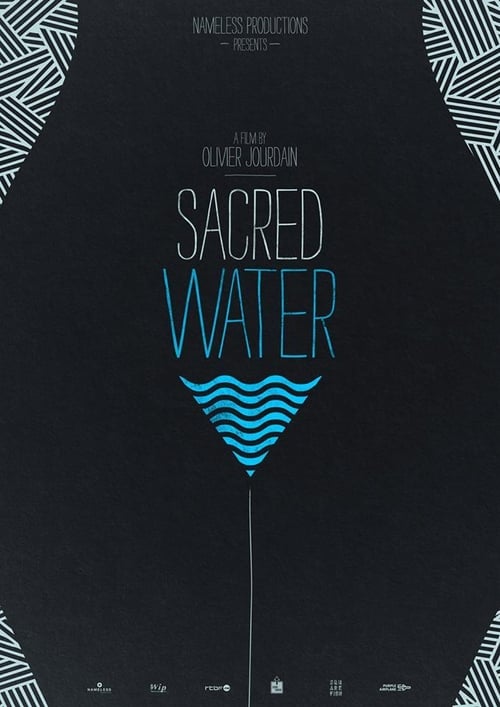
Sacred Water is a film about female ejaculation and the discussions around it.
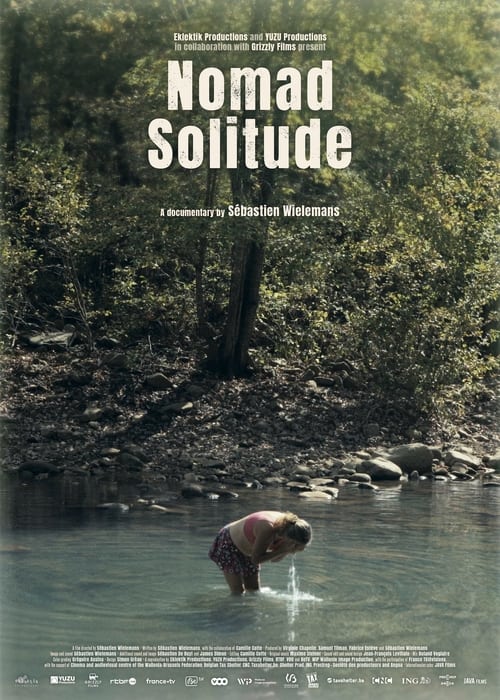
In their vehicle, Laurie, Kristy and Linda live alone on the American roads. Like thousands of modern American nomads who can no longer afford to pay for their housing. With no money to spare, these three sixty-year old women are fleeing, in their own way, a part of their history that has left a deep mark on them. Driving away, they try to regain some form of peace. But as the miles and seasons pass, despite their impressive temerity and resilience, their quest for a better future is challenged by unexpected events that hit a country in crisis. Will they nevertheless manage, at the end of the road, to find the serenity they are looking for, in order to become someone again?
In March 2020, a Brussels collective of directors began discussions on Skype with eight front-line caregivers, mobilized in the face of the Covid pandemic. As the months go by, speech becomes freer. Weakened, these workers share their commitment, their suffering, their fight. The more the wear and tear is felt, the more the film highlights a failing care system.
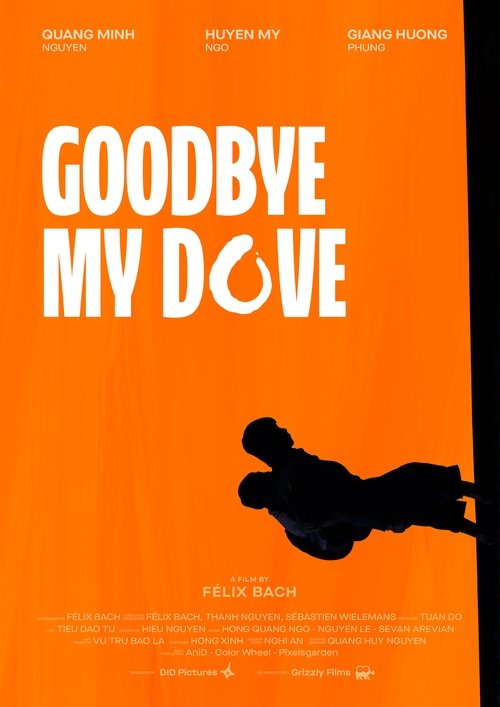
Northern Vietnam early 1970s, yearning for their mother, Lộc and Tiên flee the evacuated area to return to Hanoi, in search of a family reunion.
In his first feature-length documentary, filmmaker Sébastien Wielemans heads into the Sahel Desert in Niger and immerses himself in the world of the Tuareg, a traditional nomadic people. Wielemans does not travel along with the different tribes, but focuses his inquisitive camera on a small store in the desert. On a micro level, this meeting place constitutes a socio-economic gauge of the Tuareg's living conditions and manners. At the same time, it is the reflection of some tribesmen's underlying desire to abandon their wandering existence. Owing to a combination of stills that momentarily freeze a couple of tribesman and loosely shot images of meetings, anticipated or not, Tchissète, le miroir Tuareg transcends the common ethnographic documentary. With philosophical reflections on the influence of his camera lens on both subjects and filmmakers, the young director explores the cinematic language.