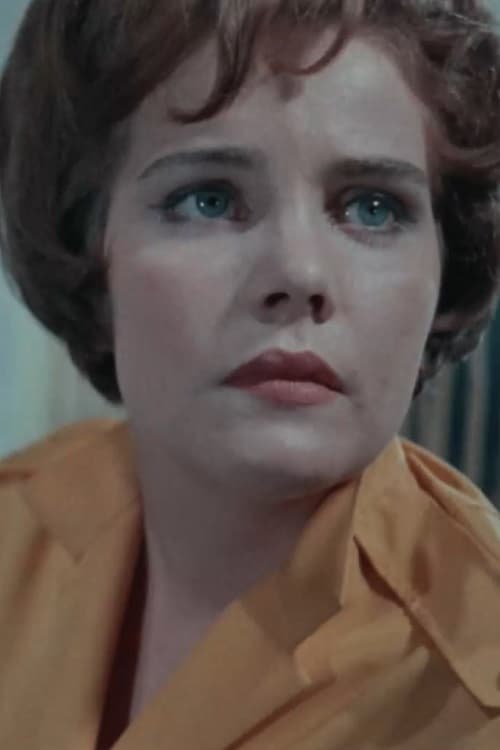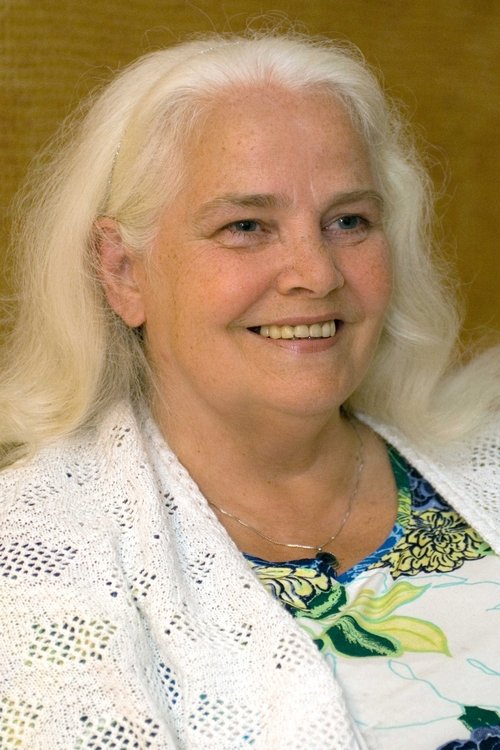
Viiu Härm
Acting
Biography
Viiu Härm (born July 3, 1944) is an Estonian poet, author, photographer, translator, and former actress. Härm's career as an actress began as a teenager in the early 1960s. After appearing onstage and in several films, she retired from acting in the early 1970s to focus on writing.
Known For

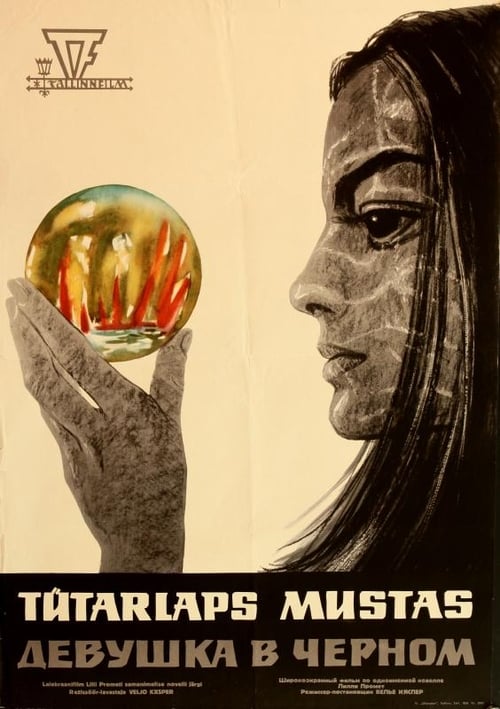
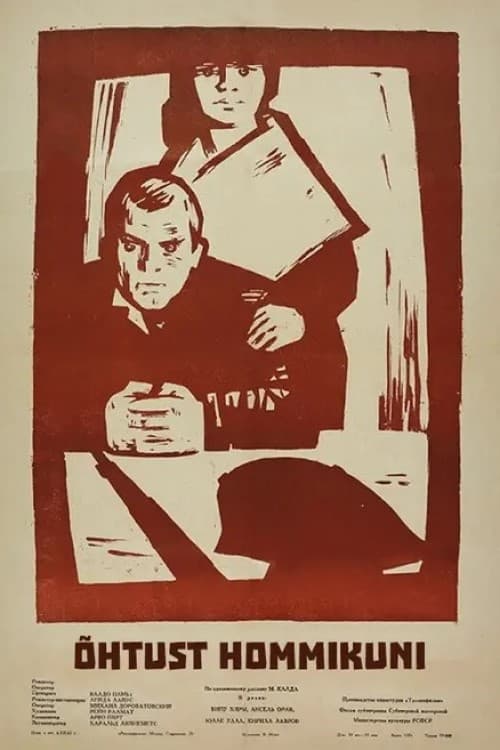
Young Saale, the girl in black with her small suitcase, comes to live with her aunt in a fishermen's village. Her only precious thing is a glass ball that is a memory of her mother whose death has left Saale alone in the world. She has been repelled and humiliated, so she is not expecting anything good to come from people. For her surprise, young fisherman Tanel is ready to walk with her by the sea even if they won't speak a word. He doesn't think Saale is strange and he won't ridicule her for her religious views. Slowly, Saale opens up for the bright sides of earthly life.
Girl in Black

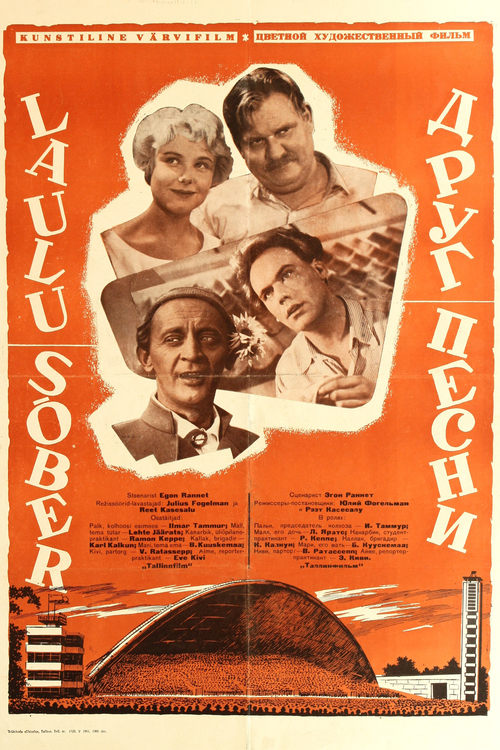
Tõnu, student of agronomy, is a trainee at a flourishing collective farm. He finds out that there are many talented singers there among whom there is Malle with a specially beautiful voice. However, the local community club is closed and the singing ground has been turned into a pasture. Malle's father is the manager of the collective farm and considers singing a waste of time. When the collective farmers hear about Tõnu's conducting skills, they will act against the manager's will. The big song festival is going to be held soon and people want to go there. Preparations of the choir go well; however, the manager of the collective farm gives no permission to take part in the festival. Singers are losing their hope, but then comes a helping hand.
Laulu sõber

A man and a woman are trying to solve a problem that is crucial to their relationship, but their ideas and beliefs have a different vision.
Hills Like White Elephants

During the German occupation of Estonia a young mother finds a Red Army soldier hiding in the hay in her barn.
From Evening Till Morning

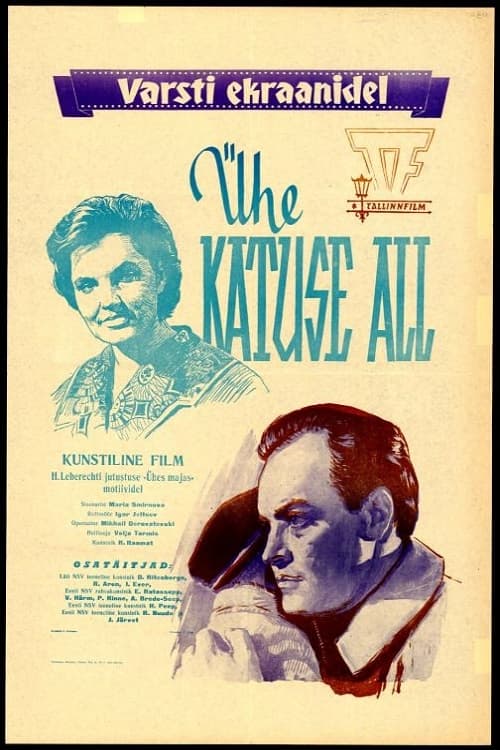
Mari has successfully led a collective farm in 1950s and fulfilled all tasks given from the authorities. Nonetheless, things in the collective farm become progressively worse. The Committee of the Communist Party sends its representative Peeter who learns that Mari acts as a tyrant for the local people. She has to resign during the elections of the new manager. Being without authority has a damaging effect on her so she starts to regain her position with the help of her old stalinist tricks.
Under the Same Roof

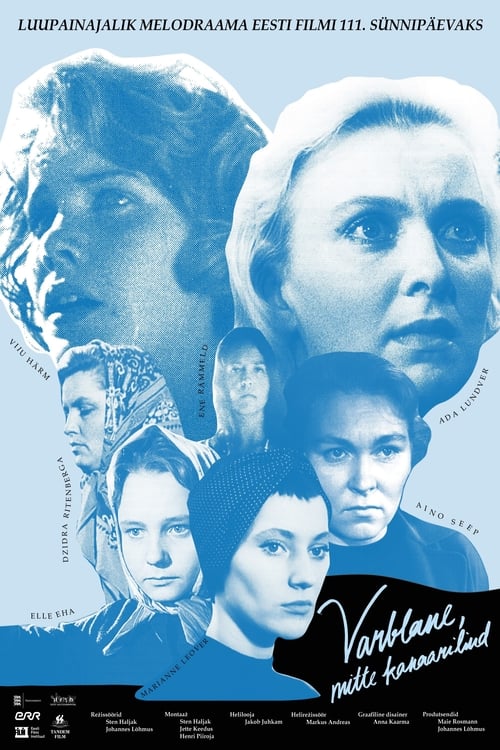
A housewife confronts situations to which no sane response exists... “Madwomen: To Be a Sparrow Not a Canary” is an experimental found footage melodrama composed entirely out of film footage shot in Soviet Estonia from 1960 until 1969. An experimental collage creating an alternative narrative to the storylines in the animations, documentaries and feature films of that time period.