Grant Crabtree
Directing
Known For

An introduction to the employment picture in Canada in the late 1950s, designed to inform potential immigrants of job opportunities existing for women. The film reviews many fields of work in which women are engaged, ranging from the highly specialized to the unskilled, and shows much of it being performed by women who have come to Canada from many different lands. Placement services and information services established to help newly arrived immigrants are shown in operation. Viewed from a modern perspective, the greater part of the film accepts as normal the waste of women's talents in repetitive or service jobs while elevating this work to the status of a career. Currently distributed only in 13-minute abridged form.
Women at Work
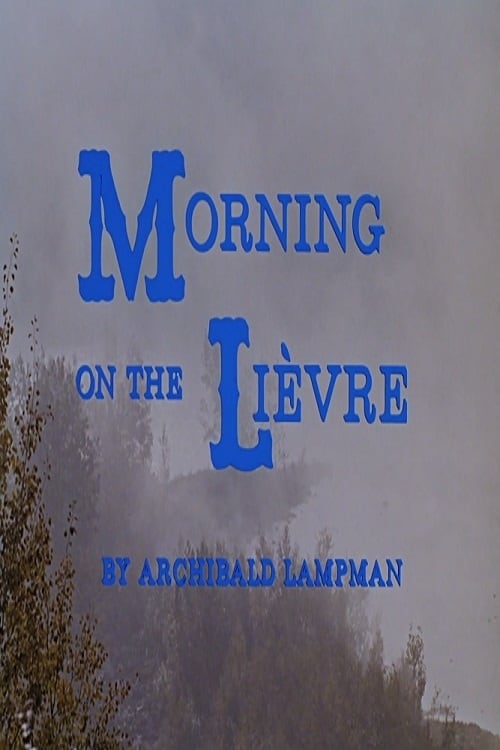
This short film offers a picturesque tour through the maple-wooded hills alongside Québec's Lièvre River in autumn to the accompaniment of acclaimed poet Archibald Lampman’s poem Morning on the Lièvre. Trees are ablaze with colour, and their splendor is reflected in the mirrored surfaces of the water, offering a glimpse of the landscape Lampman knew so well through the poet’s eyes and words. Lampman’s poem is read by broadcaster and poet George Whalley, with accompanying score by composer Eldon Rathburn.
Morning on the Lièvre
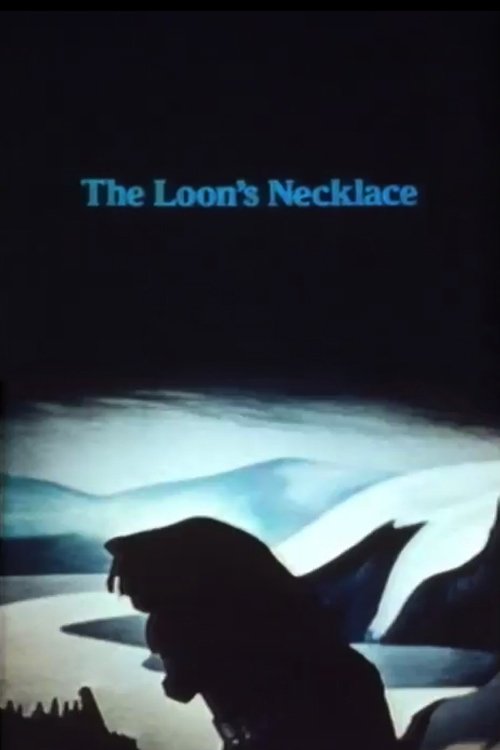
The Tsimshian legend of a blind old medicine man and the origin of the distinctive white pattern on the neck of the loon.
The Loon's Necklace
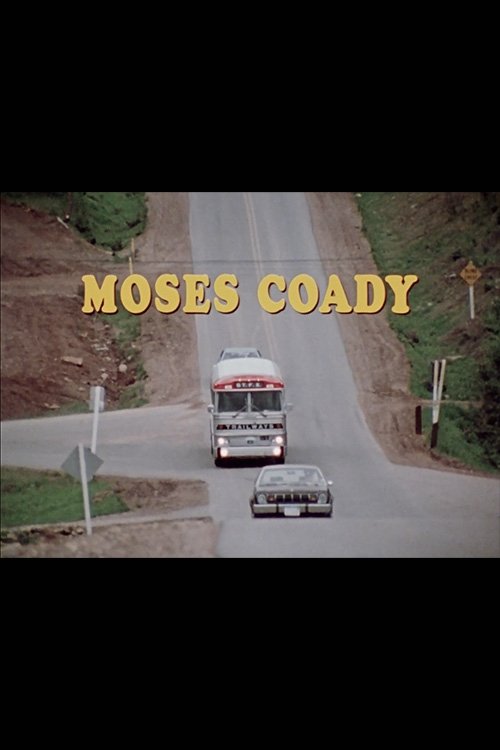
The film is about Moses Coady, who was called many things in his lifetime, but who proved to be the most effective social reformer Canada has known. He went into the villages, organized the people into study groups, helped them set up credit unions and co-operatives, and freed them from the semi-feudal conditions they lived in. Today, people from all over the world come to study his methods at the Coady International Institute in Antigonish, Nova Scotia. (NFB)
Moses Coady
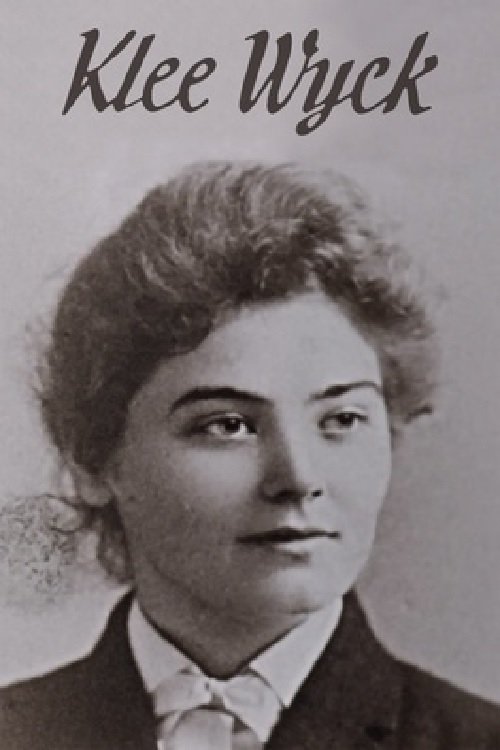
This short documentary from the Canadian Artists series presents the art of Emily Carr, the Canadian painter who found exciting subject matter on British Columbia's Pacific Coast, with its giant trees and its Indigenous villages, totems and carvings. When Carr visited the Ucluelet Indian Reserve on Vancouver Island in 1898, the Nuu-chah-nulth people gave her the name Klee Wyck, meaning “Laughing One.” Her canvases are shown here amidst the landscapes and places where they were painted.
Klee Wyck

Ukrainian communities of the Canadian prairies still follow the Julian calendar and celebrate Christmas on the seventh of January. Traditional foods are prepared for the holy Christmas Eve supper, eaten when the first star of the evening appears. Then traditional carols and light-hearted dances in gay costume continue the festivities. In striking contrast, on Christmas Day the Ukrainians gather at the Greek Orthodox church to worship in a solemn service with ancient ritual.
Ukrainian Winter Holidays
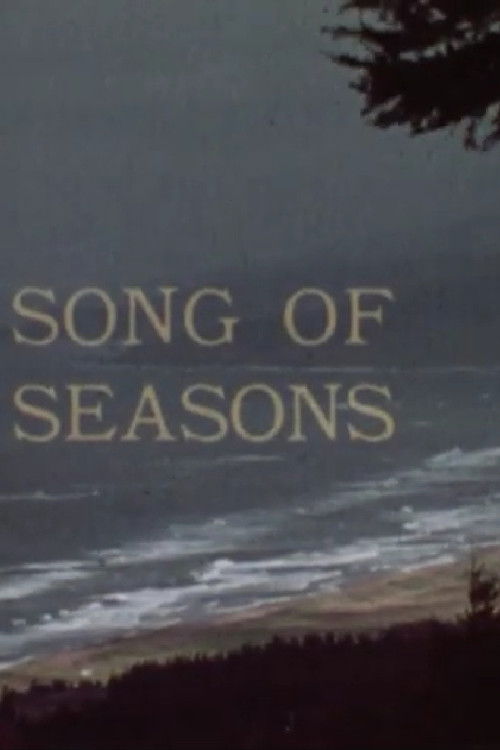
An exploration of the changing seasons and changes in the way of life on Cape Breton Island, Song of Seasons was filmed and written by Grant Crabtree. Commissioned by DEVCO, a narrative of the film centres around the importation of sheep from Scotland to Cape Breton as part of a community economic development initiative undertaken by the corporation.
Song of Seasons
The Chinese long ago used porcelain tokens and Indigenous Peoples used wampum as legal tender, but today's currency is generally made of three metals - silver, copper, nickel. Modern processes were filmed at Sudbury and the Royal Mint, Ottawa.