Editing
August, 1980. Evandro Carreira, a Brazilian senator leaves his party's office in Manaus to visit his constituents in the state of Amazonas. Interviews with farmhands, loggers, explorer Paulo Lucena, Brazilian and Peruvian Indians and a representative of the National Indian Foundation (Funai) were recorded from the city of Benjamin Constant to the village of Cavalo Cocho. A visit to the indigenous village of the Ticunas and the lands of the Maiuruna people culminate with an interview and the actions of José Francisco da Cruz, a member of the Order of the Holy Cross. Throughout the trip, the economic potential of the Amazon and its problems (corruption in the indigenous policies and the pollution produced by factories) are shown.
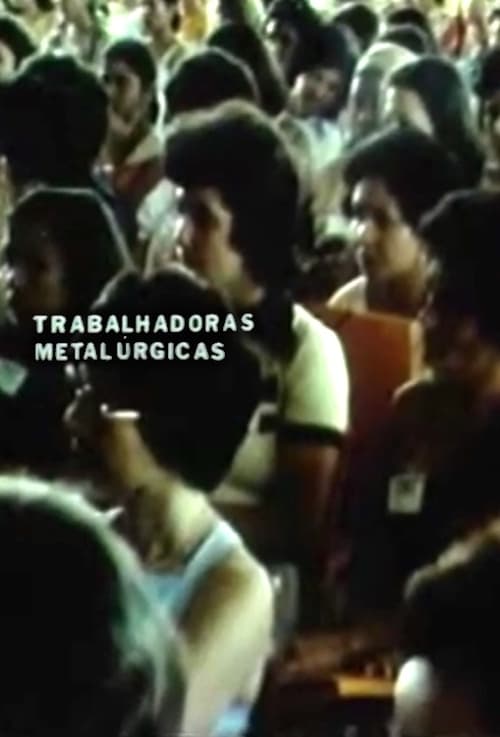
In the late seventies, a group of Brazilian documentary filmmakers traveled to the ABC region in the suburbs of São Paulo with the purpose of recording a wave of worker strikes taking place in response to the negligence of the increasingly powerful and abusive automotive industry. Documenting striking women metal workers, Olga Futemma and Renato Tapajós’ Trabalhadoras Metalúrgicas is a particularly vigorous work among the films produced during this moment in São Paulo worker history. Scenes filmed during the first Congress of Metallurgical Women of São Bernardo and Diadema in 1978 are intercut with images documenting the appalling working conditions against which the women featured in the congress were striking.
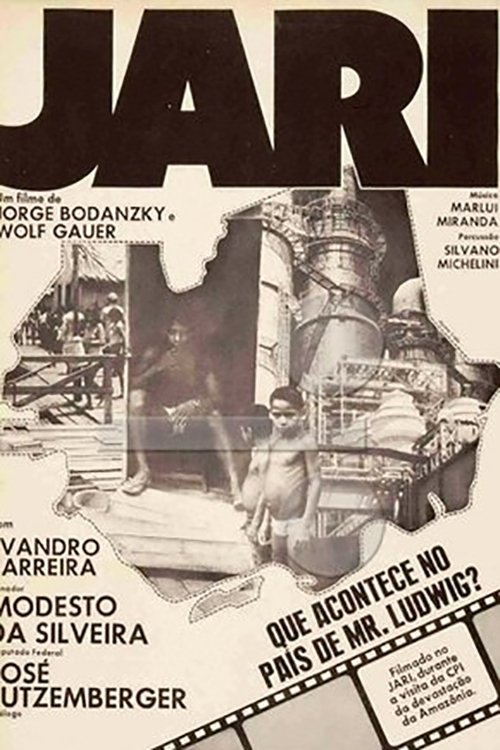
Documentary filmed in the Jari Project area – multinational enclave, located between Pará and the then Federal Territory of Amapá, on the occasion of the visit made to the Project by the Parliamentary Commission of Inquiry about the devastation of the Amazon. Jari is the largest known land occupation in the Amazon, and probably the largest in the world, to belong to a single owner, the American millionaire Daniel Keith Ludwig.
The woman interviewed in Meninas De Um Outro Tempo, who were born at the turn of the century and live in the same nursing home, open up to filmmaker Maria Inês Villares about sex, loneliness and their dead husbands. Villares’s connection to the home is only revealed, obliquely, towards the end of the film. In her words, the film is "a reflection on life when there is little of it left".
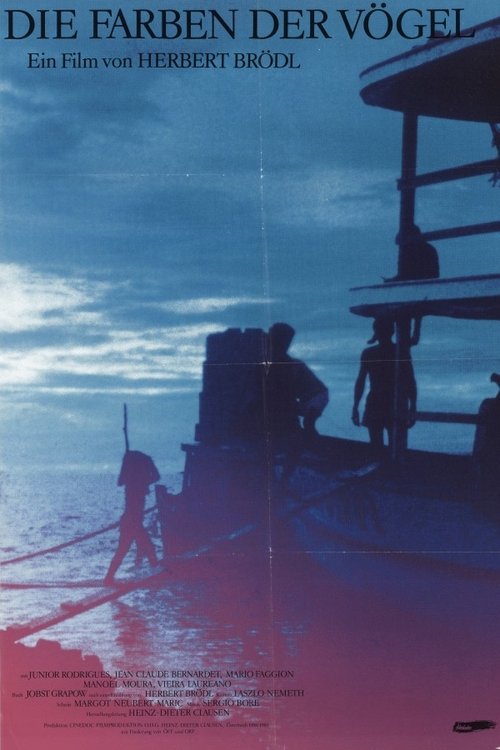
The scientist Udo Gierer is on the trail of Theodor Koch-Grünberg, the famous Amazon researcher at the beginning of our century. While traveling on a river steamboat, he meets and becomes friends with 14 year old José Junior. He takes José with him on a flight over the rain forest and tells the boy about the importance of the Amazon as the lung of the world.
A bus tour to São Paulo’s touristic spots bumps into several strange people.
35mm, Color, 95min42seg, 2.624m, 24q, Eastmancolor
"Carandiru Women's Prison. An opportunity to talk about the freedom, loneliness and hope of women who, although incarcerated, keep their dreams alive." Adopting the semi-open prison regime, a penitentiary in São Paulo allows inmates to work outside. According to the psychologists of the establishment - who during the film talk about the scientific level and the practical results of their work - this system is seen and developed as a fair achievement of the inmates and not as a privilege, gradually ensuring their social reintegration. In their testimonies, the inmates expose the problems they face on the outside in the face of a society that marginalizes them, even after they have served their full sentence. Stimulus Award from the São Paulo State Culture Secretariat, 1982.
No description available.
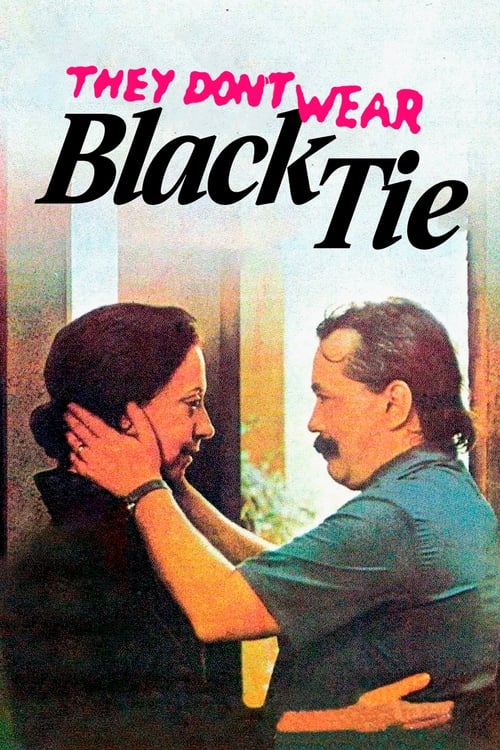
Otavio is an idealistic union leader trying to organize workers at a factory to resist the company's exploitative practices. His son, Tião, one of the employees, is more of a realist and doesn't want to risk losing his job by striking. This clash of perspectives puts the father and son at odds. Fortunately, Tião's mother, Romana, is on hand to act as a moderator between the two opinionated men.
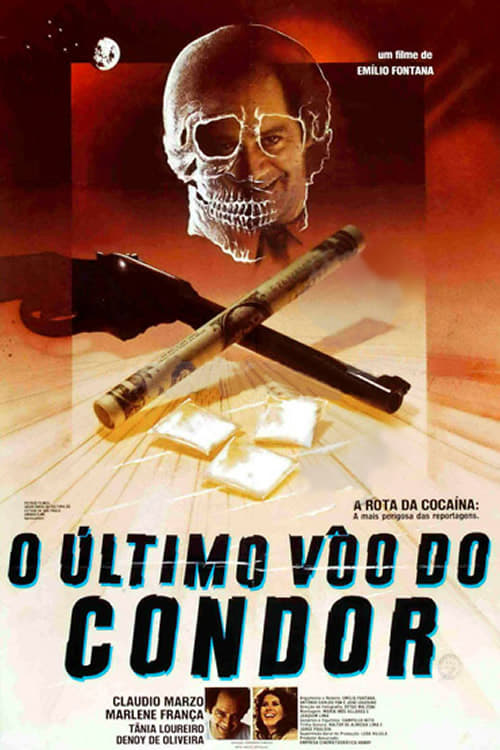
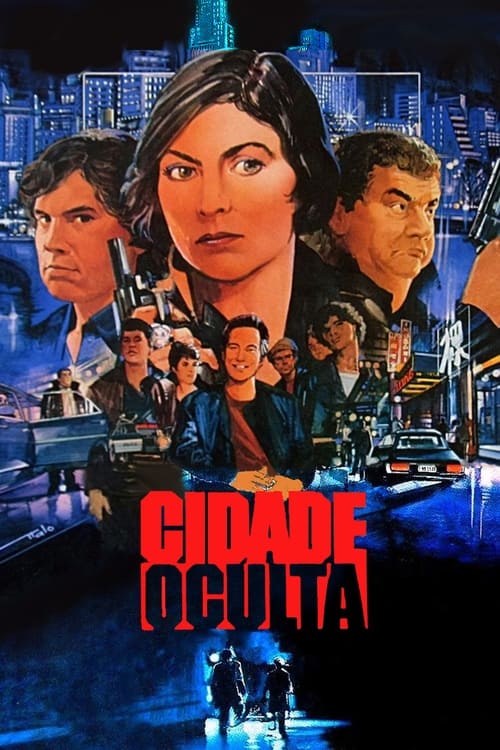
After seven years in jail, Anjo meets up with his former accomplice, now head of a criminal organization. The former detainee finds himself embroiled with an underworld star, Shirley Sombra, and finds enmity with a corrupt police officer.
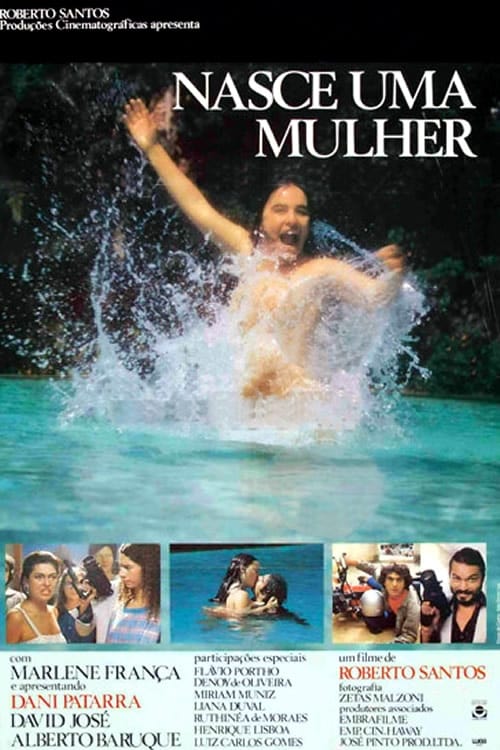
On Jo's birthday, her mother, and later, her father, discover that she is not a virgin anymore - she is taking pills. The birthday party turns into a complete mess, since Jo's mother can not hold herself and accuses her daughter in front of all guests of not being a child that everyone thought she still was. Jo rebels and leaves the house, and discovers that her boyfriend listened to everything and did not help her. She decides to leave him, and to start her life again. As a woman, now.
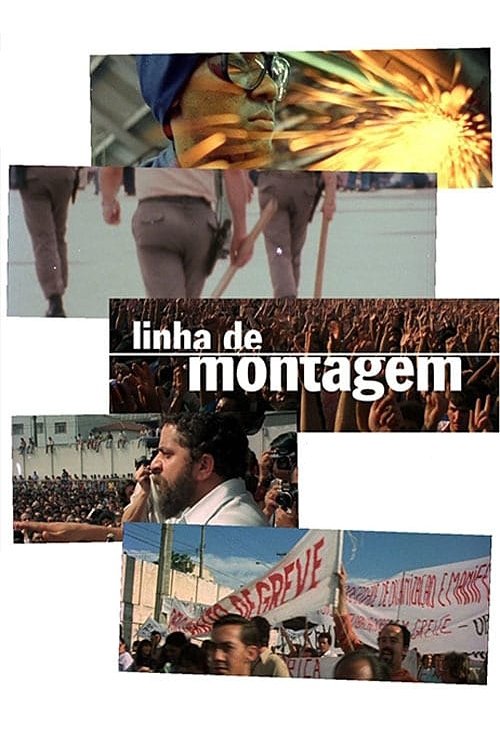
Documentary about the strikes that took place in São Bernardo do Campo, in the State of São Paulo, Brazil, circa 1979/1980. That moment was of utmost importance, since it revealed a Union leader, Luís Inácio "Lula" da Silva, who would later become President of Brazil. It was also the moment when PT, the Workers' Party, became a relevant political force in Brazil.
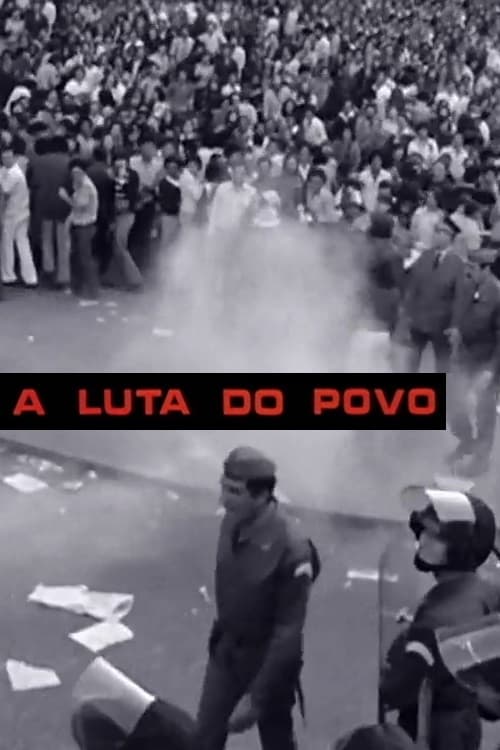
Short documentary on workers' movement in Brazil in the 1970s, such as the Movement Against Famine, and the policial repression against demonstrators and activists.
...discussion of leftist attitudes towards democracy and popular movements; in parallel, a discussion about the role of militant cinema in relation to real political struggles.
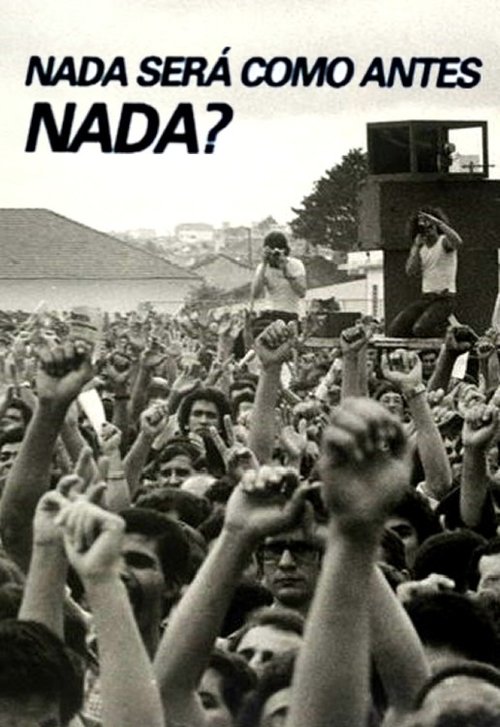
The documentary covers the first phase of the brazilian metalworkers' strike in 1979. It was made to be shown to the workers during the truce between the two phases of the strike, with the aim of mobilizing them for the second phase. The film shows the large assemblies, with more than 100 thousand metalworkers, in the Vila Euclides field, in São Bernardo do Campo; the mobilization for a vigil at the Union; the resulting street conflicts and the triumphant return of the board, headed by Lula, in the great assembly in which the truce was proposed.