Zdenka Barochová
Directing
Known For
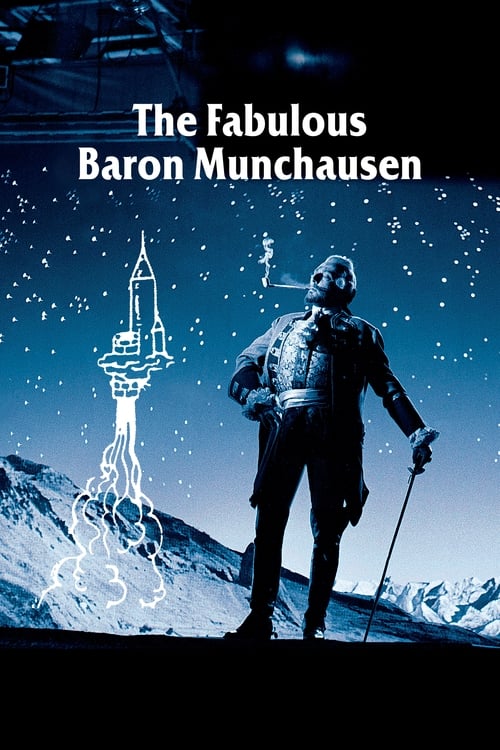
A 20th century man lands on the Moon and discovers that Baron Munchausen has beaten him to it, accompanied by Cyrano de Bergerac and the characters from Jules Verne's novels about the conquest of the satellite.
The Fabulous Baron Munchausen
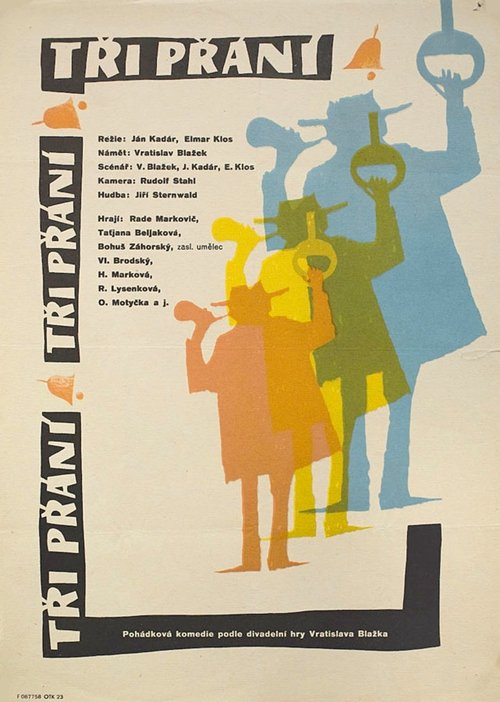
The sad hero of the story, Petr, an ordinary lawyer in a construction company, is crowded into a small apartment in Žižkov with his wife and grandparents, desperately struggling with the lack of money. One day he offers an old man a seat on a crowded trolley bus and is generously rewarded for his good deed, for the unknown old man is a fabulous grandfather. He gives Peter a magic bell and the opportunity to make three wishes, but the first two slip through his fingers. For the third, the astonished man must take time to think...
Three Wishes
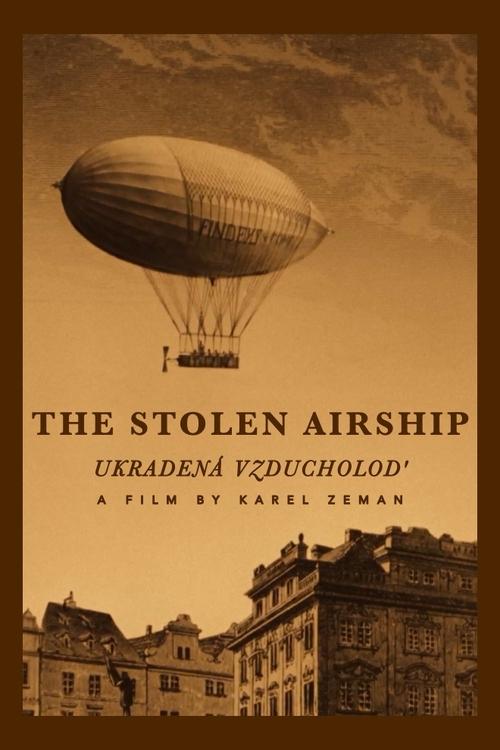
Five young people take off in a lighter-than-air machine at the Prague Centennial Exhibition. A live-action/animated film based loosely on Jules Verne's novels Two Years' Vacation and The Mysterious Island. The film in Art Nouveau style consists of live-action scenes, generally shot in black and white, as well as hand-drawn, stop-motion, and cutout animation. Various live-action and animated elements are often composited into the same scene.
The Stolen Airship
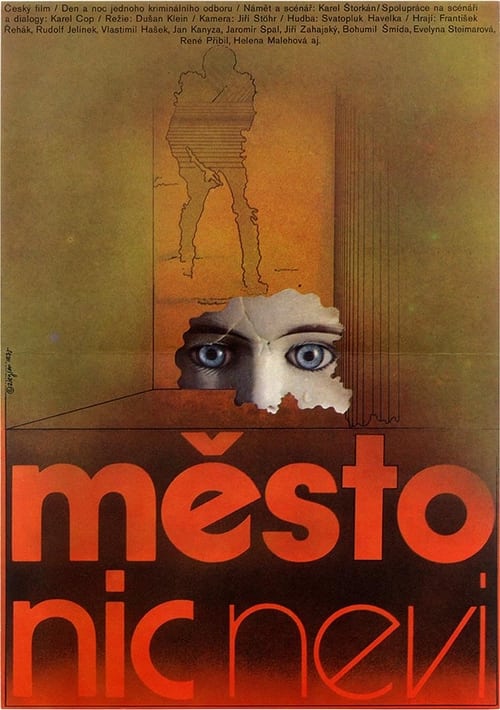
Three detective stories from industrial Ostrava. Police search in vain for a missing 16-year-old girl, but succeed in finding a mentally disturbed infant kidnapper. In a case of robbery, at the cost of injuring one of the investigators, they manage to apprehend a lover fleeing with stolen money across the border to Poland...
Město nic neví
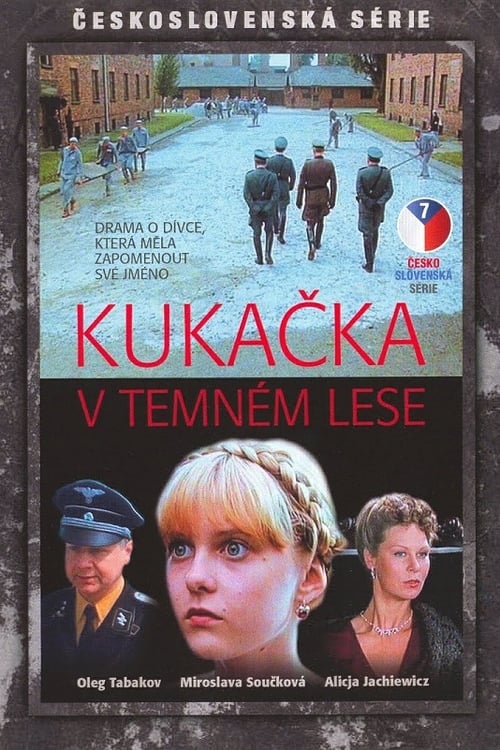
Set in World War 2 as the Germans occupy Czechoslovakia, teenage Emilka's father is murdered by the Nazis, but she is selected for special treatment by virtue of being blonde. She is billeted with the commandant of a concentration camp near the Baltic coast, where his kindness towards her provokes his wife's jealousy, but is compromised when Emilka witnesses his brutality towards the prisoners.
Cuckoo in a Dark Forest
Miroslav Hornicek is a deluded young man who is convinced he is Faust incarnate. This turn of mind leads to some ludicrous situations, such as when he believes a woman is really a cat. Before he can be rounded up and interned wherever they keep people with this type of a problem, love enters his life and the clouds that obscured his vision begin to dissipate.
When the Woman Butts In
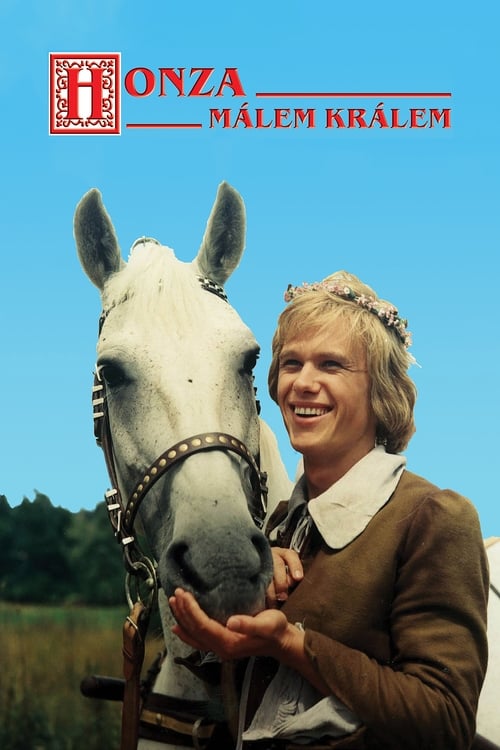
A fairy tale about how those who have a heart and are not stingy will not fail. The most popular hero of Czech fairy tales, besides the brave prince and the beautiful princess, is undoubtedly Honza, who is often not stupid at all, but on the contrary brave, clever, handsome and cheerful.
Almost King
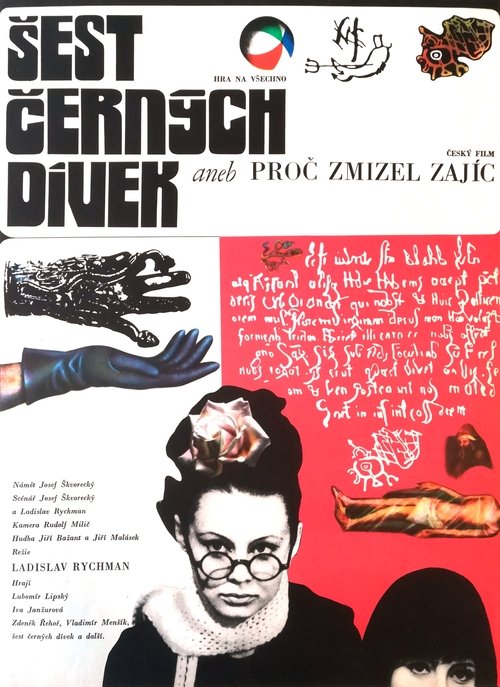
Detective Lieutenant Boruvka (Lubomír Lipský) is called to the State Scientific Library to investigate the loss of a precious manuscript, the Infernal Psalter of the Occult Sciences by Master Peregrinus from the eleventh century, written in a secret script which has only recently been deciphered by senior lecturer Zajíc (Josef Chvalina). Chaos is reigning in the labyrinth of passages and halls of the former monastery where the library is housed. In order to save space the director of the library has introduced a peculiar system. The books are arranged in the bookcases according to height and six girls dressed in black, the library assistants, are quite happy to cut volumes down to size in case of need. Boruvka refuses the case, since he is specialist in murders. He has to return to the investigation, however, when senior lecturer Zajíc disappears.
Six Black Girls
Getting out of prison doesn't mean being free. After the bloody suppression of the Prague Revolution in 1848, one of its participants, the writer František Vinický, spent eight years in prison. Returning to Prague in 1857, he tries to make contact with his former friends. The main one is his former comrade-in-arms Antoš. Of course, the man's steps also lead him to his former love Ida, who has been married to the councillor Mayer for several years. Vinicky is followed at practically every turn by the secret police, who will not allow him to get a decent job, let alone publish his new book. Police Councillor Berger makes it clear to the writer that a lot could be arranged if Vinicky would commit to cooperating...
Záchvěv strachu
A young man tries to enter the building of the Mammoth Cybernetic Supermachines Research Institute again and again but each time the doorkeeper spots him and kicks him out. The youth finally arrives with all his friends and a huge live bear from the circus where he works as an accountant. He is finally allowed in where he explains to the members of the directorate that he wants to work at the Institute, since he graduated in cybernetics and, besides, he has invented a machine for forecasting time of death. When the conniving research manager learns that their director is going to die in two days, he hopes to rise to his position.
Lov na mamuta
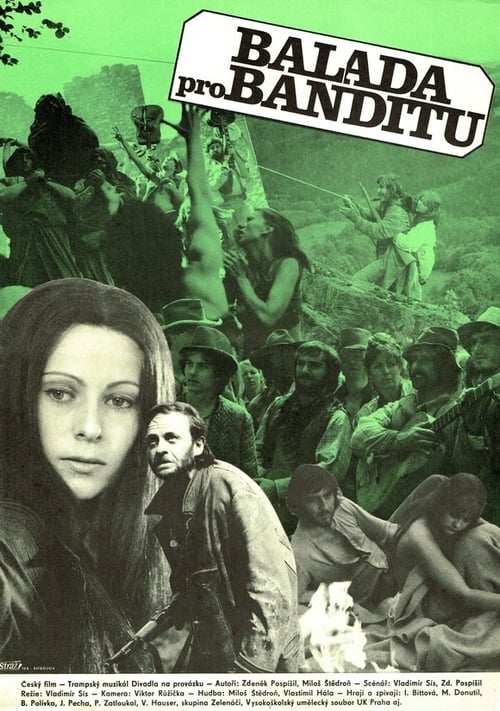
The film version of the theatre musical production by the "Divadlo na provazku" in Brno tells the tale of legendary bandit Nikola Šuhaj from Koločava.
Ballad for a Bandit
No description available.
Poutníci
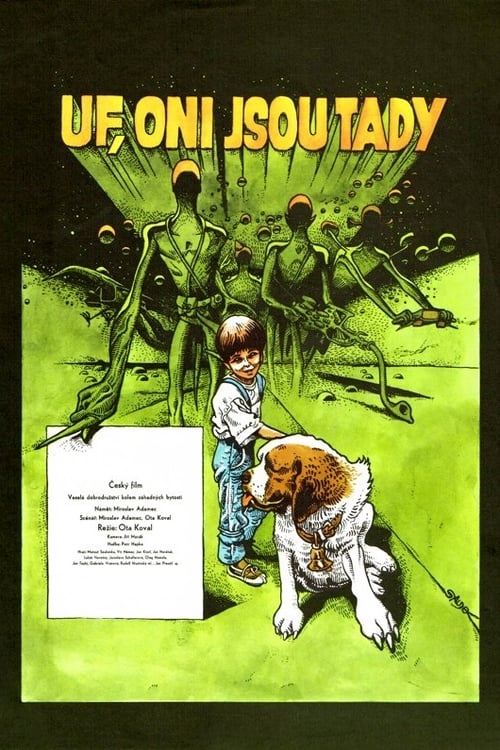
Little boy considers to have discovered traces of the aliens but in fact comes across the activity of small thieves.
Oof - They Are Here
A story inspired by true events, the fate of a multiple juvenile murderer, takes place in an apprentice boarding school. "A series of sexual murders! A real case that could happen again at any time."
Silnější než já
In the Hussite times, religious truth was sifted even on the tips of weapons. When in 1430 the Hussites set out on a raid to Nuremberg, the so-called Spanila Cavalry, to defend their doctrine, the young commander of the cavalry, the landowner Keřský, whose bride had once been kidnapped by a vicious crusader, saw it as an opportunity for personal revenge. Although Oldřich Daněk has tried to establish a distinctive interpretation of historical events, he reflects on where the blinded desire to punish a bad deed with further cruelty leads, but his version seems too thesis-like and lifeless, it does not rise above the descriptively illustrated scenes from old Czech chronicles...
Spanilá jízda
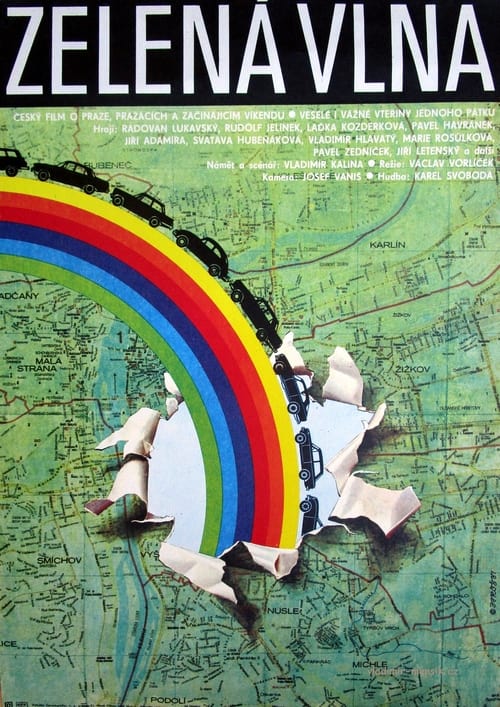
A short film about Prague, Prague residents, and the beginning of the weekend.
Zelená vlna
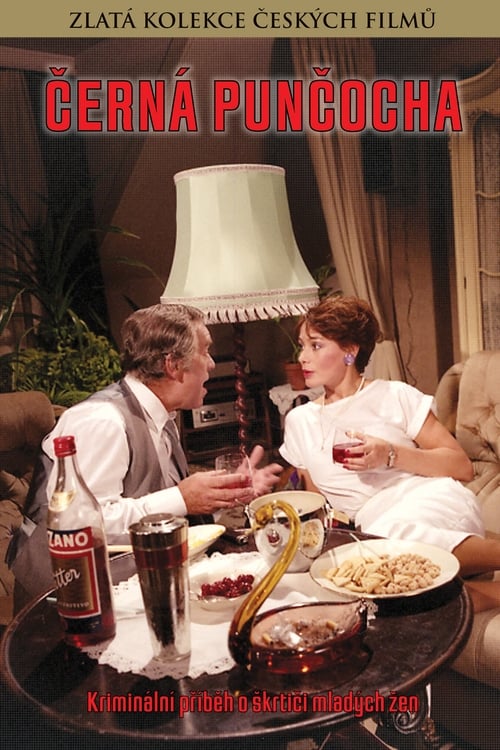
An elderly tailor strangles young women with a black stocking. Inspired by a true crime.
Černá punčocha
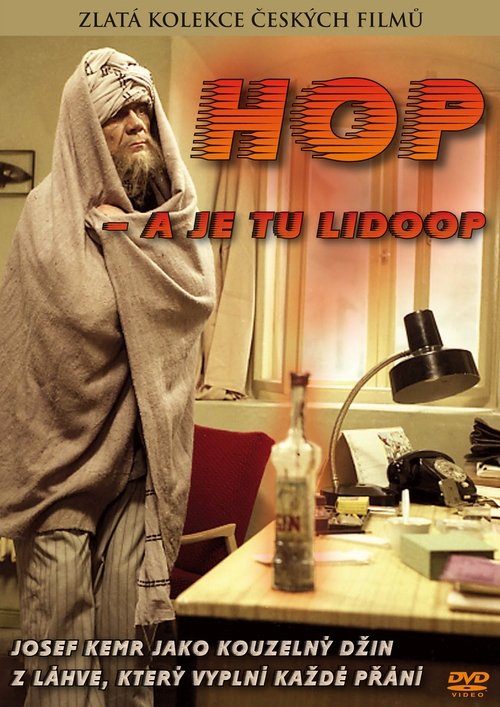
The fisherman Fuksa fishes in the creek an old bottle and he sells it to innkeeper Merta. When Merta opens it, a genie appears, who can fulfill all his wishes.
Monkey's Playtime
No description available.
Pohádka o knoflíku
The film recording of the ballet performance of the State Theatre in Brno was expensively realized in a theatrically stylized set built in the Barrandov studios. The original ballet music by Václav Trojan, based on Shakespeare's fairy tale comedy, was preceded by incidental music for theatre and radio, and in particular the soundtrack to Jiří Trnka's feature-length puppet film A Midsummer Night's Dream.