Directing
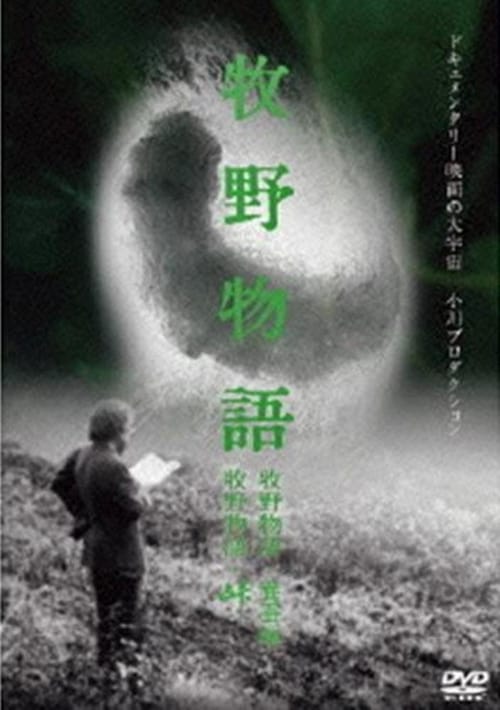
Ogawa Production Staff, who moved to Makinomura in Yamagata Prefecture, looks at sericulture, sericulture labor, agriculture ... Let's listen to people's words and stare for the sake of staring ...
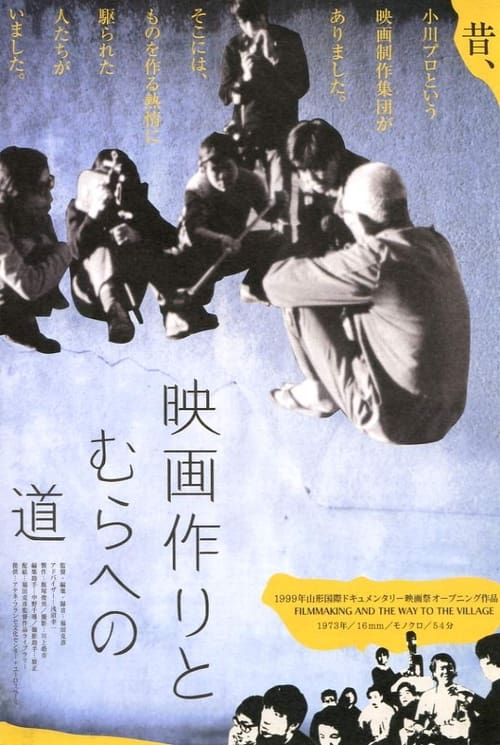
This film was directed by a member of the Ogawa collective, Fukuda Katsuhiko, while they were finishing the documentary Sanrizuka: Heta Village. Fukuda left the collective after this film and continued making documentaries in the village of Heta. Credit: ICA London
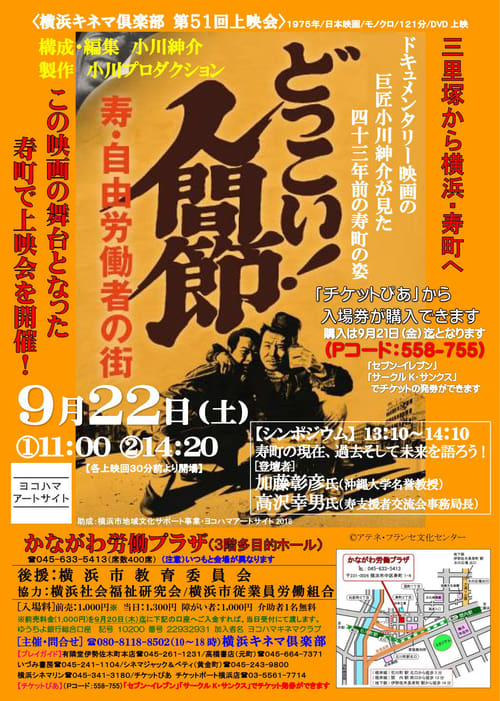
After the waning of the protests in Sanrizuka, Ogawa Pro started questioning the future of the collective and looking for other subjects to film. Following the method developed in the previous films, the filmmakers moved to the slum of Kotobuchi in the port city of Yokohama, where more than 6000 people were struggling to get by without any means of survival, exposed to industrial accidents and diseases. The result is one of the most moving films produced by the collective, a series of beautifully filmed portraits, voicing the silenced stories and songs of a group of people living in this community. Credit: ICA London
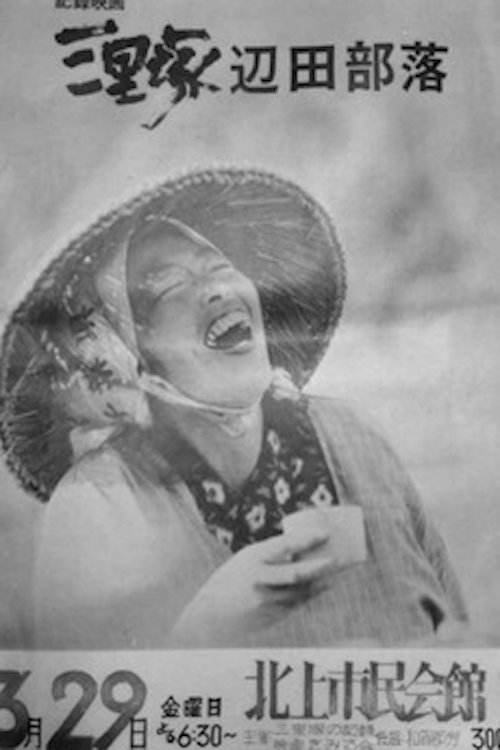
Shinsuke Ogawa documentary about the life of the farmers in Heta Village opposing their resettlement due to the construction of Narita Airport.
A record of the flight obstruction struggle of October 21, 1979, and a national rally of March that year. Activists advance toward the runway in the Iwayama district on the south side; the planes stop. The title comes from a speech by Tomura Issaku, leader of the Opposition Alliance, quoting scripture: “Heaven is violently attacked, and those who attack it seize it.” Heaven, he argues, is not in the afterlife – it is here, inside the airport, to be taken back. The film moves between rallies, marches, and direct action.
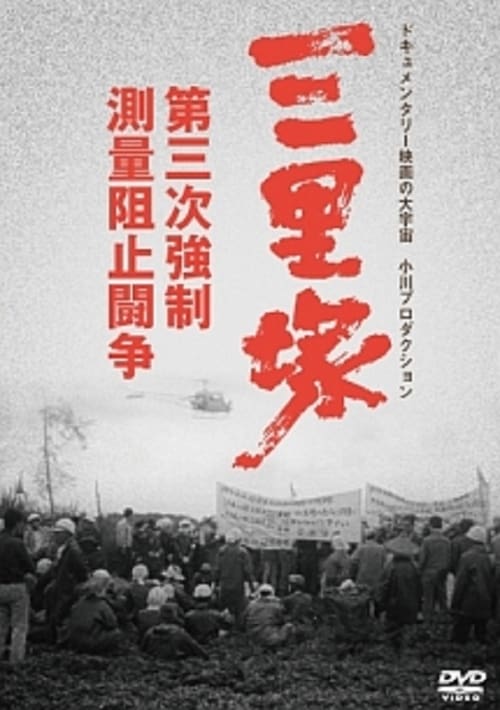
"Sanrizuka: The Three-Day War" is a documentary by Shinsuke Ogawa chronicling the escalation of conflict surrounding the Japanese government’s plan to build a new international airport on farmland in Sanrizuka near Tokyo. As farmers resisted eviction and activists from across the country joined the struggle, clashes with police intensified, resulting in large-scale confrontations that marked a critical phase of the Sanrizuka movement.
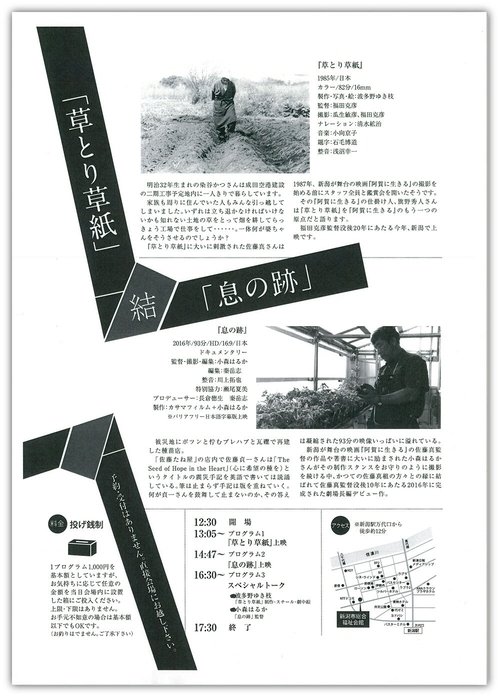
A documentary that explores the life history of an 84 year old woman.
Sanrizuka, 1979. Refusing state subsidies and government water projects, farmers of the Opposition Alliance build their own windmill to pump irrigation water from two wells drilled 275 metres into the earth. The film follows the collective construction – designing, welding, testing, failing, rebuilding – until its blades carry water to the seven farms still resisting.
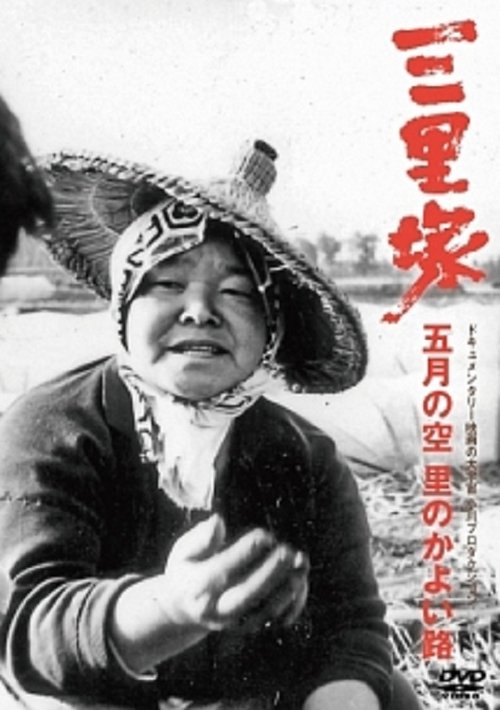
The film portrays Sanrizuka’s resistance through the lens of an everyday peasant’s life, remaining true to their perspectives as they reorganise and place agricultural issues at the heart of their continued struggle.
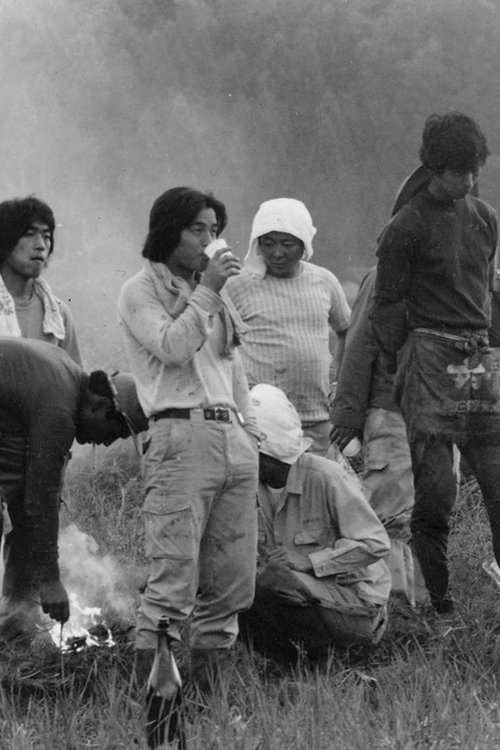
In the mid-1970s, protests were waning across Japan after the Red Army scandal of Asama Cottage. In Sanrizuka, people were weary of the violence and the airport was well under construction. As for Ogawa Productions, they invited criticism by pulling out and moving to a quiet village in northern Japan. But when protesters back in Sanrizuka erected a tall tower at the end of one runway, they sent a crew to document what happened. This became the final film of the Sanrizuka Series.
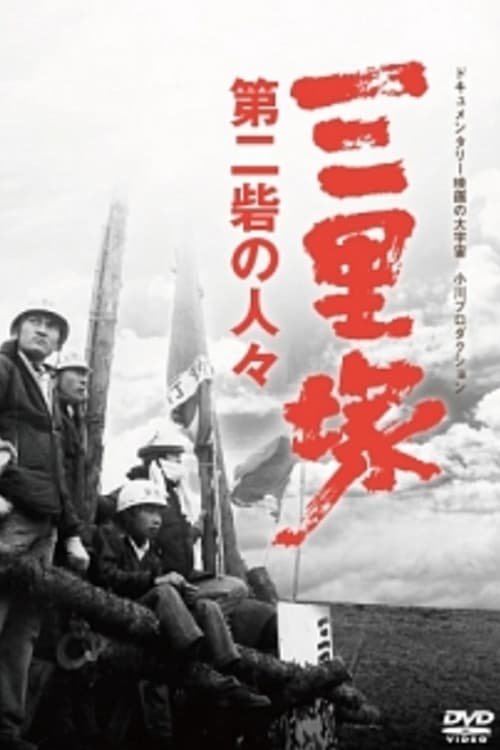
"Narita: The Peasants of the Second Fortress" (1971) chronicles a decisive phase in the struggle against the construction of the Narita International Airport, as farmers in Sanrizuka adopted new defensive tactics, including the construction of fortified towers and underground shelters. As police forces moved to dismantle these structures, confrontations intensified. The film combines scenes of direct conflict with extended conversations between Ogawa and the farmers, documenting both the physical resistance and the sustained community organizing that defined this stage of the protest.