Directing
No description available.
A fable with people and furrys about the creative industry and the commercial arts.
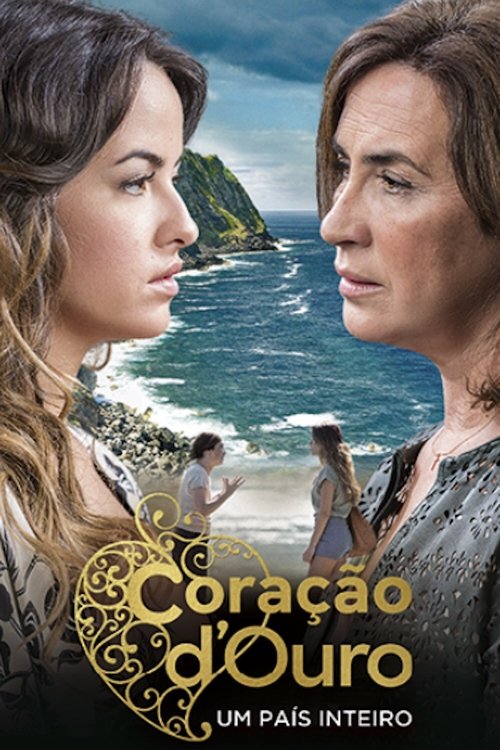
Love, passion, mystery, betrayal makes the days of the Pôr do Sol estate. The Bourbon de Linhaça family owns the Pôr do Sol estate, but not everything is rosy...
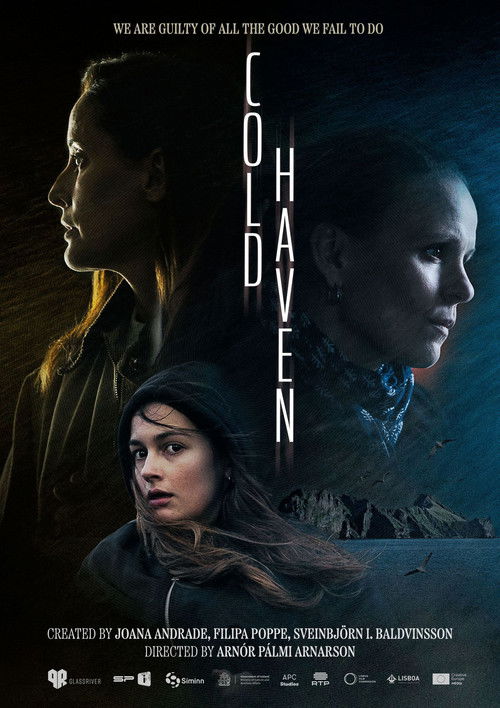
Maria is a Portuguese woman who emigrates to Vestmannaeyjar, a small and remote island in Iceland, in search of a better life for herself and her teenage daughter, Bela. Away from a past marked by domestic violence and deep secrets, she looks for freedom and a place to be herself. Six months after her arrival, Maria is found lifeless. Her violent death shocks the isolated community and exposes the secrets everyone is keeping. The investigation is placed in the hands of Soffía an Icelandic detective who, as she immerses in the investigation, faces her own crossroads, trying to balance professional duty and the ghosts of her past.
Reality is much stranger than fiction. There is a scandal that could be revealed and the Portuguese Government is nervous. The Minister of Culture and her team have a crazy idea that, for that reason, can work: to produce, together with Brazil, the biggest and most spectacular telenovela of all time: "Corte Tropical".
In the quaint Galician village of Seara, journalist Lucía returns to probe a forest fire eerily tied to her family's dark past.
The plot addresses Maria Luísa's struggle for freedom, the struggle for rights and privileges that, at the time, were reserved almost exclusively to men. Maria Luísa decides to assume a false identity - that of a man.
An original and unique parody to reality shows. In Portugal, different celebrities, from different artistic areas, "live" together in a house where everything looks real, but it's not. Pure comedy and social satire.
A story developed in two different narratives which are interlinked. On the first one, the two friends Bruno Nogueira and Gonçalo Waddington (playing themselves) set out on a caravan trip through Portugal with the desire to escape from their daily lives and find a solution for their personal struggles. On the second one, there's the fictionalized making-off of the miniseries itself.
Filha da Lei, a criminal series on a Chief Inspector, Isabel Garcia, and the investigation of the most important police case in Portugal in the last 20 years. Garcia is faced with the greatest challenge of her career when she is assigned to lead the Investigation of the violent serial murders that devastate the city. Samuel Lopes, Trainee Inspector with a degree in Criminal Psychology, joins the Garcia Brigade where he will have to earn his place and the respect of the most experienced inspectors. The interaction with the Trainee Inspector helps Garcia to better understand his daughter Sara, a 16-year-old teenager who was married to the implacable journalist Jaime.
July 1956. Álvaro Cunhal arrives at Peniche Fort and is placed in the most modern and secure prison wing, considered escape-proof. Despite the tight control exercised over the prisoners, Álvaro and his comrades manage to organize a small commune and provide support to the most vulnerable detainees, while looking for a way to escape.
The story of a man. Maybe two. A father who leaves home taking nothing with him but the mailbox and a suitcase. He sits on a garden bench, on the street, waiting for a son's answer. Every day he sends him a letter and every day he hopes to get a letter back. Every day he combs his hair, puts a tie on, and shaves to be ready to receive that letter by the time the postman passes by.
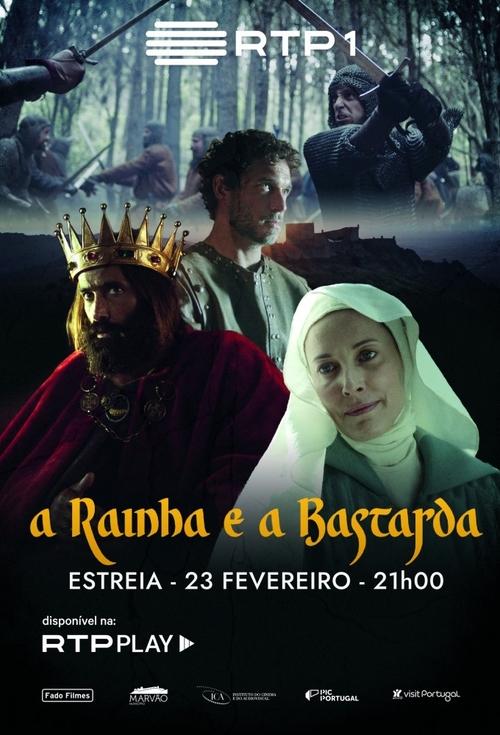
We are in 1320, in the newly formed country we call Portugal. Isabel, the Holy Queen, is the wife of Dinis, the king, and mother of Afonso, the heir, both involved in a civil war that affects everyone.
Alice is 20 years old and has been living in confinement since she was born, when she was diagnosed with a severe combined immunodeficient disease. Her immune system is very weak, so the only solution to keep herself alive is to be in a safe and protected environment: her home. Fred (20) is his best and only friend and it is through her that Alice lives.
PLAYBACK is not just a biopic about Carlos Paião. It's a journey into the creative universe of one of the greatest geniuses of Portuguese music. Carlos studies Medicine, lives among books, exams, and expectations, but it is in the secret of melodies, words, and imagination that he finds the place where he truly breathes. In a country still discovering new sounds, he risks exchanging the security of a white coat for the uncertainty of stages, songs, and a dream bigger than himself. Between duty and desire, reason and intuition, fear and courage, Carlos builds a unique path, made of talent, humor, creative obsession, and an almost luminous urgency to leave his mark. PLAYBACK reveals not only the songs that made Carlos Paião an unforgettable figure in Portuguese music, but also the intimate universe from which they were born.
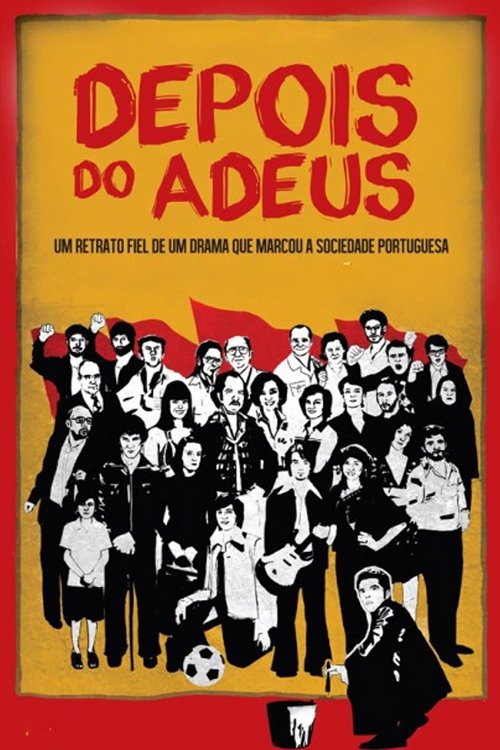
Álvaro and Maria do Carmo lived happily in Angola. He was a successful businessman and she was a mild mannered housewife. They have two children together, Ana and João, who were studying and living their teenage years in Luanda... Until the day the civil war broke out and everything fell apart. Amidst declarations of independence, a wave of violence breaks out and the established peace and order fades away. In July, 1975, the Mendonça family, along with over five hundred thousand people, leave their belongings behind and embark on an air convoy that would become the biggest exodus in the history of the Portuguese people to a homeland that most only knew from photos and dubbed it Metropolis. In Lisbon, Joaquim and Natália, Álvaro’s brother-in-law and sister, take the Mendonça family in their small apartment, where they will try to get their lives back in order. However, over that hot summer of 1975, the integration seemed to be far from easy.
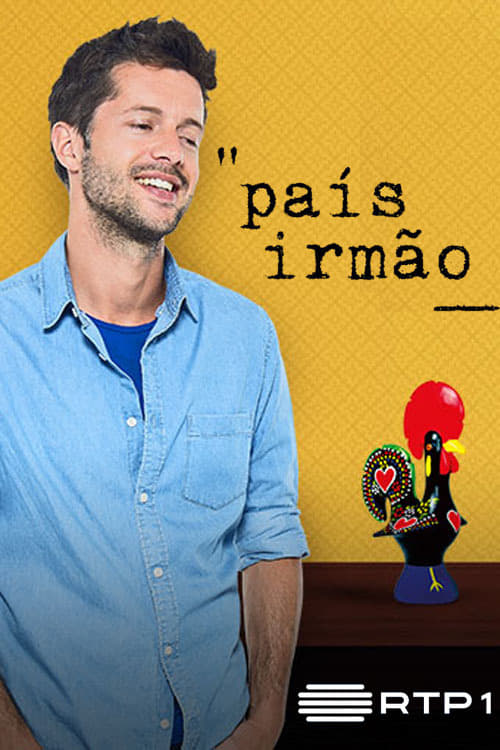
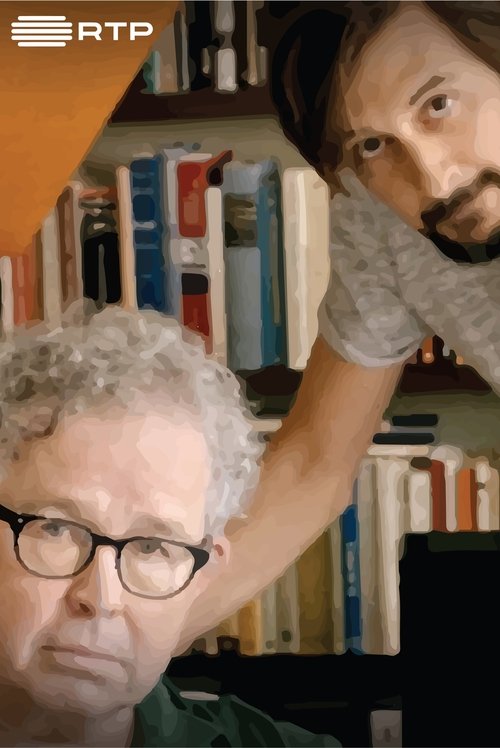
Writer Miguel Esteves Cardoso and comedian Bruno Nogueira discuss with themselves and guests different topics of the Portuguese society.