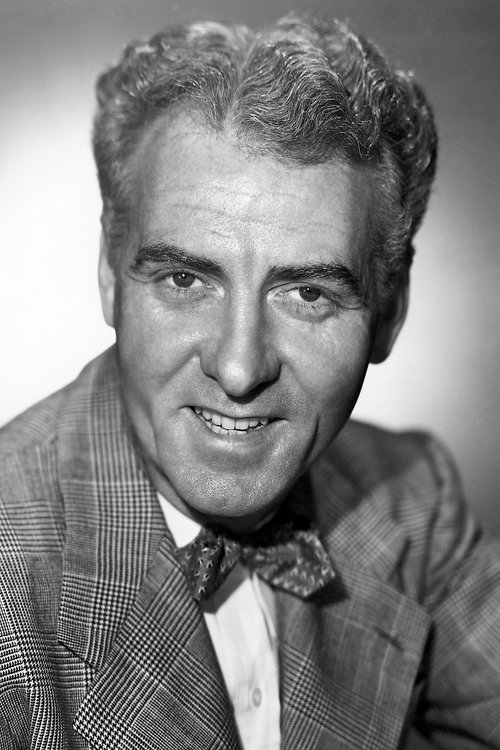
Frank Faylen
Acting
Biography
Frank Faylen (born Francis Charles Ruf) was an American stage, screen, and television actor. He is best remembered for his movie performances as the cynical male nurse in The Lost Weekend (1945) and Ernie the taxi driver in It's a Wonderful Life (1946), as well as for his portrayal of long-suffering grocer Herbert T. Gillis on the 1950s television sitcom The Many Loves of Dobie Gillis.
Known For

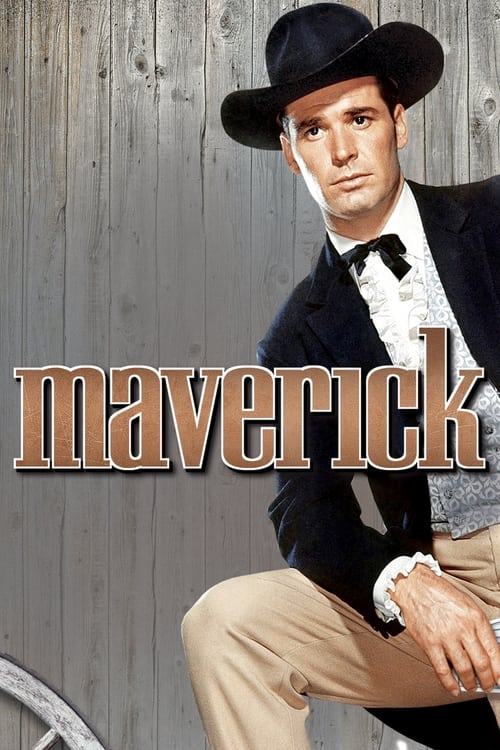
The Maverick boys - Bret, Bart, Beau and Brent - are a clan of well-dressed dandies, gamblers who'd much rather make their money playing cards than messing up their fine clothing with actual work. Sly and clever, none of the Mavericks are much for acts of derring do, but they can be courageous when the situation calls for it. Most often, however, they live by their wits and considerable charm.
Maverick

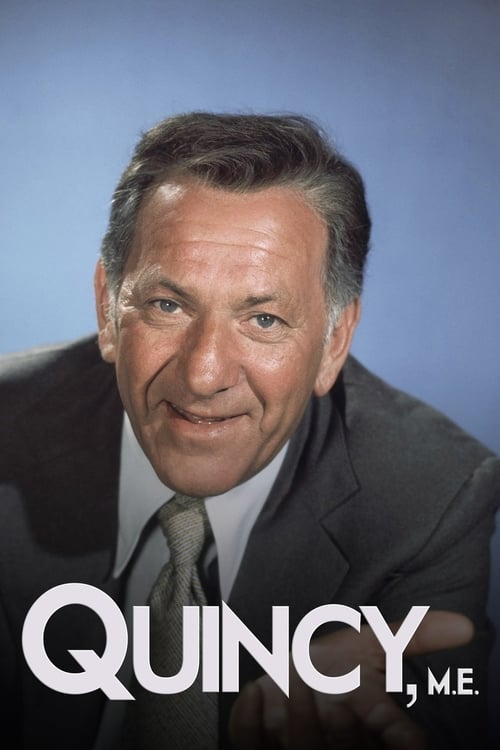
Los Angeles County medical examiner Quincy routinely engages in police investigations.
Quincy, M.E.

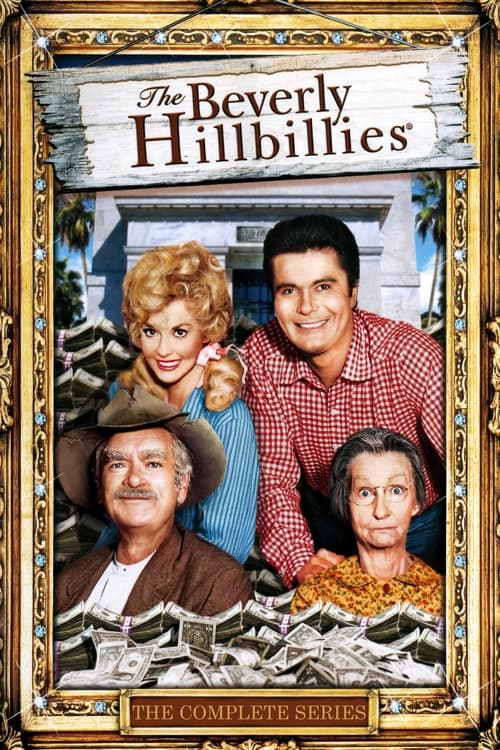
Jed Clampett's swamp is loaded with oil. When a wildcatter discovers the huge pool, Jed sells his land to the O.K. Oil Company and at the urging of cousin Pearl, moves his family to a 35-room mansion in Beverly Hills, California.
The Beverly Hillbillies

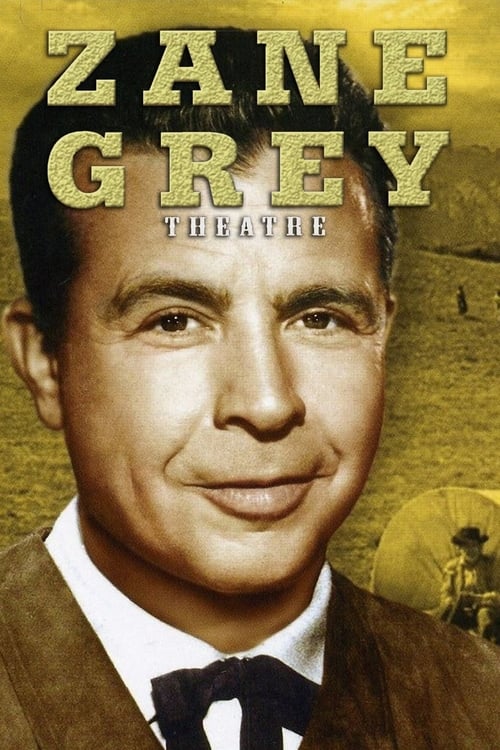
Dick Powell's Zane Grey Theatre, sometimes simply called Zane Grey Theatre, is an American Western anthology series which ran on CBS from 1956 to 1961.
Dick Powell's Zane Grey Theatre

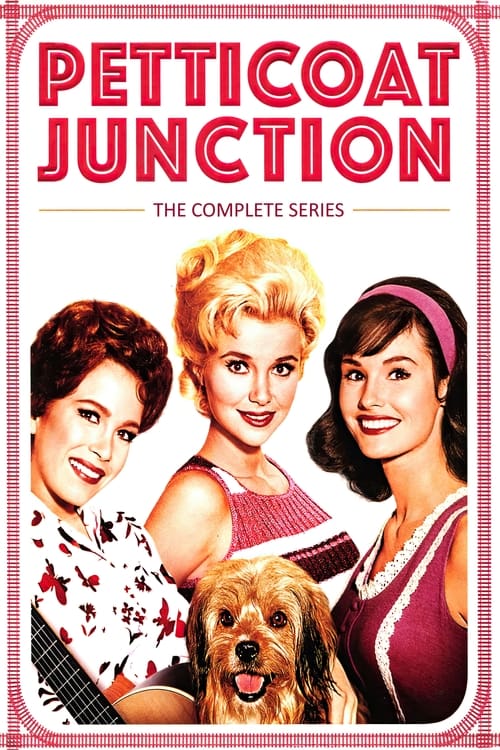
The Bradley family are proud owners of the Shady Rest Hotel. Kate and her three young daughters do the job of running the hotel.
Petticoat Junction

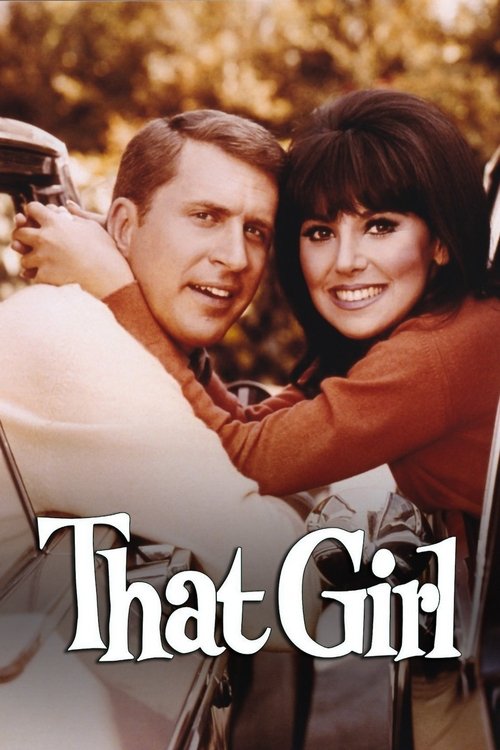
That Girl is an American sitcom that ran on ABC from 1966 to 1971. It stars Marlo Thomas as the title character Ann Marie, an aspiring actress, who moves from her hometown of Brewster, New York to try to make it big in New York City. Ann has to take a number of offbeat "temp" jobs to support herself in between her various auditions and bit parts. Ted Bessell played her boyfriend Donald Hollinger, a writer for Newsview Magazine; Lew Parker and Rosemary DeCamp played Lew Marie and Helen Marie, her concerned parents. Bernie Kopell, Ruth Buzzi and Reva Rose played Ann and Donald's friends. That Girl was developed by writers Bill Persky and Sam Denoff, who had served as head writers on The Dick Van Dyke Show earlier in the 1960s.
That Girl

Wanted: Dead or Alive is an American Western television series starring Steve McQueen as the bounty hunter Josh Randall. It aired on CBS for three seasons from 1958–61. The black-and-white program was a spin-off of a March 1958 episode of Trackdown, a 1957–59 western series starring Robert Culp. Both series were produced by Four Star Television in association with CBS Television. The series launched McQueen into becoming the first television star to cross over into comparable status on the big screen.
Wanted: Dead or Alive

The Colgate Comedy Hour is an American comedy-musical variety series that aired live on the NBC network from 1950 to 1955. The show starred many notable comedians and entertainers of the era, including Eddie Cantor, Dean Martin and Jerry Lewis, Fred Allen, Donald O'Connor, Bud Abbott and Lou Costello, Bob Hope, Jimmy Durante, Ray Bolger, Gordon MacRae, Ben Blue, Robert Paige, Tony Curtis, Burt Lancaster, Broadway dancer Wayne Lamb and Spike Jones and His City Slickers.
The Colgate Comedy Hour

The Many Loves of Dobie Gillis is an American sitcom that aired on CBS from 1959 to 1963. The series and several episode scripts were adapted from a 1951 collection of short stories of the same name, written by Max Shulman, who had also written a feature film adaptation of his short stories for MGM in 1953, The Affairs of Dobie Gillis. The series revolved around the life of teenager/young adult Dobie Gillis, who, along with his best friend, beatnik Maynard G. Krebs, struggles against the forces of his life - high school, the military, college, and his parents - as he aspires to attain both wealth and dates with girls. The Many Loves of Dobie Gillis was produced by Martin Manulis Productions in association with 20th Century Fox Television. Creator Shulman also wrote the theme song in collaboration with Lionel Newman.
The Many Loves of Dobie Gillis

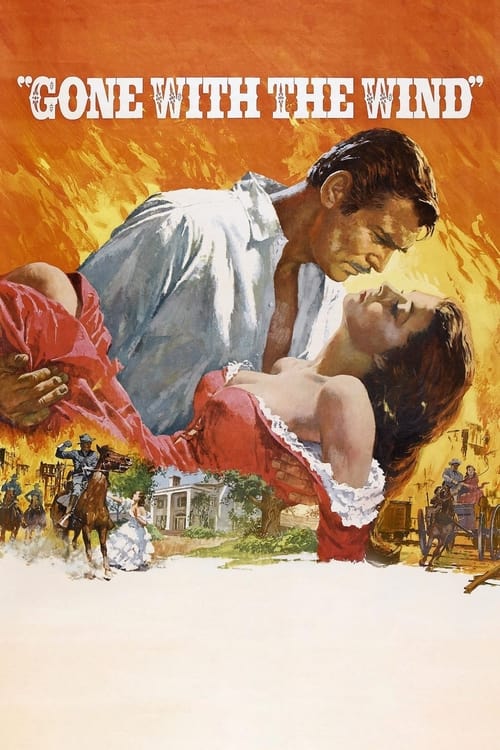
The spoiled daughter of a Georgia plantation owner conducts a tumultuous romance with a cynical profiteer during the American Civil War and Reconstruction Era.
Gone with the Wind

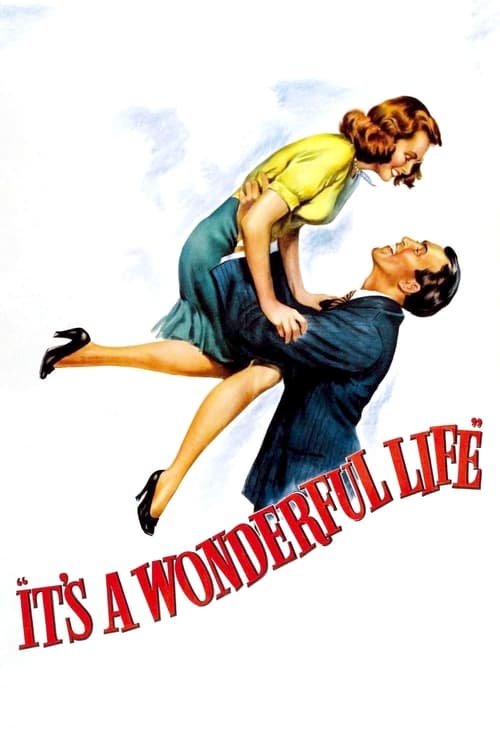
George Bailey has spent his entire life giving to the people of Bedford Falls. All that prevents rich skinflint Mr. Potter from taking over the entire town is George's modest building and loan company. But on Christmas Eve the business's $8,000 is lost and George's troubles begin.
It's a Wonderful Life

The Bob Hope Show hosted by Bob Hope, debuted on April 9, 1950. During the 1952-1953 season, NBC rotated with other variety shows in a Sunday night block known as "The Colgate Comedy Hour" (Sept. 1950 to Dec. 1955). Also known as, "The Chevy Show with Bob Hope." When the first special debuted in October of 1950 it was the most expensive television program made up to that point - costing an astronomical $1,500 a minute to produce. Bob Hope had his own television show and radio show at the same time. For the next three seasons, The Bob Hope Show was broadcast once a month on Tuesday nights, giving Milton Berle a week off. Bob ended his radio show in April, 1956. Bob Hope also had another show by a similar name, "The Bob Hope Show (All Star Revue)". In addition, he performed in "Specials" for many years. It is the longest running variety program in television's history with a record of 45 years of televised entertainment.
The Bob Hope Show

The Great Adventure is a historical anthology series that appeared on CBS for the 1963-1964 television season. The series, narrated each week by Van Heflin, and featuring theme music by Richard Rodgers, presented a weekly one-hour dramatization of the lives of famous Americans and important historical events in American History.
The Great Adventure

Telephone Time is an American anthology drama series that aired on CBS in 1956, and on ABC from 1957 to 1958. The series features plays by John Nesbitt who hosted the first season. Frank C. Baxter hosted the 1957 and 1958 seasons. The program was directed by Arthur Hiller.
Telephone Time

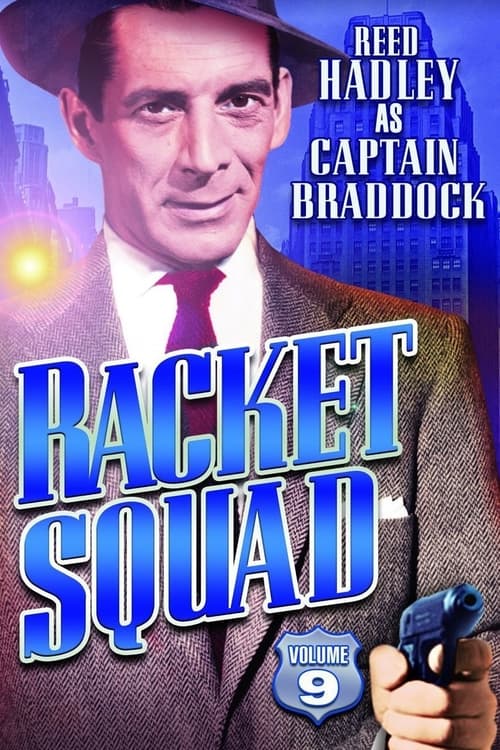
Racket Squad is an American TV crime drama series starring Reed Hadley as Captain John Braddock, a fictional detective working for the San Francisco, California Police Department. The show aired in syndication for a season before being picked up by CBS for three seasons. The series was filmed at Hal Roach Studios in Culver City, California, and was sponsored by cigarette manufacturer Philip Morris, hence there was a pack of the sponsor's brand on Braddock's desk at the beginning and end of the episode, as well as occasional scenes of him or other characters "lighting up".
Racket Squad

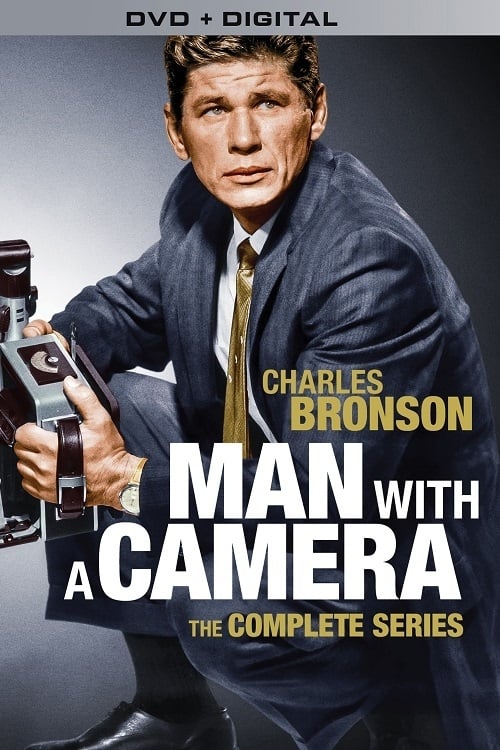
Man with a Camera is an American 1950s television crime drama starring Charles Bronson. Former combat cameraman Mike Kovac (Bronson) is now a freelance photographer in New York City, specializing in difficult and dangerous assignments where he can get the kinds of pictures that other photographers can't, or won't take. He sometimes gets help, often reluctantly, from his contact in the police department, Lt. Donovan, and advice from his immigrant father Anton. Throughout the 1950s, Bronson spent most of his early acting career performing in TV shows as well as small parts in films, until he landed the lead in this ABC series. This is the only series in which he played the lead role. He would go on to have supporting roles either as a guest star or a recurring character in dozens of TV shows after this series was cancelled.
Man with a Camera

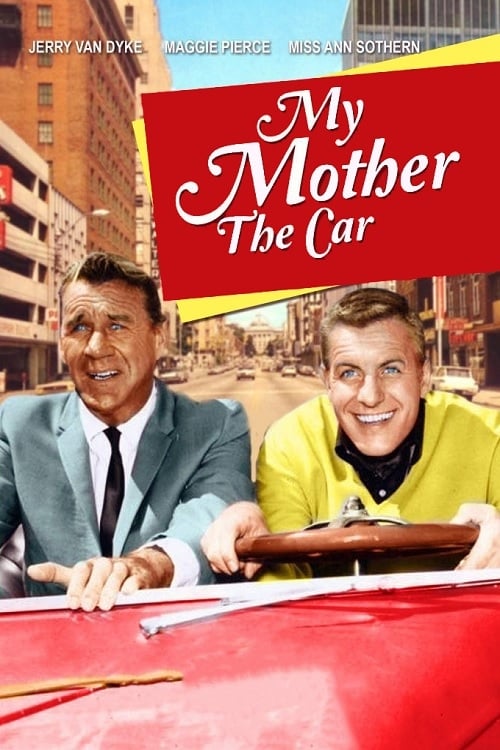
The story of the relationship between a man and his mother, the latter having been reincarnated as a 1928 Porter automobile.
My Mother the Car

After striking gold in Alaska, the romantic George sends his womanizing partner Sam to bring his fiancée up from Seattle. When Sam finds that she has already married, he returns instead with Angel, a dancer originally from France.
North to Alaska

General Electric Theater is an American anthology series hosted by Ronald Reagan that was broadcast on CBS radio and television. The series was sponsored by General Electric's Department of Public Relations.
General Electric Theater

Lawman Wyatt Earp and outlaw Doc Holliday form an unlikely alliance which culminates in their participation in the legendary Gunfight at the O.K. Corral.