Nenée Herrera
Production
Known For
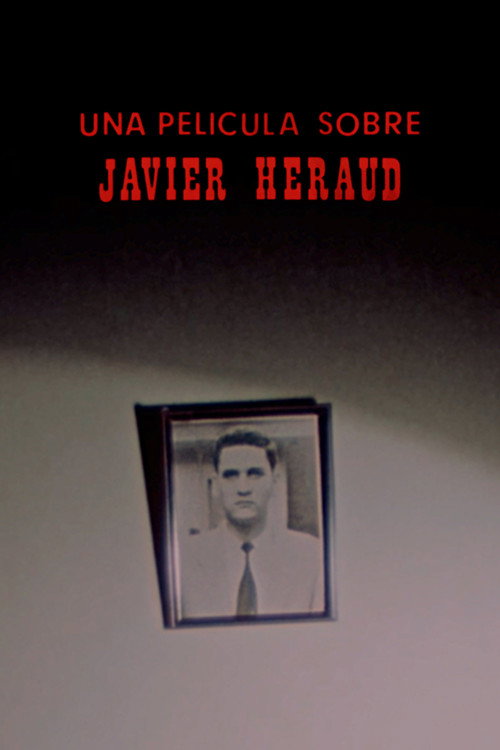
Documentary that collects with a mixture of lightness and thunderous passages from the life and death of the Peruvian poet, who from a very young age was already the best version of himself and the promise of his generation. A kind of tribute through the testimonies of the people who loved him, contextualized with images of the political and social moment of the time, which contribute to the rescue of his memory and his poetic word, which was expressed hand in hand with his unfailing commitment to freedom. Javier Heraud, the guerrilla poet, was murdered in the Madre de Dios River in Puerto Maldonado in 1963. He was 21 years old.
Una película sobre Javier Heraud

No description available.
Visión de la selva
The Marañón River is born in the highlands of Peru and it flows across large areas of the Peruvian territory and through the life of a peasant family that dwells upriver, over four thousand meters high. It runs into the warm lands of the Inter-Andean valley, where a 13-year-old girl exposes herself to risk by selling fruit to truck drivers, and through the Amazon rainforest, where indigenous Awajun children make competitions to prove their knowledge. It eventually arrives at the mouth, the workplace of a river merchant. The core theme of the four stories brought together in the documentary is the challenge of surviving amidst isolation in remote regions bathed by the waters of the Marañón River.
Hombres del Marañón

After the Agrarian Reform enacted in 1969 by the government led by Juan Velasco Alvarado, the Andean communities recovered their land, obtained fundamental rights such as access to public education and the possibility of working for themselves. From then on, life alternatives opened up for the children of the Andes who, unlike their predecessors, could attend school, although they still had to face many scarcities. This film looks at the lives of these children, who, together with their communities, are trying to move forward.