Production
Luciana Tomasi is a Brazilian film producer.
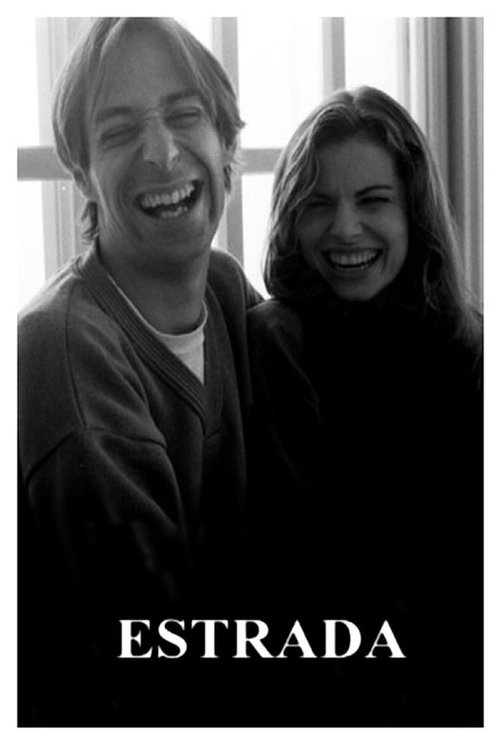
The life of a young urban indigenous man is shaken when he meets a mysterious girl who has just moved with her family to the village where the boy lives, on the side of a highway.
Is the country of the future where children get pregnant? Is the largest Catholic country in the world where more than thirty thousand women die as a result of abortion? Is the 10th largest economy on the planet where 27% of women are sterilized? VENTRE LIVRE tells the story of Vera, Ivonete, Carmen, Denise, Maria do Carmo, Marlove - people who were born in the country with the most unequal income distribution on the planet. A documentary about reproductive rights in Brazil, while the future is not yet here.
Hilário Pestana, the most famous, funniest and, ironically, saddest Brazilian actor, has died. He has passed through many stages of Brazilian cinema: the chanchadas, the Vera Cruz classics, the pornochanchadas, and even experimental movies. He was beloved by the public and had a gift for laughter, but he only desired to be a serious man.
No description available.
A couple's last moments: their meetings, separations and a sandwich.
At 24, our hero is a trained journalist but has a much simpler job. His flat full of discs, movies, and books, but he has trouble socializing. This situation can't last long.
The film tells the story of a man who was born in 1959 and died in 2070, told by people who knew him and somehow contributed to his trajectory.
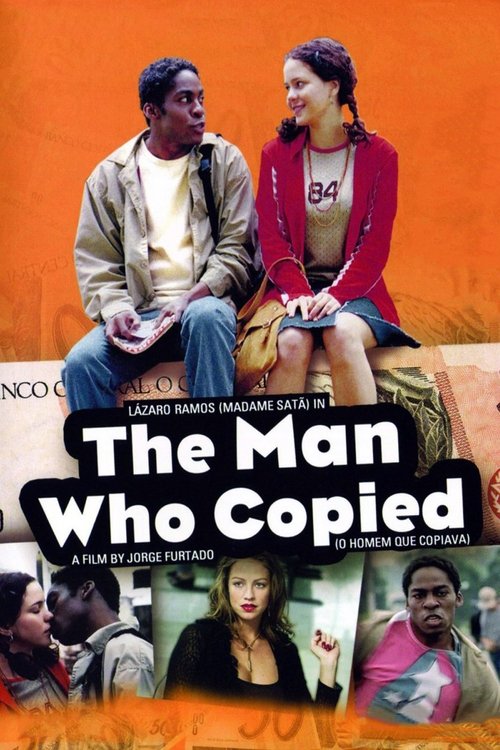
A young photocopier operator becomes infatuated with his neighbor and, unable to afford anything from her shop, turns to shady schemes to make money.
Teenager preparing for diving competition identifies with suicides who jumped from an old viaduct in Porto Alegre.
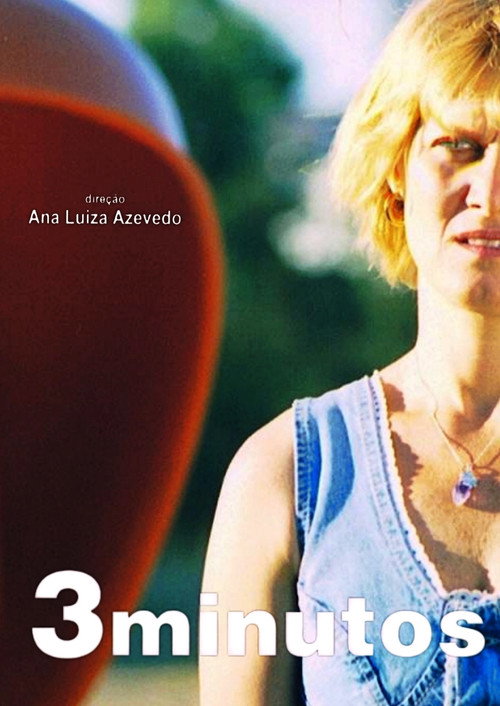
Three minutes. The time to leave a message. To pass the baton and run 1600 meters. To cook an egg. The time to make a decision that can change your life.
A fiction film based on the real story of a 16 year-old boy who, aided by the internet, won over the world with his talent for music and art. Fluent in five languages, Yonlu had a network of virtual friends on all continents. However, no one suspected he was also taking part in a forum for potential suicide.
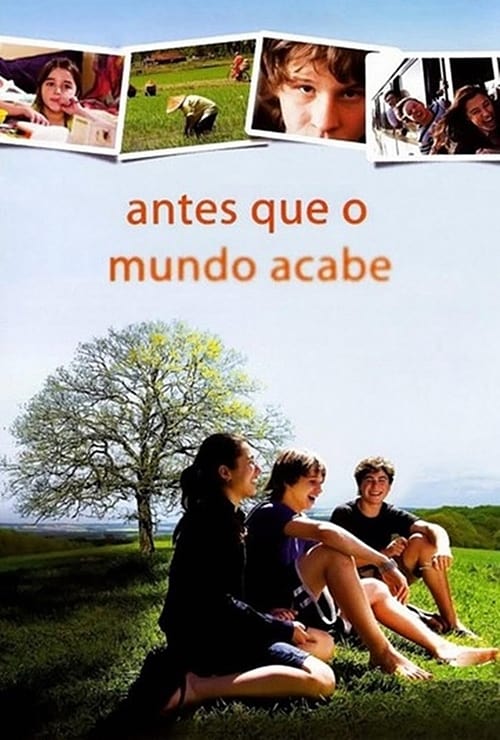
The countryside of Rio Grande do Sul, and high-school student, Daniel, spends a normal adolescence life with his family, studying, riding his bicycle, playing games on the Internet and expecting one day to move to the big city of Porto Alegre. Daniel has a crush on his girlfriend Mim, who has just broken up with him but is still his friend, and his best friend, Lucas, is one of the best students in São Lucas High-School. Daniel is the son of Elaine and the photographer Daniel, who left Elaine when she was pregnant and moved alone to Thailand. Daniel is raised by Elaine and his stepfather Antônio, and shares a house with his half-sister, Maria Clara. One day, Daniel receives a letter from his biological father, who has malaria, and he is reluctant to open the envelope.
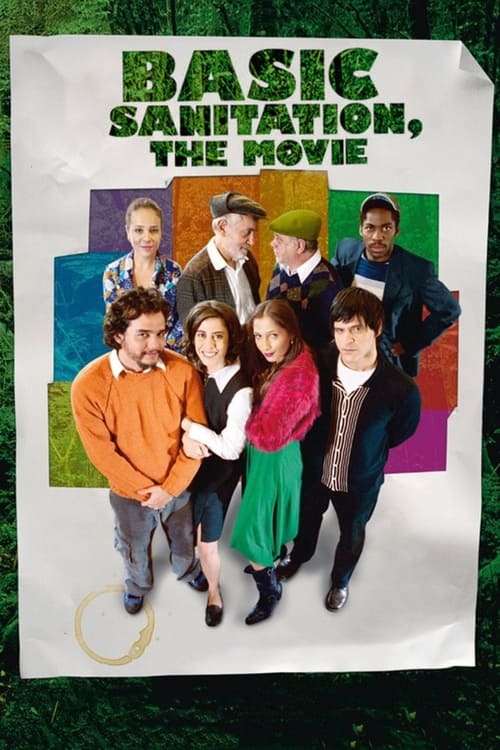
When they discover their town lacks funding for a sewage system, but does have a federal grant to make a movie, a group of villagers decide to make a sci-fi joint about a monster who lives in the building site of a septic tank.
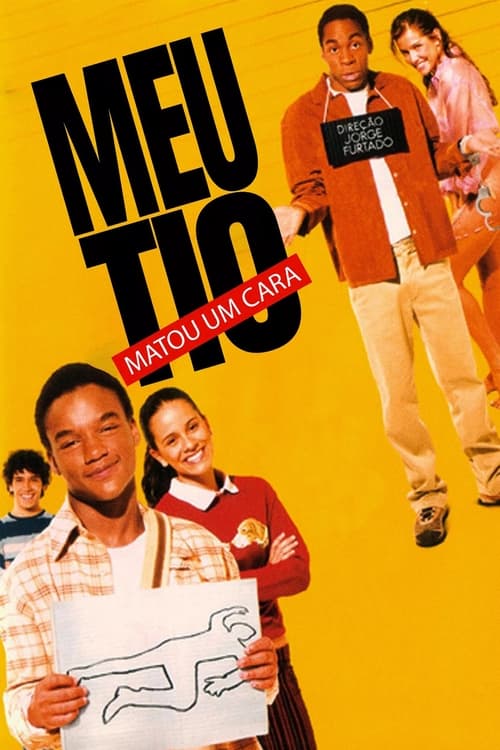
Éder is arrested after confessing the murder of a man. Duca, his nephew, is sure that his uncle confessed the crime to protect his girlfriend, Soraya, ex-wife of the deceased, so he enlists two of his friends to help prove his theory.
After her boyfriend's death, a successful executive finds some unfinished scripts in the dead man's computer, and decides to make a film of them. Her relationship with the world of movie-making is going to change her life.
A fifteen-year-old girl is beaten by her father and seeks shelter at a friend's house. Between tears and sobs, she watches her friend's father. He feels sorry for a child, but she is a woman. Tonight, they will have to discover the difference between passion and compassion.
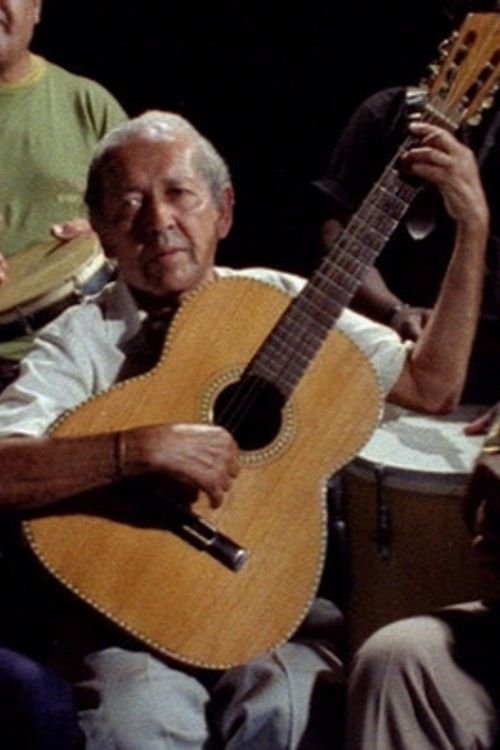
The most famous popular composer in Rio Grande do Sul, Lupicínio Rodrigues (1914-1974) has his life remembered through his songs and testimonies from friends.
In the 30 de Maio settlement, in Charqueadas, Rio Grande do Sul, 40 families settled in 1990 show that it is possible to resist, produce and live collectively from the land. Just one example of how generous the Brazilian land can be when men and women work with everyone's future in mind.