Writing
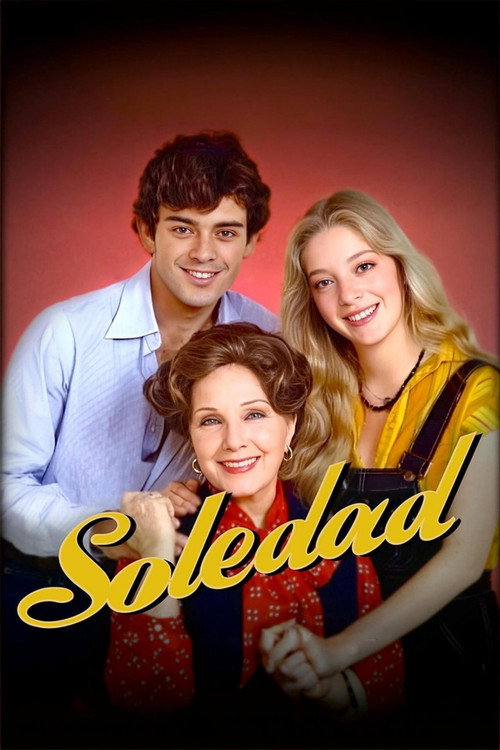
Soledade González is the housekeeper for Anselmo, a father of five: Jesus—who is disabled—Ramiro, Sheila, André, and Luíza. Knowing he was near death, Anselmo married Soledade so she would take charge of his children.
Mistreated by the Narváez family, the poor and innocent Maricruz is humiliated, abandoned, and imprisoned, losing everything. Upon discovering her true origins, she transforms into a wealthy and powerful woman. Driven by grief and the loss of her father, she vows revenge against everyone who made her suffer.
Story of love between Marimar and Sergio. Sergio is from a wealthy family, and Marimar lives with her poor grandparents in a hut in front of the ocean.
When Marichuy was born, her mother—believing she was on the verge of death—handed her over to a priest, who took her to an orphanage. At the age of fourteen, Marichuy ran away from the institution and began wandering from place to place, scraping together a living however she could. Years later, she was attacked by a drunkard; the incident left her harboring resentment toward men and plagued by harrowing nightmares.
Mar de Amor is a Spanish-language telenovela produced by Nathalie Lartilleux with protagonists Zuria Vega, Mario Cimarro and Mariana Seoane and antagonists Ninel Conde, Marcelo Córdoba and Manuel Landeta. This is a remake of the 1978 Venezuelan telenovela María del Mar.
The lives of María Guadalupe, María Fernanda, and María Paula change tragically following an accident in which they lose their parents. María Guadalupe grows up unaware of her sisters' existence, but fate will bring them together.
No description available.
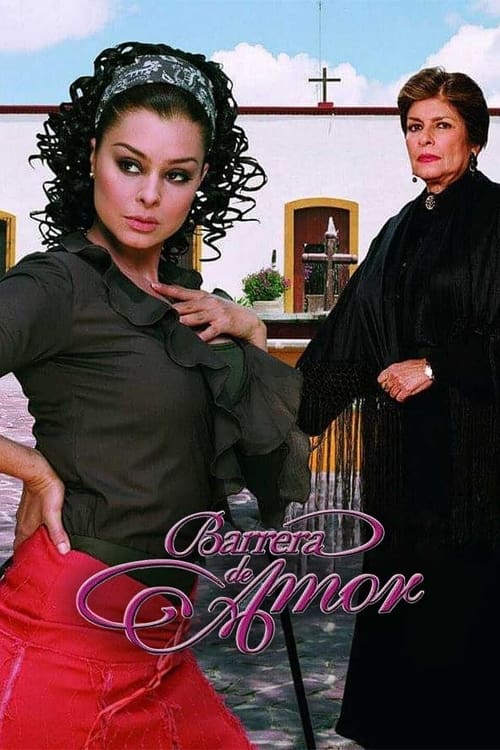
Barrera de amor is a Mexican telenovela produced by Ernesto Alonso for Televisa and originally broadcast on Canal de las Estrellas from October 10, 2005, to May 12, 2006. It is based on an original story by Liliana Abud and was adapted by Orlando Merino and Jaime García Estrada. The telenovela stars Yadhira Carrillo and Sergio Reynoso and was the final production by legendary producer Ernesto Alonso. The story follows María Teresa “Maite” Galván, a young woman deeply in love with the widowed veterinarian Luis Antonio Romero. Their happiness is shattered by the cruelty of the powerful Valladolid family, whose lies, abuse, and thirst for revenge force the couple apart. As Maite struggles against injustice and betrayal, she must fight to protect her loved ones and overcome the barriers that stand between her and true love.
Rodrigo Junquera finds out he is close to death, he decides to ask the nanny of his young child, Virginia Martínez, a beautiful and honest woman, to marry him with the intention of preparing the road so she can look after his children when he's gone. Virginia has to deal with the contempt of Rodrigo's children who acuse her of being an ambitious woman who married their father for his money. Virginia is in love with Rodrigo's eldest son, Carlos Alberto, who has come to mistreat her after finding out she married his dad.
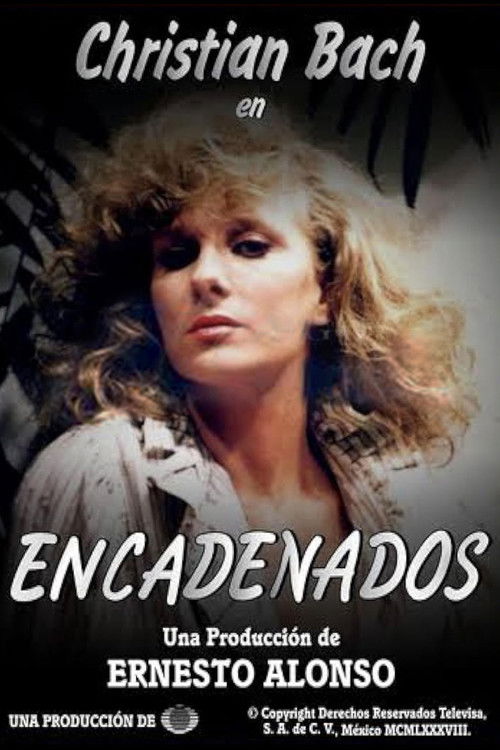
Atrapada is a Mexican telenovela produced by Ernesto Alonso for Televisa and originally broadcast on Canal de las Estrellas from August 19, 1991, to April 24, 1992. Created by Carmen Daniels and Liliana Abud, with literary editing by Tere Medina, the telenovela stars Christian Bach and Héctor Bonilla. The story begins when Antonio Montero, the wealthy president of the Montermex company, is found dead in what appears to be a suicide. Convinced that her father was actually murdered, his daughter Camila sets out to uncover the truth. As her investigation unfolds, she becomes entangled in a web of family secrets, betrayal, romance, and murder, where everyone around her becomes a suspect.
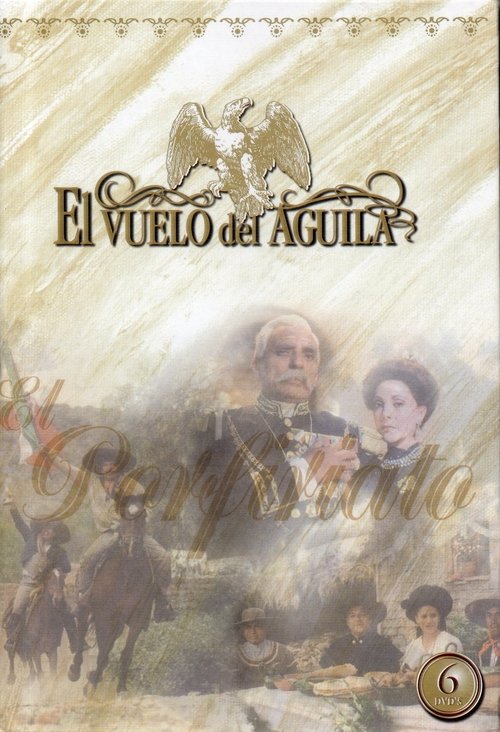
El vuelo del águila is a Mexican historical telenovela produced by Ernesto Alonso and Carlos Sotomayor for Televisa and originally broadcast on Canal de las Estrellas from July 4, 1994, to January 20, 1995. Created by Enrique Krauze and Fausto Zerón-Medina, the telenovela chronicles the life of General and President Porfirio Díaz, depicting the political, military, and social events that shaped Mexico during the Porfiriato. The story follows Porfirio Díaz from his early years as a military hero during the Reform War and the French Intervention to his rise to the presidency and his more than three decades in power. Through historical events, political rivalries, and personal relationships, the telenovela explores the achievements, controversies, and eventual downfall of one of the most influential figures in Mexican history.
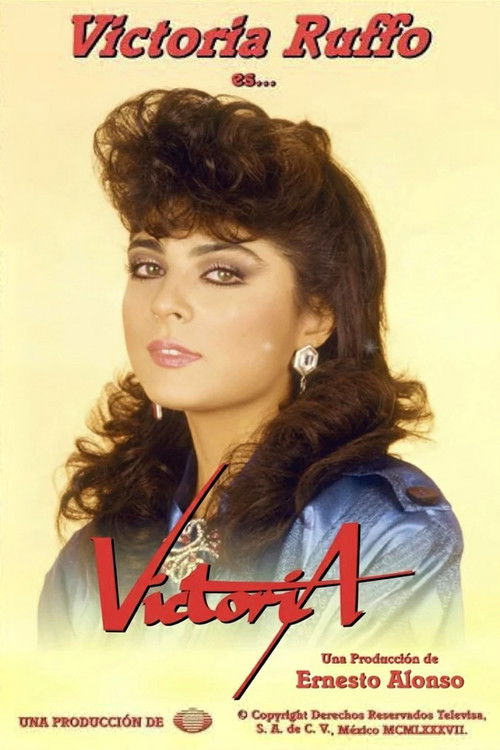
Pobre Niña Rica is a Mexican telenovela shown in 1995, starring with Victoria Ruffo, Ariel López Padilla, and Paulina Rubio. This telenovela contains 65 episodes.
Isabel is abandoned at the door of an orphanage a few days after birth. There she grows between the jokes of the other girls and the mistreatment of the harsh director called "Justa." One day her classmates show her a false birth certificate where it says that her father's name is Jesús García, that he is alive and resides in Mexico City, so she, with the hope of having a family, escapes from the orphanage towards Mexico City to look for her supposed father.
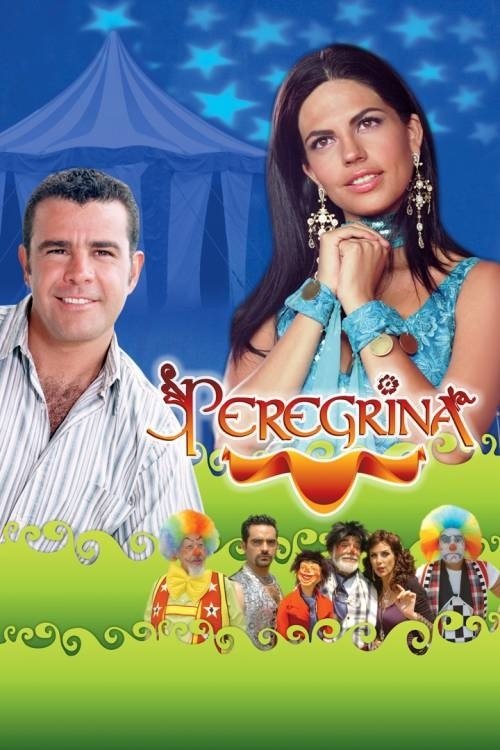
Peregrina is a Mexican telenovela produced by Nathalie Lartilleux for Televisa and originally broadcast on Canal de las Estrellas from November 14, 2005, to March 31, 2006. It is a remake of the 1973 Venezuelan telenovela of the same name, created by Delia Fiallo. The story follows Peregrina, a young gypsy woman who works as a dancer in a traveling circus with her grandmother. After arriving in a coastal town, she meets Rodolfo, and the two fall in love, unaware that a dark secret from their past connects them. As family secrets, ambition, and betrayal emerge, Peregrina must fight for her identity and her happiness.
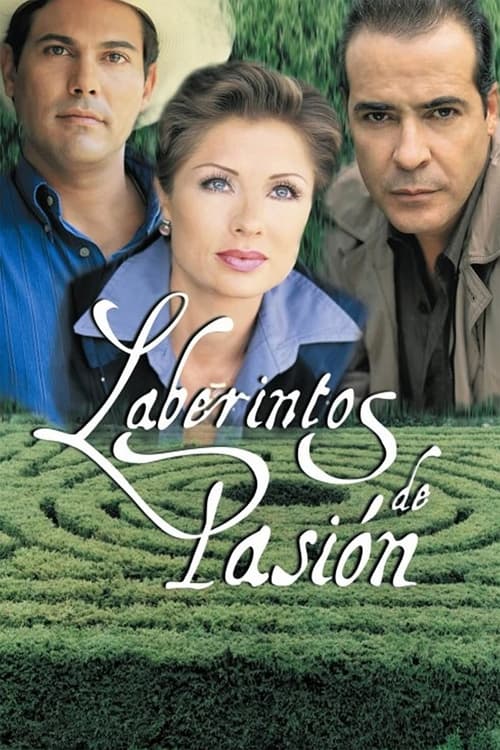
Laberintos de pasión is a Mexican telenovela produced by Televisa in 1999. Starring Leticia Calderon, Francisco Gattorno, César Évora, in addition to the participation of Manuel Ojeda, Monika Sanchez and Azela Robinson.
In the early 20th century, the Montes de Oca family—comprising two sisters and a cousin—finds itself entangled in an intense love triangle. Matilde is in love with her cousin Rodrigo, who loves the other sister, Branca Flor; she, in turn, loves a humble fisherman. Upon discovering this, Rodrigo accuses the fisherman of theft, leading to his arrest. The lovestruck cousin’s malice knows no bounds; learning that Branca Flor is carrying the fisherman's child, he waits for the baby to be born so he can make it disappear.
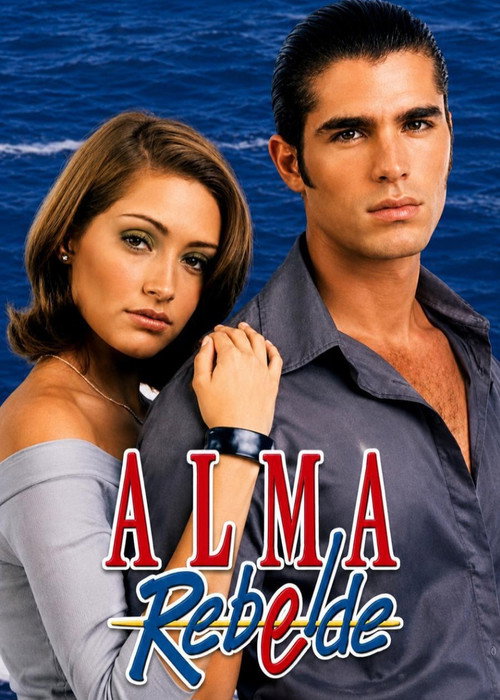
Alma Rebelde is a 1999 Mexican telenovela, starring Lisette Morelos, Eduardo Verástegui and the late Edgar Ponce. It was produced by Televisa. This telenovela contained 90 episodes.
La sonrisa del diablo is a Mexican telenovela produced by Ernesto Alonso for Televisa and originally broadcast on Canal de las Estrellas from February 24 to July 31, 1992. It is the second adaptation of the 1970 telenovela of the same name, originally created by Luisa Xamar, and was adapted by Fernanda Villeli and Marcia Yance. The story follows Déborah San Román, a beautiful and ambitious young woman who stops at nothing to achieve wealth and power. After marrying a wealthy widower while secretly maintaining a relationship with her unscrupulous lover, she manipulates and betrays everyone around her. As her web of lies and crimes grows, love, honesty, and justice begin to threaten her ruthless ambitions.