Camera
Fitil is a popular Soviet/Russian television satirical/comedy short film series which ran for about 500 episodes. Some of the episodes were aimed at children, and were called Фитилёк, Fitilyok, Little Fuse. Each issue contained from the few short segments: documentary, fictional and animated ones. Directed by various artists, including Leonid Gaidai who presented his famous trio of Nikulin, Vitsin and Morgunov into the cast. It was called in USSR as "the anecdotes from the Soviet government".
The love story of young Countess Natasha Rostova and Count Pierre Bezukhov is interwoven with the Great Patriotic War of 1812 against Napoleon's invading army.
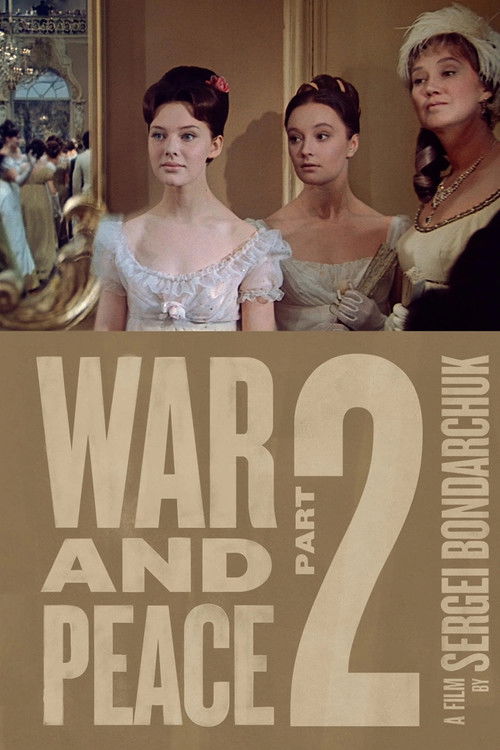
As 1809 nears its end, Natasha attends her first ball, where Andrei falls in love with her with the intent of marriage. However, as her father demands they wait, the prince travels abroad, leaving Natasha in desperate longing. But she meets Anatol Kuragin and forgets Andrei. Part two of the four-part adaptation of Leo Tolstoy's 1869 novel.
In 1805 St. Petersburg, Pierre Bezukhov, illegitimate son of a rich nobleman, is introduced to high society. His friend, Prince Andrei Bolkonsky, joins the Imperial Russian Army as aide-de-camp of General Mikhail Kutuzov in the War of the Third Coalition against General Napoleon Bonaparte. Part one of the four-part adaptation of Leo Tolstoy's 1869 novel.
A story about young dreamer, summer at countryside and a first love.
As Moscow is set ablaze by the retreating Russians, the Rostovs flee their estate, taking wounded soldiers with them, and unbeknownst to them, also Andrei. Pierre, dressed as a peasant, tries to assassinate Napoleon but is taken prisoner. As the French are forced to retreat, he's marched for months with the Grande Armée, until being freed by a raiding party. Part four of the four-part adaptation of Leo Tolstoy's 1869 novel.
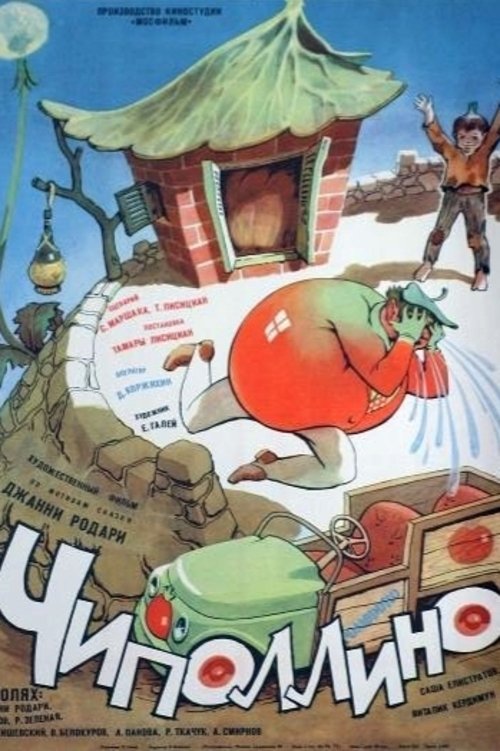
In a world inhabited by anthropomorphic produce, Cipollino fights the unjust treatment of his fellow vegetable townsfolk by the fruit royalty (Prince Lemon and the overly proud Lord Tomato) in the garden kingdom.
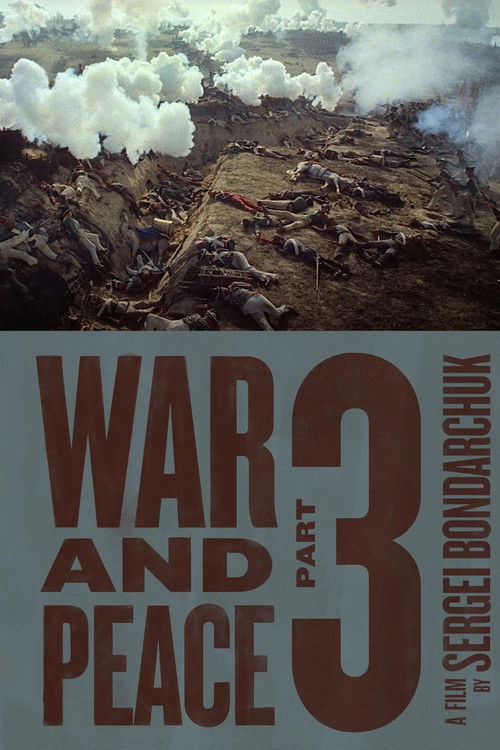
In 1812, as Napoleon's army invades Russia, Kutuzov asks Bolkonsky to join him as a staff officer, yet the prince requests a command in the field. Pierre sets out to watch the armies' impending confrontation. As the Battle of Borodino rages, he volunteers to assist in an artillery battery. Part three of the four-part adaptation of Leo Tolstoy's 1869 novel.
No description available.
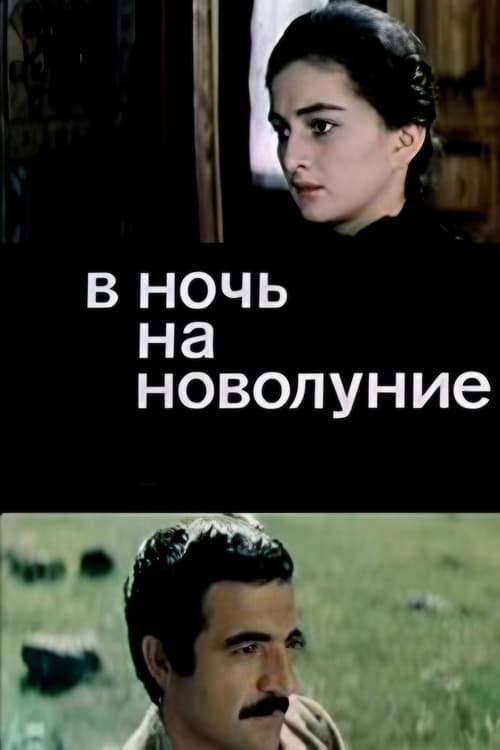
Abkhazia, 1921. Alkhas, a Bolshevik underground worker, returns to his native village to strengthen Soviet power in his homeland. Aditsa, the prince's daughter, falls in love with Alkhas, but her father would like to marry her to Prince Safarbey. The prince did not accept the new power and took up arms. Safarbey's gang kills Red Army liaison Korablev...
The old Zabrodins have always lived honestly, according to their conscience. What is happening in the family of the eldest son, and especially the way the youngest son, a famous soccer player, behaves is not only incomprehensible to his parents, but makes them suffer severely, causes mortal pain.
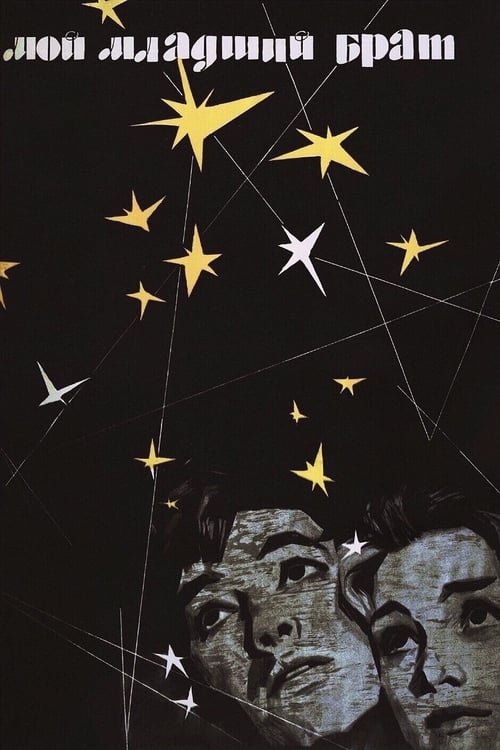
School is over, final exams are behind — and Dima was the first to think of waving away from home. The convictions of his elder brother Viktor about a serious attitude to the future life only more “warmed up” the four friends, and for the first time they went to Tallinn for the first time without the bored care of adults...
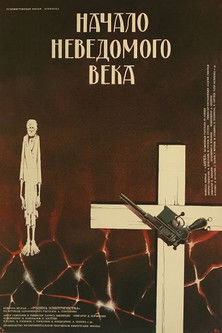
Two young directors adapted the short stories of two Russian authors whose works had been banned for decades, and so their film ended up in the censor’s vault as well – for twenty years. Both tales look back to the post-revolutionary era: 'Angel' (Olesha) speaks tragically of the brutality and destruction of the time, and 'The Homeland of Electricity' (Platonov) captures its haunting grotesquery.
Inspector Sergey Baev arrives at a fishing collective farm for a new job and begins to fight poaching. This does not please both poachers and the head of the artel Fetisov. Having failed to reach a compromise solution, Fetisov sends the Ermakov brothers to "deal" with the new inspector. But the intervention of the police stops the fight, and the criminals receive the punishment they deserve.
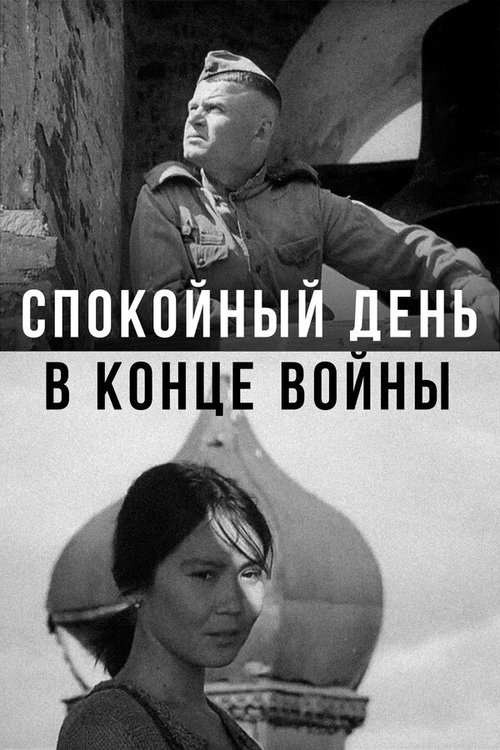
As WWII comes to a close, a wounded Soviet soldier and a Kazak woman seek refuge in a church. In this holy place, they take time to rest and appreciate the beauty of their surroundings, as the interior of the building is lined with ornate works of art. A group of Nazi soldiers eventually disrupts this moment of peace, as they enter the church and defile the sacred works within. Undetected, the original occupants witness this atrocity and the proud Russian feels compelled to fight in an effort to preserve his country’s history.
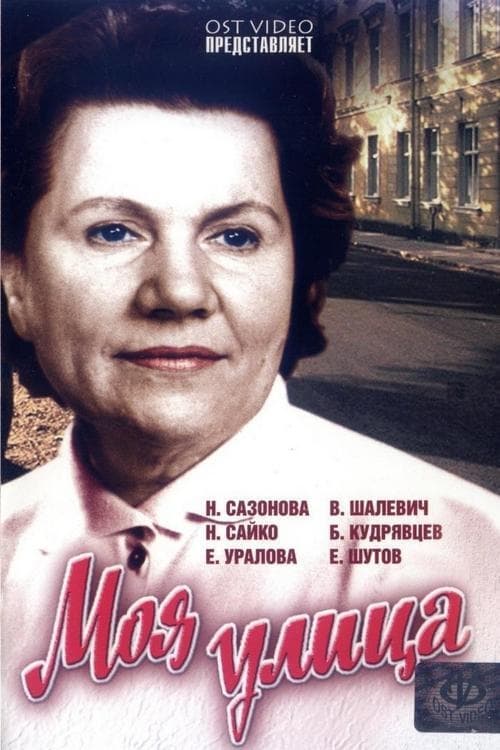
At the heart of the plot - the erroneous message about the death of Varvara Antonovna gathers around her son, daughter-in-law and grandson. They feel a sense of deep guilt, so carelessly treating a loved one for a number of years
The main character of the film is an ordinary chauffeur Pavel, whose life is not very successful, despite the fact that he is a very kind and fair person. Finally, fate smiles at Pavel, he meets true love, but more and more tests fall to his lot, as if testing a simple guy for strength.