
César González
Directing
Known For
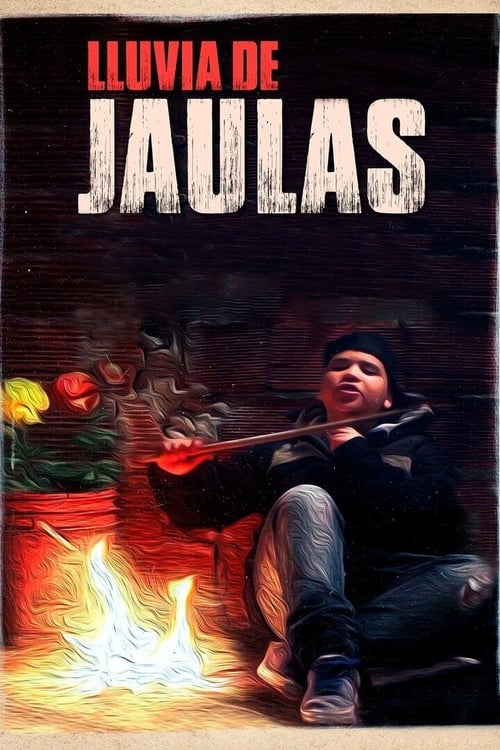
Popular neighborhoods that are open-air prisons. Where beauty flirts with violence. The kingdom of the insubordinate children, veterans of the lead. A garden of amputated flowers, which with crutches on their backs, still grow and dance.
Lluvia de jaulas

Sonia and Arturo live in a house that appears safe but is too large and silent. One night, three armed men violently break into the couple's property. Arturo manages to escape and capture the youngest and most inexperienced of the thieves, deciding to kidnap him and discipline him in the basement of the house. Gradually, the anger dissipates, and strange familial ties emerge that Arturo and Sonia believed were long gone. "Salvajes" is a violent portrayal of a divided society, in an unequal social fabric where the boundaries between victim and perpetrator become blurred.
Savages
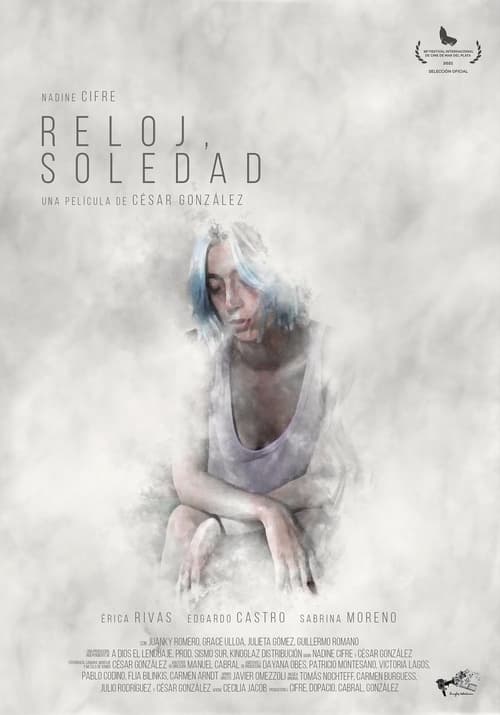
The new film by César González follows a maintenance employee at a printing house whose routine, almost as automatic as the movements of the company machines, is altered when she makes a decision that threatens both her job and her everyday life in the neighborhood.
Clock, Solitude
No description available.
Mofles y Canek en mascara vs. cabellera
No description available.
Fobia

Persephone is released from prison after three years. Returning to the neighborhood will present him with a new hell. Without a job, she gets the help of Juana who shelters her in her house and with whom she looks for some changa to survive.
Atenas
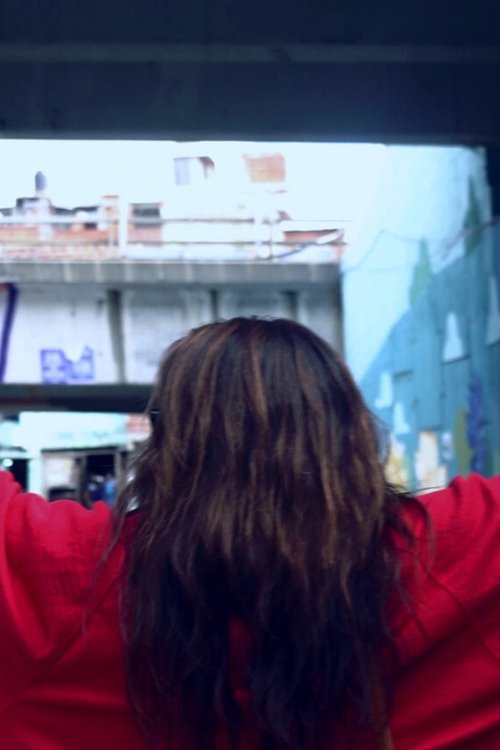
Alma wanders through the streets of Buenos Aires with tranny rage and wit while the city walls tell of the struggle against the patriarchy and the IMF.
Transitando el abismo
No description available.
Guachines

No description available.
Truco
No description available.
Castillo y Sol
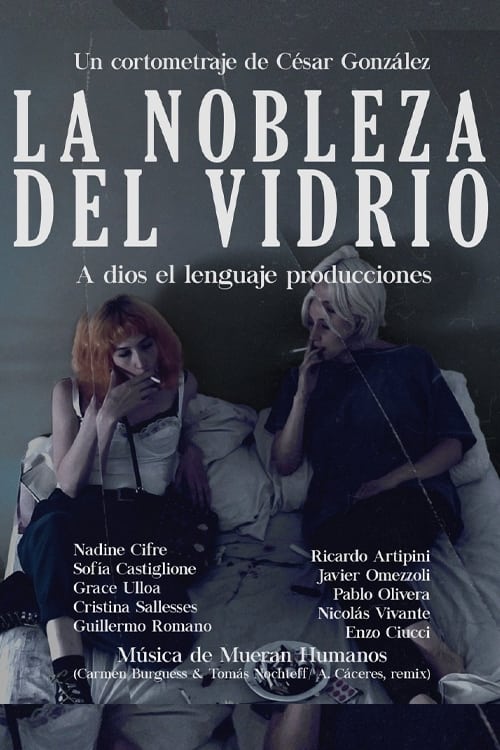
And what if I rejoice in my sadness? I confirm that this darkness is my true light. They don't let me take care of my loneliness. I got used to not having shade.
La nobleza del vidrio

An object crosses the paths of Alejandro and Soledad, a journalist and a young woman born on December 20, 2001. Together, they discover the traces of an event swept under the carpet by power, but present in Argentine popular memory.
Diciembre

Clara invites some colleagues from work to her house for a snack. One of them discovers something that starts an argument that will jeopardize their friendship.
Psychiatry License
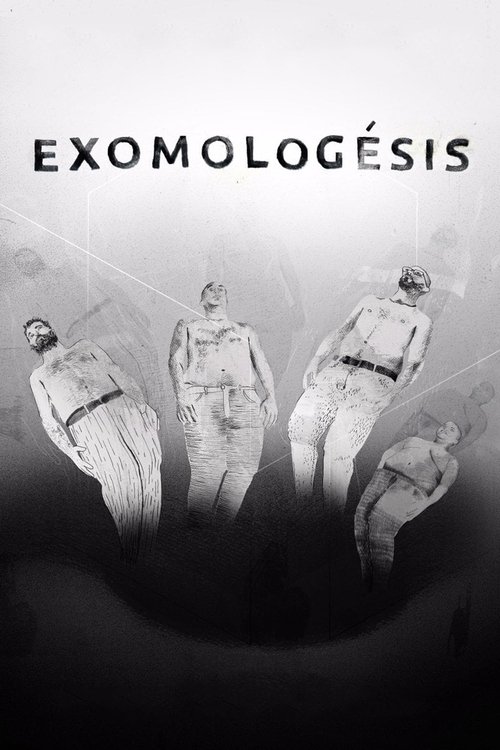
In Exomologesis, the filmmaker and poet César González set out to show the consequences of a society governed by obedience and the consequences of this in times of neoliberalism. Unlike his previous films, in color and with many scenes shot outdoors, this is a black and white film that takes place in a two-room apartment, which allows us to see that an office can also be a closed institution.
Exomologesis
Short film dealing with mainstream media's discourse about social programs
The struggle they don't see

A humble worker, several young thieves at dawn of violence, the dream of a better present that collides with the most cruel discrimination, a car that moves forward collecting the waste of the postmodern city.
¿Qué puede un cuerpo?
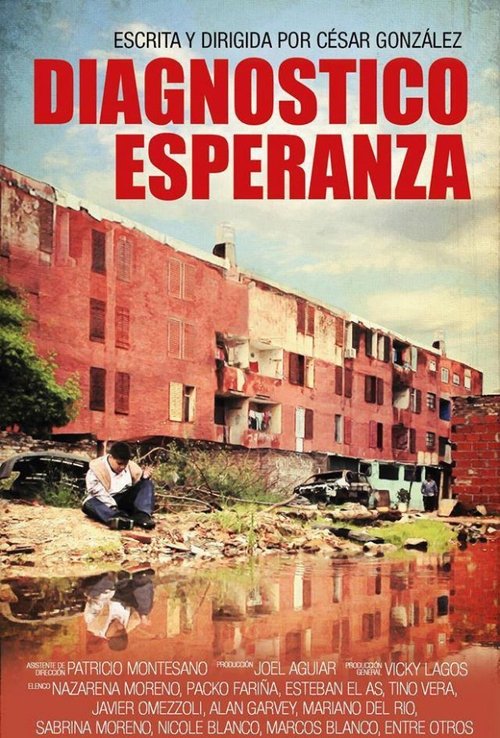
An essay on the existential actuality of the human being located in the Argentinean here and now. A history of singularities, which are mostly traversed by violence and marginality.
Diagnóstico esperanza
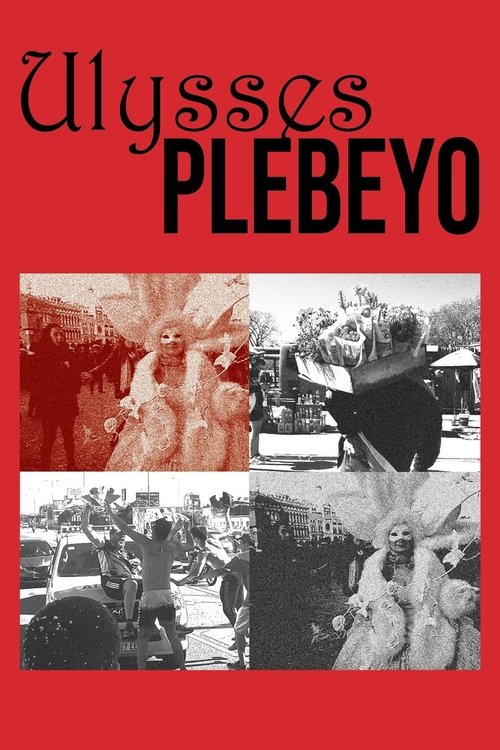
Reality, glowing with anxiety, is dissected and reconstructed through editing to generate blocks of pure image-sound through a precarious camera that, for several years, travels incessantly from the confines of underdevelopment to the heights of European prosperity. From a working-class neighborhood in Buenos Aires to St. Mark's Square in Venice. From prison to the plains.
Ulises plebeyo
"The prevailing stigmatization of the 'villero' universe is fed back by the images. In order to dismantle this stigmatization, other images must be presented or we need to reveal what the existing ones seek to cover up. The slum is usually represented from a limited and deceitful visual panorama. This representation has an intention. Cinema and television are two image-producing devices that strengthen the stereotypes that we have about the people who inhabit these spaces. And what happens in the field of painting? Do clichés reign there too? This visual essay seeks to confront various works by national painters and sculptors, belonging to the Palais collection, with the kinetic images of current cinema and television, to reflect on both the differences and the similarities in the meanings and discourses that both regimes of images can produce." César González
sin título
A documentary that deals with the urgency and destiny of the country in electoral times.