Werner Kohlert
Camera
Biography
Werner Kohlert is a German cinematographer.
Known For

At the end of the 1980s, a film team is about to visit Lukas Wolf, Friedrich Wolf's eldest son, who lives in the state of New York, USA. They carry with them a letter from his half-brother Markus Wolf the Stasi chief from GDR. The brothers have not seen each other since 1933; on the other hand, Lukas met his other half-brother Konrad Wolf once in New York City, where they got along very well, after many years of separation. Johanna and Lukas come from Friedrich Wolf's first marriage with Käthe Gumpold, Markus and Konrad, from the second wife Else Dreibholz.
Verzeiht, daß ich ein Mensch bin
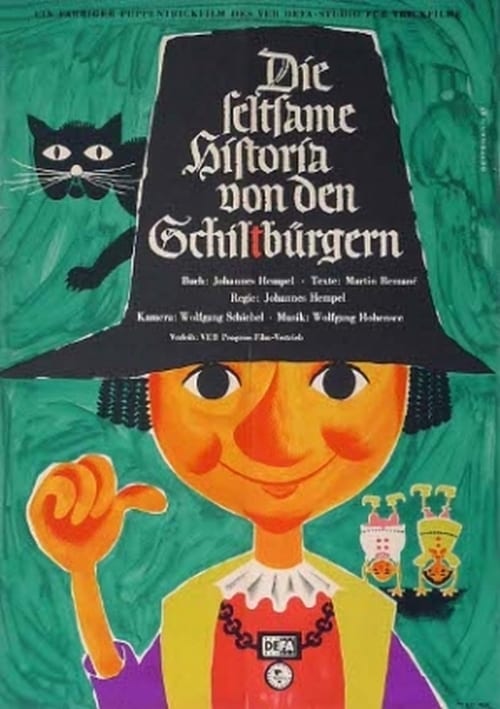
The first animated feature film made in East Germany. The people of Shilda were once welcome at the courts of princes all over the world, but back at the Shilda castle work remained and had to be carried out by the women of the town. The women grew tired of this and called their men back. After many foolish decisions, the townspeople were victims of their own devices, and eventually set fire to their own city. The fire destroyed everything, and the citizens of Shilda fled out into the world.
The Strange History of the Citizens of Shilda
Kochberg Castle was once owned by the von Stein family and Goethe visited Charlotte von Stein there several times. On the occasion of the "1000 years of Weimar" celebrations, the castle, which has been converted into a memorial, is being opened to the public. At the inauguration ceremony, students of the Weimar Academy of Music will give a large festive concert. On the basis of old engravings and personal letters and pictures the audience learns more about the relationship between Goethe and Charlotte von Stein.
Grosskochberg - Public Landscape Gardens
A film about Jewish cemeteries in East Berlin, based on a screenplay by Günter Kunert, with text by Rabbi Martin Riesenburger. There are shots of gravestones and inscriptions – deported, murdered, perished; in Auschwitz or Theresienstadt. Commentary reminds us of the victims – "in 1933, 160,564 Jewish citizens lived in Berlin; in 1945, 3,500".
Memento
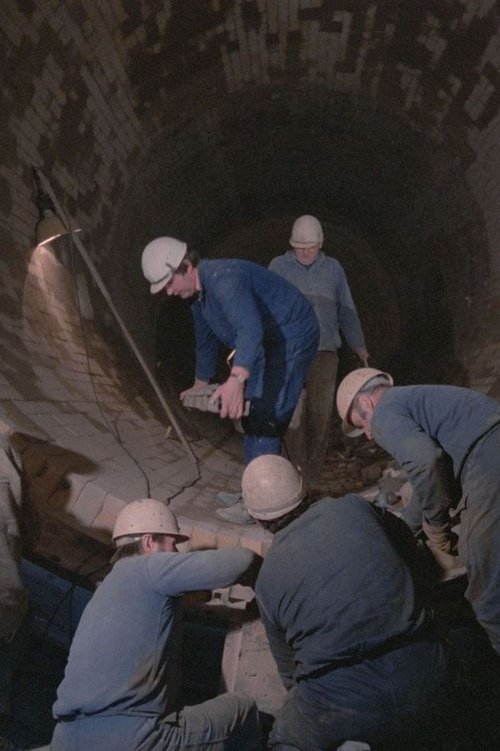
A documentary crew follows the December 1978 “big repair” at the Bernburg (Saale) cement works, normally shut only for maintenance, where management has cut the planned 16-day turnaround to 14, with a 15 000 M bonus (rising to 20 000 M if finished a day early). As cameras roll through cement dust, crew and workers discuss the twice-yearly overhaul, familiar crews, and gritty camaraderie. They learn that chronic spare-parts shortages force constant improvisation, and that bureaucratic red tape weighs heavier than the hardest labor. Amid pride in their long-running plant, workers confess simple hopes for health, peace, and family. By film’s end, the crew realizes the true “core” of the factory lies not in its machinery, but in its people’s hands and minds.
Reparaturbrigade Zementwerk
Angela Davis visited the GDR in late summer 1972. For months, people all over the world had fought for her release. In Berlin, Leipzig, and Magdeburg, children were able to see Angela Davis, talk to her, and present her with flowers and gifts.
Für Angela
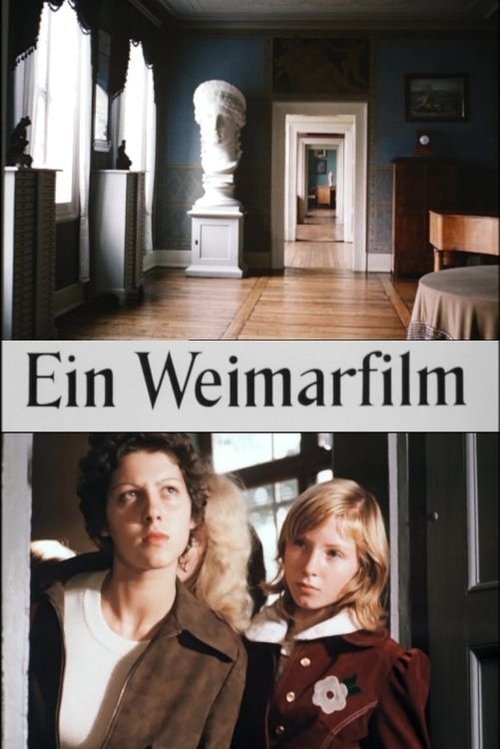
Documentary on the 1000-year-old town of Weimar. The film presents an example of the victory of humanist traditions over nazi brutality.
1000 Years Weimar
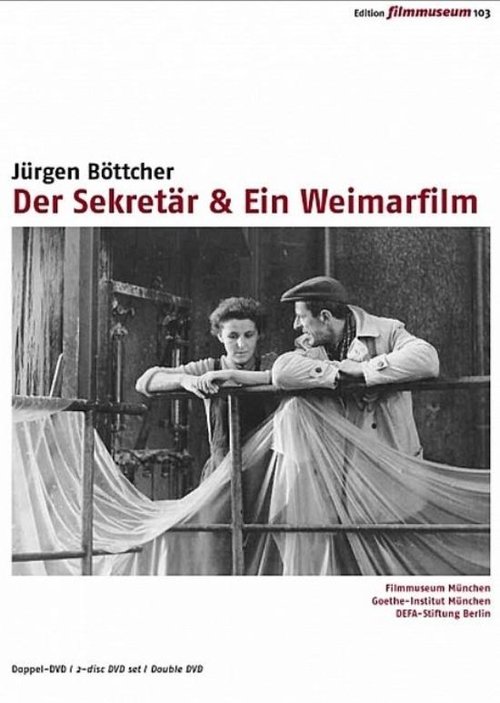
In this film about apprentices of the Rewatex laundry, Böttcher once again turns to the focal concern of almost all his films the attempt to report as truthfully and impressibly as possible on the life of workers. Böttcher takes the audience into the midst of a seemingly unknown environment only to let them realize how familiar this world in fact is.
Laundresses
The film’s subtitle identifies it as a “study of the constructive discontent of a composer”. It is a portrait of the pugnacious musician Paul Dessau (1894 – 1979), who was controversial in East Germany, as a teacher. It follows the composer as he rehearses the “Bach Variations” with the Berlin state opera orchestra, as well during classes at the Polytechnic School I in Zeuthen, where he strives to teach the students a critical attitude. In an interview, Dessau bemoans the simplification of artistic media and elucidates the meaning and necessity of “hard sounds in an era that is not soft”. As we see when he works, “pleasure requires effort” … “art is never comfortable. Building socialism is not comfortable at all. That’s why I’m in favour of the uncomfortable”.
Paul Dessau
Angela Davis visiting the German Democratic Republic. A film about the people she met and her impressions.
Davis Report
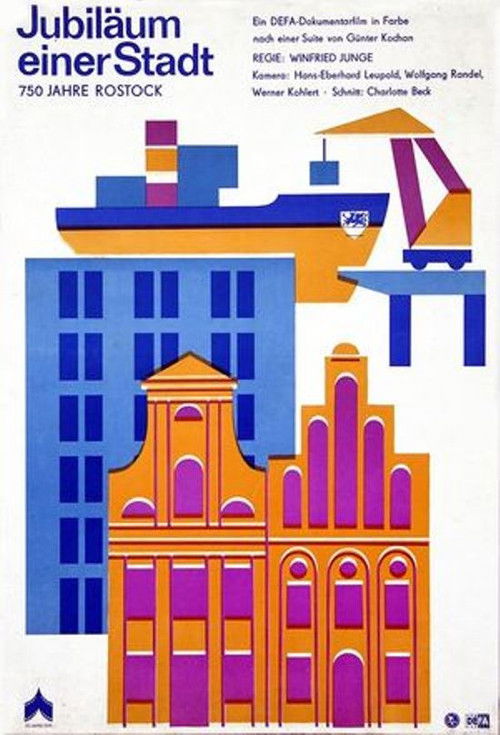
Promotional documentary for Rostock and Warnemünde with no commentary. Eleven film themes are set to a suite by composer Günter Kochan. Alternating image sequences of the old and new Rostock blend harmoniously with the music and show a proud, but also battered Hanseatic city, right up to the 750th anniversary with its national and international guests.
Jubiläum einer Stadt - 750 Jahre Rostock
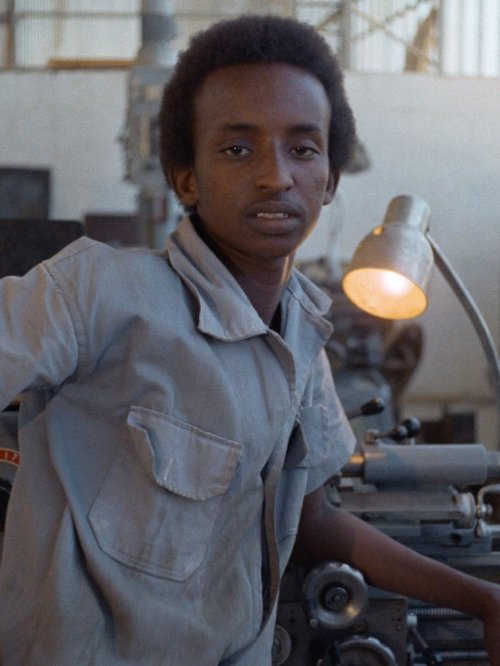
East German documentary short about Somalia in 1976.
Somalia - Die große Anstrengung
The annual production conference, speeches by functionaries and silence of the workers while they are waiting to descent into the pit. Talking of the unimportant, what really should be said remains unspoken of. A suffocating closeness to reality conserved a part of history that remains ageless though impressive images.
Miners
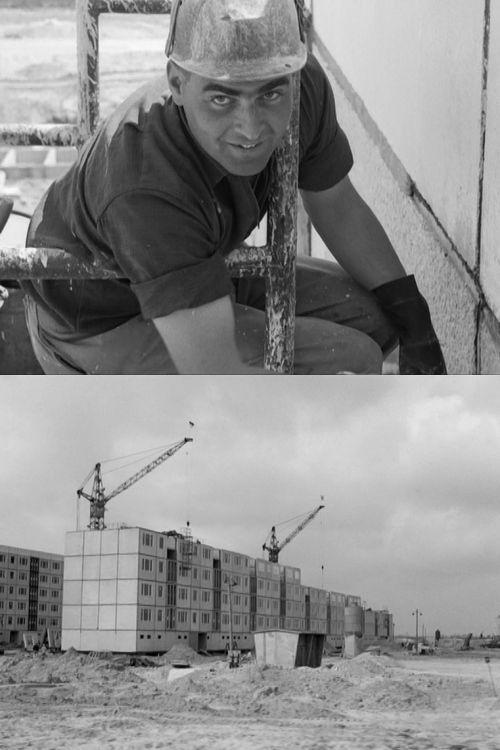
A black-and-white documentary film about the large housing estate "Lütten Klein" in the northwest of Rostock in June 1968. On the basis of the construction worker and shop steward Hans Schmidt, the efforts to fulfil the plan are clearly shown, even if the supplies and weather conditions are not optimal. The group meeting of the construction brigade shown here describes, among other things, the hardships and disappointments of some of the workers on the construction site. On the other hand, the construction management and shop steward Schmidt try to motivate the workers to achieve even higher performance by demanding competition and obligations.
A Representative
With excerpts from Goethe's diary, sketches and engravings, this film follows Goethe's Italian Journey through Rome, Naples and Pompeii.