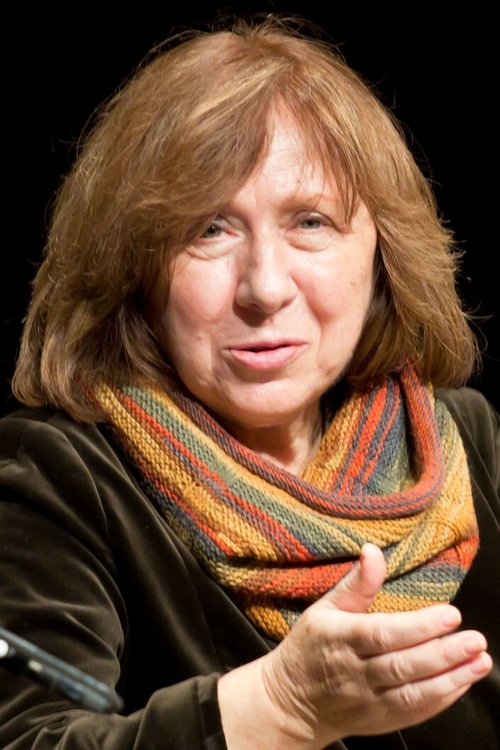
Svetlana Alexievich
Writing
Biography
Svetlana Alexandrovna Alexievich is a Belarusian investigative journalist and non-fiction prose writer. Her father is Belarusian and her mother is Ukrainian. After her father’s demobilisation from the army, the family returned to his native Belarus and settled in a village where both parents worked as schoolteachers. She left school to work as a reporter on the local paper in the town of Narovl. She went on to have a career in journalism and has written short stories and reportage, in which she’s covered the Chornobyl catastrophe, the Soviet war in Afghanistan and many other events – all based on thousands of interviews of witnesses. Svetlana received Nobel Prize in Literature in 2015.
Known For
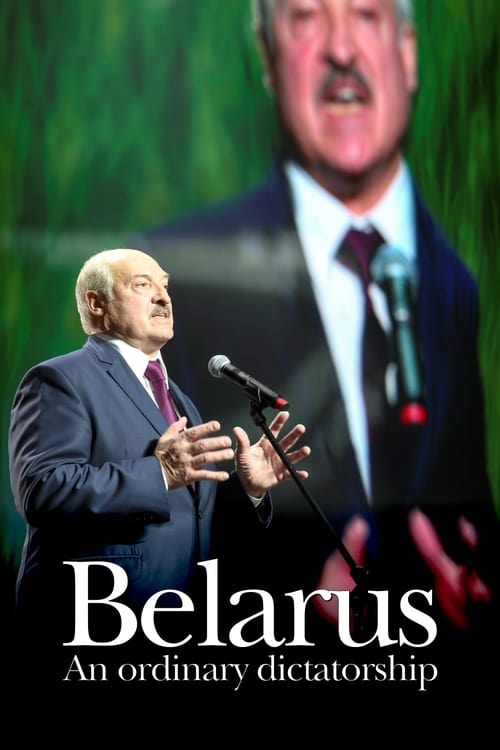
It’s the last dictatorship of Europe, caught in a Soviet time-warp, where the secret police is still called the KGB and the president rules by fear. Disappearances, political assassinations, waves of repression and mass arrests are all regular occurances. But while half of Belarus moves closer to Russia, the other half is trying to resist…
Belarus: An Ordinary Dictatorship
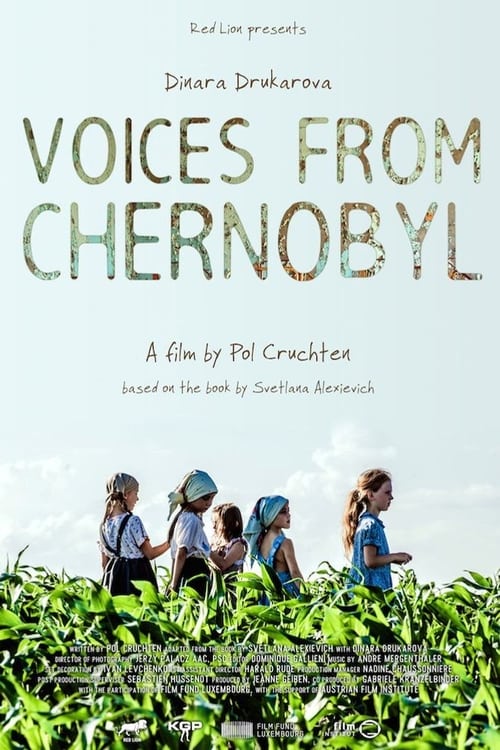
This film does not deal with Chornobyl, but rather with the world of Chornobyl, about which we know very little. Eyewitness reports have survived: scientists, teachers, journalists, couples, children... They tell of their old daily lives, then of the catastrophe. Their voices form a long, terrible but necessary supplication which traverses borders and stimulates us to question our status quo.
Voices from Chernobyl
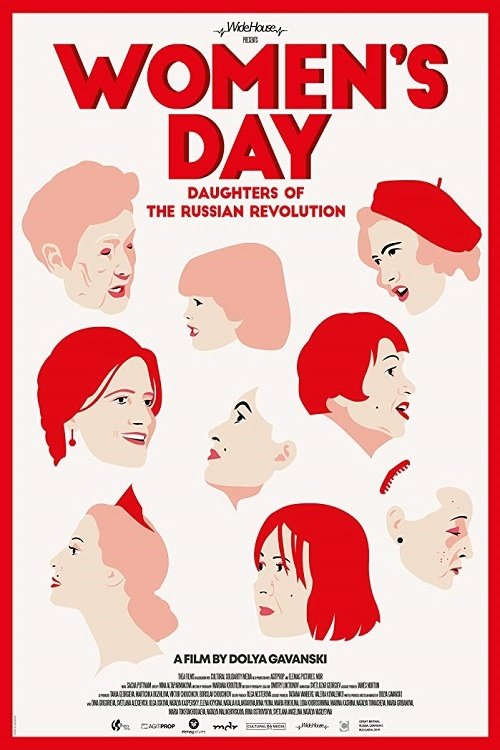
Astounding stories by women born in the USSR, pioneers and survivors, that reveal their heroic experiences from the time of the Revolution in 1917 to the present day through personal testimonies and intimate conversations with remarkable women and unseen archive footage. It opens a door to their inner thoughts, feelings, fears and hopes. Their experience foreshadowed that of women of today and yet their fate is also the story of their century.
Women's Day

Shortly after the nuclear Chornobyl disaster in 1986, a father risks his life and returns to his deserted apartment to retrieve his front door.
The Door
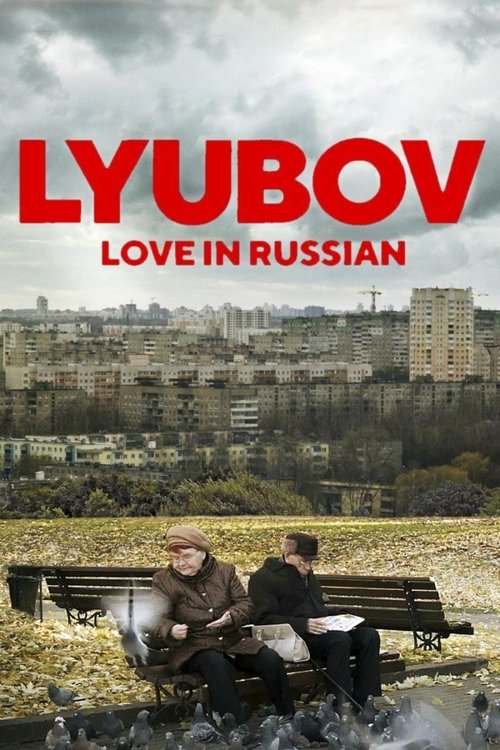
For several years, Nobel laureate Svetlana Alexievich traveled around in Russia and Belarus to investigate the relationship to love of the Russian people. One, as Svetlana means, is an acute shortage in today's society.
Lyubov: Love in Russian

For three years, filmmaker Staffan Julén has traveled with Svetlana Alexievich in Belarus and Russia to document her working method when her reportage books are created. At first, filmmaker Staffan Julén wanted to make a traditional writer portrait on Nobel Prize laureate Svetlana Alexievich which she was not interested in. Her suggestion was instead that he would tag along with her in her ongoing projects and follow her when she talks to people about love.
Den värsta lögnen är den dokumentära
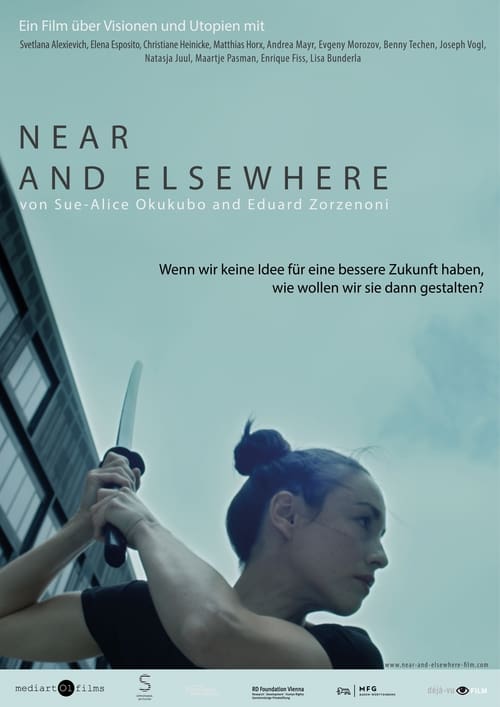
In fictional sequences inserted into this documentary about economic, social and political perspectives on possible upcoming developments, the filmmakers portray a utopian future as a foreign territory. Six public figures from various cultural and social circles reflect on the future as a matter of time, people and the world.
Near and Elsewhere
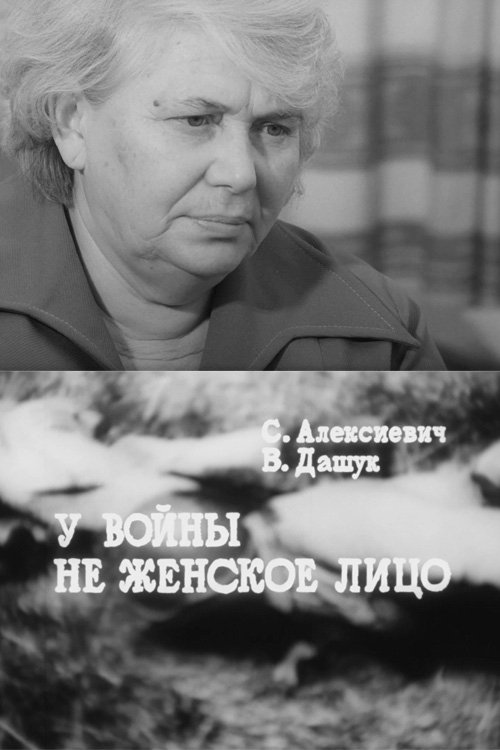
A nurse, a telephonist, a partisan, and other women share their stories of cruelty, love, and routine in wartime.
The Unwomanly Face of War
In the immediate aftermath of the 11 September Paul Virilio suffered from a malaise found very seldom among philosophers, which was caused by an excessive degree of confirmation on the part of reality. He broke off work on his book "L'accident Intégral" to put together an exhibition that was designed to illustrate the concept of the global accident in all its topicality. The outcome was the much-vaunted Ce qui arrive, which was housed in the Fondation Cartier pour l'art contemporain in Paris from 29 November 2002 to 30 March 2003. The cinematic installation, Unknown Quantity, which was a key part of the exhibition, features the staging of a discussion between Paul Virilio and Svetlana Alexiyevich, the author of the book "Chernobyl. Chronicle of the Future", the essential witness's statement on the conversion of history in catastrophe.