Shari Robertson
Directing
Known For
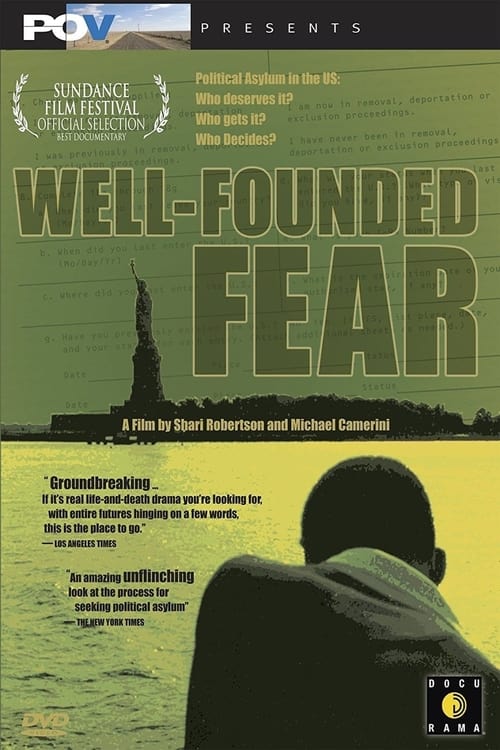
Examines how the Immigration and Naturalization Service decides who will be granted asylum in the United States. The applicant must have a "well-founded fear" of persecution in his or her home country. Despite true and terrifying stories of torture and mistreatment, it's often up to how well the translator presents the case and how sensitive are the ears of the asylum officer to decide a person's fate.
Well-Founded Fear
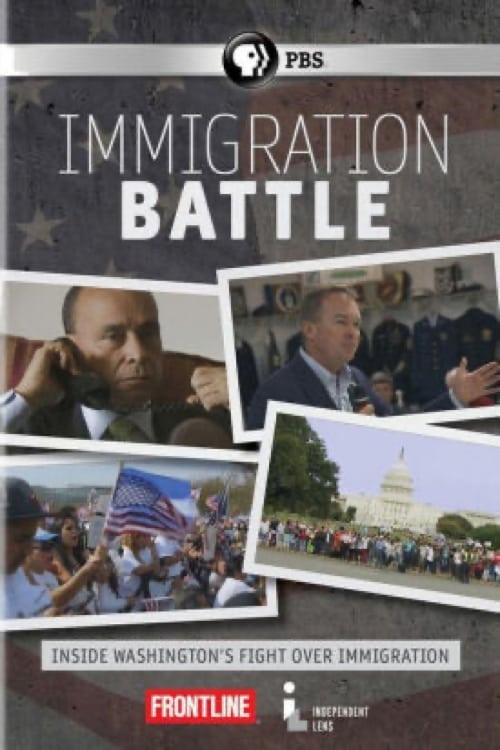
Why has it been so hard for Washington to fix our country's broken immigration system? In "Immigration Battle," a special two-hour feature film presentation from FRONTLINE and INDEPENDENT LENS, acclaimed independent filmmakers Shari Robertson and Michael Camerini take viewers behind closed doors in Washington's corridors of power to explore the political realities surrounding one of the country's most pressing and divisive issues.
Immigration Battle
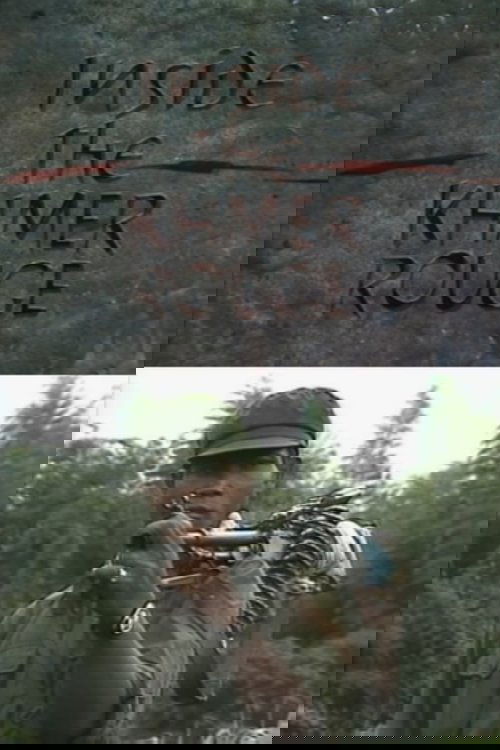
Inside the Khmer Rouge takes an in-depth look at the history, domination, and current status of the Khmer Rouge (a Communist regime) in Cambodia. The film features revealing interviews with soldiers of both the modern Khmer Rouge and those who fight in opposition. A comprehensive timeline of the regime's five-year occupation in Cambodia is dissected and includes a review of key individuals, ideologies, and locations where devastation hit hardest. Following this, the film takes a look at the effects on the Cambodian citizens upon the retraction of Vietnamese forces. Inside the Khmer Rouge continues to investigate the current tactics the modern Khmer Rouge implement and their attempts to persuade followers in order to rebuild and expand their regime. Oppositely, local forces or "jungle soldiers" discuss their devices for assuring the destruction and atrocities once caused by the Khmer Rouge never happen again.
Inside the Khmer Rouge
The concluding film of "How Democracy Works Now," a documentary series that brings the viewer behind the scenes of American democracy and shows how change happens at every level of government. The Senators' Bargain plunges viewers directly into the backstage reality of a remarkable moment -- before the 2008 elections, before the bailouts, before Tea Partiers -- when a high-stakes bill six years in the making had a chance to change American immigration policy. But deep at the heart of this fast-moving story, below the level of strategy and protocol, we find a moral tale of modern American politics. Ted Kennedy, one of the handful of people who, through his personal efforts had truly changed the face of America, now would be forced to decide: how much did he want this deal, and what was he willing to trade for his greatest legacy.
The Senators' Bargain
Since the fall of the genocidal Khmer Rouge regime in 1979, Cambodia has struggled to find its uniqueness and rebuild its society. Waiting For Cambodia features interviews and discussions with a variety of citizens, many of who represent a face of change and hope, and many who remain dedicated to the Khmer Rouge ideology. Images of cultural beauty are displayed through ritualistic dance and song, serving as a powerful accompaniment to the rough images of conflict. The attempts to regain culture, individual rights, and freedom are prevalent themes within the film, and footage of Cambodian relief camps and liberation organizations are displayed as efforts of change.
Waiting for Cambodia

After 9/11, the fight for immigration reform in the U.S. moves from Washington, DC to a small town in Iowa.