
Alexander Rodchenko
Art
Biography
Aleksander Mikhailovich Rodchenko was a Russian and Soviet artist, sculptor, photographer, and graphic designer. He was one of the founders of constructivism. He worked as a painter and graphic designer before turning to photomontage and photography. His photography was socially engaged, formally innovative, and opposed to a painterly aesthetic. Concerned with the need for analytical-documentary photo series, he often shot his subjects from odd angles—usually high above or down below—to shock the viewer and to postpone recognition. From Wikipedia.
Known For
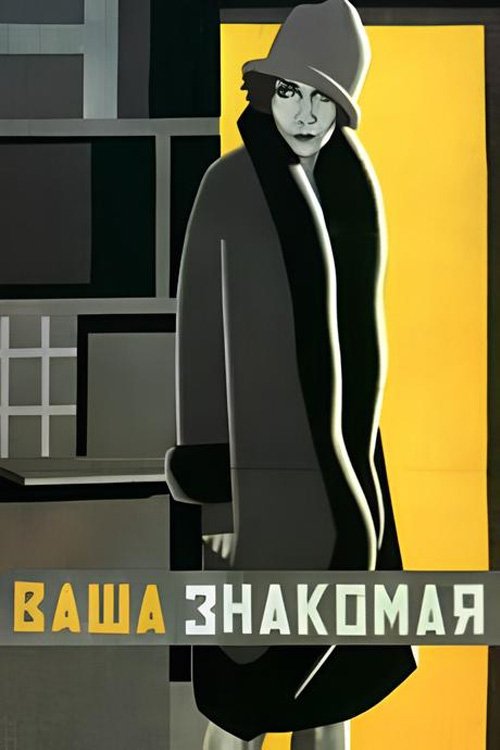
Khokhlova, a girl-reporter on a Moscow newpaper, falls in love with factory manager Petrovsky. To her he's the epitome of manliness--virile, decisive, strong-minded. Conversely, she rejects the sensitive, diffident editor Vasilchikov, who's in love with her, as unmanly. Her infatuation affects her work, and she is fired.
Your Friend
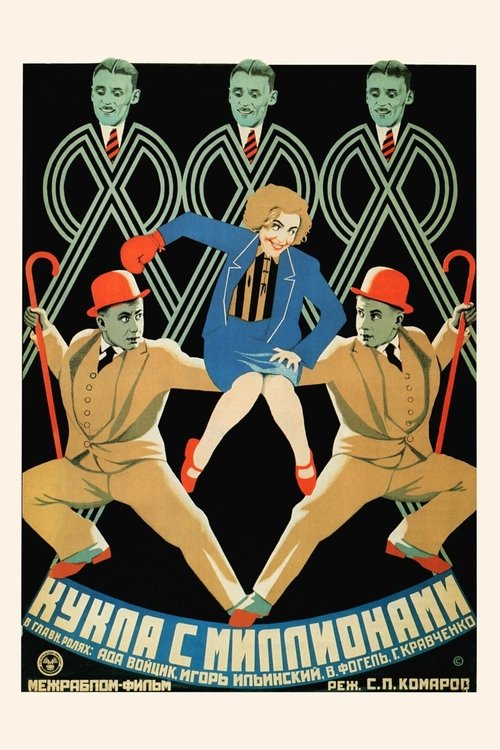
The rich widow Madame Collie leaves the fortune to her lost niece Maria Ivanova. Two cousins of Maria go from Paris to Moscow in order to search her. They have to find a 17 year old girl with the birthmark on her right shoulder. The documents of the heiress are hidden in her doll.
The Doll with Millions
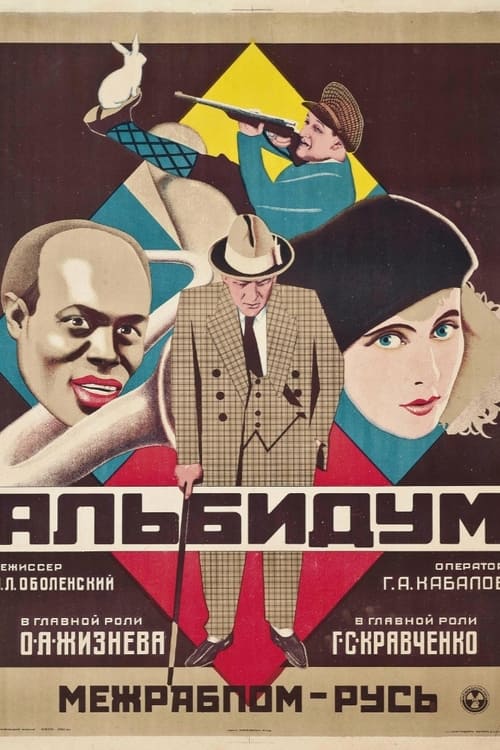
About the struggle of a Soviet agronomist to create a drought-resistant variety of wheat. His work is hampered by bureaucracy. When excellent qualities of Albidum, as the developed variety is called, receive wide recognition and authorities decide to export it, external market monopolies do everything possible to prevent the export of Albidum. The film is considered to be partially lost as only one seven-minute fragment is known and found.
Albidum
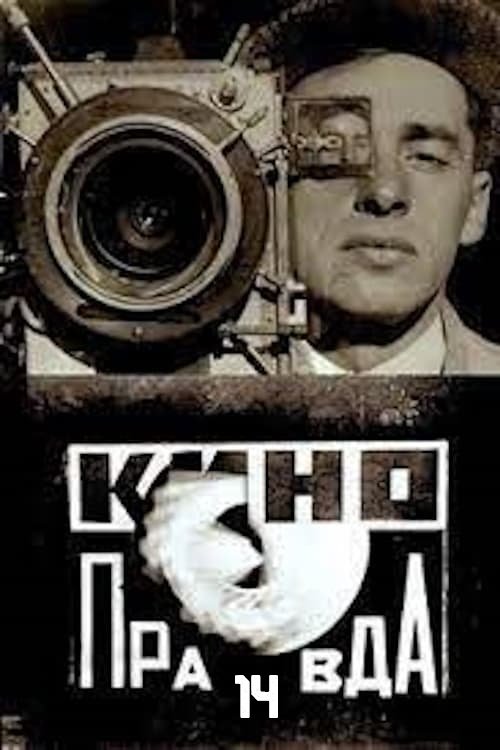
Dziga Vertov-directed Soviet newsreel covering: IV. Congress of the Comintern / Congress of the Profintern.
Kino-Pravda No. 14

Dziga Vertov-directed Soviet newsreel covering: International Youth Day and demonstrations / All-Russian Olympiad / Streetcar collision / Construction of automobiles in a Petrograd factory.
Kino-Pravda No. 10
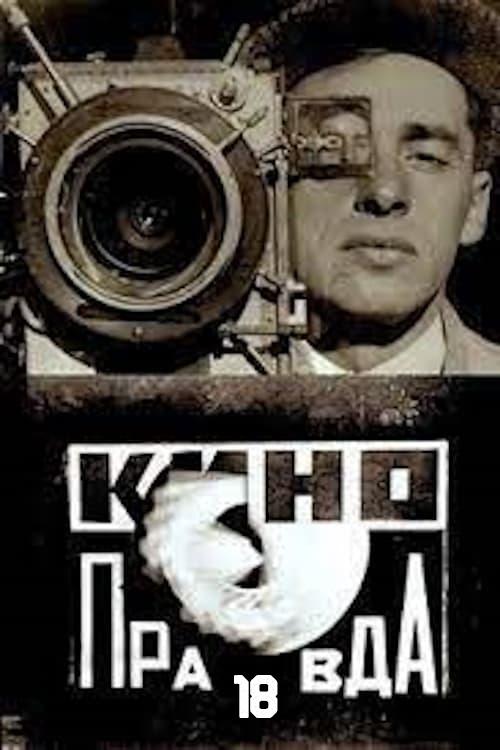
Dziga Vertov-directed Soviet newsreel covering: Up the Eiffel Tower in Paris / Moscow / Auto race Petrograd – Moscow / Aspects of everyday Soviet life / Peasant from Jaroslavl' visiting Moscow / Ceremonial introduction of a newborn into a workers' collective
Kino-Pravda No. 18: A Movie-Camera Race Over 299 Metres and 14 Minutes and 50 Seconds in the Direction of Soviet Reality
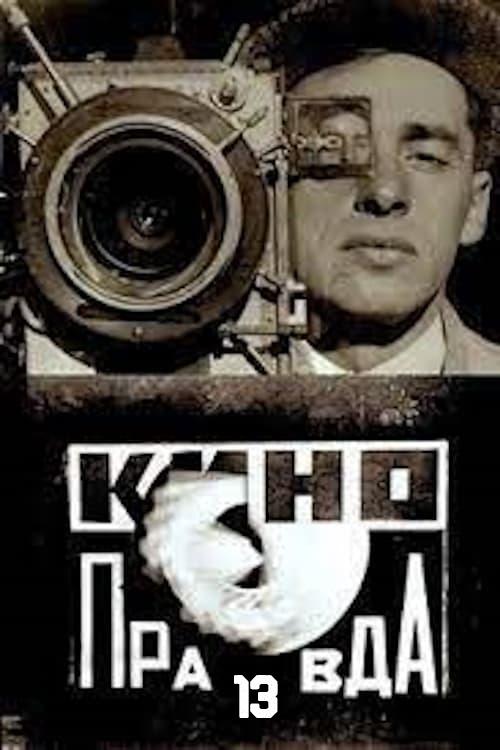
Dziga Vertov-directed Soviet newsreel. The first themed issue of Kino-Pravda, devoted to the fifth anniversary of the October Revolution in 1922.
Kino-Pravda No. 13: Yesterday, Today, Tomorrow. A Film Poem Dedicated to the October Revolution
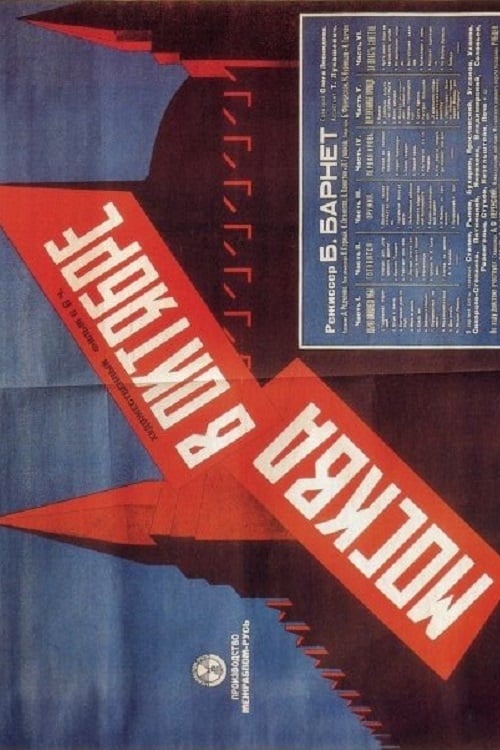
October reflects a general attempt in Russia to sustain the frenzy and dynamism of revolutionary fervour. This attempt increased in scale and ambition as they pushed it further, resulting in the theatricalisation of life. In other words, the boundaries between real events and fabricated drama became blurred as the portrayal of life became more exaggerated. It is important to remember that the film does not represent what actually happened during the 1917 Revolution, but is rather an adaptation.