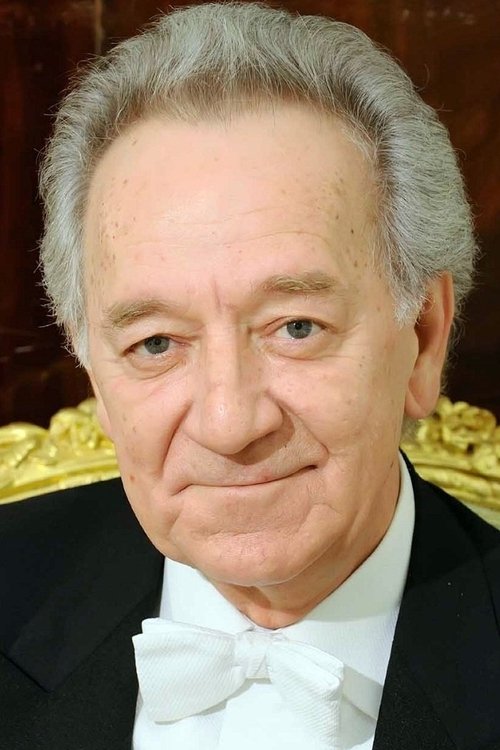
Yuri Temirkanov
Sound
Biography
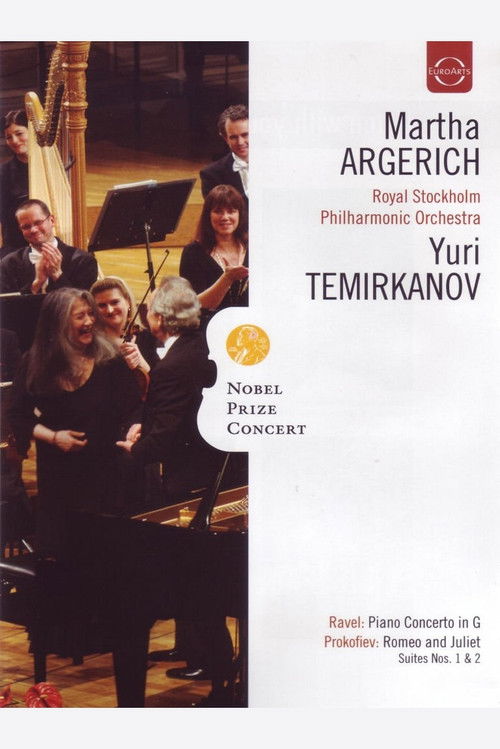
Yuri Khatuevich Temirkanov (Russian: Ю́рий Хату́евич Темирка́нов; Kabardian: Темыркъан Хьэту и къуэ Юрий; 10 December 1938 – 2 November 2023) was a Soviet and Russian conductor, named a People's Artist of the USSR. Born in 1938 in the North Caucasus city of Nalchik, Temirkanov attended the Leningrad School for Talented Children where he continued his studies in violin and viola. His older brother Boris was also a conductor. In 1968, he was appointed Principal Conductor of the then-renamed Leningrad Symphony where he remained until his appointment as Music Director of the Kirov Opera and Ballet in 1976. Temirkanov was the first Soviet artist permitted to perform in the United States after cultural relations were resumed with the Soviet Union at the end of the Soviet–Afghan War in 1988. Temirkanov became artistic director and chief conductor of the St. Petersburg Philharmonic in 1988. He was music director of the Baltimore Symphony Orchestra from 2000 until 2006. He served as principal guest conductor of the Danish National Symphony Orchestra and conductor laureate of the Royal Philharmonic Orchestra in London. In 2015, the Teatro La Fenice awarded Temirkanov its prize 'A Life for Music' (unofficially known as the Nobel Prize for Musicians). Yuri Temirkanov died on 2 November 2023, at the age of 84. Temirkanov drew attention for saying that women are essentially weak and thus not well suited to be classical conductors. In a 2016 interview, he stated: "Yes, women can be conductors. I am not against them conducting. But I simply don't like it." Source: Article "Yuri Temirkanov" from Wikipedia in English, licensed under CC-BY-SA.
Known For

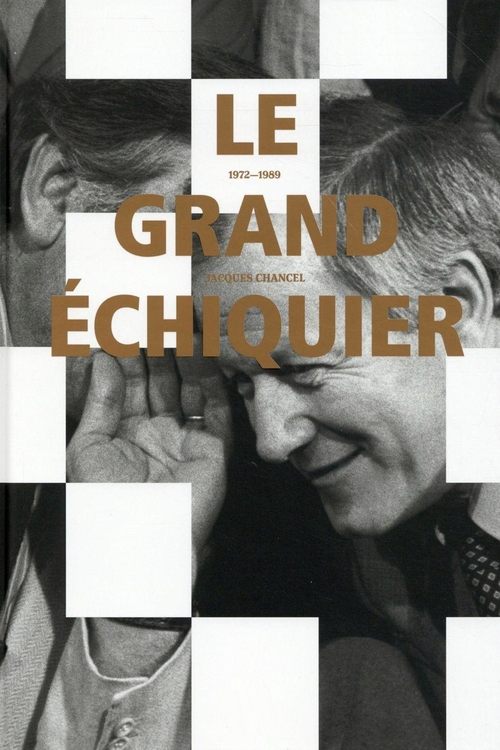
Le Grand Échiquier is a French variety television program created and presented by Jacques Chancel. It aired at 8:30 pm on the first channel of the ORTF from January 12, 1972 to July 12, 1972, then on the second color channel of the ORTF from September 1972 to December 1974, and finally on Antenne 2 from January 1975 to December 21, 1989. The program returned to France 2 on December 20, 2018 and is hosted by Anne-Sophie Lapix.
Le Grand Échiquier

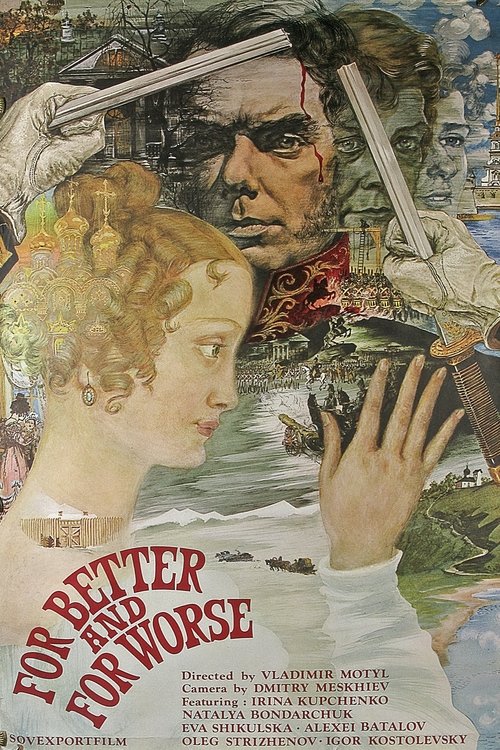
In December 1825, distinguished members of the Russian military, most of whom were quite affluent and of noble lineage, took it upon themselves to stir revolution against the autocratic and tyrannical Czar Nikolai I in the wake of his not honoring the drafting of a constitution for the Russian people. The revolution failed miserably and the conspirators (known as the Decembrists) were weeded out by the czar himself. One by one, each of the conspirators confess and are systematically exiled to the harsh winters of Siberia, slated to work and wither in a prison/mine. The wives of the conspirators are faced with the prospect of leaving the bosom of wealth and family (including their own children) to be with their husbands in the brutal Siberian locale. If they agree to this, they face having their illustrious social stations stripped away and certain disdain from everyone around them...
The Captivating Star of Happiness

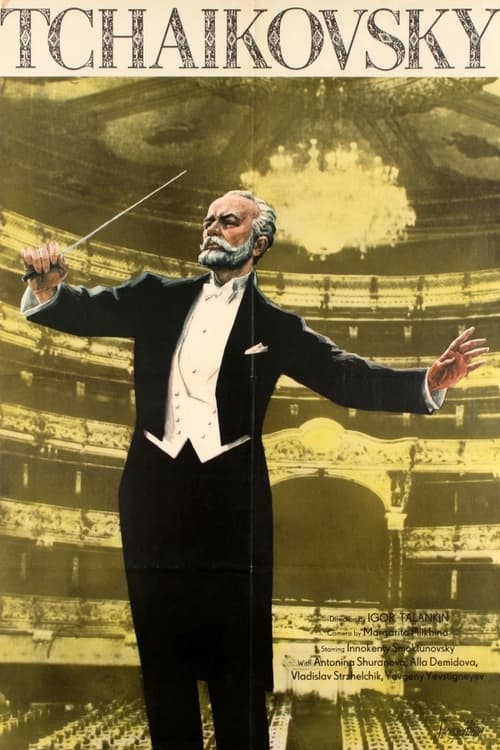
The film is dedicated to the great Russian composer Pyotr Tchaikovsky (1840-1893). It tells of the last twenty years of the great master’s life, of his friendship with Baroness von Meck, an outstanding woman of her time, who for many years was Tchaikovsky’s guardian angel. The film also includes retrospections of the composer’s childhood and adolescent years, with Tchaikovsky’s life poetically recounted against the background of fragments from his operas and ballets performed by the best Russian musicians.
Tchaikovsky

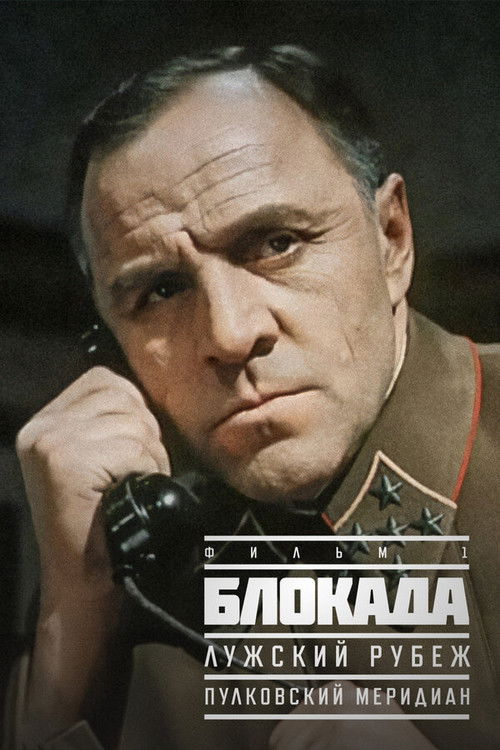
In June 1941, the Extraordinary Defense Headquarters of Leningrad, under the leadership of Zhdanov and Voroshilov, decided to build the Luga defensive line. Heavy fighting west of Pskov forced units of the front to withdraw, and on July 9, Pskov was also abandoned. The battles in the Luga direction held back the enemy. The first attacks of the Germans, intending to cross the Luga line on the move, were repulsed with heavy losses for them.
The Siege: The Luga Defense Line

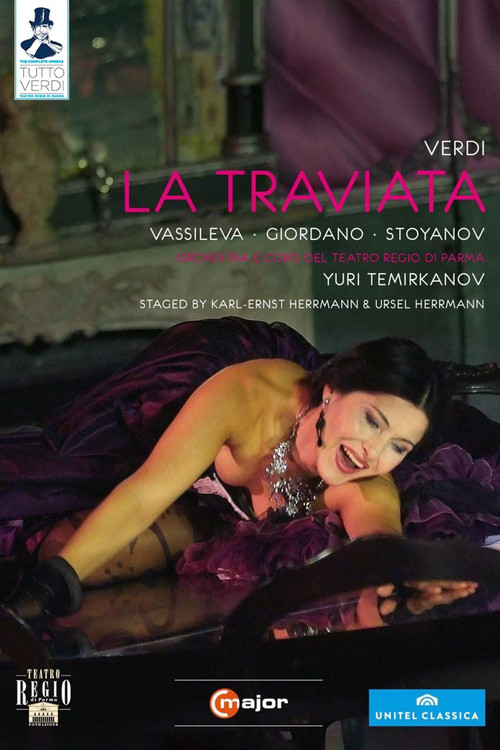
Around 1850, in Paris. At a soirée, Alfredo Germont, a young man from a respectable Provençal family, falls in love with Violetta Valéry, a courtesan. Deeply in love, Violetta gives up her profession and devotes herself entirely to Alfredo. However, Mr Germont senior, in the name of bourgeois respectability, persuades her to break up with his son. Violetta then writes a letter of separation to Alfredo without revealing the real reason for her decision. The fatal illness from which she was already suffering then flares up once more. A month later, Alfredo learns from his father that Violetta never stopped loving him... ‘La traviata’ is a 3 act opera by Giuseppe Verdi, with a libretto by Francesco Maria Piave based on the novel ‘The Lady of the Camellias’ by Alexandre Dumas, fils (1848) and its stage adaptation (1852). Premiered on 6 March 1853 at La Fenice in Venice. From the 27-opera Verdi box set “Tutto Verdi”. Recorded live at the Teatro Regio in Parma on 4 April 2012.
Verdi: La Traviata

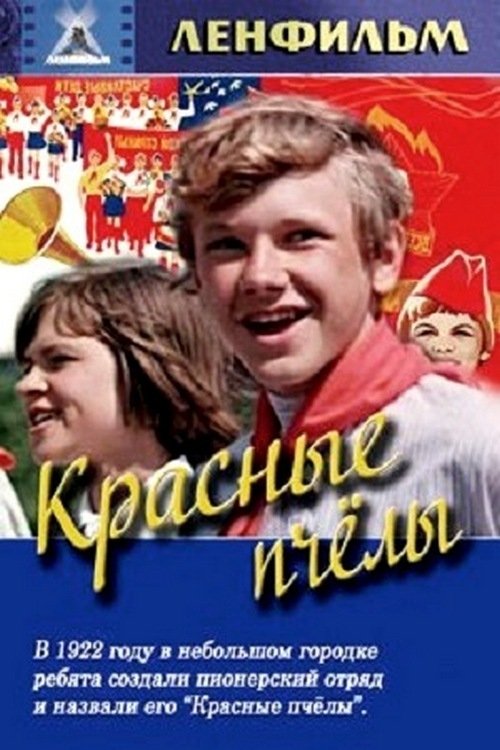
In 1922, in a small town, the boys formed a pioneer squad and named it "Red Bees."
Red Bees

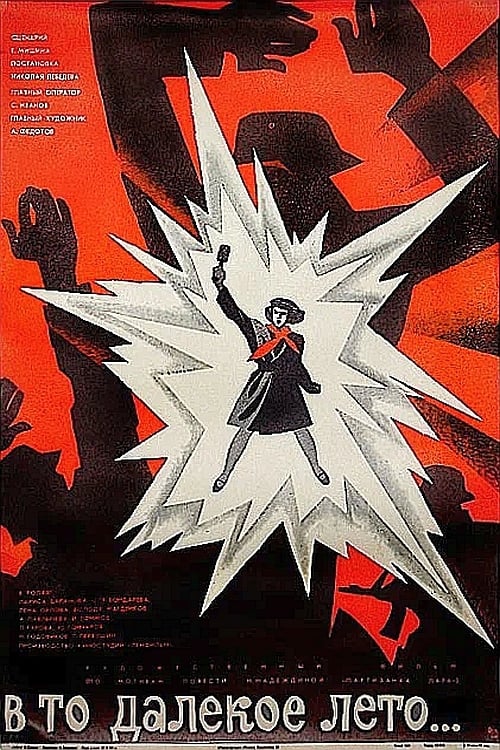
About the heroism of Leningrad partisan Larisa Mikhenko during the Great Patriotic War.
In That Distant Summer

No description available.
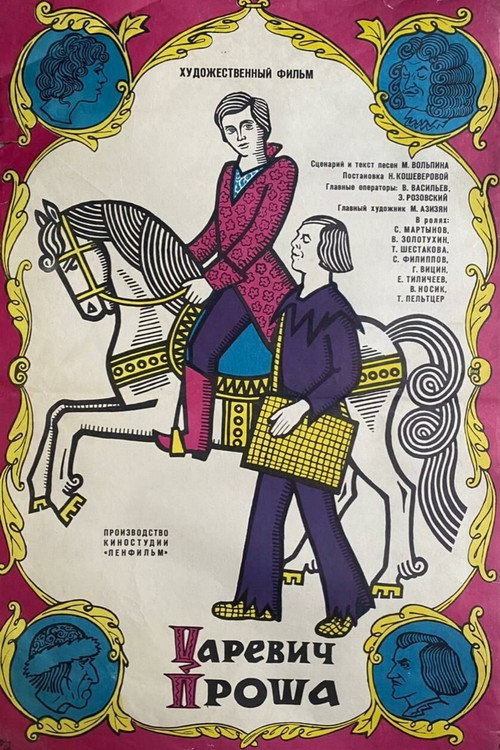
Tsarevich Prosha

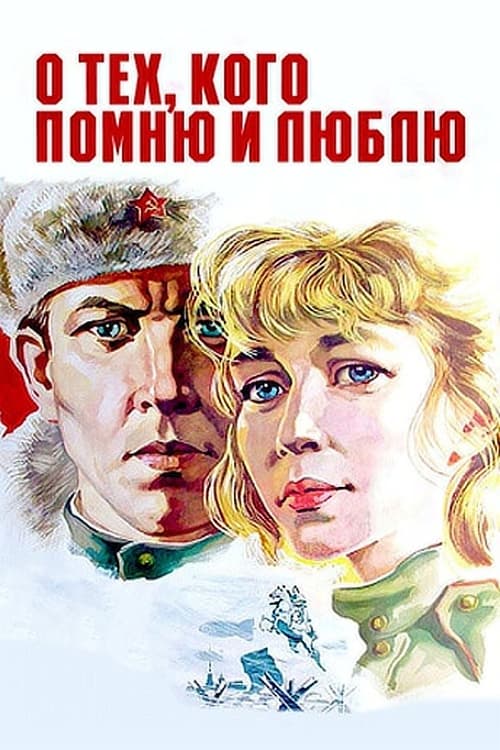
No description available.
Of Those I Remember And Cherish

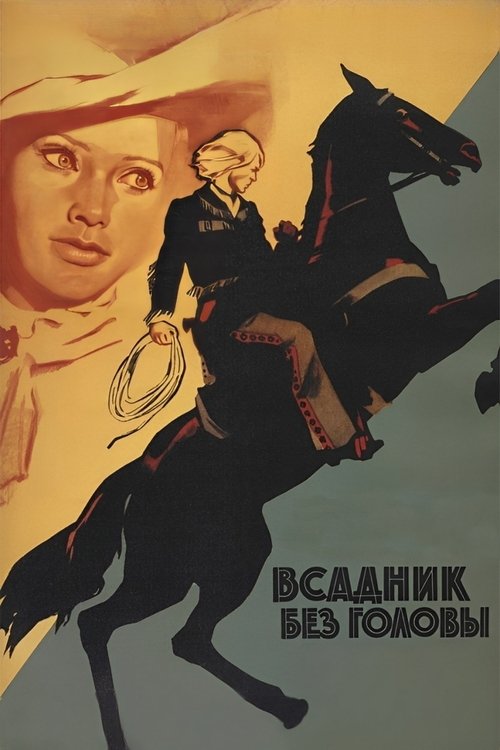
The film takes place in 1850, Texas, United States. Louise, daughter of the wealthy plantation owner Poindexter, master of the hacienda Casa del Corvo, falls in love with a poor mustanger Maurice Gerald. The night their secret rendezvous happens, her brother Henry disappears. Suspicion in murder falls on Gerald, who was found covered in blood, with signs of struggle on the body and on Henry's cloak. One more minute, and an angry crowd would have Gerald lynched, but then the mysterious Headless Horseman appears...
The Headless Rider

No description available.
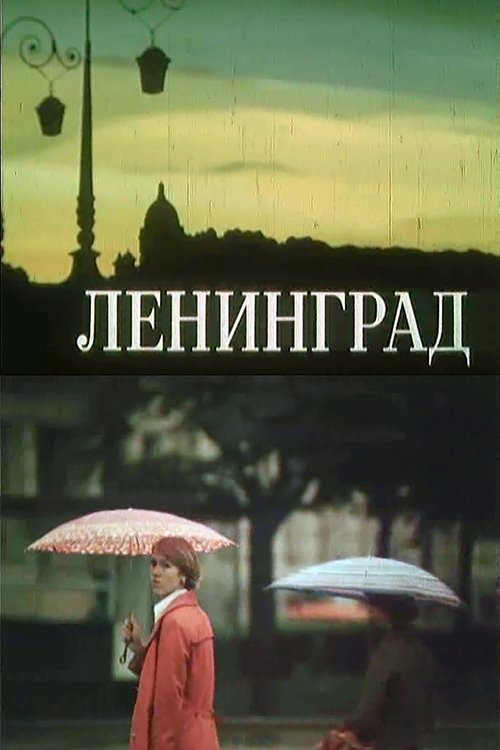
Leningrad

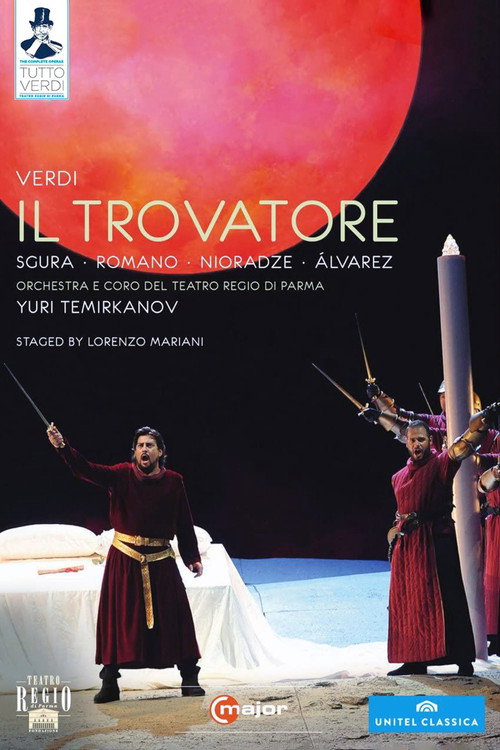
In medieval Spain, the gypsy Azucena abducted the son of the Count of Luna to avenge her mother, whom the old count had sent to the stake. She raised him as her own son, under the name of Manrico. In the service of Urgel and banished by the King of Aragon, Manrico nevertheless falls in love with Leonora, the Queen’s lady-in-waiting. ‘Il trovatore’ is an opera in four acts by Giuseppe Verdi, with a libretto by Salvatore Cammarano and Leone Emanuele Bardare, based on the Spanish drama ‘El Trovador’ (1836) by Antonio García Gutiérrez. It premiered on 19 January 1853 at the Teatro Apollo in Rome, and was subsequently performed in Paris, at the Théâtre-Italien, in its original version, on 23 December 1854. From the box set “Tutto Verdi”, featuring 27 of Verdi’s operas. Recorded live at the Teatro Regio in Parma on 5 and 9 October 2010.
Verdi: Il Trovatore

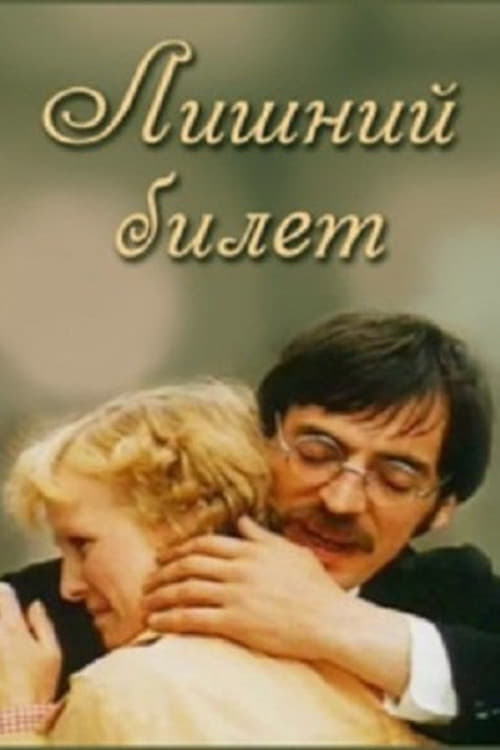
A month after the wedding, the newlyweds began to quarrel. And then a kind but unhappy wizard appeared, whose credo is to make others happy.
Лишний билет

The telefilm is dedicated to one of the greatest conductors of the 20th century, Yevgeny Fyodorovich Svetlanov.
Yevgeny Svetlanov. A Memory...

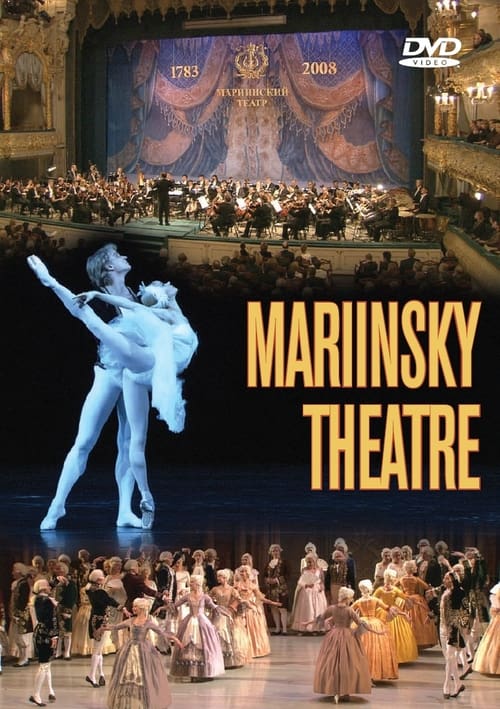
A look at the rich history of the Mariinsky Theatre in the birth and growth of the Russian tradition in opera, music and ballet.
Mariinsky Theatre

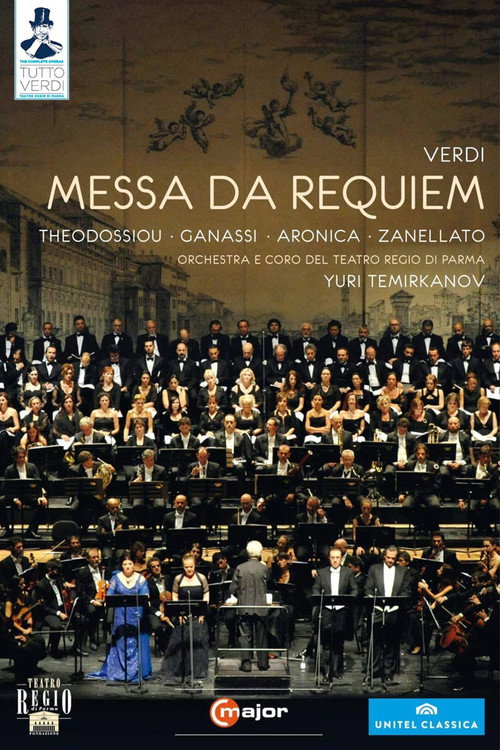
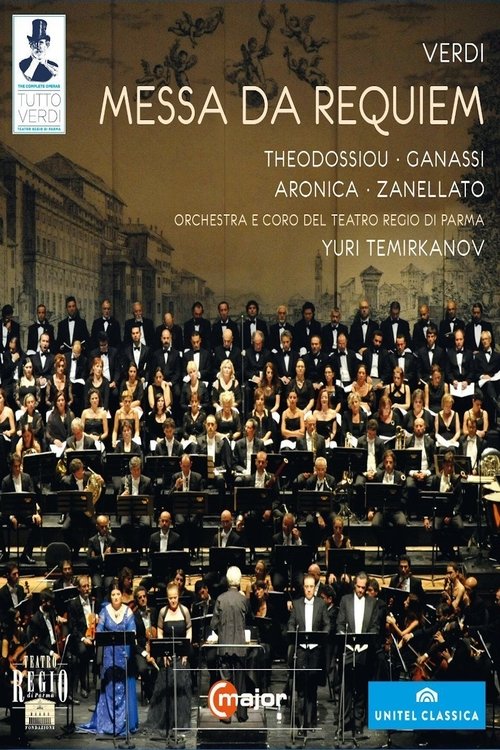
A requiem inspired by the death, on May 22, 1873, of the Italian poet and writer Alessandro Manzoni, author of the novel “The Betrothal”. Giuseppe Verdi’s “Messa da Requiem” (more commonly known as the “Verdi Requiem”) is a requiem mass for soloists (soprano, mezzo-soprano, tenor, and bass), double choir, and orchestra, premiered on May 22, 1874, at the Church of San Marco in Milan. The Requiem is Verdi’s only major composition not intended for the opera. From the 27-opera Verdi box set “Tutto Verdi.” Recorded live at the Teatro Farnese in Parma on October 8, 2011.
Messa da Requiem (2011)

The painting tells about the difficult process of rehearsals under the guidance of a conductor.
Rehearsal: Yuri Temirkanov
After Evgeny Mravinsky, Yuri Temirkanov is one of the main representatives of Russian music. He is the current principal conductor of the Mariinsky's Orchestra and conducted St. Petersburg Philharmonic Orchestra during twelve years. During the Verbier Festival 2011 he performed with the great Yuja Wang in a programme including Liadov, Rachmaninov and Tchaikovsky.
Rachmaninov, Piano Concerto No. 2 in C minor - Yuja Wang, Yuri Temirkanov

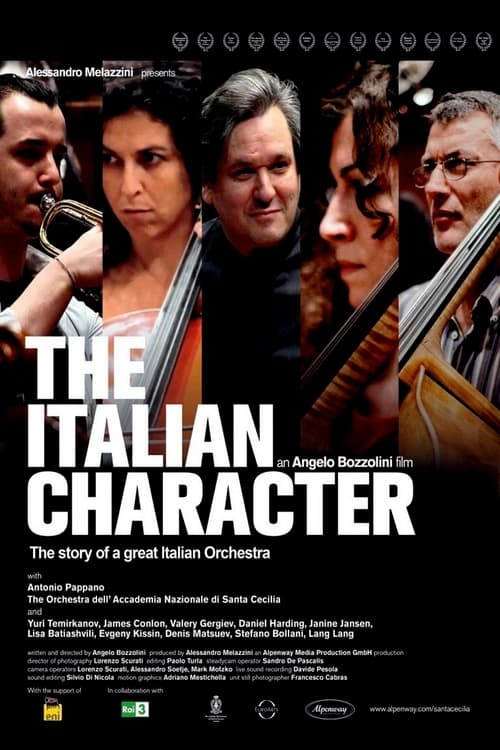
The Italian Character: a film within music and about music. The Italian character is the story of one of the most renowned orchestras in the world, enriched by archive material of the last thirty years about the great conductors who have been performing on the most famous rostrum in Rome.
The Italian Character: The Story of a Great Italian Orchestra

No description available.