David Hartt
Directing
Biography
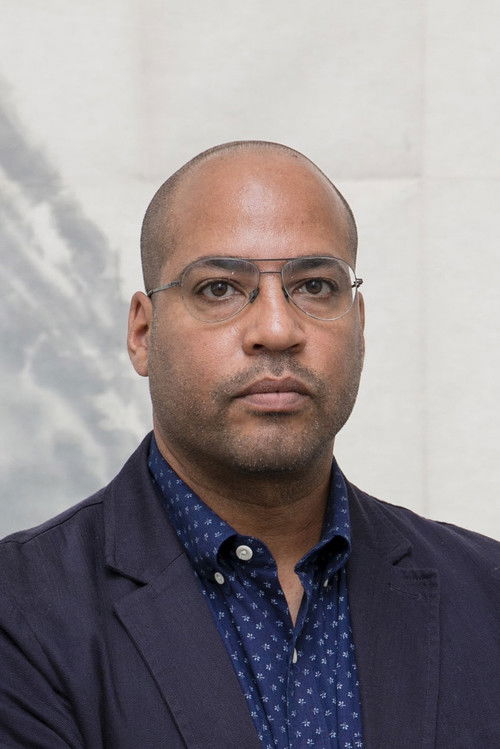
David Hartt is a Canadian artist and educator living and working in Philadelphia, Pennsylvania. Hartt works across various media to examine the transformation of ideas and histories over time. Description above from the Wikipedia article David Hartt, licensed under CC-BY-SA, full list of contributors on Wikipedia.
Known For
A reflection on the iconic headquarters of the Johnson Publishing Company in downtown Chicago. The eleven-story Modernist building on South Michigan Avenue was home to Jet and Ebony magazines since its design in 1971. The building was heralded as the first major downtown Chicago building designed by an African-American architect since the eighteenth century. In the case of the Johnson family and its legacy, Hartt looks to the intersection of the publisher’s ideals and values, the style and aesthetics embodied by the site and the lasting cultural impact of the magazines.
Stray Light

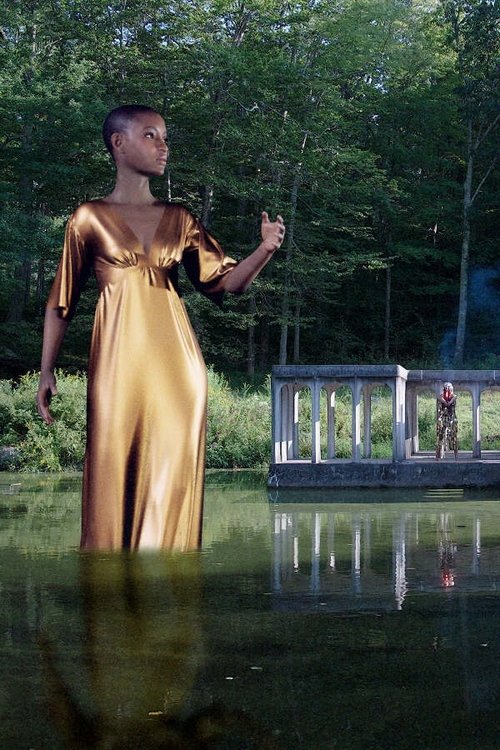
Hartt’s film Et in Arcadia Ego, commissioned by The Glass House, responds to Philip Johnson’s mid-century modern residence and the surrounding landscape.
Et in Arcadia Ego
Directed by David Hartt
Adrift
Video essay, locations alternating between Greece and Detroit, footage between HD digital and CGI.
The Republic
The Garden addresses a recurring theme for David Hartt: the historically determined world that we call "natural" and tend to consider as lying beyond the flow of time. Through stop-action cinematography Hartt makes time palpable and eerie, turning the passage of seconds into a dystopian stutter.
The Garden

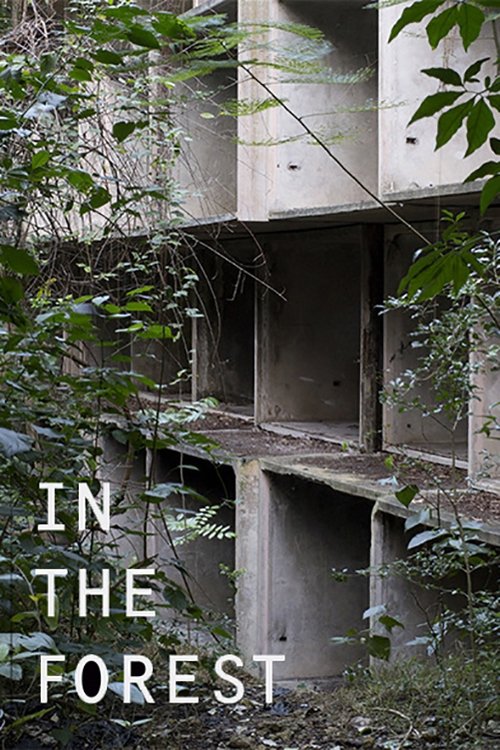
David Hartt’s film in the forest revisits Habitat Puerto Rico, an unfinished project conceived by Moshe Safdie in 1968. Launched just one year after Safdie completed Habitat ‘67, Habitat Puerto Rico was one of several iterations of that visionary project that the architect developed for New York, Israel, and Singapore, among other cities. Nearly fifty years after Habitat Puerto Rico was launched, in the forest returns to its sites, as well as a number of remote locations around the island where modules have been abandoned or repurposed. Investigating the relationship between ideology, architecture, and the environment, Hartt’s meditative film captures the remains of Safdie’s project and offers a pensive study of this unrealized architectural experiment, recontextualized within the political and economic struggles of contemporary Puerto Rico.