Acting
Aucune description disponible.
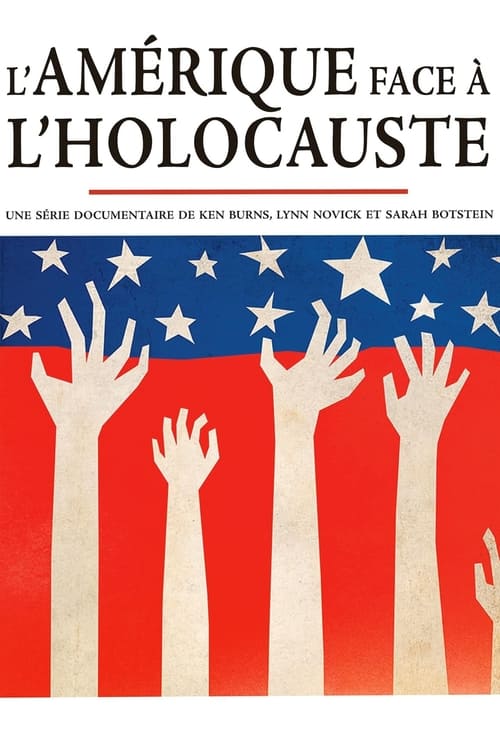
Alors que la catastrophe de l’Holocauste se déroulait en Europe, les États-Unis qui s’étaient toujours considérés comme une « nation d’immigrants » se sont montrés réticents à ouvrir leurs portes à plus d’une fraction des centaines de milliers d’hommes, de femmes et d’enfants désespérés et cherchant refuge. En combinant les interviews de témoins, de survivants de l’Holocauste ainsi que des entretiens avec des historiens et des écrivains de premier plan, la série montre les conséquences humaines tragiques de l’indifférence publique, de la bureaucratie et des lois restrictives sur les quotas en Amérique. Elle dissipe également le mythe selon lequel les Américains ignoraient les persécutions auxquelles les Juifs et d’autres minorités étaient confrontés en Europe.
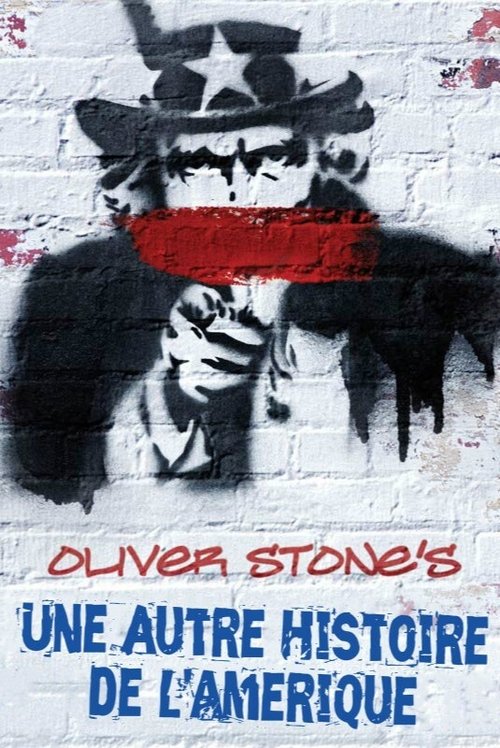
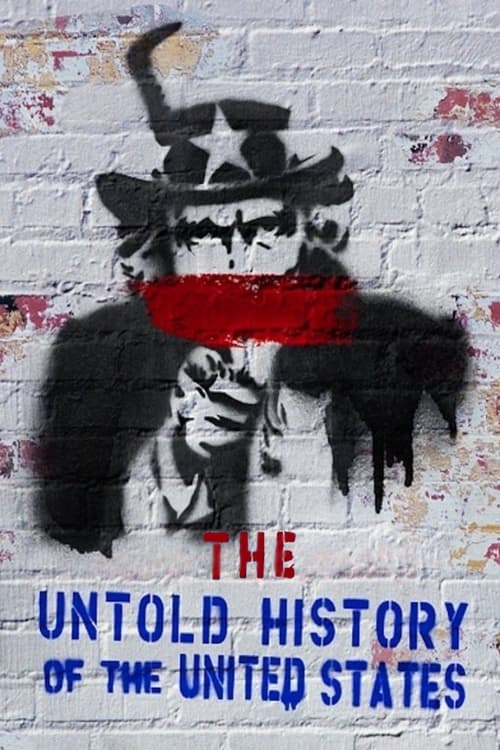
Les États-Unis : superpuissance mondiale, terre de liberté, empire économique. Quels sont les événements qui ont contribué à écrire l'histoire de cette grande Nation ? Créée, produite et narrée par le réalisateur Oliver Stone, cette série documentaire dévoile l'histoire américaine de la Seconde Guerre Mondiale à nos jours comme elle ne nous a jamais été racontée : une oeuvre qui est le résultat d'un travail imposant de recherche et de documentation. L'histoire que les manuels nous racontent, relue et analysée avec des yeux différents, en se concentrant sur des événements notables, souvent négligés, et en remettant sur le devant de la scène des héros qui ont été oubliés. Une véritable révélation !
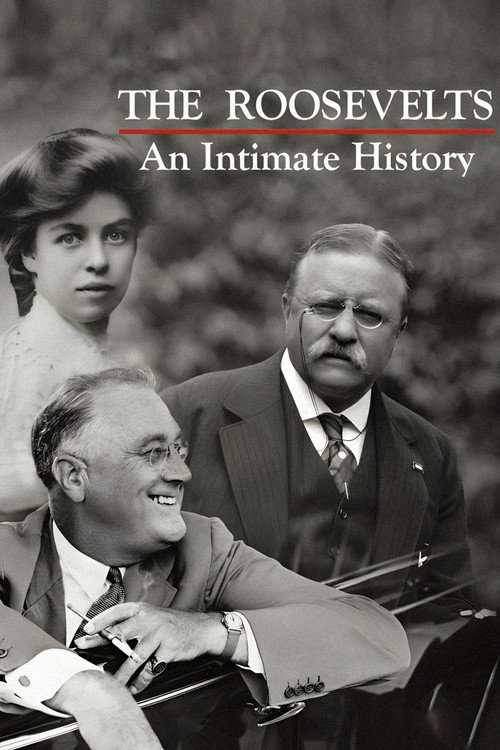
"Les Roosevelt, une histoire intime" suit la vie de Theodore, Franklin et Eleanor Roosevelt, trois membres d'une famille qui a marqué à jamais l’histoire des États-Unis. Pour la première fois, leurs destins exceptionnels sont retracés dans un récit unique. Une série documentaire de Ken Burns en sept épisodes.
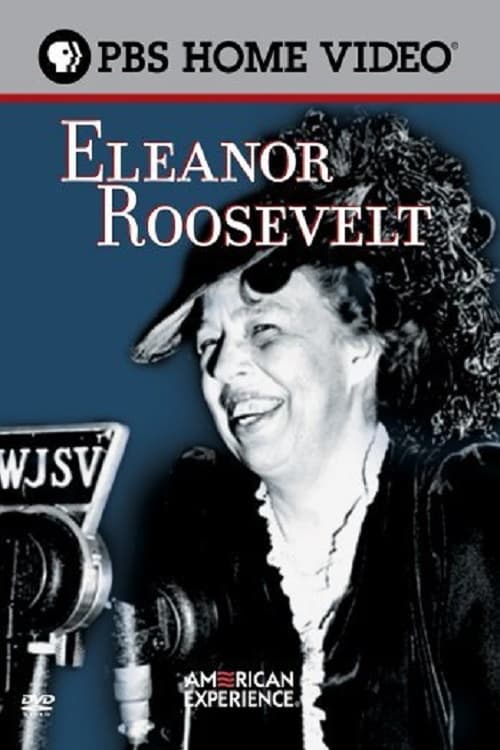
Dans l'aile Est de la Maison Blanche parmi les décisions les plus importantes et impactantes de l'Histoire ont été prises, souvent dans le plus grand secret, par des Premières Dames complexes et charismatiques telles que Michelle Obama, Eleanor Roosevelt ou Betty Ford. Le moment est venu de lever le voile sur ces héroïnes énigmatiques...
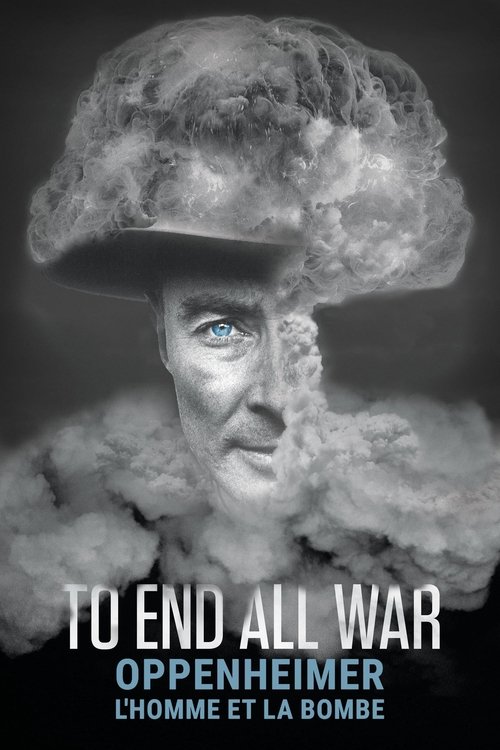
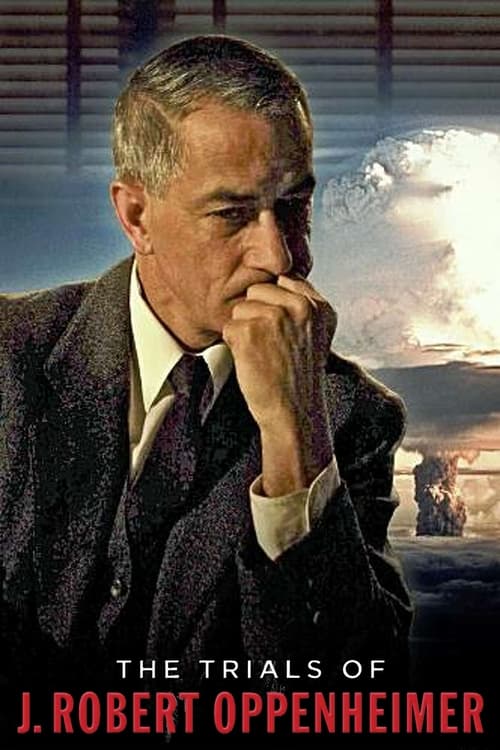
J. Robert Oppenheimer a dirigé l'équipe de scientifiques qui a mis au point la bombe atomique. Le parcours de ce physicien de génie, tiraillé entre la nécessité de mettre au point cette arme et ses interrogations éthiques, est raconté notamment à travers des interviews d'experts et du réalisateur Christopher Nolan.
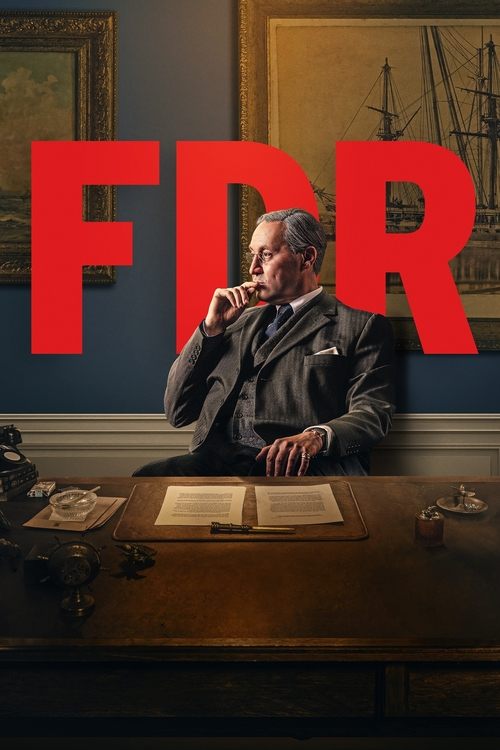
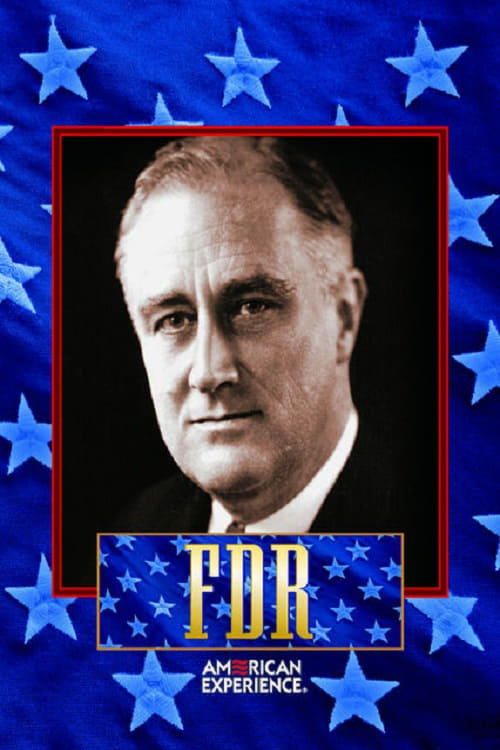
Cette série documentaire en trois parties retrace la vie de Franklin D. Roosevelt et ses douze ans passés à la Maison blanche, un record imbattable.
Mike Wallace est le journaliste qui a inventé les interviews télévisées sans compromis et est devenu une icône de l'émission d'investigation d'actualité 60 minutes. Après presque un demi-siècle d'interviews, il prend la place de l'interviewé. Le film raconte l’histoire personnelle et professionnelle de Wallace - des montagnes russes abruptes - à travers des archives fascinantes de ses célèbres entretiens approfondis avec Martin Luther King, Richard Nixon, Barbara Streisand, Vladimir Poutine et beaucoup d’autres, ainsi que de certains de ses entretiens. Brillant et très drôle, Wallace n’a pas peur de l’honnêteté. Le film est un miroir intelligent et inquiétant du journalisme d’aujourd’hui.
Les Etats-Unis : superpuissance mondiale, terre de liberté, empire économique. Quels sont les événements qui ont contribué à écrire l’histoire de cette grande Nation ? Créée, produite et narrée par le réalisateur Oliver Stone, cette série documentaire dévoile l’histoire américaine de la Seconde Guerre Mondiale à nos jours comme elle ne nous a jamais été racontée : une oeuvre qui est le résultat d’un travail imposant de recherche et de documentation. L’histoire que les manuels nous racontent, relue et analysée avec des yeux différents, en se concentrant sur des événements notables, souvent négligés, et en remettant sur le devant de la scène des héros qui ont été oubliés.