Acting
Drama series about the staff and patients at Holby City Hospital's emergency department, charting the ups and downs in their personal and professional lives.
Jack Frost is a gritty, dogged and unconventional detective with sympathy for the underdog and an instinct for moral justice who attracts trouble like a magnet. Despite some animosity with his superintendent, Norman “Horn-rimmed Harry” Mullett, Frost and his ever-changing roster of assistants manage to solve cases via his clever mind, good heart, and cool touch.
Jim Bergerac is a detective sergeant in The Foreigners Office who likes to do things his own way. While dealing with his own personal demons Bergerac has a knack of finding trouble, and sometimes causing it.
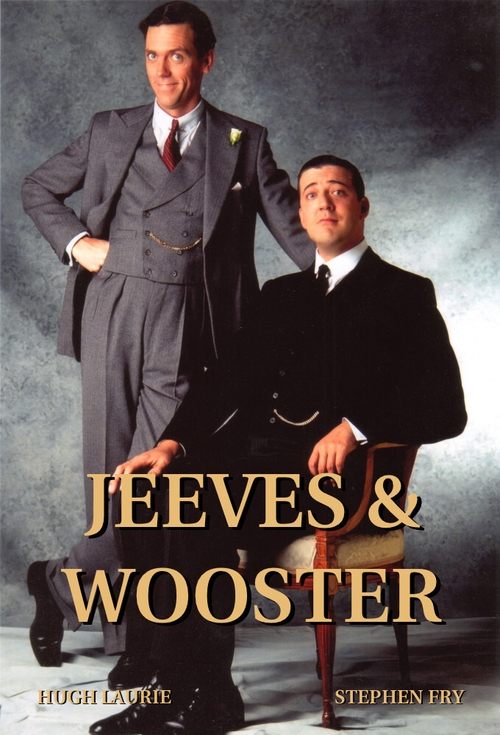
Jeeves and Wooster is a British comedy-drama series adapted by Clive Exton from P.G. Wodehouse's "Jeeves" stories. It aired on the ITV network from 1990 to 1993, starring Hugh Laurie as Bertie Wooster, a young gentleman with a "distinctive blend of airy nonchalance and refined gormlessness", and Stephen Fry as Jeeves, his improbably well-informed and talented valet. Wooster is a bachelor, a minor aristocrat and member of the idle rich. He and his friends, who are mainly members of The Drones Club, are extricated from all manner of societal misadventures by the indispensable valet, Jeeves. The stories are set in the United Kingdom and the United States in the 1930s.
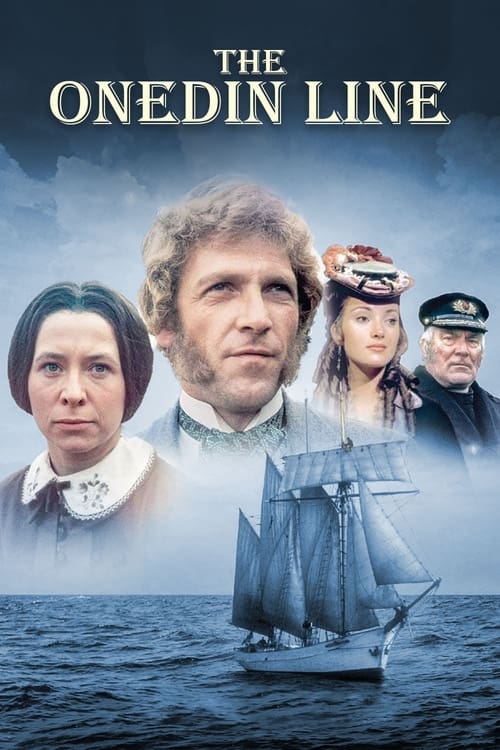
The Onedin Line is a BBC television drama series which ran from 1971 to 1980. The series was created by Cyril Abraham. The series is set in Liverpool from 1860 to 1886 and deals with the rise of a shipping line, the Onedin Line, named after its owner James Onedin. Around this central theme are the lives of his family, most notably his brother and partner, shop owner Robert, and his sister Elizabeth, giving insight into the lifestyle and customs at the time, not only at sea, but also ashore. The series also illustrates some of the changes in business and shipping, such as from wooden to steel ships and from sailing ships to steam ships. It shows the role that ships played in affairs like international politics, uprisings and the slave trade.
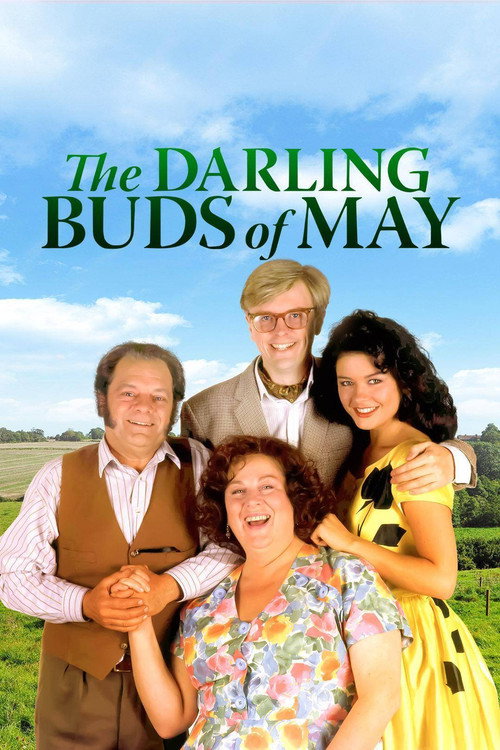
An idyllic picture of 1950's rural England as seen through the lives of the Larkins, a farm family living in Kent. The show revolves around Pa Larkin, a man of a kind and mischievous nature with a penchant for getting into scrapes and talking his way out of them with equal equanimity; and his daughters, as they deal with growing up and discovering the joys and sorrows of young love.
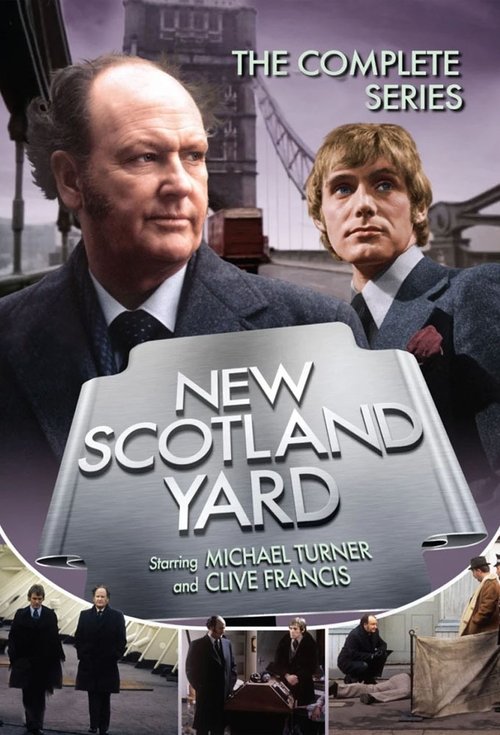
New Scotland Yard is a police drama series produced by London Weekend Television for ITV from 1972 and 1974. It features the activities of two officers from the Criminal Investigations Department in the Metropolitan Police force headquarters at New Scotland Yard, as they dealt with the assorted villains of the day.
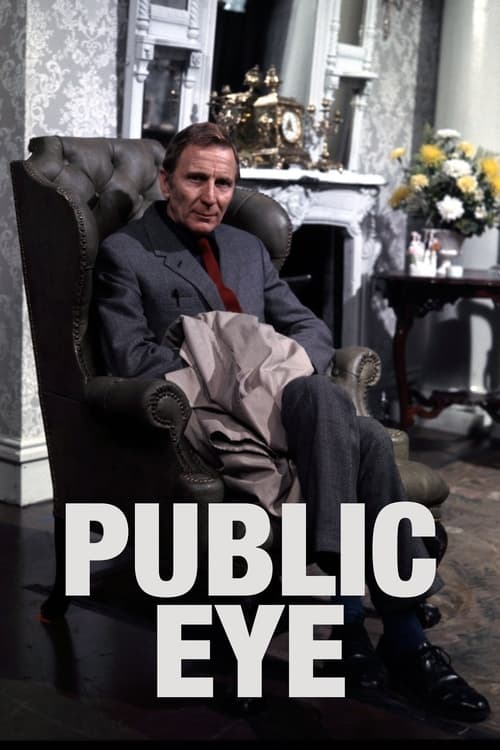
Public Eye is a British television drama broadcast from 1965 to 1975 on ITV1. Produced by ABC Television for three series, and Thames Television for a further four, the programme follows the investigations and cases handled by the unglamourous enquiry agent Frank Marker.
Reilly, Ace of Spies is a 1983 television miniseries dramatising the life of Sidney Reilly, a Russian Jew who became one of the greatest spies ever to work for the British. Among his exploits, in the early 20th-century, were the infiltration of the German General Staff in 1917 and a near-overthrow of the Bolsheviks in 1918. His reputation with women was as legendary as his genius for espionage.
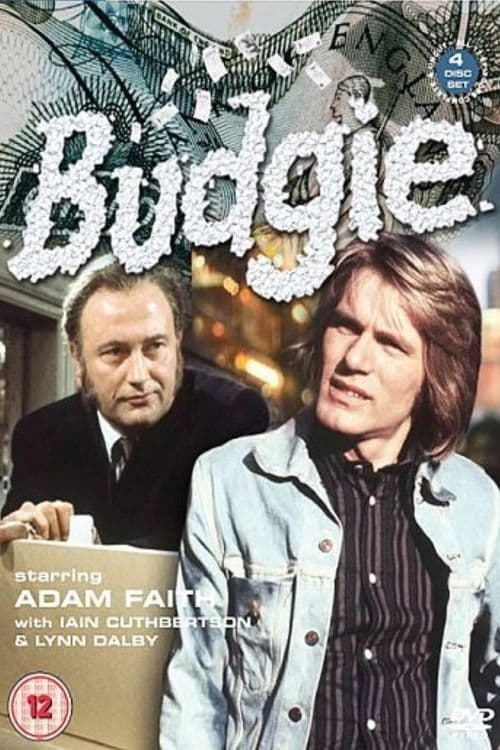
Budgie is a popular British television series starring former popstar Adam Faith which was produced by ITV company London Weekend Television and broadcast on the ITV network between 1971 and 1972. The series was created by Keith Waterhouse and Willis Hall . The show was produced by Verity Lambert, Rex Firkin was the Executive producer.
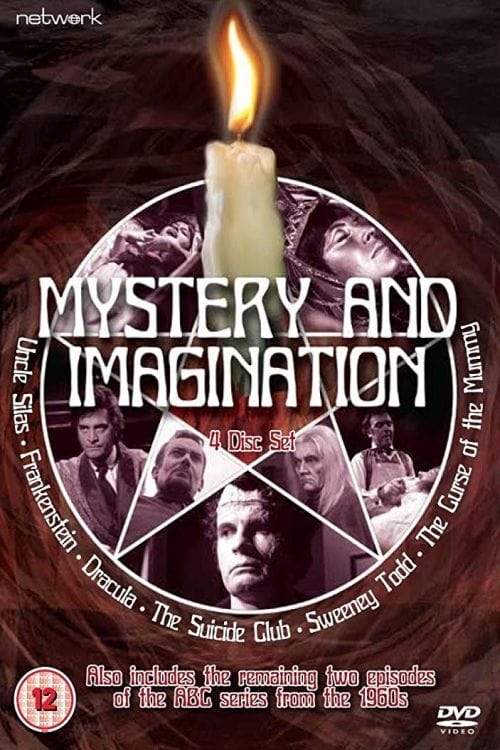
Mystery and Imagination is a British television anthology of classic horror and supernatural dramas. Five series were broadcast from 1966 to 1970 on ITV and produced by ABC and Thames Television.
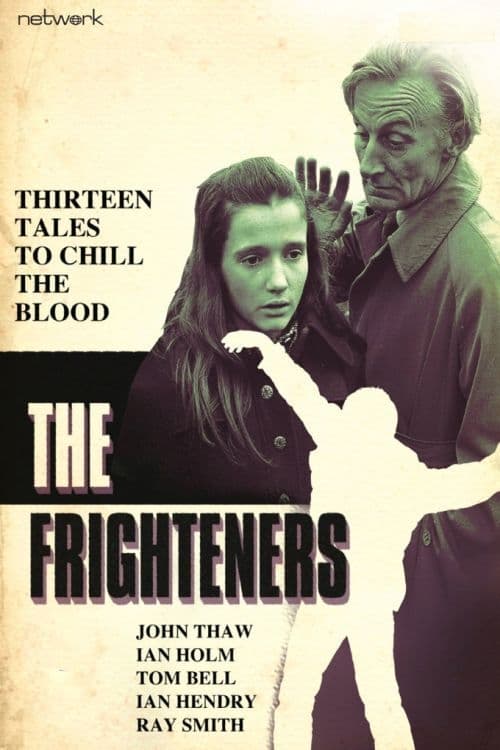
A horror anthology series, with each episode featuring a different eerie tale.
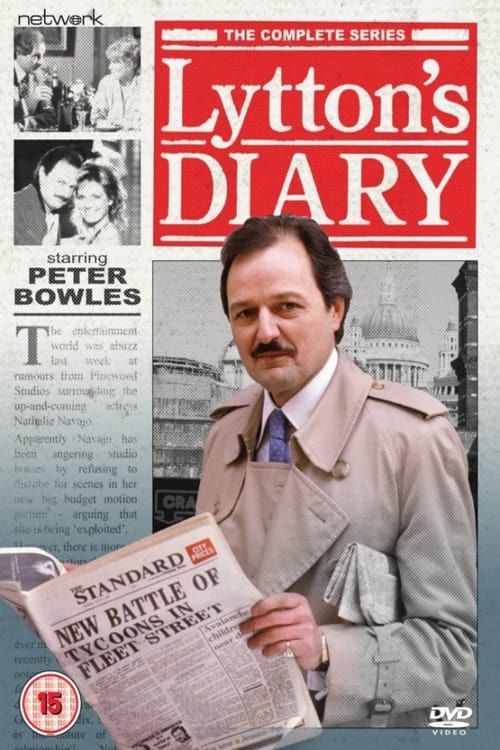
Lytton's Diary is a 1985–86 British comedy-drama programme created and written by Peter Bowles and Philip Broadley. Produced by Thames Television for ITV, it originated as a single play on the anthology programme Storyboard before expanding into two popular series, known for their mix of glamour, intrigue, and social commentary. Bowles stars as Neville Lytton, a suave and successful Fleet Street gossip columnist for the Daily News. Lytton navigates the world of high-society scandals, political corruption, and personal challenges, balancing his professional life with his love life and his ambition to write a novel.
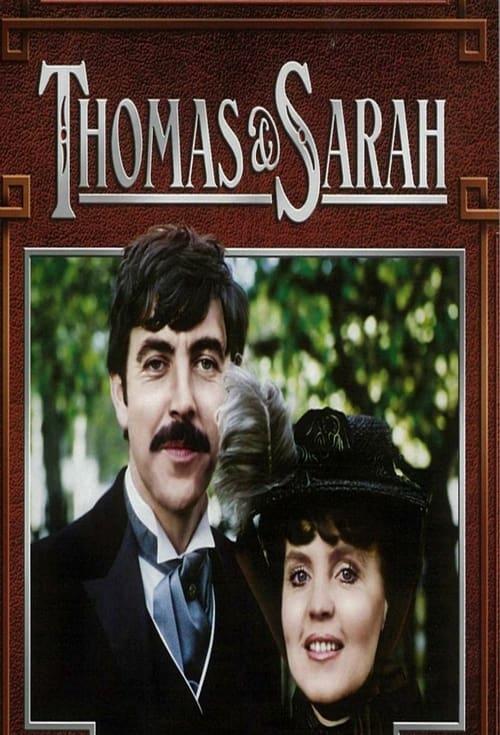
In the aftermath of Upstairs Downstairs, chauffeur Thomas Watkins and housemaid Sarah Moffat have gone their separate ways. But when a near fatal auto accident reunites them, the duo team up to hatch get-rich-quick schemes, pose as wealthy investors, or take on various odd jobs—often at the expense of others.
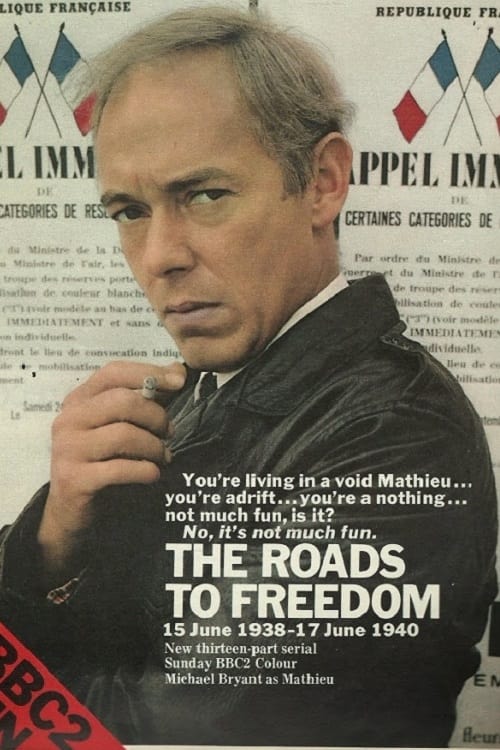
Taboo-busting adaptation for television of Jean-Paul Sartre's trilogy.
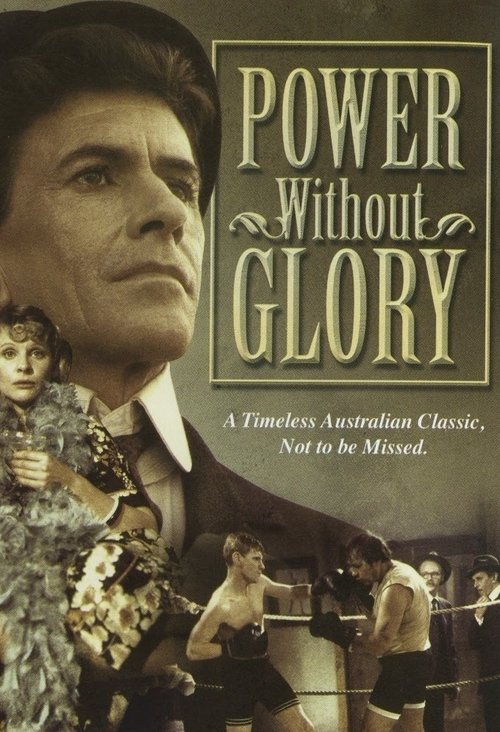
Award-winning historical drama series which traces the life of John West from his impoverished youth in the depression of the 1890s, to his death as a multi-millionaire some sixty years later.
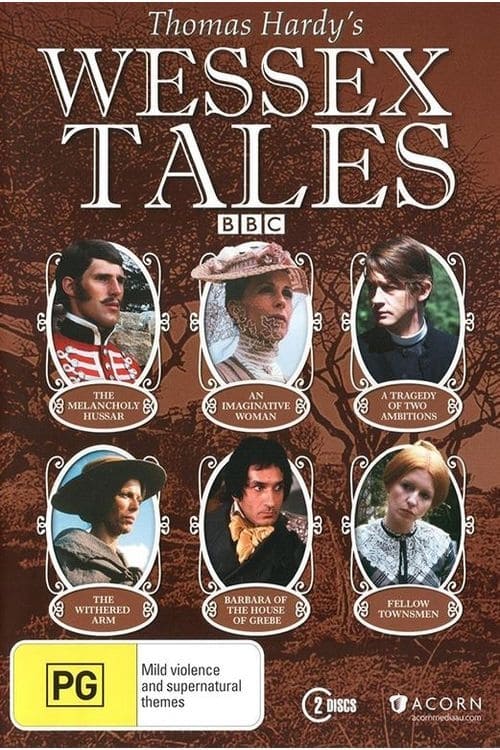
An anthology series based on the Wessex Tales, a collection of short stories by novelist Thomas Hardy.
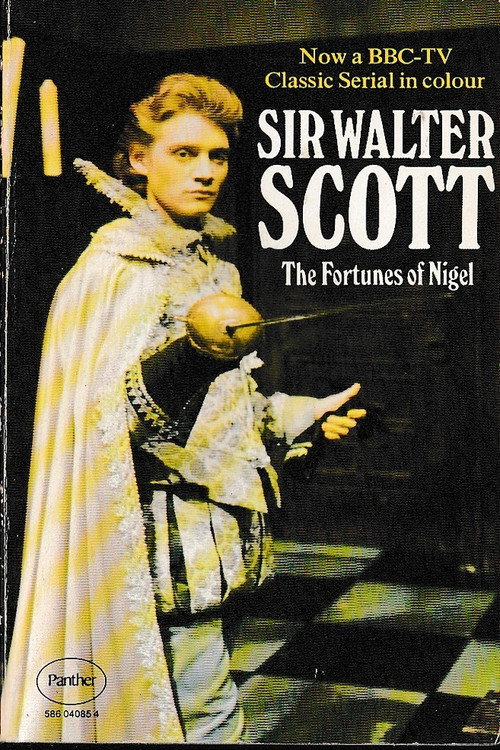
In 1620s London, young Scottish nobleman Nigel Olifaunt travels to the English court to recover money owed by King James VI and I. Seeking to save his mortgaged estate, Nigel becomes entangled in courtly intrigue, dangerous rivalries, and the schemes of powerful nobles. When he makes an enemy of the dissolute Lord Dalgarno, the young lord finds himself forced into hiding among London's underworld, fighting for survival and honour.
In the midst of World War II, Nazi officer Otto Schatz declares the execution of Jewish music-hall comedian Genghis Cohn. Many years later, Otto is comfortably retired into the life of a highly respected police commissioner, and is investigating a series of murders when he encounters the ghost of Genghis Cohn. The haunting turns into a taunting, and before he knows it, Schatz is slowly driven mad as he is lured into a trap.
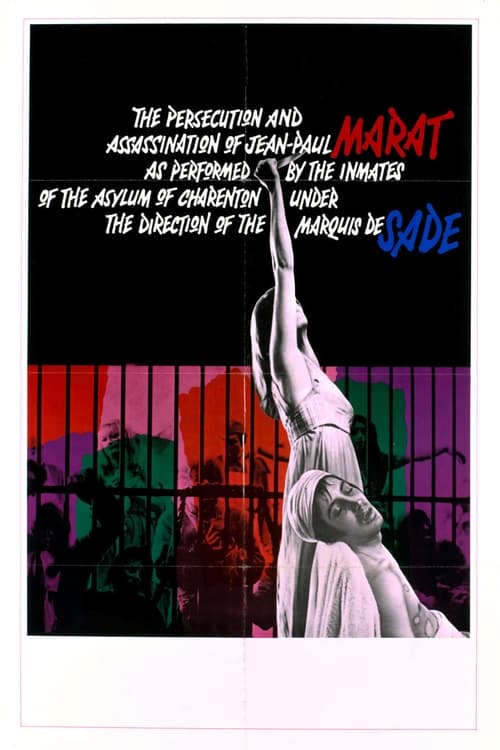
In Charenton Asylum, the Marquis de Sade directs a play about Jean Paul Marat's death, using the patients as actors. Based on 'The Persecution and Assassination of Jean-Paul Marat as Performed by the Inmates of the Asylum of Charenton Under the Direction of the Marquis de Sade', a 1963 play by Peter Weiss.