Ward Churchill
Production
Biography
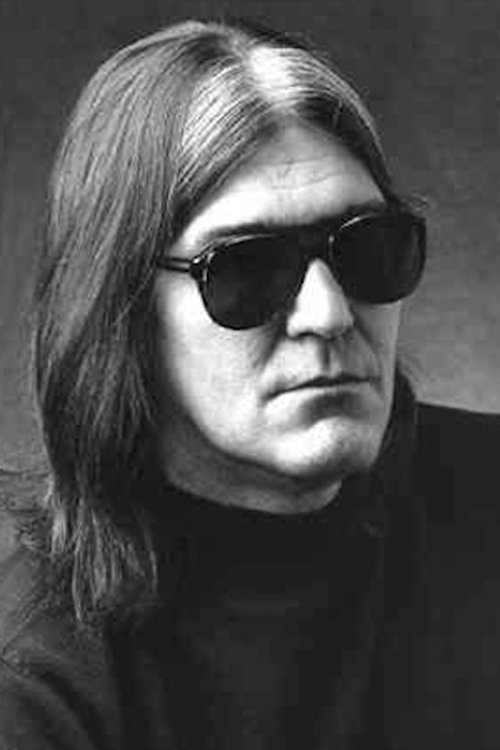
Ward LeRoy Churchill is an American author and political activist. He was a professor of ethnic studies at the University of Colorado Boulder from 1990 until 2007. The primary focus of his work is on the historical treatment of political dissenters and Native Americans by the United States government.
Known For

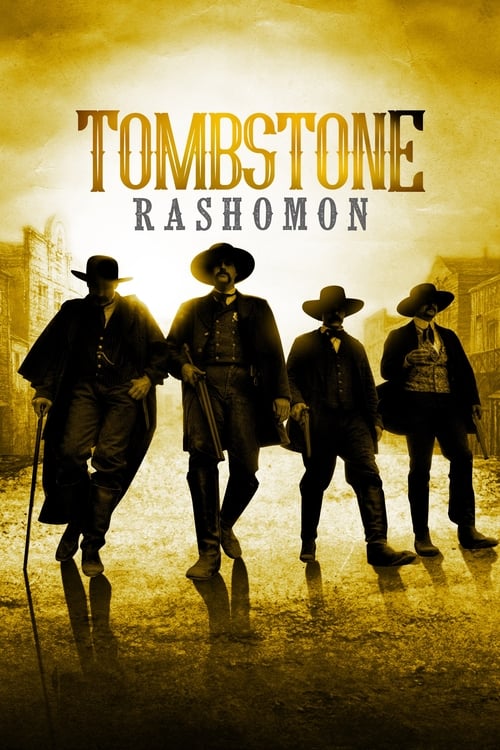
The Gunfight at the OK Corral only happened once, but has been tirelessly recreated in films, television shows and western towns ever since. No one has a monopoly on truth, and in Tombstone Rashomon, the truth is shared by six conflicting, yet historical perspectives. In doing so, the film’s narrative becomes prismatic and the result is perhaps the most comprehensive telling of the most important gunfight in American history. This is the Tombstone story told in the style of the Japanese classic Rashomon where we see history from several perspectives including that of Wyatt Earp, Doc Holliday, Kate, Ike Clanton, Colonel Hafford and Johnny Behan.
Tombstone Rashomon

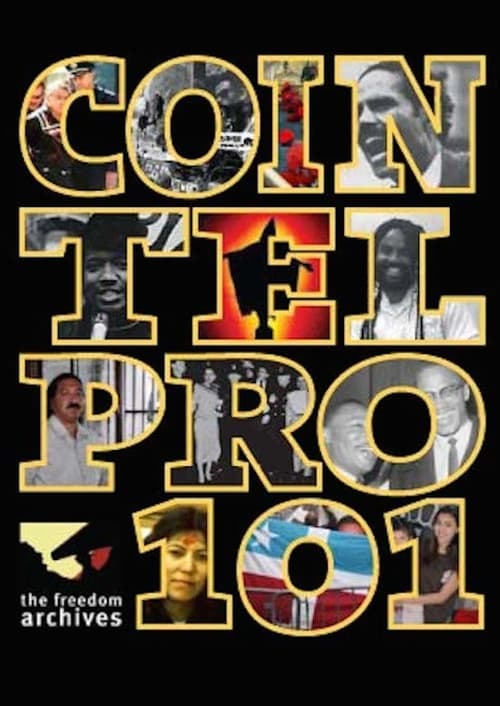
COINTELPRO 101 exposes illegal surveillance, disruption, and outright murder committed by the US government in the 1950s, 60s, and 70s. “COINTELPRO” refers to the official FBI COunter INTELigence PROgram carried out to surveil, imprison, and eliminate leaders of social justice movements and to disrupt, divide, and destroy the movements as well. Many of the government's crimes are still unknown. Through interviews with activists who experienced these abuses first-hand, with rare historical footage, the film provides an educational introduction to a period of intense repression and draws relevant lessons for the present and future.
COINTELPRO 101

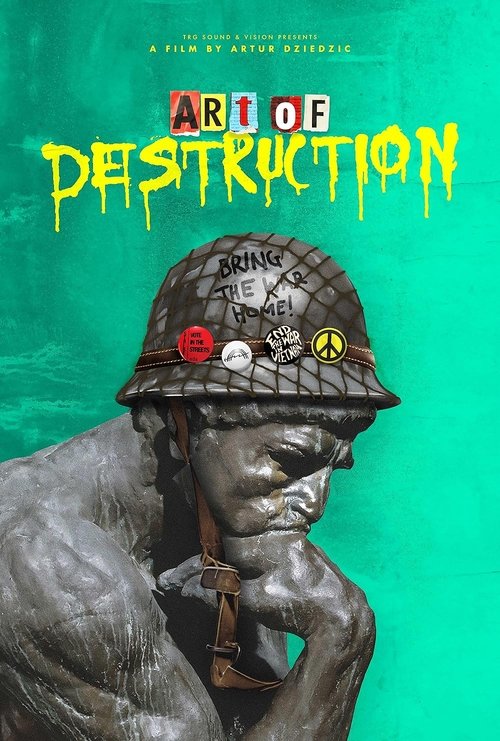
We follow the story of The Thinker bombing at the Cleveland Museum of Art, trying to solve the mystery behind it because no one was ever caught. By following this case, we unravel the whole landscape of Cleveland and the USA in the 60s/70s - student protests, social justice movements, anti-war movements, and radical militant groups. We give a context to the bombing, which is symbolic on so many levels - it's an art piece that randomly became a target for political violence that, by being left unrepaired, became a reminder of the complicated history of the 60s/70s. The Thinker is a silent witness to this fascinating decade, looking down from his pedestal, still thinking about our place in the world as humans.