
Pierre Clémenti
Acting
Biography
Pierre Clémenti (28 September 1942 – 27 December 1999) was a French actor. Born in Paris, Clémenti studied drama and began his acting career in the theatre. He secured his first minor screen roles in 1960 in Yves Allégret's Chien de pique performing alongside Eddie Constantine. Arguably, his most famous role was that of gangster lover of bourgeois prostitute Catherine Deneuve in Belle de jour, the 1967 classic by Luis Buñuel, in whose film La voie lactée he played the Devil. He appeared in several highly regarded films of the period, working with many of Europe's best known directors, including Luchino Visconti (The Leopard), Pier Paolo Pasolini (Pigsty) and Bernardo Bertolucci (The Conformist and Partner). Other directors he has worked with are Liliana Cavani, Glauber Rocha, Miklós Jancsó and Philippe Garrel. In 1972, his career was derailed after he was sentenced to prison for allegedly possessing or using drugs. Due to insufficient evidence, Clémenti was released after 17 months; later he penned a book about his time in prison. After his release he played the role of ever-optimistic sailor of the Potemkin in Dusan Makavejev's scandalous movie Sweet movie, and the role of the seductive saxophone player Pablo in Fred Haines's film adaptation of Herman Hesse's novel Steppenwolf. Throughout his career, he continued to be active on-stage. He was also involved with the French underground film movement, directing several of his own films, which often featured fellow underground filmmakers and actors. Visa de censure no X was an experimental work made up of two of films. New Old was a feature length work released in 1978 in which Viva appeared. La Revolution ce ne'est qu'un debut, continuons le combat, followed by In the shadow of the blue rascal and Sun. He died of liver cancer in 1999 Description above from the Wikipedia article Pierre Clémenti, licensed under CC-BY-SA, full list of contributors on Wikipedia.
Known For

A talk show presented by Michel Drucker
Les Rendez-vous du dimanche
No description available.
Midi trente

A writer returns home to his estate after service in World War I. He has developed a very bad case of depression due to a war wound concerning his genitalia. He contemplates suicide, but recovers after becoming interested in his caretaker's 12 year-old war orphan niece, who now lives in the manor.
Little Lips
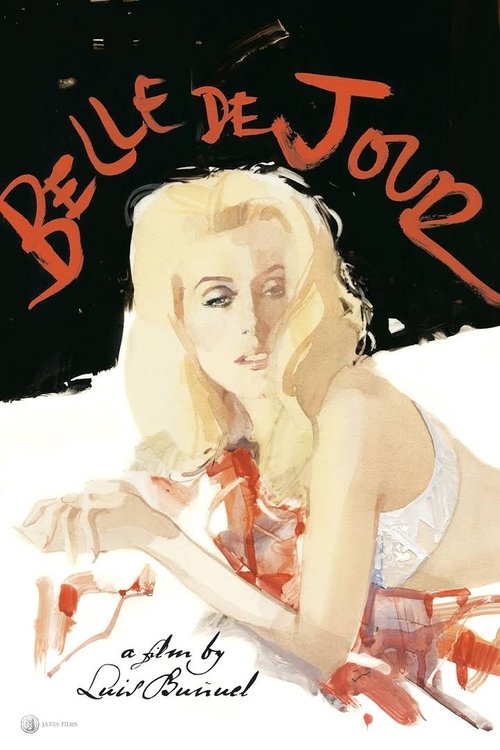
Beautiful young housewife Séverine Serizy cannot reconcile her masochistic fantasies with her everyday life alongside dutiful husband Pierre. When her lovestruck friend Henri mentions a secretive high-class brothel run by Madame Anais, Séverine begins to work there during the day under the name Belle de Jour. But when one of her clients grows possessive, she must try to go back to her normal life.
Belle de Jour
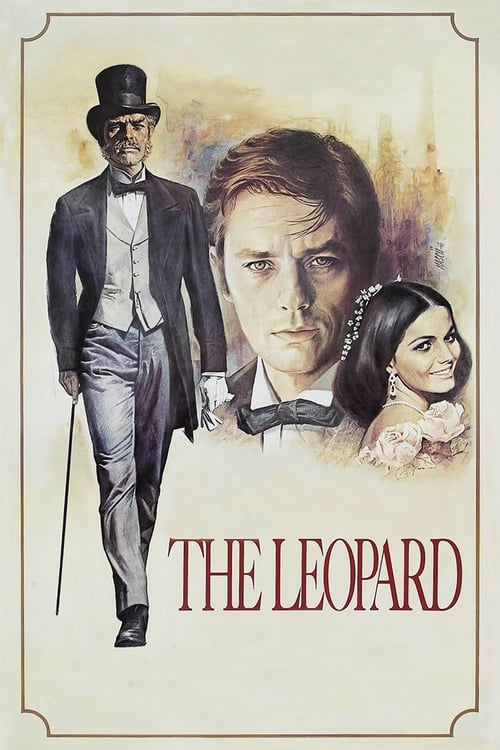
As Garibaldi's troops begin the unification of Italy in the 1860s, an aristocratic Sicilian family grudgingly adapts to the sweeping social changes undermining their way of life.
The Leopard
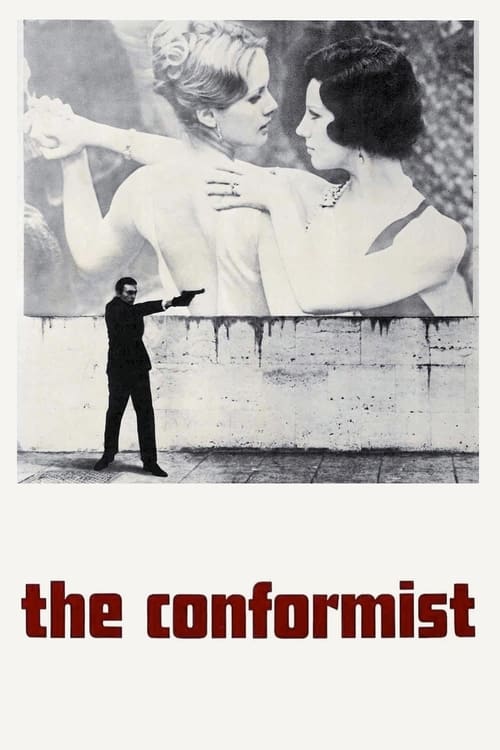
A weak-willed Italian man becomes a fascist flunky who goes abroad to arrange the assassination of his old teacher, now a political dissident.
The Conformist

Two dramatic stories. In an undetermined past, a young cannibal (who killed his own father) is condemned to be torn to pieces by some wild beasts. In the second story, Julian, the young son of a post-war German industrialist, is on the way to lie down with his farm's pigs, because he doesn't like human relationships.
Pigsty

The winner of the Miss World Virginity contest marries, escapes from her masochistic husband and ends up involved in a world of debauchery.
Sweet Movie

Wisconsin farm girl Elizabeth Carlson leaves family and her English teacher lover behind and escapes to New York. There she soon makes a career for herself as a fashion model. During a vernissage she's approached by a mysterious man whose motives are unclear...
Exposed

Patrik Pacard was the sixth ZDF-Weihnachtsserie, and aired in 1984. The series was broadcast in Germany on ZDF, and consisted of 6 episodes. Broadcasting in Germany began on December 25, 1984. The series was also broadcast in Switzerland, and constisted of 12 episodes. Broadcasting in Switzerland began on December 4, 1984. An English-language version of this series was shown by the BBC in the United Kingdom in 1992, and repeated in 1995, though with a revised plot to reflect the end of the Cold War. A French-language version of this series was broadcast as well. The shows titular character and theme song are incorporated in an internet meme on YTMND in relation to an alter-ego of Star Trek's Jean-Luc Picard.
Patrik Pacard

In 1972, disenchanted about the dreary conventions of English life, 25-year-old Julia heads for Morocco with her daughters, six-year-old Lucy and precocious eight-year-old Bea.
Hideous Kinky
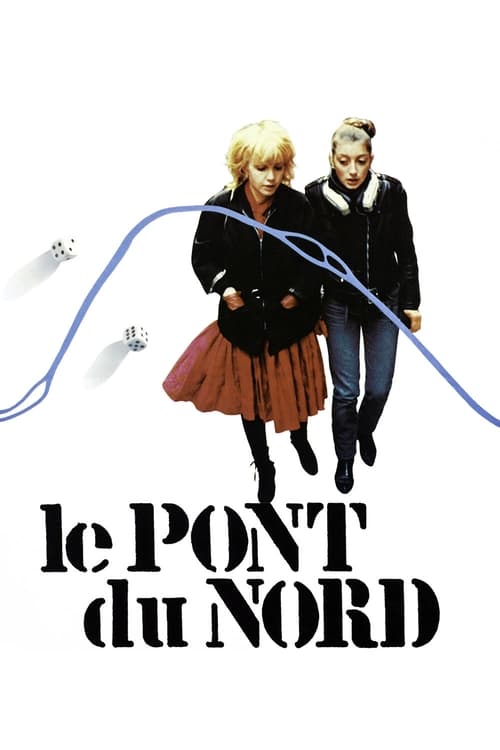
Marie is just out from prison when she runs into Baptiste, a young paranoid needing companionship. In their pursuit of a mysterious briefcase carried by Marie's former lover, they roam the street of Paris, transformed into a giant board game, a maze spotted with mysterious traps, puzzling clues, and chance encounters. Maybe they are bricks in some sinister scheme, maybe they are playing a board game, maybe it's a fairy tale, maybe it's yet something else...
Le Pont du Nord

On the streets of a damp metropolis lie the corpses of hundreds and hundreds of boys and girls. No one can give them a resting place because of a law enacted by a repressive State. But the young Antigone, with the help of a foreigner, Tiresias, violates this rule in the name of pietas, undermining the established order.
The Year of the Cannibals
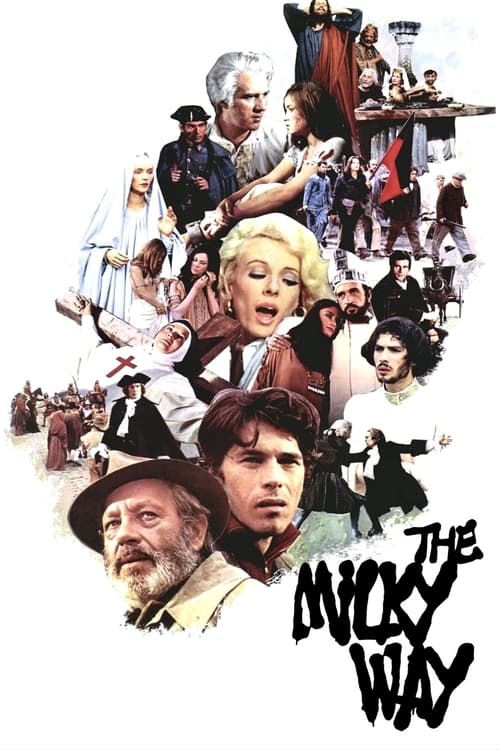
Two men, part tramp, part pilgrim, are on their way from France to Santiago de Compostela in Spain. On their way, they meet a vast assortment of characters—some truculent, some violent, and some bizarre; they experience many adventures—some mysterious, some erotic, some even supernatural.
The Milky Way
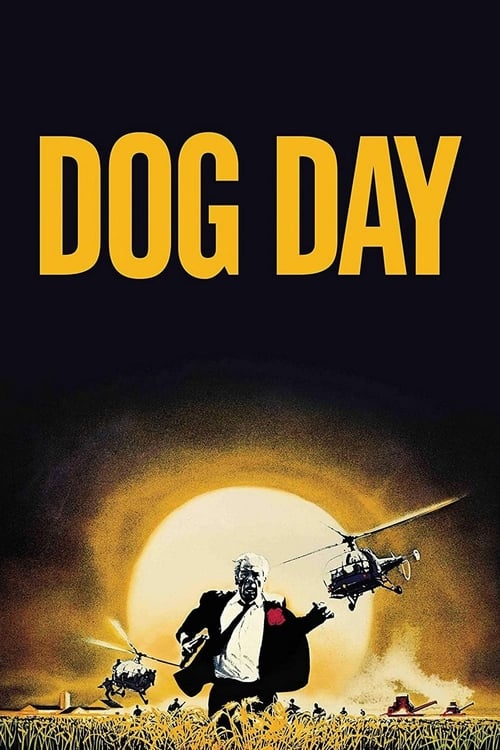
A criminal shows up at a farmhouse with the law on his heels and several million dollars in his possession.
Dog Day
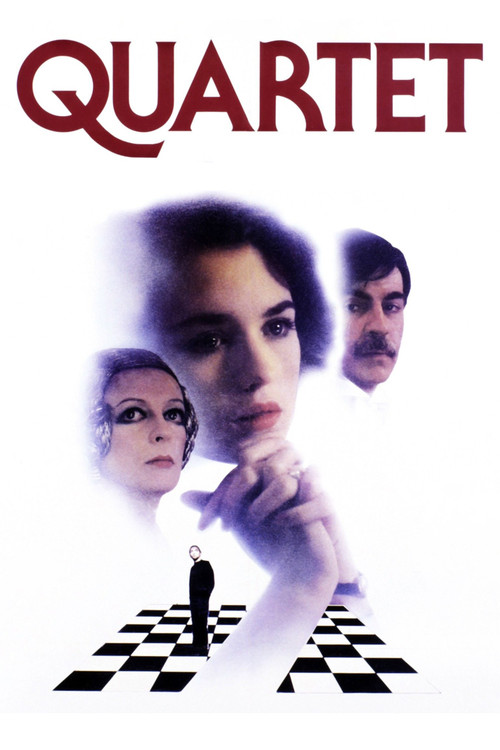
When her husband's arrest leaves her penniless, a woman accepts an invitation to move in with a strange couple.
Quartet

In the bourgeois circles of Europe after the Great War, can anything save the modern man? Harry Haller, a solitary intellectual, has all his life feared his dual nature of being human and being a beast. He's decided to die on his 50th birthday, which is soon. He's rescued from his solipsism by the mysterious Hermine, who takes him dancing, introduces him to jazz and to the beautiful and whimsical Maria, and guides him into the hallucinations of the Magic Theater, which seem to take him into Hell. Can humour, sin, and derision lead to salvation?
Steppenwolf
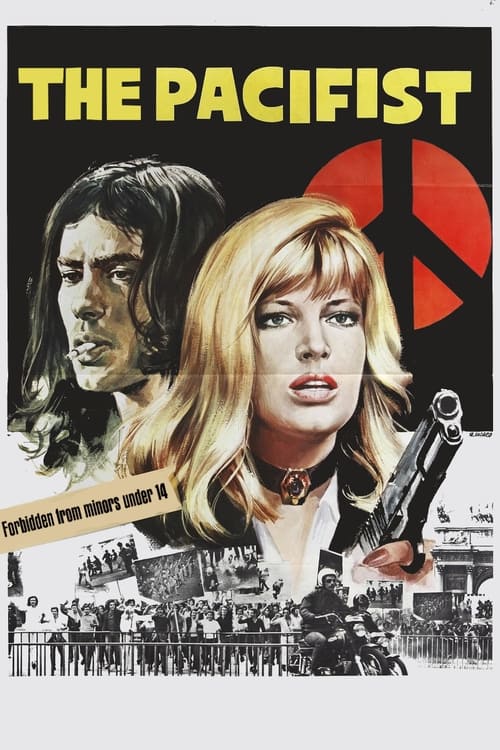
A journalist preparing a story on extremist youth falls in love with a young radical who fears being killed by his companions when he is unable to commit a political assassination.
The Pacifist
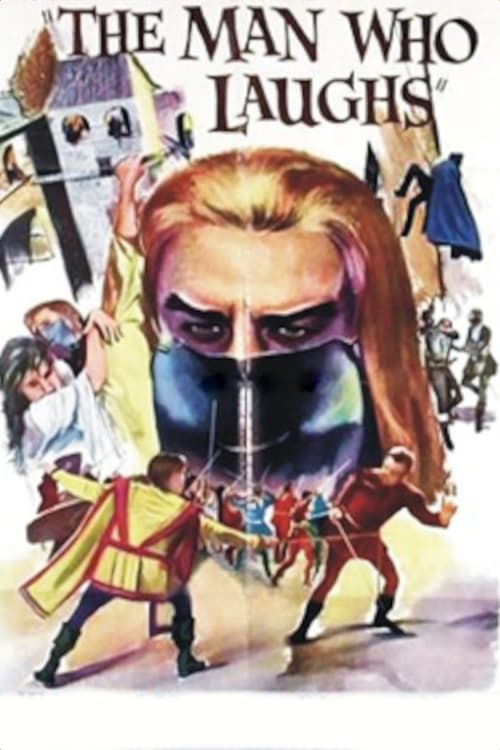
This loose adaptation of the Victor Hugo classic shifts the story to Italy and back in time, with the deformed protagonist meeting Lucrezia Borgia instead of Queen Anne. Also, Gwynplaine is renamed Angelo (Jean Sorel) with his disfigurement represented by a single broad slash across his mouth, crude yet convincing. The story (not credited to Hugo) is a swashbuckler pitting the disfigured acrobat against the henchmen of the Borgias.
The Man Who Laughs
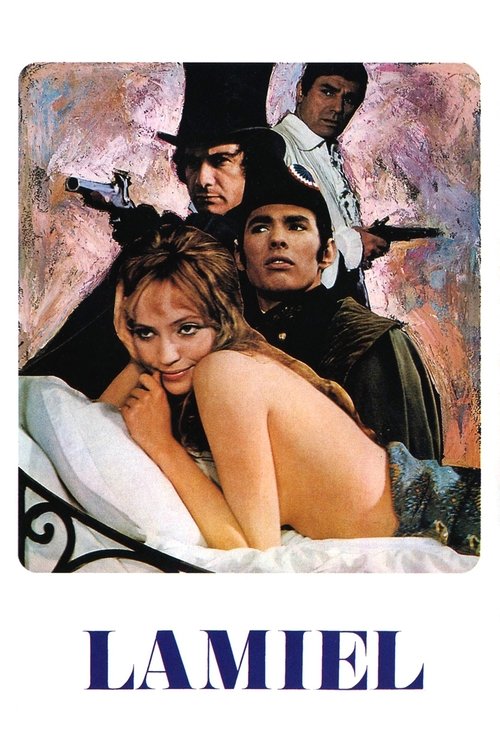
Lamiel is a poor orphan girl who climbs to the social elite in this 19th-century costume drama. Sansfin, provincial doctor, lives vicariously through her, as he oversees the progress of his female protégé. Defiant and rebellious, Lamiel goes to Paris to escape boredom and to know love.