Acting
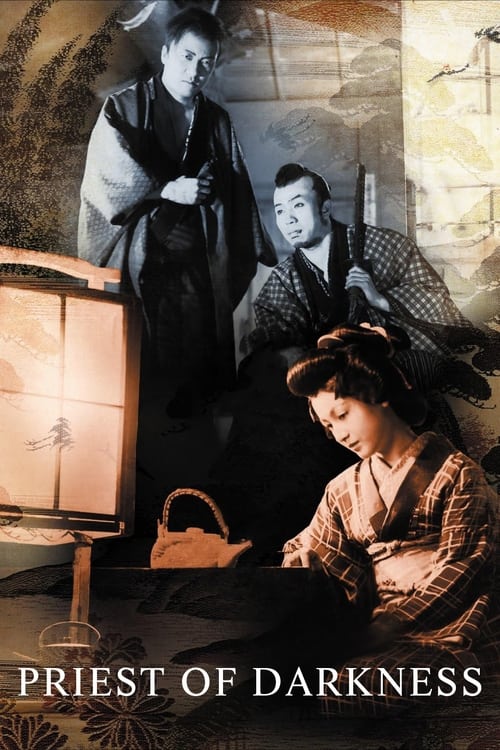
There is an inn named Asano Ya in the port town, and a beautiful woman works there. Every year, during a local festival, travelling artists and teachers gather from all over the country, including sesame oil sellers and organ grinders. The day before the festival, trouble arises with some horses.
A boy steals a knife from an old samurai, unaware of its value, setting off a strange chain of events.
1930s Japanese film.
Directed by Mansaku Itami.
No description available.
The sequel to the 1935 film Great Bodhisattva Pass
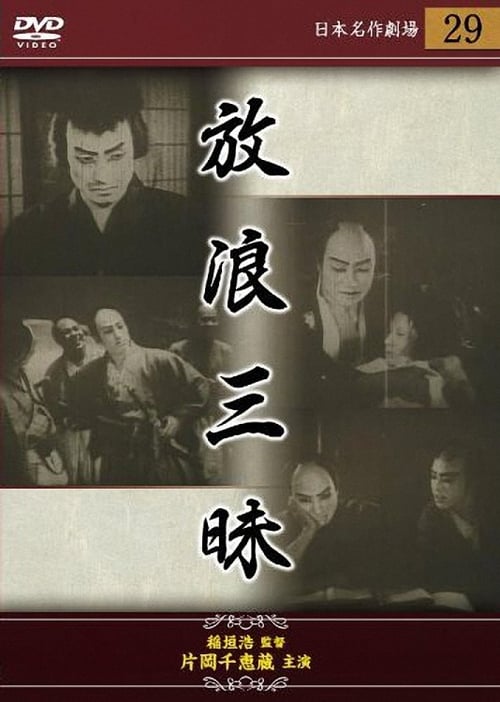
Date Mosui, a young samurai, one day gets a scolding from a nameless ronin that sets him thinking about what life is all about and his ways of living. His frined, Ando Kichinosuke, is alarmed at Mosui's despondency and invites him to his house as his little sister Tsuyu and he try to cheer him up.
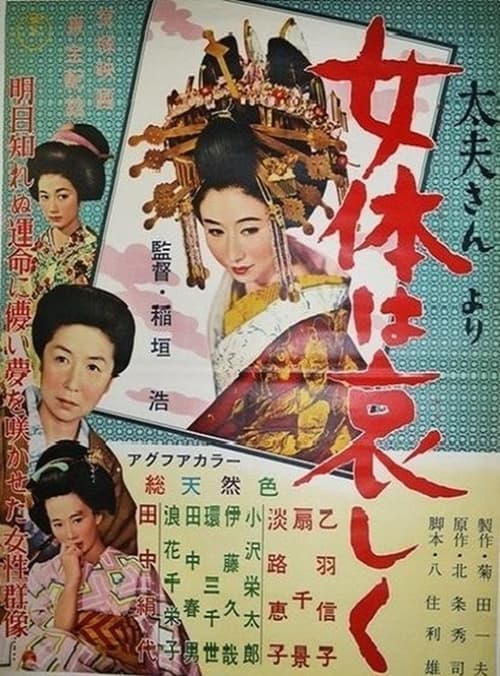
Directed by Hiroshi Inagaki, the drama, set in the brothels of Shimabara in post-war Kyoto, is a moving look at the lives of women of tenacity and resilience.
Gensaburo Funaki and Oyuki were childhood friends, but Gensaburo misunderstood that Oyuki was hesitant to get married because he had to feed his father and younger brother. I left the town.
After being expelled from the Chiba Dojo , Hirate Zoshu , along with his acquaintances Tadaki Ganryu and Tamon Jubei, were hired as bodyguards by Sasagawa Shigezo, and became embroiled in a gamblers' feud known as the "Tenpo Suikoden.
Hiroshi Inagaki's first movie.
1953 Hiroshi Inagaki movie.
Directed by Daisuke Itō.