Directing
No description available.
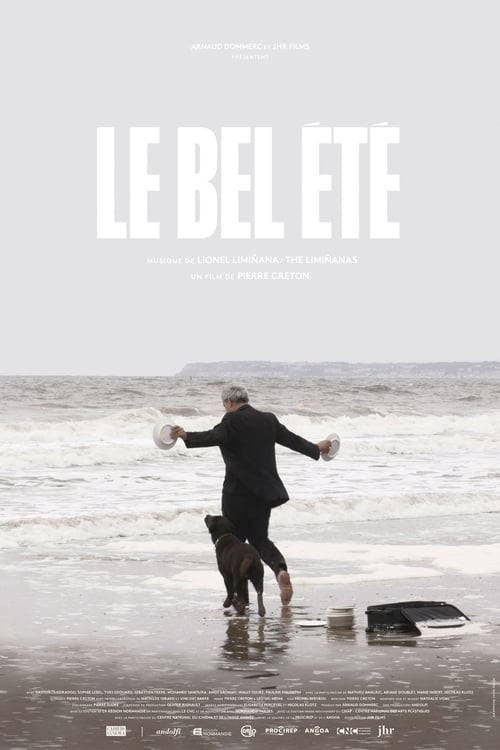
Inland from the chalk plateau of Pays de Caux, the rituals of smoking hives and honey extraction are documented by an apprentice beekeeper, and a schoolboy watches from his classroom window over fields of rapeseed blown about by a coastal zephyr.
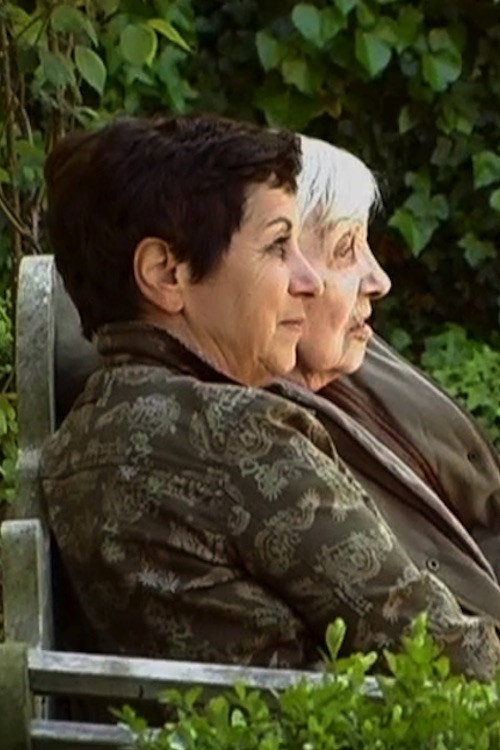
“It begins with an exhibition at the French Institute in Munich. We had decided to create an installation together [with Vincent Barré] in the greenhouse of the Seyssel d’Aix palace: a tribute to Paul Cézanne and his final model, the gardener Vallier….We spoke about the project with one of Vincent’s childhood friends, Christine Toffin, who reminded us that she was related to the painter. Her aunt, the painter’s granddaughter, still lived at Bourron-Marlotte. We decided to go and film Aline Cézanne in her retirement home at Bourron-Marlotte….It was during the sound editing that we thought of making a film using the images we had shot for the sound. The framing is minimal – it’s fine as it is, but it was not set up with a film in mind. A year later, we went back to see Aline. Her speech had become more confused and we went off with her to the village to find the houses of her childhood.”
“Yves Edouard is someone I hear a lot about. He’s a farmer and cereal grower, an endive producer…. He’s clearly a character out of a novel. One morning, I went to his farm and he hired me, as he needed someone to weed his endive fields….When I went to see him, I imagined constructing something romanesque and aesthetic. I had planned to film the work but this proved impossible. I then met Catherine Pernot, the friend of my friend Sophie Roger. I was enchanted by her way of talking about things, even the most ordinary ones. I described the work on the endive farm so that she could turn it into her own story. I recorded her and reworked her words to create a text that she then had to learn and act out in front of the camera. Next, I filmed an interview between Yves and myself. The film is thus composed of two sequence shots: Catherine, then Yves. As if they had slipped into their characters’ skin, she tells the story, he answers the questions.”
In the Paris metro, there’s a man in a black mask. An anti-vax demonstration passes by the indifferent camera. The man goes home, the sound of social anger following him inside, but nothing seems to matter to him except his business with his double whom he finds inside the white walls The curve of his shaved head mirrors the sculpture behind him on the mantelpiece. Portraits appear in his back. Elsewhere, on the banks of the Seine, a woman and a dog look out into the distance, as if they’re waiting for something to happen.
Beyond the visit of Yvetot Agricultural High School, a walk through a landscape that is both familiar and remarkable.
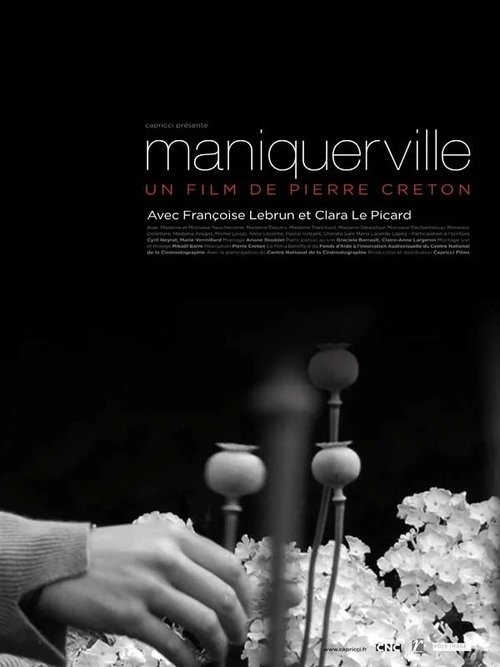
The comedienne Françoise Lebrun regularly comes to the Maniquerville gerontology center to read Proust to the residents. It is an opportunity for them to discuss together the memory of lost time. A strong bond develops between Françoise and Clara, the center’s host.
Pierre Creton placed his camera opposite the small black table that had always stood in the middle of the lawn facing the front of the house. He filmed himself gardening – potting plants, preparing cuttings. Cat, dog, donkey, hens are moving about, playing, resting around the table, the goat is prancing on the table top, the whole menagerie is living its life, crossing the frame freely. On these images of perfect insouciance, he edited the sound of a radio news report about the Fukushima disaster. The date is March 2011: here, the garden, the end of winter and the pleasure of plunging one’s hand into the earth, touching the plants, to prepare for spring’s arrival; over there, death, sky and sea contaminated for many years, untouchable. The garden is not at odds with the disaster provided it heeds its echo, albeit unwillingly. The garden table is also the altar where domestic rituals are performed to ward off the horror.
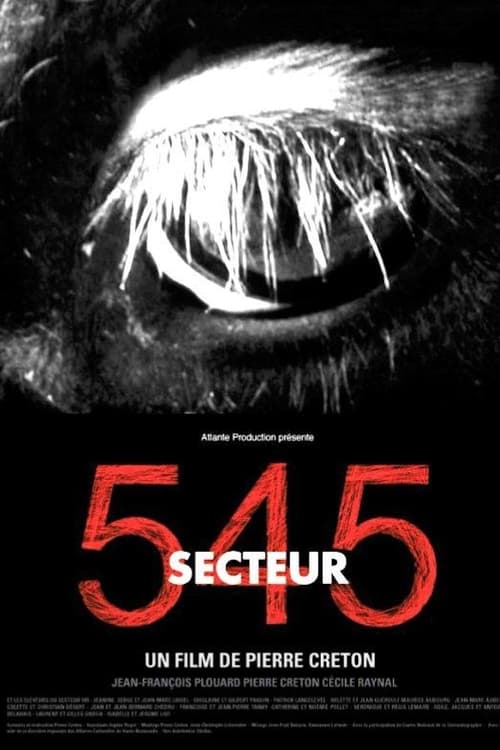
Dairy controller in the "Secteur 545", Pierre Creton does the portrait of a rural existence devoid of picturesque reduction
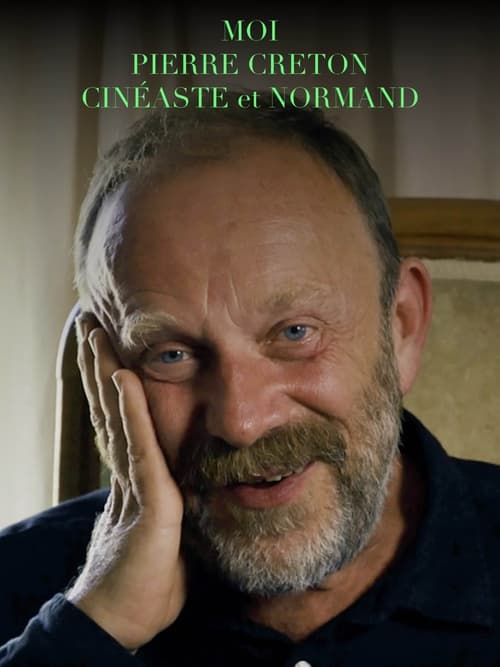
Portrait of the film-maker and visual artist Pierre Creton, who shoots films in the country of Caux, in Normandy, while taking on his agricultural tasks as a worker and farmer.
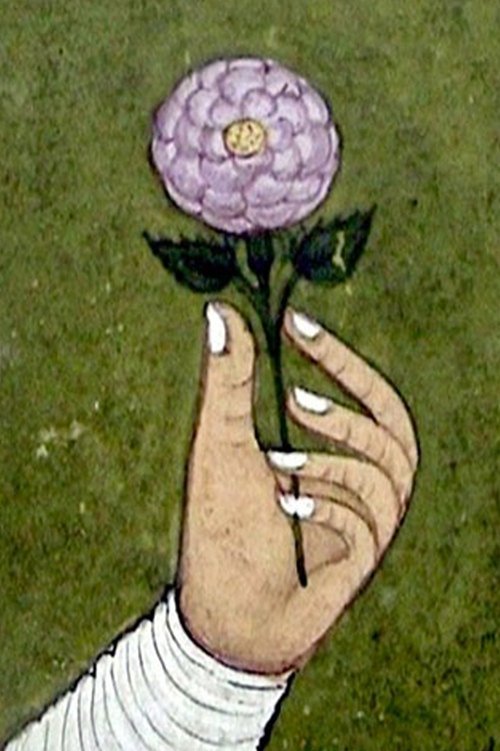
Following the steps of an English botanist, in the landscapes of the Normandy coast, people and cameras look at flowers. This is an essay on attention and friendship, a cinematic herbarium.
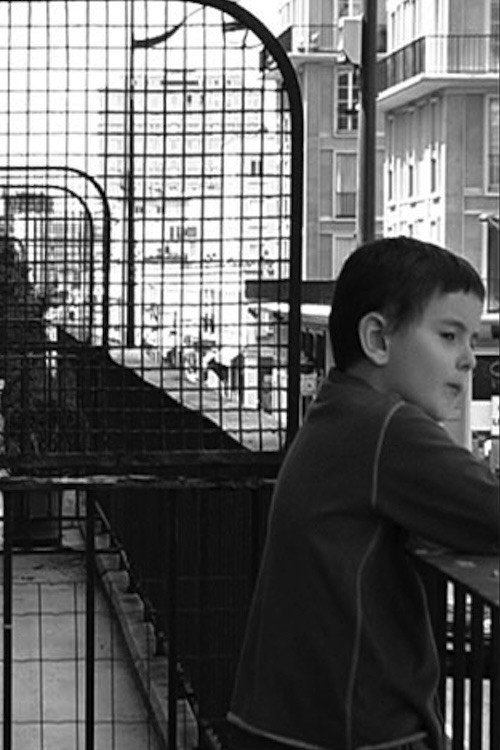
A institutional documentary short made for the Committee for Studies and Care of People with Multiple Disabilities [CESAP] by Pierre Creton following disabled children during one summer.
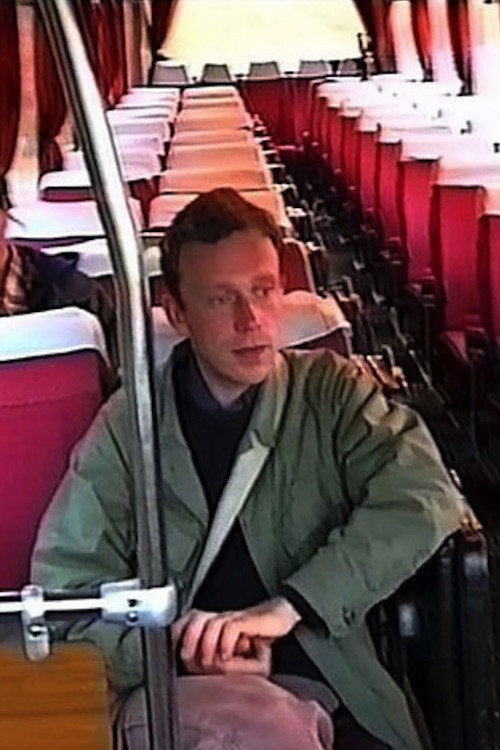
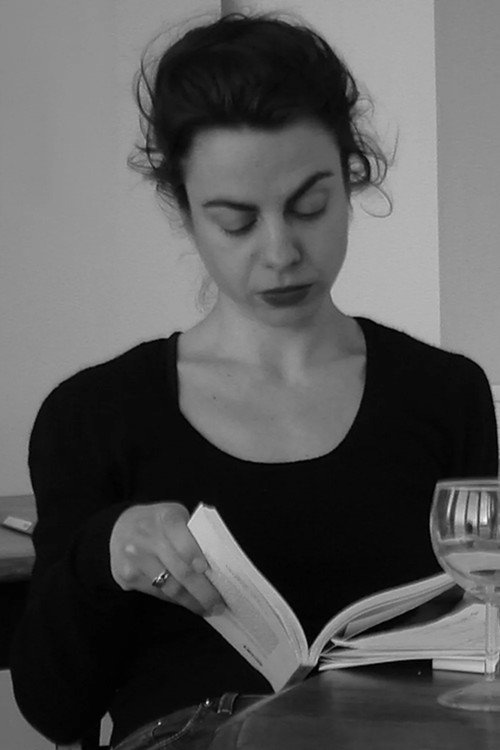
“Sophie was doing a series of portraits of friends reading. I suggested to her, along with our common friend Sophie Marie Le Pallec, that we make an adaptation of Mercier and Camier set in the coach on the Fécamp/Le Havre line that passed in front of the houses where we lived.”
Three weeks of hiking in one of the highest-altitude places on earth: the Spirit Valley in the Himalayas. Two sequences of flowers picked like in herbarium, emphasized by the voice of villages and the chants of monasteries.
“Love is not made to console, no doubt — it is made to save. But we know all too well that one is only ever saved once. And only for as long as that once endures.” Inspired by The Eternal Return, Michel Surya’s novel, the film is a portrait of the book itself.
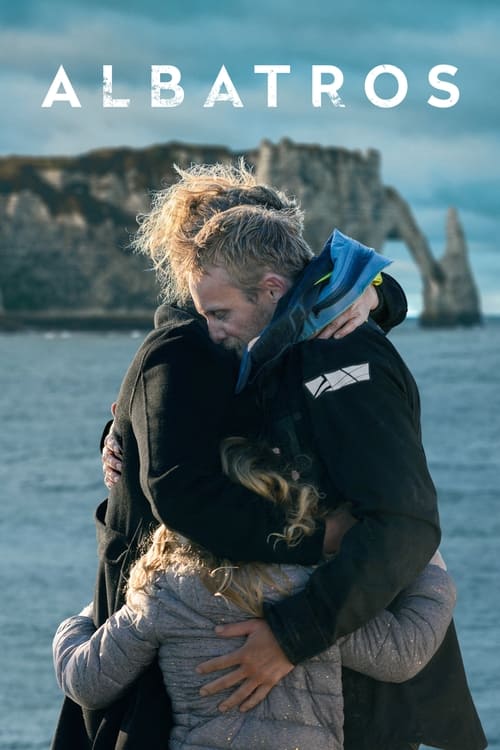
Laurent, a young brigade commander in a gendarmerie in a small town in Normandy is planning his wedding with Marie, his partner and mother of his daughter. He loves his job despite facing social misery on a daily basis. One day, a farmer who might try to kill himself runs away.
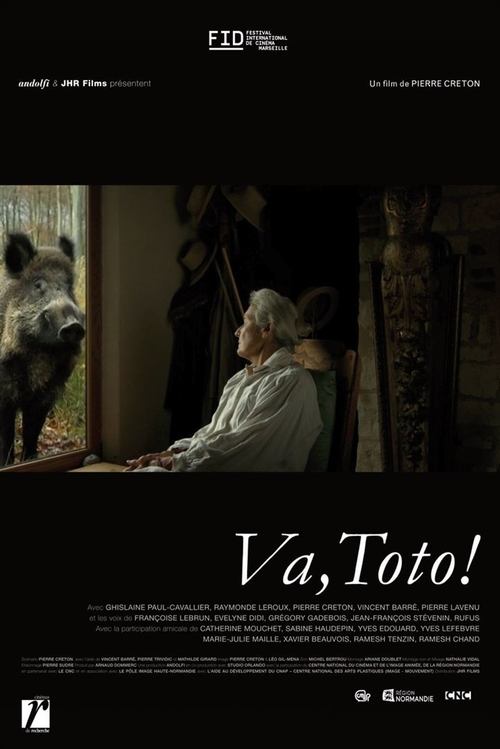
A film about belonging, gay rural life, physical labor & elderly bodies. The arrival of Toto the marcassin at Madeleine's house, Vincent's trip to India and his troubles with the monkeys, or Joseph's dreams provoked by the continuous pressure machine, are three stories that Pierre will share and that in one way or another summon up our relationship with the animal, with this other neighbor
African immigrants start working on a farm in Normandy and hope to open their own restaurant someday.
“This was, a priori, a more familiar commission, as I had lived in Le Havre – it’s actually the only town I know a little. And I’ve always liked the architecture of Auguste Perret…Annette Haudiquet, a curator at the Malraux museum, asked me to come to Le Havre. She had planned visits to different sites. We began with the Perret show-apartment, accompanied by the guides Elisabeth Chauvin and Pierre Gencey. We had lunch, I went to their home – they also live in a Perret apartment, arranged identically to the show-apartment. And I imagined the two of them with their son Vincent, as characters “acting” as the residents of the show-apartment. With this first idea, I accepted the commission: staging them as residents of the apartment when, in reality, they are the guides, between two realities, two epochs: the apartment that they live in and the one they show to people”.