FEEL IT.STREAM
Julie Fuchs

Julie Fuchs

Acting

Biography

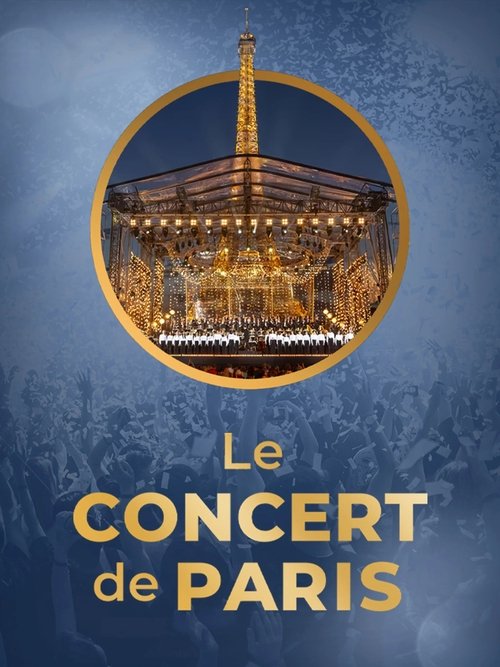
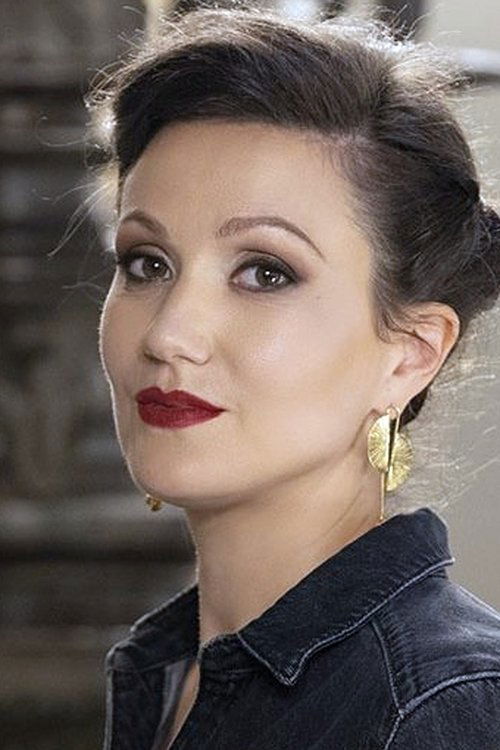
Julie Fuchs (born 24 July 1984) is a French soprano known for her interpretation of light-lyric repertoire. Born in Meaux, France to a father who was a manager, and a mother who was a swimming teacher, Fuchs grew up in Avignon. At age 7, she began violin lessons and started studying music theory and history at the Avignon Conservatory. After singing a variety of repertoire (pop, jazz...), she was selected to be part of a European choir, "Voices of Europe" with whom she toured Europe, and sang with Björk during the recording of "Which was the Son of" by Arvo Pärt. This experience marked a turning point in her young musical life, as she discovered a desire to explore singing. At age 18, she began private classical voice lessons and acting lessons. In 2006, Fuchs entered the Conservatoire of Paris, considered the top conservatory in France. There, she made her first operatic role debuts as Elle in L'amour masqué by Messager and Susanna in Mozart's Le Nozze di Figaro. During her time at the conservatory, she met and developed relationships with artists that she is still working with today, such as the founder of the French contemporary classical music group, Le Balcon, and the pianist Alphonse Cémin. In 2010, she graduated with honours. As soon as she finished her studies, Fuchs made her professional career performing Galatea at the Aix-en-Provence Festival. In 2013, Fuchs joined the opera ensemble at the Zürich Opera where she debuted several roles, including Marzelline in Fidelio, Morgana in Alcina, Susanna in Le nozze di Figaro, and Angelica in Orlando. In 2014, Fuchs signed a recording contract with Deutsche Grammophon; she released her first album Yes! the following year, which paid homage to French repertoire in the 1930s and 1940s. Also in 2015, Fuchs made her debut at the Opéra national de Paris in the role of la Folie in Platée by Rameau. She also made her debut in the Rossini repertoire as the Comtesse Folleville at the Zürich Opera, and sang in the televised concert in celebration of Bastille Day in Paris, under the Eiffel Tower. At the Salzburg Festival that same year, she made her festival debut singing the soprano part in Mozart's Great Mass in C Minor. 2016 marked her debut at the Bavarian State Opera in Munich as Musetta in La bohème. she sang with the BBC Symphony Orchestra at the BBC Proms, and she made her debut at the Chorégies d'Orange, the celebrated festival in the South of France. Her year of debuts continued in Vienna, where she was praised by the press for her debut as Marie in Donizetti's La fille du régiment. In 2017, Fuchs returned to the Opéra national de Paris, creating the role of Esther for the premiere of the opera Trompe-la-mort de Lucas Francesconi, and to sing the role of Nannetta in Verdi's Falstaff. Other highlights included Leïla in Bizet's Les Pêcheurs de perles at the Auditorium du Nouveau Siècle in Lille and at the Théâtre des Champs-Elysées. She also returned to the Aix-en-Provence Festival as Zerlina in Don Giovanni. She also made her debut at the Teatro Real in Madrid as Giunia in Lucio Silla. ... Source: Article "Julie Fuchs" from Wikipedia in English, licensed under CC-BY-SA 3.0.

Known For

Télématin
5.8

Télématin is a French breakfast television news show, broadcast on France 2 since January 7, 1985. It is broadcast in Metropolitan France weekdays from 6:30 to 9:00 am CET. TV5 broadcast the show in Canada in its entirety until September 2011: it now shows a 90 minute version between 6:30 and 8:00 am Eastern Time, when the French original version is now 2h30 long. Télématin is hosted by William Leymergie. The show is daily seen by around 40% of the French morning audience, a very high percentage for French TV. In Metropolitan France, the newscasts are presented at 7:00, 7:30 and 8:00, with newsflashes at 6:30 and 8:50, and two press reviews at 7:20 and 8:30. The 6:30, 7:30 and 8:50 newscasts are usually presented by a female reader and the hourly newscasts by a male. The usual readers are Nathanaël de Rinquesen, Sophie Le Saint, Julien Benedetto, Sophie Gastrain, Patrice Romedenne and Frédéric Vion.

Télématin

1985Series
Les Indes Galantes
8.0

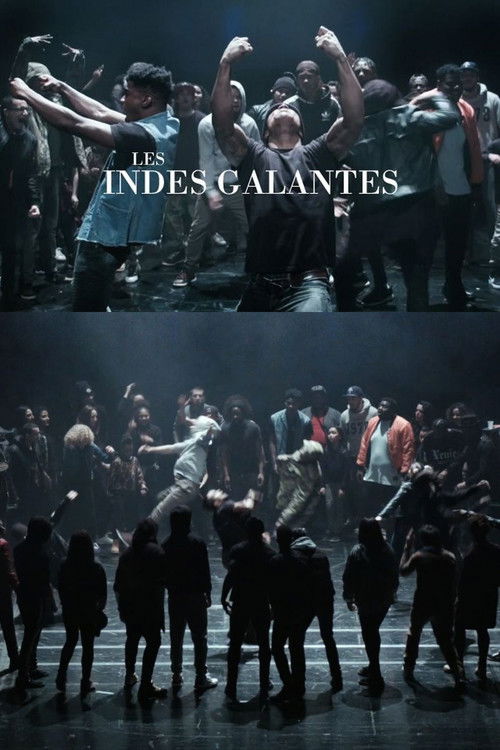
Les Indes Galantes (The amorous indies), is an opera-ballet created by Jean Philippe Rameau in 1735. He was inspired for one of the dance by tribal Indian dances of Louisiana performed by Metchigaema chiefs, in Paris in 1723. Clément Cogitore adapts a short part of the ballet by mobilizing a group of Krump dancers, an art form born in Los Angeles black ghetto in the 1990s. Its birth occurred in the aftermath of the beating up of Rodney King and the riots, as well as police repression it triggered. Amidst this coercive atmosphere, young dancers started to embody the violent tensions of the physical, social and political body. Both the tribal dance performed in Paris in 1723, and the rebelious Krump dancers of the 1990s shape a reenactment of Rameau’s original libretto, staging young people dancing on the verge of a volcano.

Les Indes Galantes

2018Movie
Platée (Palais Garnier)

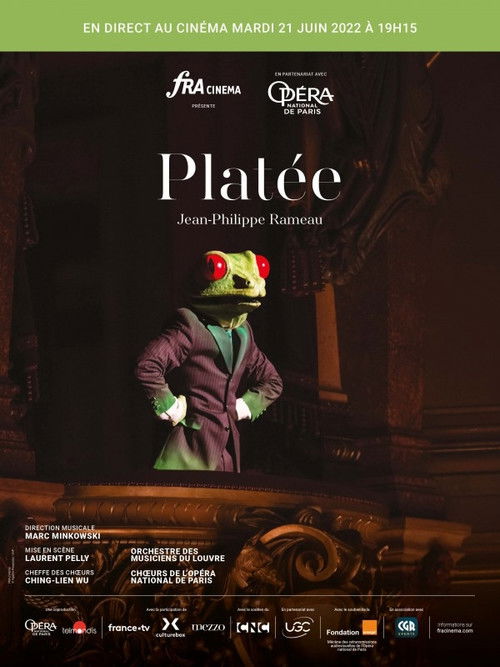
Jean-Philippe Rameau’s Platée is a masterpiece of the French operatic repertoire and was highly regarded by critics during the composer’s lifetime. Composed for the marriage of the Dauphin Louis, son of Louis XV, to the Infanta Maria Teresa of Spain, it was first performed at Versailles in 1745 and became an instant hit. The plot revolves around the ugly and conceited frog Platée, the victim of a machination of the gods who make her believe that she is loved by Jupiter. Is this Rameau mocking Princess Maria Teresa of Spain – reputedly a woman of little beauty? Or the French court, which saw itself as a new Olympus? This classic production from the Opéra national de Paris by Marc Minkowski and Laurent Pelly returns to the stage with an entirely new cast, featuring Julie Fuchs, Mathias Vidal, Jean Teitgen and Lawrence Brownlee in the title-role.

Platée (Palais Garnier)

2022Movie
Rossini: Le Comte Ory

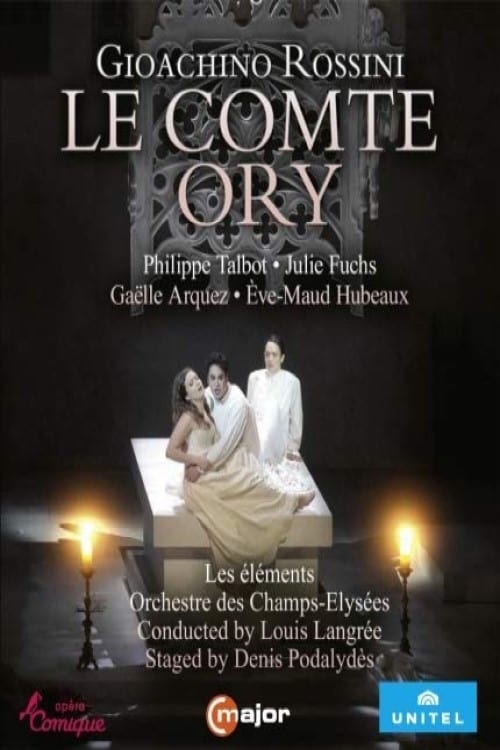
Rossinis penultimate opera, premiered in 1828 at the Opéra National de Paris, is a musical comedy about a love triangle set during the Crusades. At the Opéra Comique its plot is transported to the time of the works creation with Frances military expeditions to Algeria. It is staged by a first-rate creative team: Stage director Denis Podalydès and costume designer Christian Lacroix provide stunning visuals, whilst conductor Louis Langrée leads the Orchestre des Champs-Élysées, the Chur Les éléments and a stellar cast of soloists in this delightful fools game. Mezzo-soprano Gaëlle Arquez shines with her superlative technique (Le Monde) and Julie Fuchss Adèle performance elicits more than just admiration, namely enthusiasm in the etymological sense of the word: inspired by the divine (Le Monde). A masterpiece! (Télérama), Pure pleasure! (Les Échos). Le Comte Ory at the Opéra Comique is a true musical and theatrical celebration where everything sparkles! (Bachtrack)

Rossini: Le Comte Ory

2019Movie