FEEL IT.STREAM
Toshio Matsumoto

Toshio Matsumoto

Directing

Biography

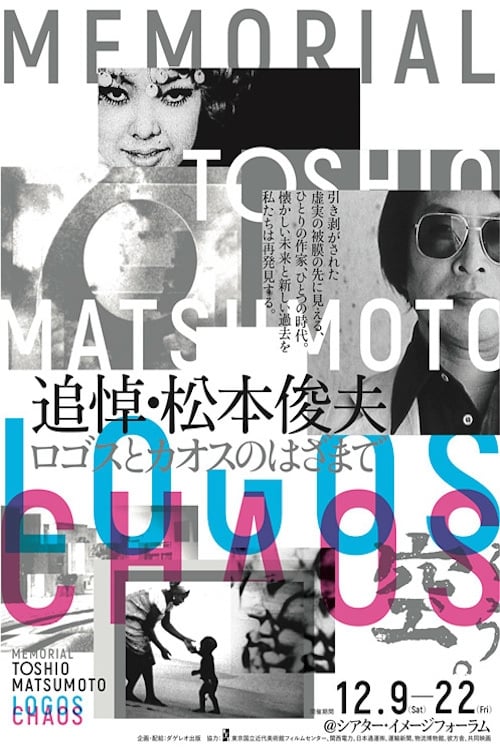
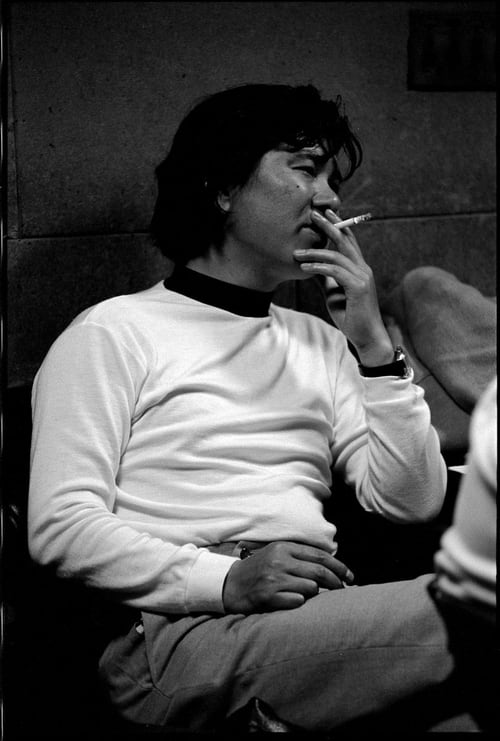
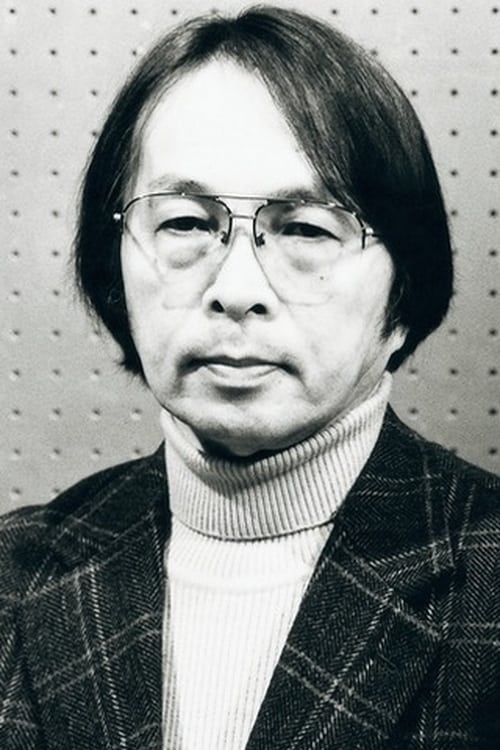
Toshio Matsumoto (松本 俊夫 Matsumoto Toshio) (March 25, 1932 – April 12, 2017) was a Japanese film director, a pioneer of avant-garde experimental movies, multimedia, and video in his homeland and abroad. Matsumoto was born in Nagoya, Aichi, Japan and graduated from Tokyo University in 1955. His first short was Ginrin, which he made in 1955, however his most famous film is 1969's wildly experimental Funeral Parade of Roses (also known as Bara no soretsu). Funeral Parade of Roses influenced Stanley Kubrick's film A Clockwork Orange heavily. The film was a retelling of Oedipus Rex, featuring a trans person (portrayed by Pîta) trying to move up in the world of the Japanese hostess clubs. Matsumoto published many books of photography and art and was a professor and dean of Arts at the Kyoto University of Art and Design. He was also the President of the Japan Society of Image Arts and Sciences.
Known For

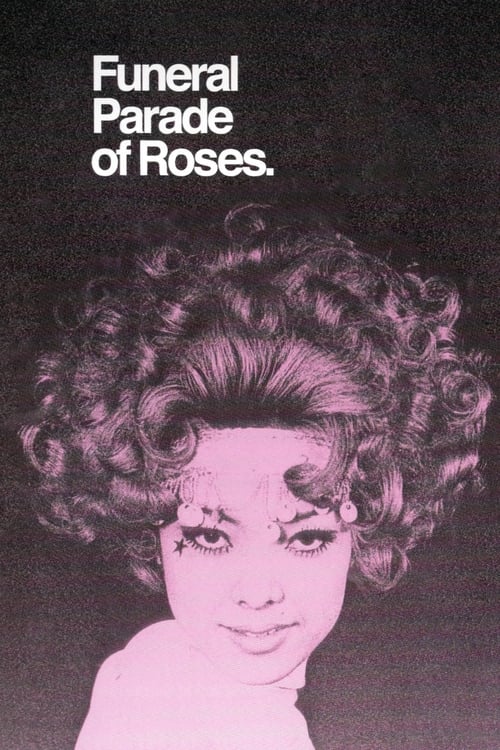
Funeral Parade of Roses
7.5

In 1960s Tokyo, Gonda owns a bar in which the gay, cross-dresser, and trans scenes meet. Gonda is in a relationship with the madam of the bar, Leda. As the younger Eddie starts a passionate affair with Gonda, she ignites the jealousy of Leda, unaware of another kind of history between them.

Funeral Parade of Roses

1969
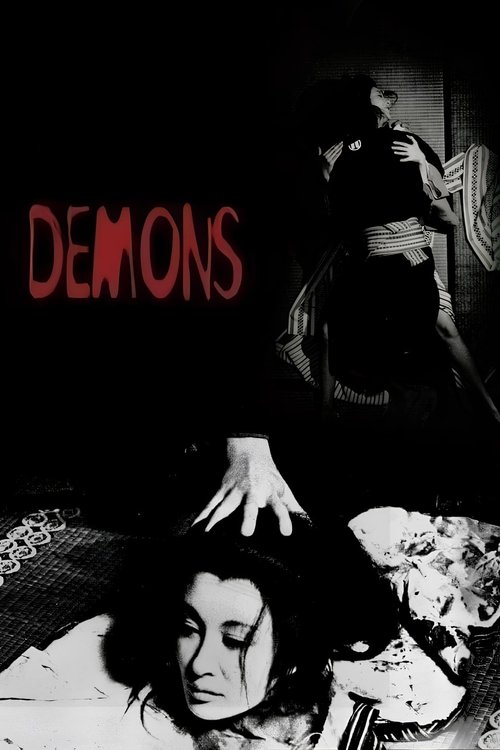
Demons
7.7

Tells the story of the samurai Gengobe, who seeks revenge after falling prey to the schemes of a geisha and her husband.

Demons

1971
Dogra Magra
6.7

A young man kills his bride on the day of his marriage and goes insane. He wakes up in an asylum with no memory, left in the hands of two mysterious doctors who relate his condition with his biological identity.

Dogra Magra

1988
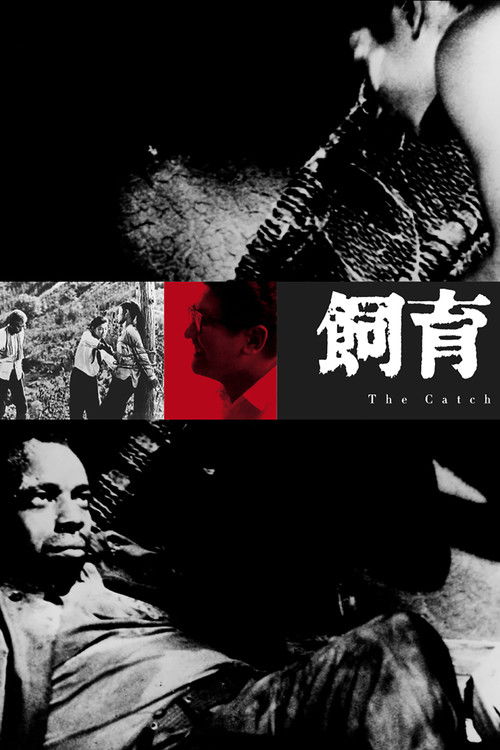
The Catch
6.5

Towards the end of WWII, a black American pilot is captured and imprisoned by rural Japanese villagers, who await official instructions as to how to proceed with their 'catch'.

The Catch

1961
The War of the 16 Year Olds
6.3

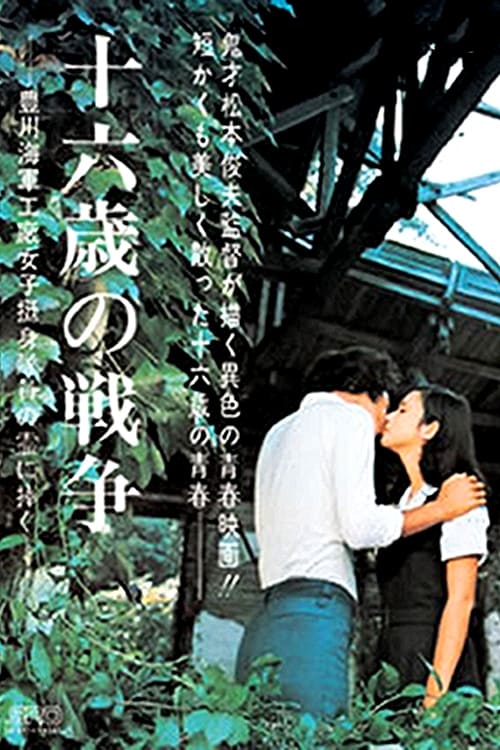
A young drifter and a precocious sixteen years old girl slowly form a bond in a small town haunted by its wartime past.

The War of the 16 Year Olds

1976
Engram
6.2

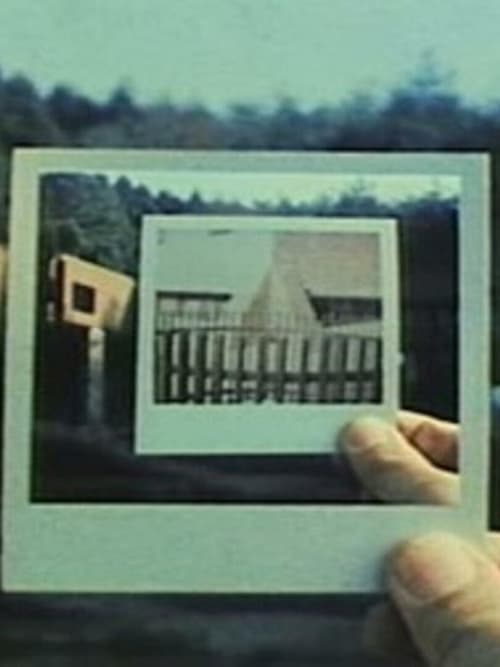
Engram is a three-part piece revolving around a few good old ideas such as photos inside of photos, movies inside of movies, photos inside of movies, movies inside of photos, and (even) a film director inside a TV set.

Engram

1987
Atman
6.6

ĀTMAN is a visual tour-de-force based on the idea of the subject at the centre of the circle created by camera positions (480 such positions). Shooting frame-by-frame the filmmaker set up an increasingly rapid circular motion. ĀTMAN is an early Buddhist deity often connected with destruction; the Japanese aspect is stressed by the devil mask of Hangan, from the Noh, and by using both Noh music and the general principle of acceleration often associated with Noh drama.

Atman

1975
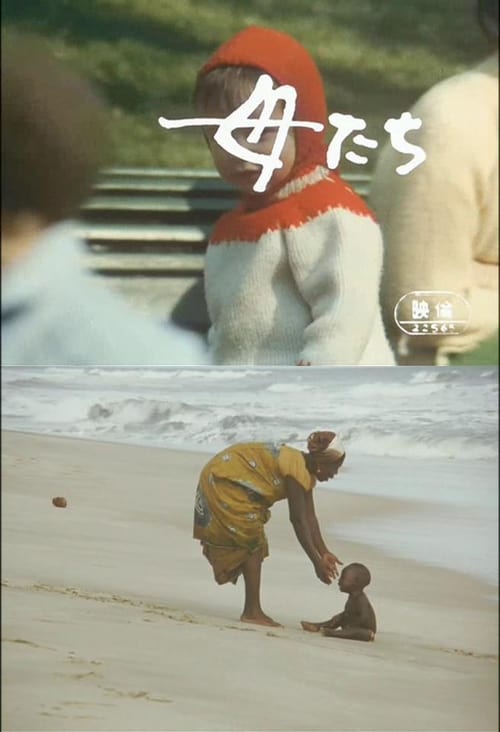
Mothers
6.4

Documentary about the relationships between mothers and their children.

Mothers

1967
Wave
N/A

No description available.

Wave

1984
The Weavers of Nishijin
7.6

The Weavers of Nishijin captures the process of traditional textile manufacture in Nishijin.

The Weavers of Nishijin

1961
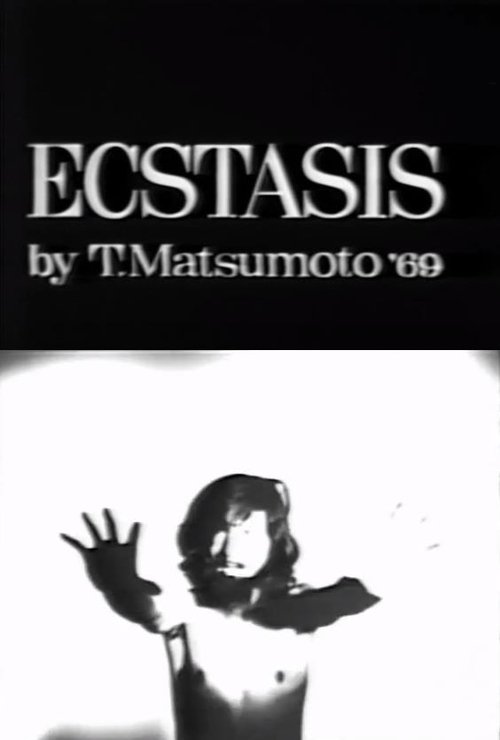
Ecstasis
7.5

Repetitive abstract experimental film. A bearded man flickers past a hundred times.

Ecstasis

1969
Metastasis
5.6

Writes Matsumoto, "I used the Erekutoro Karapurosesu (Electro Color Processor), which is mainly used in the field of medicine and engineering, to create moving image textures Metastasis, I was interested in layering images of a simple object and its electronically processed abstraction. The electronic abstract image is manipulated in a certain rhythm, depicting an organic process."

Metastasis

1971
No image
5.9

A kaleidoskopic image of Andy Warhol, presumably found footage from some interview, is slowed down and played over sudden pangs of screeching white noise. Warhol's own distorted, delayed, voice guides us through the gaseous hallucination.

Andy Warhol: Re-Reproduction

1974
KIKAIDE MIRUKOTO = Eye Machine / To See by Chance –The Pioneers of Japanese Video Arts–
N/A

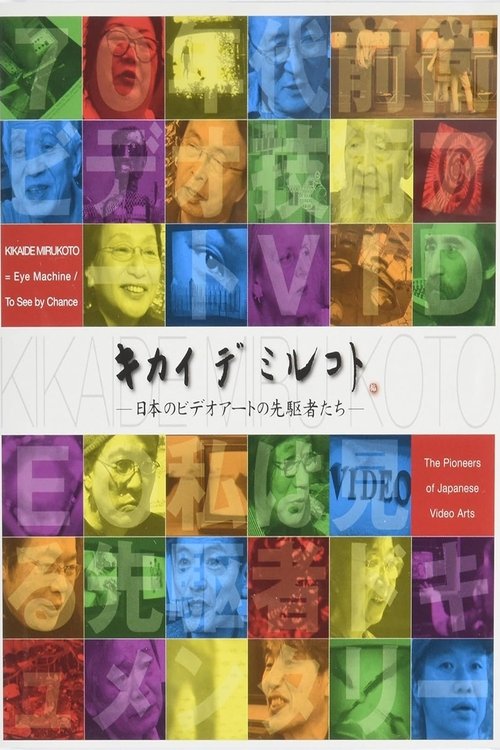
Video began as a medium that inspired discovery. This art documentary traces the expressive roots of “media art” in Japan — works of video, performances, and installations created using video technology that allowed for free and creative visual expression.

KIKAIDE MIRUKOTO = Eye Machine / To See by Chance –The Pioneers of Japanese Video Arts–

2013
Everything Visible Is Empty
7.6

There's more to picture than meets the eye in this journey into oriental metaphysical imagery. Starting (in a very Christian manner) with the Word, the film draws an explosion of visible forms, as if a sign of the shattering of shapes in the mundane world. But time is cyclical, of course, and what was once a multitude of sensible realities must eventually return to the Word and, finally, to sheer Color. (Sound of Eye)

Everything Visible Is Empty

1975
Enigma: Nazo
7.0

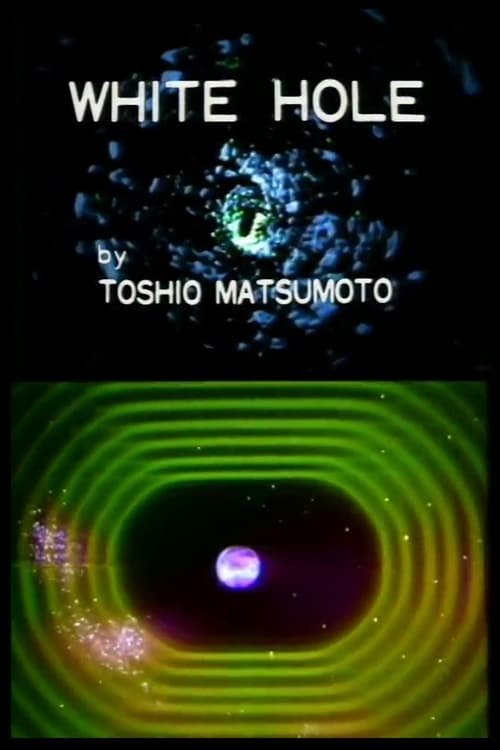
Enigma is something of a more glamorous version of White Hole, with a wide variety of elaborate textures (often composed of iconographic and religious symbols) converging towards the centre of the screen.

Enigma: Nazo

1978
Ki or Breathing
7.3

'Ki or Breathing' is a spare concoction assembled from slow motion shots of nature and set to a score by the much-acclaimed Tohru Takemitsu.

Ki or Breathing

1980
Phantom
6.2

A psychedelic yoga lesson with some beautiful and bizarre visuals.

Phantom

1975
Under the Skin
1.0

A documentary on sixties counterculture in Japan featuring Donald Richie, Tadanori Yokoo, Masao Adachi, Koji Wakamatsu, Toshio Matsumoto and Akaji Maro among others.

Under the Skin

2002
Security Treaty
N/A

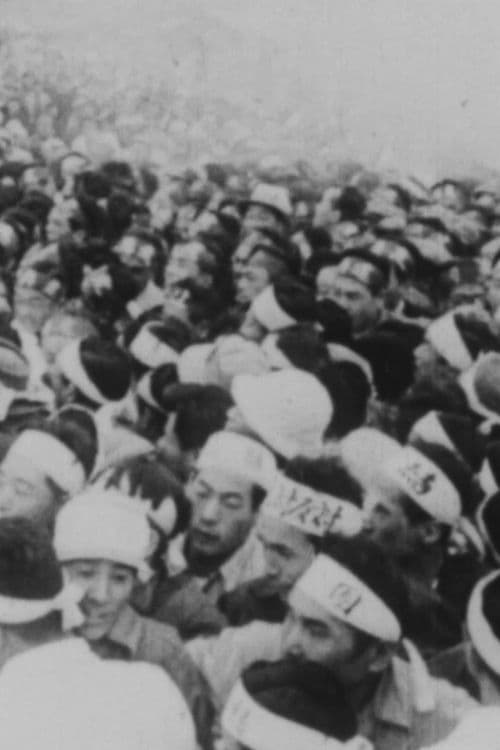
An early experimental film by Toshio Matsumoto. Produced as part of the student riots in Japan at the start of the 1960s, Matsumoto uses collage, archival footage, and impassioned narration to create an expressive, visceral criticism of the US-Japan Security Treaty.

Security Treaty

1959