Directing
Two people fall in love. A film that started as a documentary.
A film-monologue whose main character is painter Džemma Skulme (1925-2019) – a strong and socially active personality, a beautiful and intelligent woman. At the time of filming, Džemma held all possible titles of the Soviet nomenclature – People's Artist of the Latvian SSR, Chairwoman of the Board of the Artists' Union of the Latvian SSR, Deputy of the Supreme Soviet of the USSR, Corresponding Member of the USSR Academy of Arts – but the filmmakers see through this official veneer and see a woman who paints, loves, and actively participates in life. All the events of the Awakening are still ahead, Džemma Skulme's invaluable place in the history of Latvia's new era is only just beginning to emerge, and here we see how it all began.
The International Folklore Festival in Riga brought together groups from all over Latvia, neighbouring Lithuania, Estonia, Russia, Belarus and the Baltic Sea Basin. The documentary covers the main events of the festival, concerts, parades and meetings.
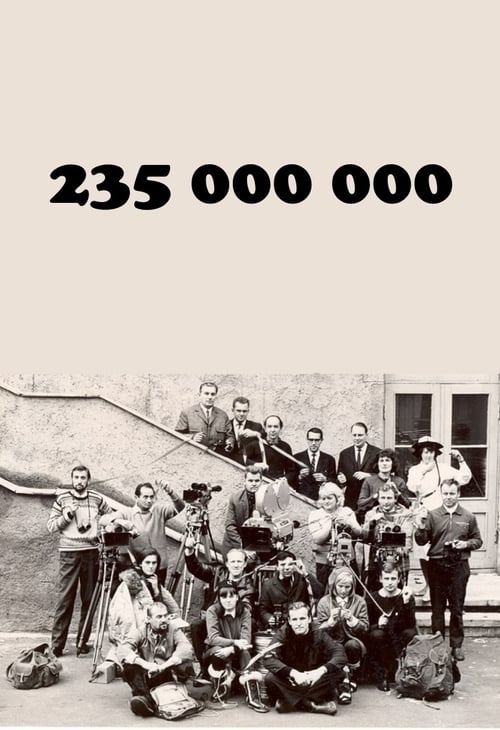
In the 1966 the population of the Soviet Union was estimated at 235 million. A group of Latvian filmmakers traveled the length and breadth of the country to create a portrait of the diverse population.
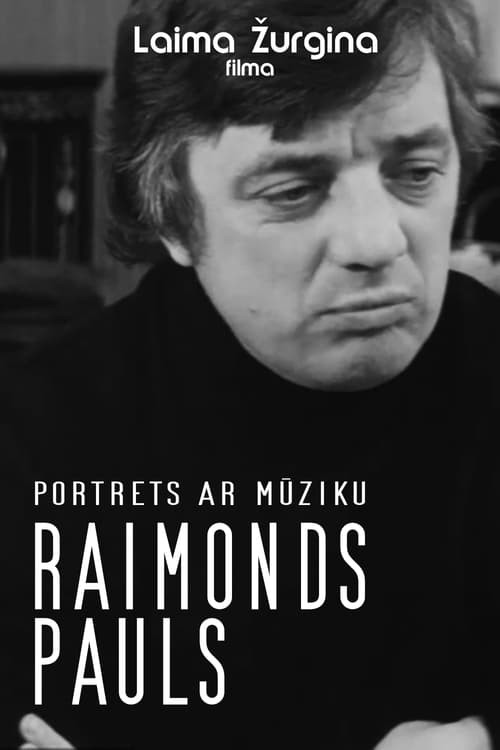
A film of the popular composer Raimonds Pauls - with music, songs and open conversation about popularity, light and serious music
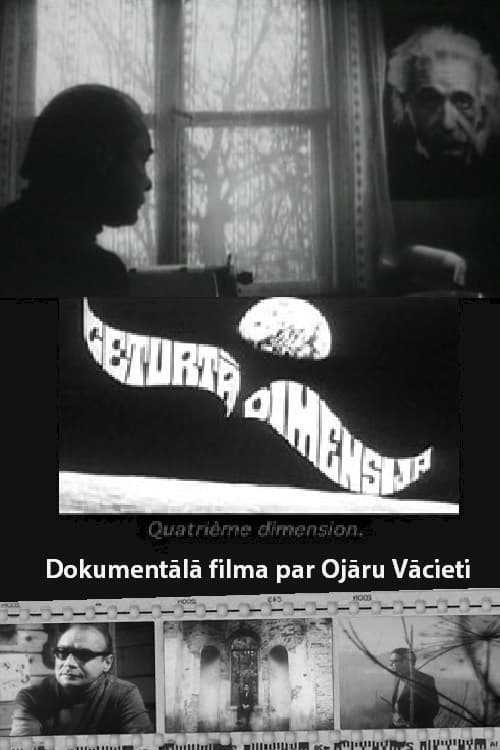
A film portrait of the poet Ojars Vacietis.
A cinematic portrait of poet Imants Ziedonis.
No description available.
About reconstruction, about the difficult path to democratization of society. Speaking are Georgian director Lana Gogoberidze, representative of the Memorial Society, editor Aleksey Adzhubei, Orthodox priest Gleb Yakunin, leader of the Latvian Popular Front Dainis Ivans, politician Marju Lauristin, a victim of Stalin's repressions recalls his deportation to the Vorkuta camp. Stalin Museum and Memorial, Nikita Khrushchev's grave, events, public rallies in Tbilisi, Russia, Tallinn, Riga, scenes at the Riga Brothers' Cemetery, at the Freedom Monument.
A film about conscription in the Soviet army. Mothers in Russia, Ukraine, and Latvia recount the tragic fate of their sons. The film has won awards at international film festivals in Lübeck (Germany), Yekaterinburg (Russia), and Kogoshima (Japan), and has been included in the official programs of film festivals in Cannes (France), Dortmund and Oberhausen (Germany), and elsewhere.
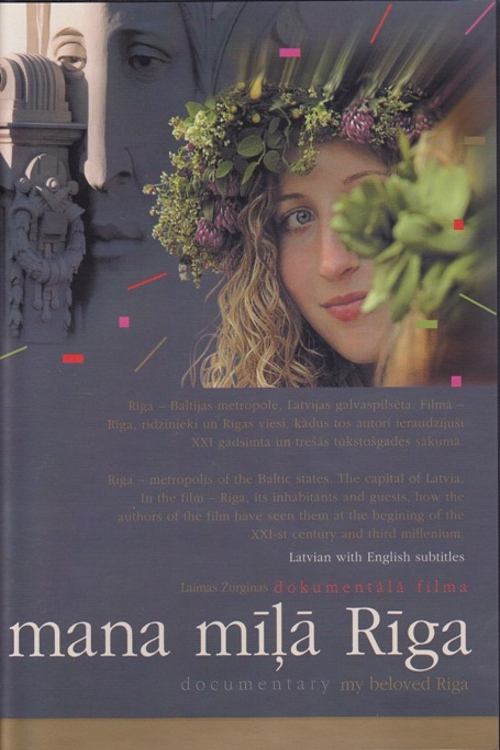
In this film, the inhabitants of Riga, each differently, introduce us to this 800-year old European city and make an avowal of love to it. You will learn that Riga is the world capital of Art Nouveau, that the famous Festival of Songs is on the List of UNESCO World Heritage, that the world-known violinist Gideon Cramer with his orchestra Kremerata Baltica comes from Riga, that during the Second World War near Riga, in the forests of Rumbula, more than 200,000 victims of the holocaust were killed, that today Riga is a cheerful and vital city visited by thousands of guests.
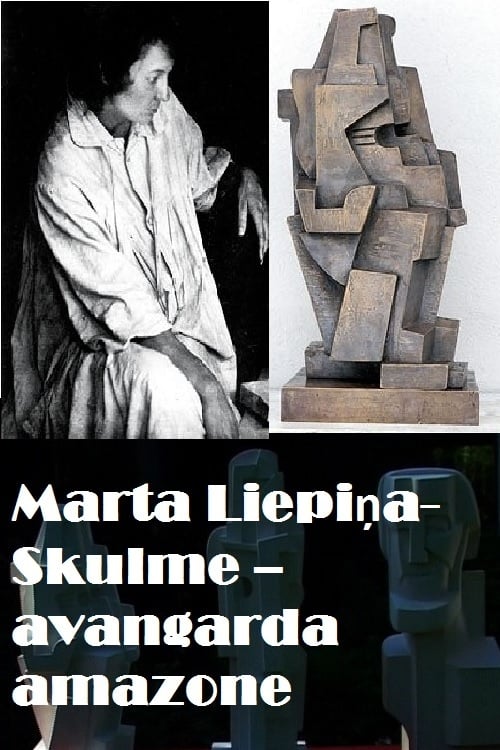
A film about the great 20th century sculptor whose work was inspired by the cubism of the 1920s, and her life story which contains all possible dramas for a creative person living in the previous century.
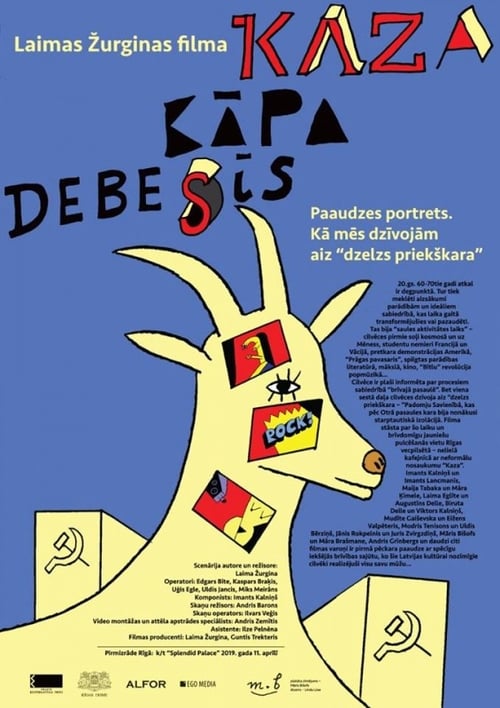
This film is a story about that time in the Baltics, Latvia, and Riga. Young rebels of 1960s – nonconformists, hippies and beatniks – have turned into a generation of well-known writers, poets, musicians, directors, as well as politicians of the new independent Latvia. The ones who were 18, 20, or 25 in 1960s are half a century older today. The protagonists of the film are united by the bohemian gathering place of their youth, a small nameless cafe in the Old Town of Riga, commonly referred to as “Kaza” (The Goat). This place is surrounded by legends, myths and humorous stories.
About Andris Grīnbergs, a drawing teacher at Mazirbe Boarding School, and his students.