Min Zheng
Acting
Known For

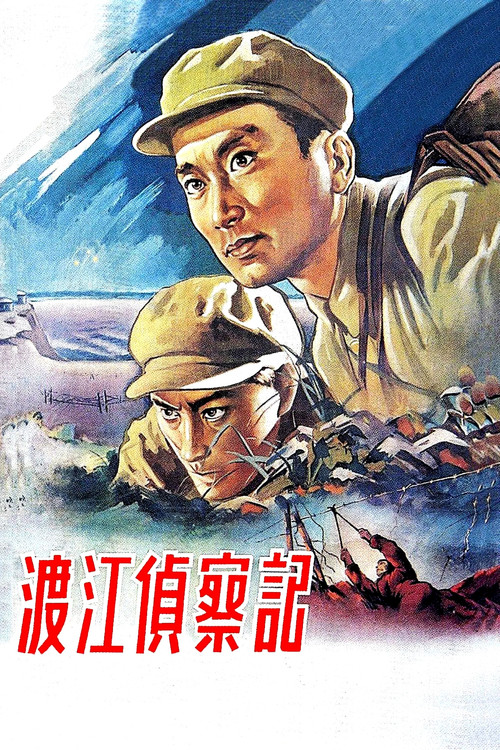
In the spring of 1949, a war is about to happen between the Liberation Army and Kuomintang Army on the Yangtze River. The Liberation Army dispatches a reconnaissance to scout the southern parts of the River, whose work is actually full of hardships and dangers. However, with the help of the local crowd and the guerrillas, finally, the members of the reconnaissance succeed in the commission and offer valuable information to the Liberation Army, making great contributions in the war.
Reconnaissance Across The Yangtze

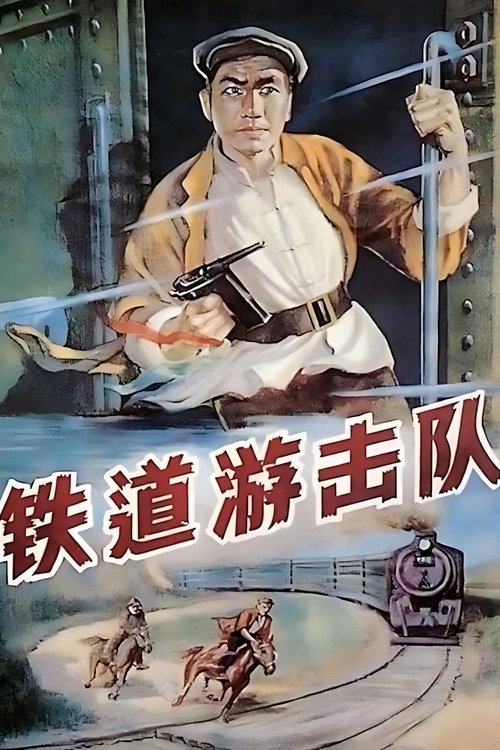
This movie is based on the true story, which happened in Shan-Dong Province of China during World War II. It is based on a collection of memoirs of the guerrilla members. Due to the fact that it happened during World War II and there was not much secrets, this movie is that it was more realistic than other movies in that many real names were used, and the actual site was not changed either like other war movies of the time. The drawback of the movie was that in the latter stage of World War II, the guerrilla force was developed into an impressive 400 plus members from its original beginning of 3, and it launched many major offensives against the enemy, but this part was not shown. The movie only concentrated on the time there were only several dozen members.
Railroad Guerrilla

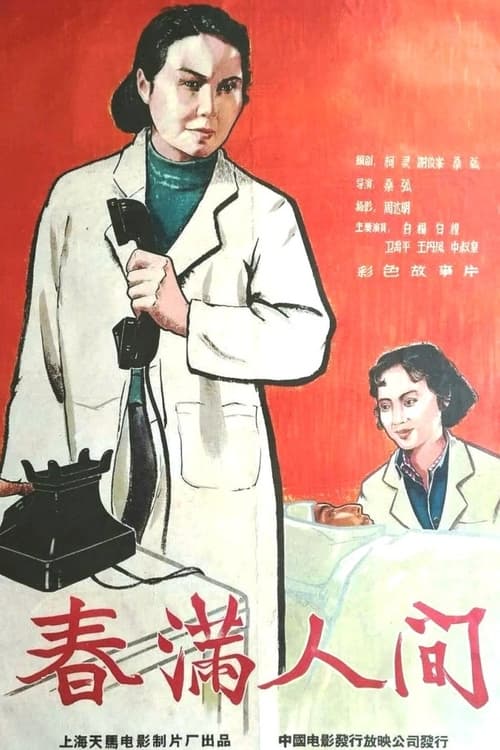
Steelworker Ding Da-gan suffered severe burns in an accident. The victim's condition was almost hopeless, but people from all over the country rallied to save Ding Da-gan's life, and death receded.
Spring Reigns Everywhere

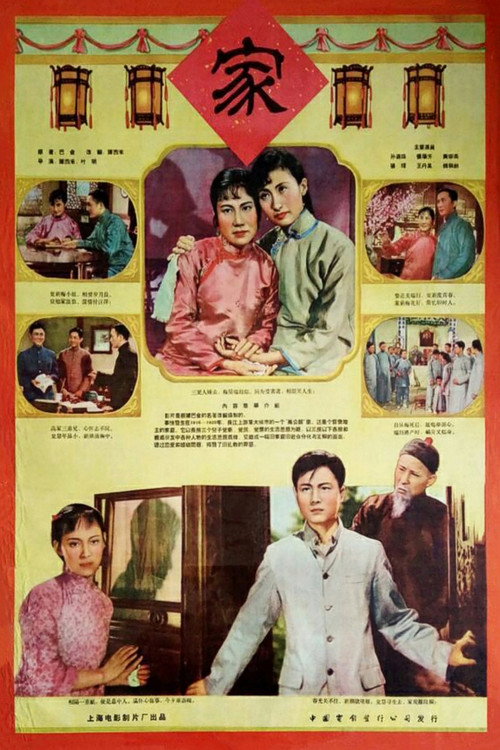
Based on the famous novel of the same name by well-known author Ba Jin, this movie traces the decline of a large, wealthy family in the early part of the twentieth century. The story focuses on three brothers and how they respond to the expectation that they will each marry women whom their grandfather has selected for them. The lure of family money on the one hand and modern individualism on the other plays out differently among the young men. Critics consider this movie an indictment against feudal ideas.
Family

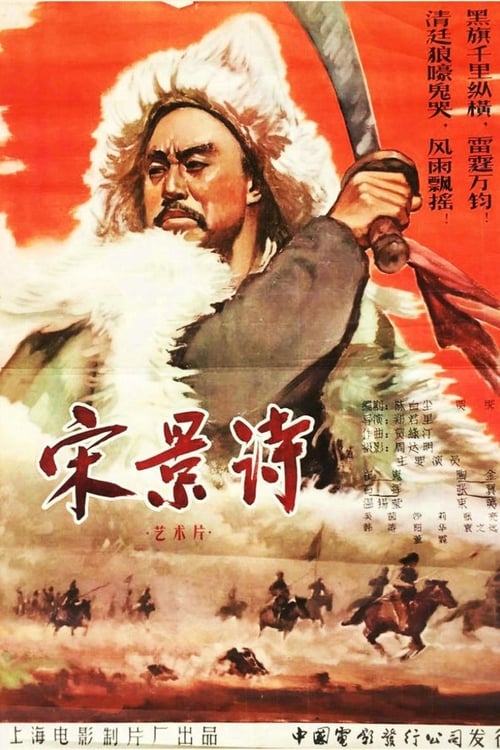
In the mid-19th century, at the height of the Opium War, the Chinese people rose up against the feudal system and the Manchu dynasty, which had capitulated to foreign invaders. ... With their heads bowed, peasants in chains trudge along, those who refused to give money to crush their rebellious brothers. Suddenly, their path is blocked. It is Song Jing-shi who has come to their rescue with his detachment. The freed peasants joined Song Jing-shi. This is how the core of the Black Flag Army was formed. The first historical film made in socialist China in the 1950s. The script is based on authentic material collected in villages in Shandong Province. Legends about the cruelty of Sen Gelinzin and the bravery of Sun Jing-shi, who is called the "Chinese Spartacus," still live on among the people.
Song Jing Shi

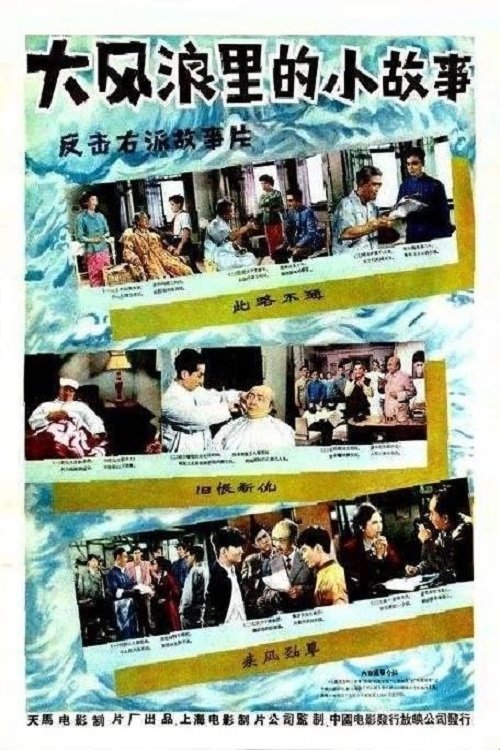
No description available.
A small story in a big storm

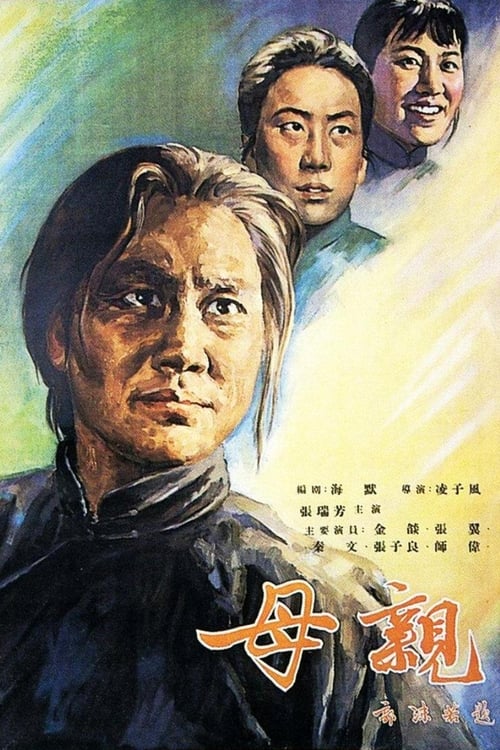
Based on the novel "Mother" by Maxim Gorky, about the hardships of a peasant laborer.
The Mother

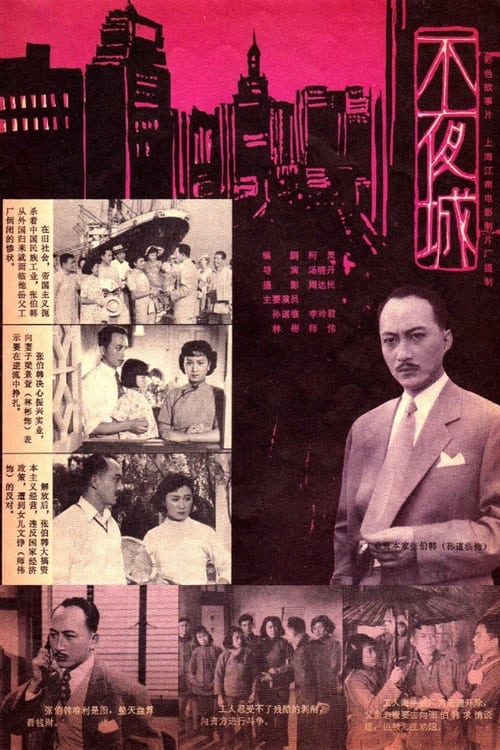
A Chinese drama
City Without Nights

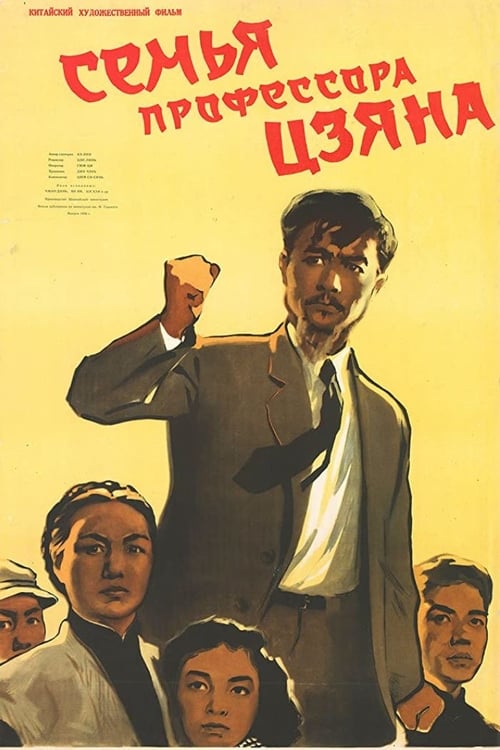
A professor of East China University and his family become supporters of the Communists after America supports the Nationalists.
For Peace

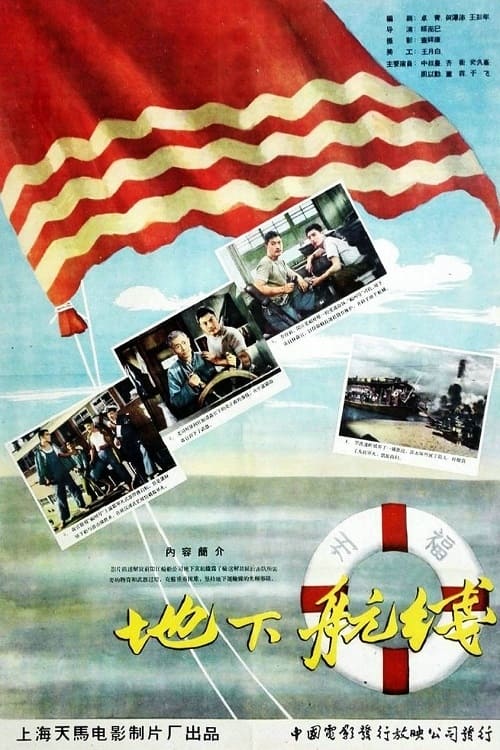
The Min River is crucial for Fujian Province’s economy. In 1947, Lin Sen Guan, a Communist Party member and driver of the “Fuzhou” steamship, smuggled weapons and radios to a guerrilla base with fellow party members. The enemy, led by transportation inspector Wang Xun, sent spy Li Boguang to monitor them. Lin Sen Guan tricked Li Boguang, but the spy later discovered the weapons. Lin Sen Guan pushed him into the water, witnessed by helmsman A Wang, who refused to reveal the truth despite enemy pressure. The underground party decided to transport remaining weapons to the guerrilla zone. The “Fuzhou” set sail, followed by enemy ships. Near Luohan Tan, a guerrilla team unloaded the weapons. The enemy opened fire, but A Wang steered the “Minh River” into an enemy vessel, causing mutual destruction. The weapons reached the guerrilla zone, and Lin Sen Guan continued their underground efforts.
Underground Route

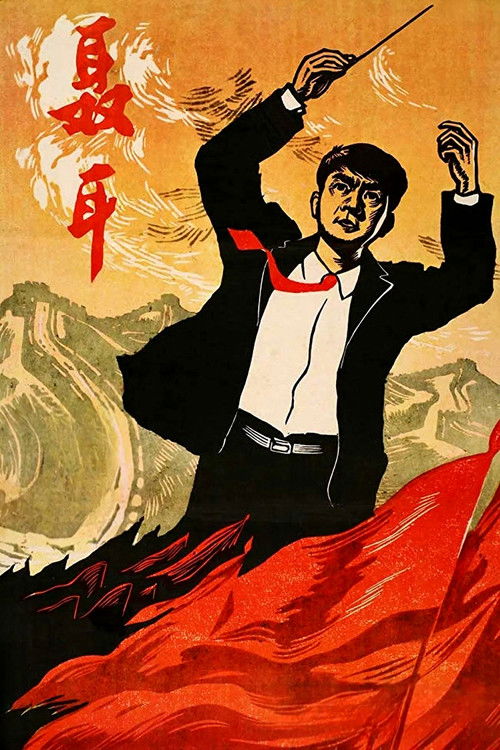
Shot in gorgeous color, this fascinating communist flipside to fifties Hollywood music biopics chronicles the life and tragic early death of Nie Er, the composer of the PRC’s national anthem.
Nie Er

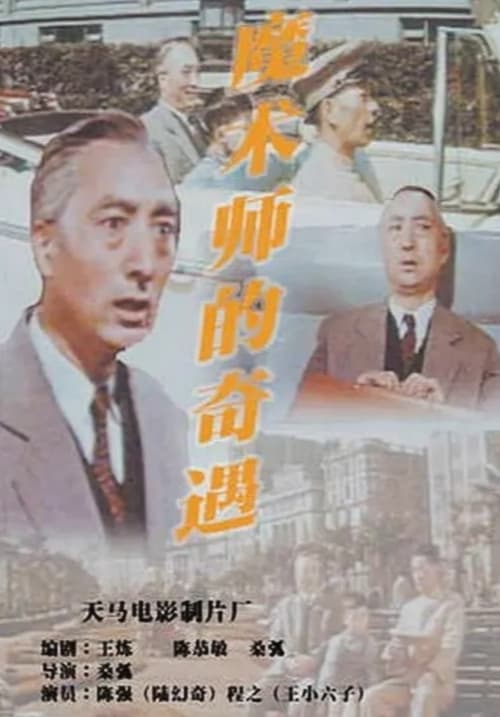
A magician comes back to Shanghai to find his son separated twenty-five years ago.
The Magician's Adventures

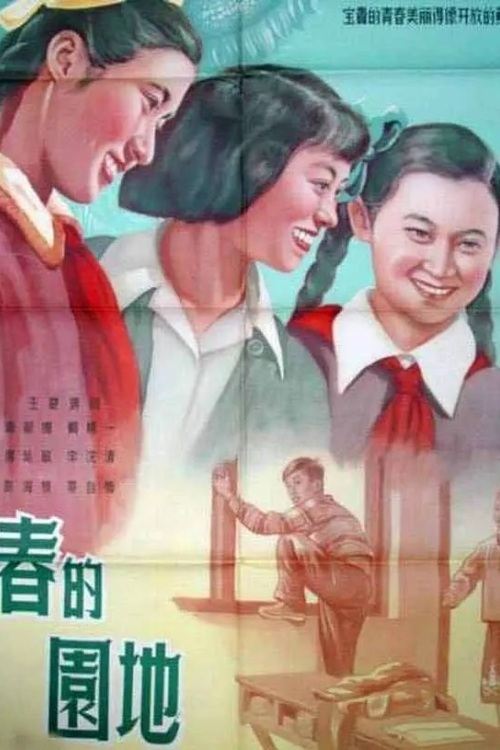
A group of eighth-grade boys and girls set themselves the goal of greening the vacant lot adjacent to their school and turning it into a blooming garden. At first, they thought it would be extremely easy to achieve this goal. But then there were those who argued that the garden only required physical strength (so wouldn't it be easier to hire workers?) and that schoolchildren should not be distracted from their classes, especially since many of them were falling behind. The enthusiastic gardeners did not give up. They took the weaker students under their wing. Much more was needed—special knowledge, teamwork skills, and perseverance—before the eighth graders were able to ceremoniously present the school with the first bouquets of flowers from their plot.
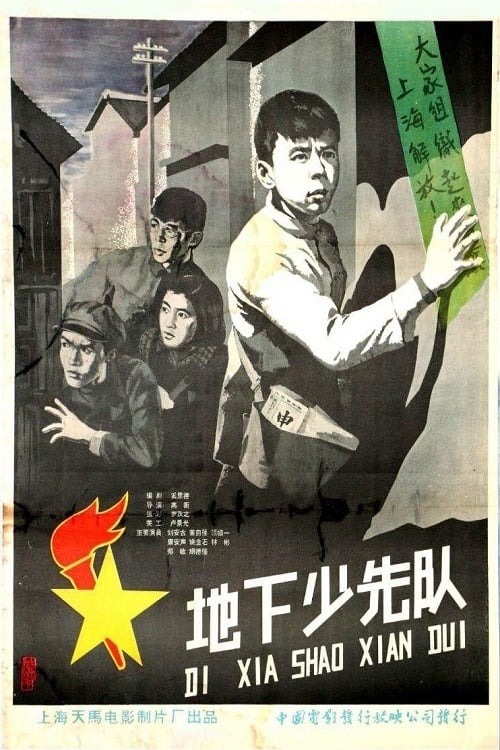
The Garden of Youth

In 1949, as Shanghai faced liberation, prices soared, and people struggled. Students worried about tuition waivers. At a middle school, corrupt influences led to unfair waivers, angering students like Jiang Dacheng, who was expelled after being reported by Wu Guangen. Guided by Yang Ming, an underground party worker, Jiang Dacheng joined the revolution. He and classmates Lü Xiaoke, Chen Yuzhen, and He Guisheng formed the underground Young Pioneers, transforming the confiscated *New Youth Newspaper* into a wall newspaper to spread revolutionary ideas. They secretly listened to Xinhua News, printed leaflets about the People’s Liberation Army’s victory, and distributed them, causing panic among spies Wu Inspector and Principal Zhu. Teacher Yang Ming protected the children, but his actions drew suspicion. Jiang Dacheng learned of Yang Ming’s arrest plan and helped him escape. They celebrated Shanghai’s liberation, and Jiang Dacheng vowed to follow the Communist Party forever.