Acting
A Time Prophet predicted that Kai would be the one to destroy the divine order in the league of the 20,000 planets, someday that will happen, but not today. Today a cowardly security guard, an undead assassin, a female with a body designed for sex and a robot head madly in love with her all make up the crew of the spaceship Lexx, the most powerful weapon in the two universes.
One gunshot, one death, one moment out of time that irrevocably links eight minds in disparate parts of the world, putting them in each other's lives, each other's secrets, and in terrible danger. Ordinary people suddenly reborn as "Sensates."
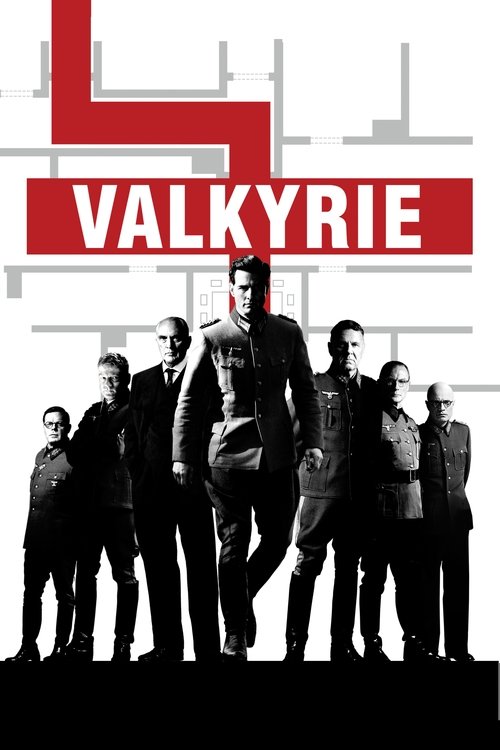
Wounded in Africa during World War II, Nazi Col. Claus von Stauffenberg returns to his native Germany and joins the Resistance in a daring plan to create a shadow government and assassinate Adolf Hitler. When events unfold so that he becomes a central player, he finds himself tasked with both leading the coup and personally killing the Führer.
No description available.
The film is based on a scene in Beethoven’s opera Fidelio. The inmates of the Seville prison are kept in dark cells without daylight. Now, for the first time after years, they are allowed to see the sun. Light as a metaphor for freedom.
True story of two diametrically opposed young women dealing with terminal illness.
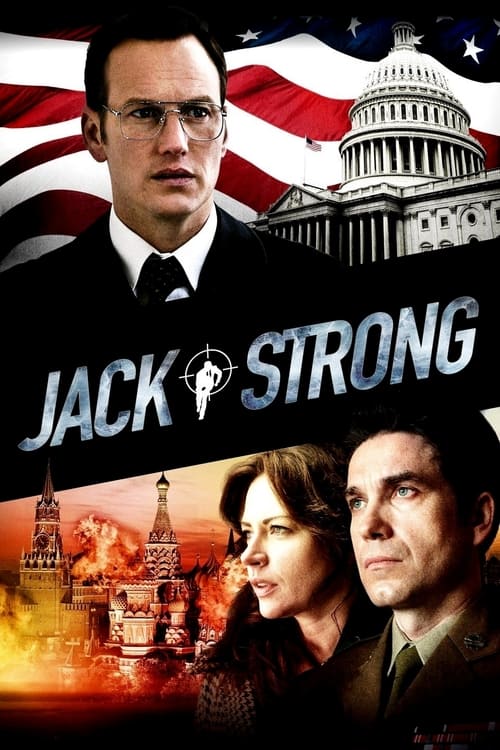
Poland, 1970. Firmly determined to fight against Soviet tyranny and prevent the destruction of the world, the high-ranking officer of the Polish army Ryszard Kukliński makes a serious decision that will put his life, his family and the fate of an entire nation at risk.
The gifted, charismatic artist John Cranko moves to the Swabian province from London, where he is attacked for his homosexuality, and after many crises becomes the great sensation as the new pop star of the arts: the Stuttgart Ballet Miracle.
Always Afternoon is a 1988 Australian mini series about German internees in Australia. It was a co production between Germany and Australia. It inspired a series of paintings by Ross Watson.
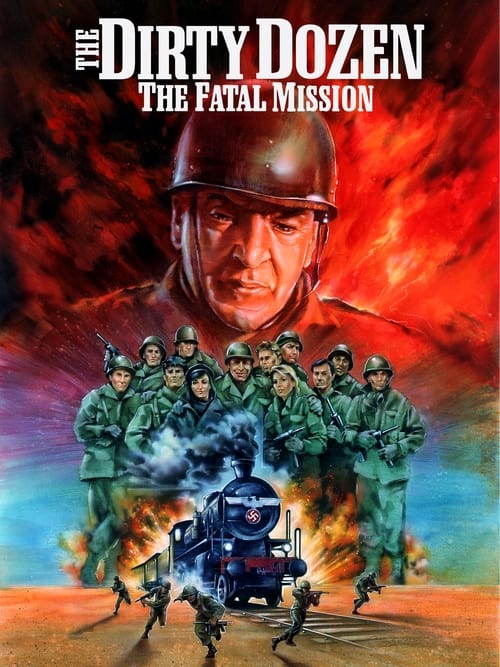
A renegade team of World War II soldiers. This time, one of the 12 is a woman and, with a Nazi spy within their midst, they're up against German wartime geniuses out to establish a Fourth Reich.
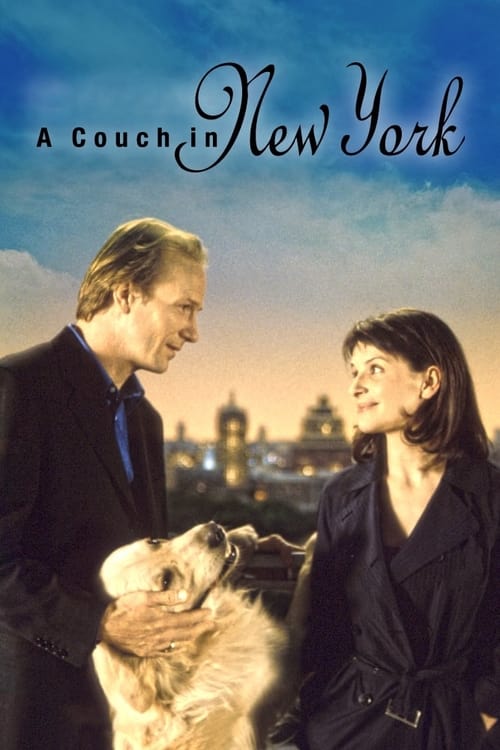
A burnt-out New York psychoanalyst exchanges apartments with a Parisian woman. When his patients arrive, they talk to her and then pay. He returns early and becomes a patient as well.
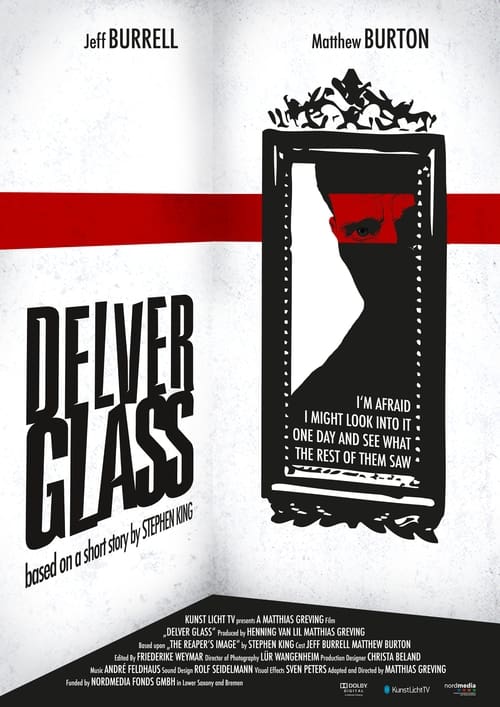
A man attempts, in vain, to prevent another from suffering the consequences of a sinister curse associated with the Delver Mirror. He presents a dire warning, in the broadest possible terms, to the ill-fated central character as to the fantastical legend and insidious nature of the mirror. Slowly they advance upward through the labyrinth of sticky corridors until the attic door approaches.
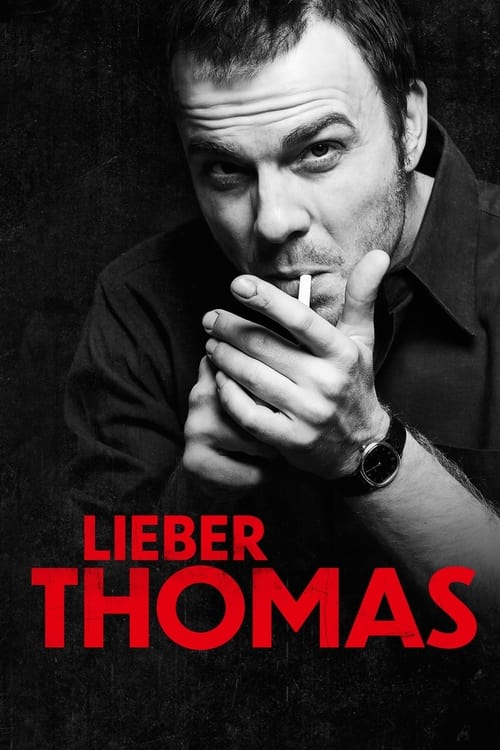
Thomas Brasch was born as a German-Jewish emigrant in England in order to move to the young GDR with his family at the beginning of the 1950s. His father Horst is primarily interested in helping to build the new German state. But Thomas prefers to realize himself as a writer and in doing so discovers his potential as a poetic rebel. His very first play was banned and soon afterwards he lost his place at the film school. When the tanks of the Soviet Union roll through the Czech capital Prague in 1968, Brasch and his girlfriend Sanda and other students try to call for protest in the streets of Berlin - and fail. His own father betrays him to the Stasi and allows Thomas to go to prison. After being paroled, he continues to try his hand at poet writing about love, revolt and death. In the GDR, however, you don't want to have anything to do with someone like him.
Eva, ganz mein Fall is a German legal comedy-drama series which aired on the ZDF network from 2002 to 2005. The series was produced by Rita Nasser and directed by Stefan Bartmann. The series stars Lara Joy Koerner in the title role as a young lawyer working in the fictional Munich Hardenberg and Hardenberg, with other young lawyers whose lives and loves were eccentric, humorous and dramatic.
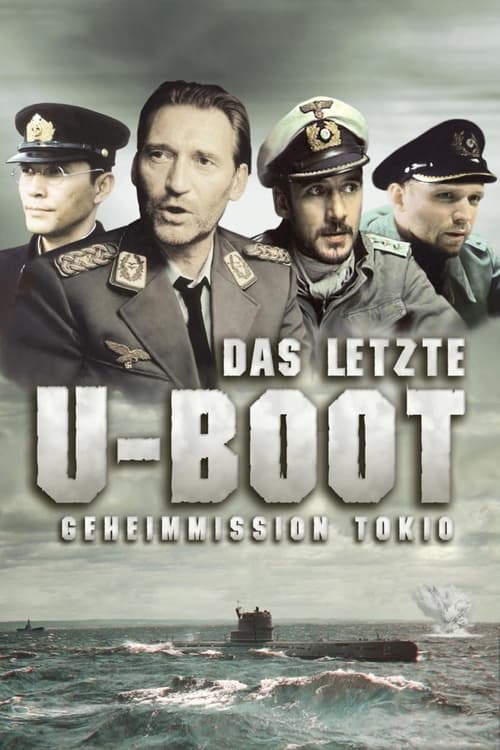
Near the end of WWII a lone U-Boat is sent from Germany to Japan carrying plutonium needed for a Japanese A-Bomb. During the long journey, news arrives on the radio that Hitler killed himself and Germany has surrendered. This causes a rift in the crew, the Nazi Party members wanting to continue to Japan since they are still at war, while the others just want to surrender or return home.
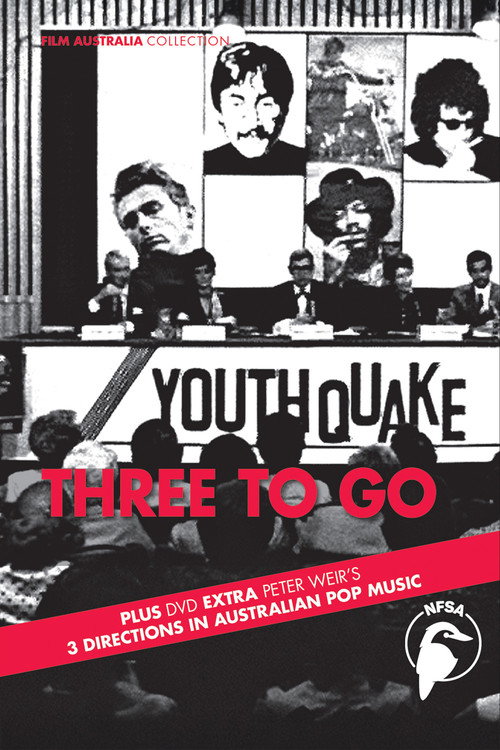
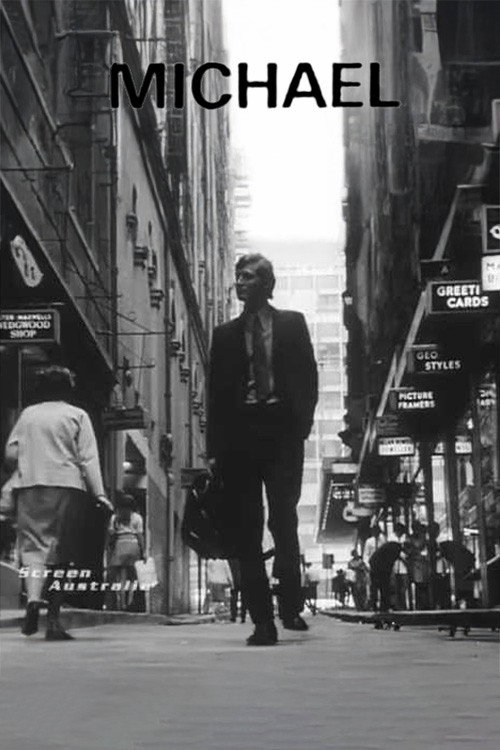
This anthology film brings together three stories—"Michael", "Judy", and "Toula"—each centered on a young Australian confronting personal and social choices about their future. Produced by the Commonwealth Film Unit, the film explores themes of identity, independence, and cultural tension through distinct perspectives from directors Brian Hannant, Oliver Howes, and Peter Weir.
Philipp and Anna live in the Berlin Babyboom-Kiez Kreuzberg. They also like to go to the playground, but with their little niece Nele. Anna does not want to know anything about Philipp's sudden desire to have a baby. She is on the verge of a professorship and insists on the old agreement: kK - no children! The more intently he makes his baby application to his wife, the more obvious is her rebuff.
A young Polish-born, Berlin-based lawyer working on refugee cases is unexpectedly reunited with his father, who is his only tie left with his homeland.
Michael, a young man living within a conventional middle-class environment, begins to question his future as he encounters a group aligned with the countercultural movements of the late 1960s. As he is exposed to new ideas and ways of living, he is forced to reconsider the direction of his life. (Note: This film is one segment of the anthology feature "Three to Go" (1971).)