Sound
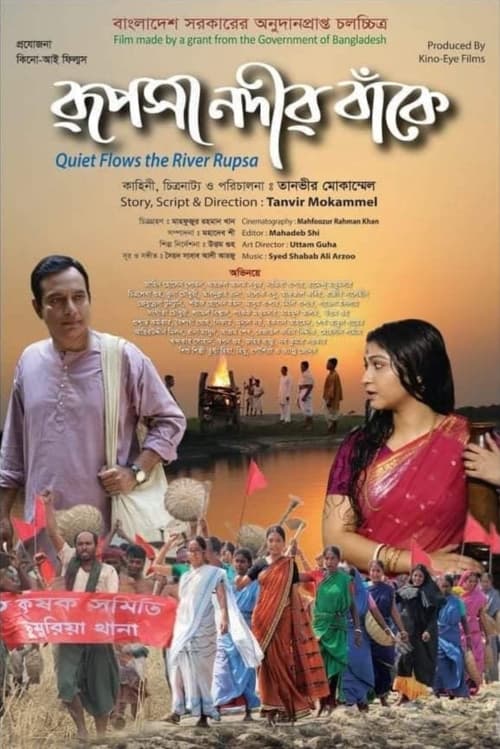
It is a film about a left wing leader, who like a Greek tragic character, fought against his destiny all along his life. While portraying the man’s struggles the film deals with the anti-British Swadeshi movement, the 1947 Partition of India, Tebhaga movement of the Bengal peasants, creation of Pakistan, killing of the political prisoners inside jail in Rajshahi and finally the liberation war of Bangladesh against Pakistan in 1971. The film also reveals the love and sacrifices of this star-crossed man.
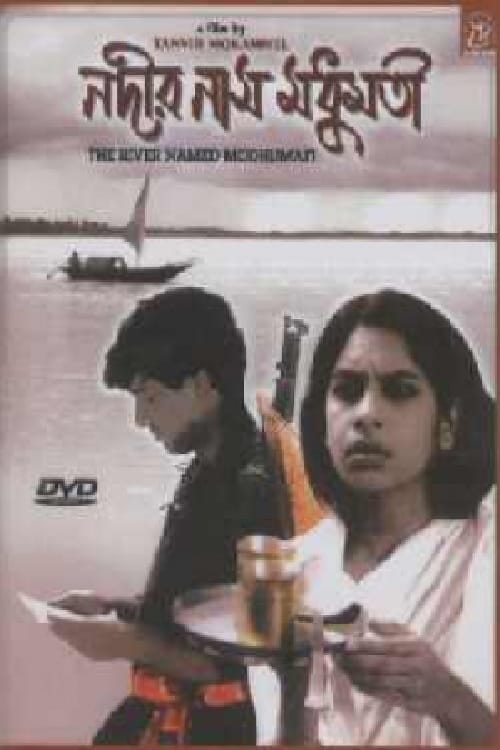
During the 1971 liberation war of Bangladesh, in a remote village, a landlord collaborated with the Pakistani army. After the death of his brother, he married his sister-in-law who had a young son. A teacher in the village, with a widowed daughter, taught the young man had a daughter. When the war broke out, the young man joined the Bengali guerrillas, shattering his innocence. In the village, the landlord's action get worse and worse, until he kills the teacher and compels the daughter to marry him. Now the young man must return to his village with new determination.
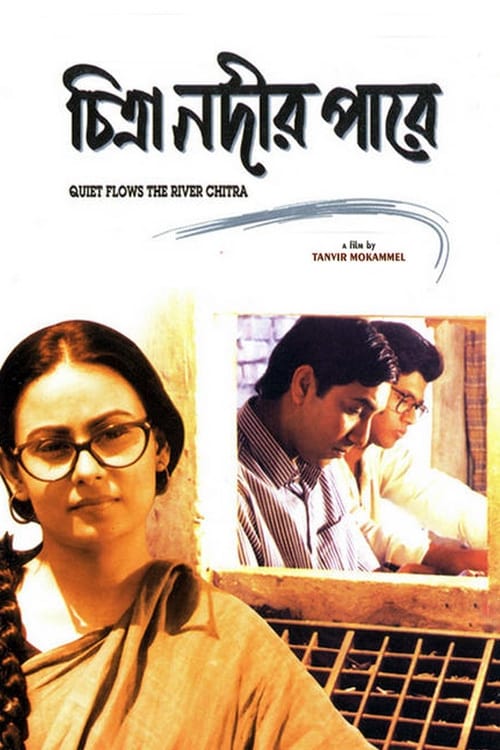
After the partition of India in 1947, Shashikanta's family, like millions of other Hindu families of East Pakistan (now Bangladesh), faced the dilemma of whether to migrate from the land in which they have been living for centuries. But Shashikanta Sengupta, an eccentric lawyer, stubbornly refuses to leave his motherland. Widower Shashikanta has two children, Minoti and Bidyut. Anuprava Devi is an affectionate old aunt who lives with the family. The family has a house in Narail, a small provincial town on the bank of the Chitra river. Some Muslim neighbors eye Shashaikanta's house. But the family refuse to migrate. Shashikanta's children Minoti and Bidyut are friends with the neighboring Muslim children- Badal, Salma and Nazma. Minoti and Badal become more than friends. The children grow up.
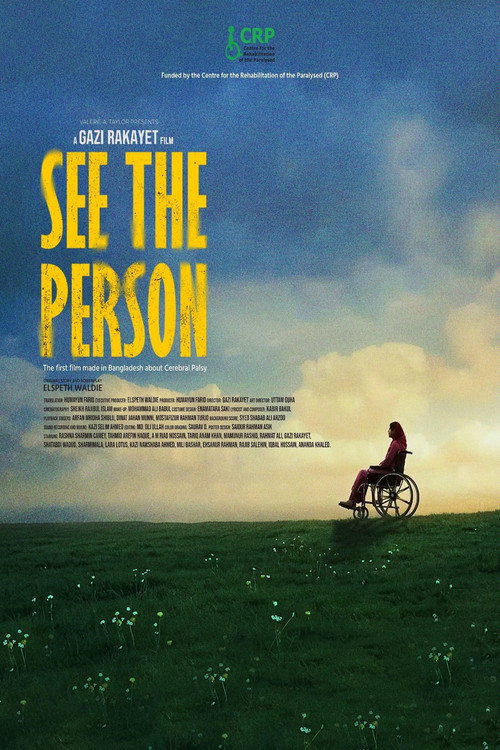
The first film made in Bangladesh about Cerebral Palsy.
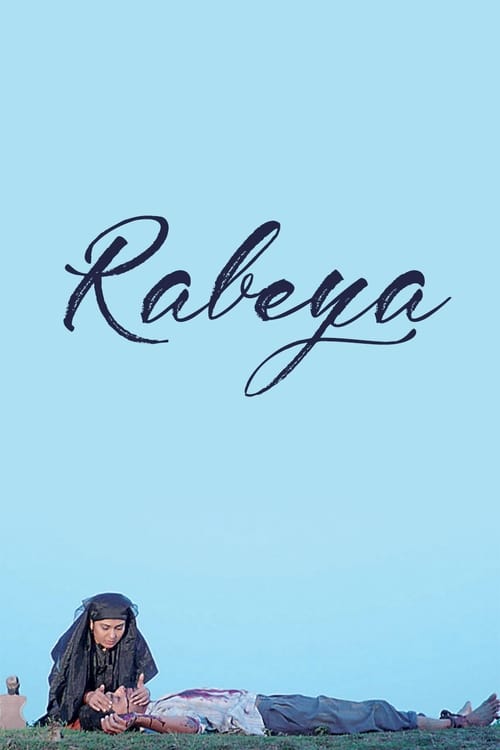
During Bangladesh's Liberation War against Pakistan in 1971, in a remote village Rabeya and Rokeya, two orphaned young sisters, live in the religiously conservative household of their uncle Emdad Kazi, a rich kulak and a local Muslim League leader.
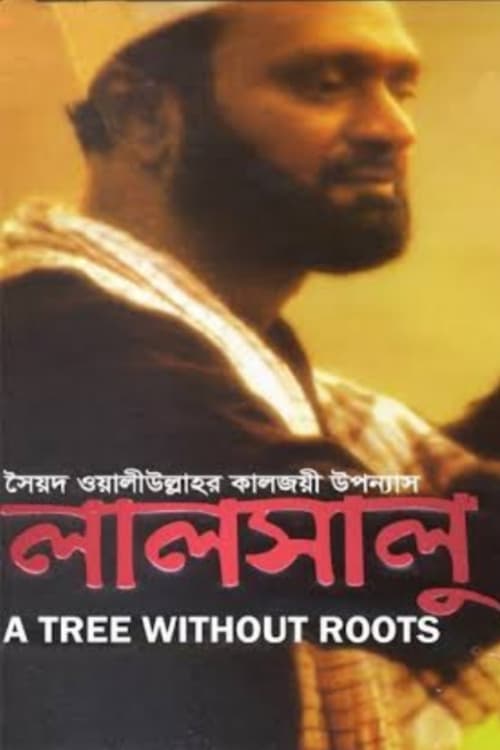
In this tragic-comic study of religious hypocrisy, a disreputable cleric convinces villagers that their community is home to a famous holyman's grave.
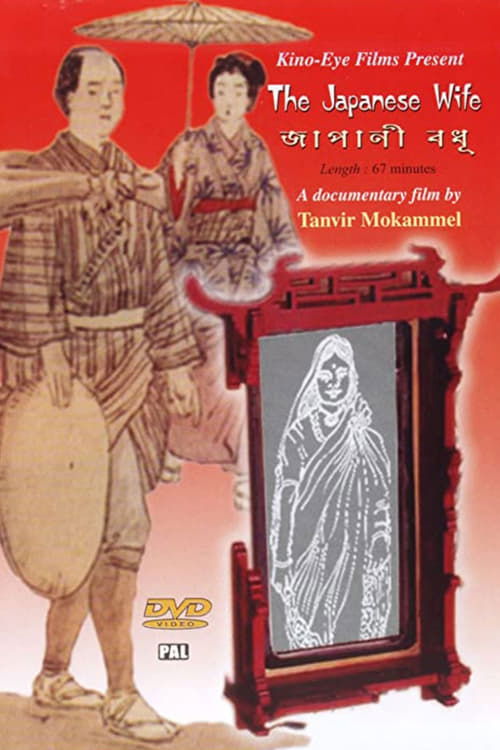
Hariprobha Basu Mallik (1890-1972) of Dhaka married Japanese citizen Wemon Takeda and went to Japan in 1912. About her travel and experiences in Japan she wrote a book titled as "Travel in Japan by a Bengalee Woman" (Bongo Mohilar Japan Jatra). Regarding travelogues on Japan the first book that comes into any Bengalee's mind is Rabindranath Tagore's well known "Traveller to Japan" (Japan Jatri). But while Tagore wrote about the beauty and aesthetics of Japan with profound depth, Hariprobha portrayed the everyday domestic life of the common Japanese people. Japan, during the beginning of the last century, seems a different country altogether. Hariprobha, during her last visit to Japan in 1941, used to read Bengali news from Tokyo radio for Subhas Chandra Bose's Azad Hind Fouz. After the Second World War Hariprobha returned to India and died in Kolkata in 1972.