Production
A nostalgic look at the birth and death of arthouse film distribution in Russia in the early 2000s. The story of the company Cinema Without Borders and its two founders, Sam Klebanov and Anton Mazurov.
The documentary project The Term was conceived in May 2012. When the directing trio commenced mapping the Russian sociopolitical landscape, Vladimir Putin had just settled into the Kremlin for his third term. The original experimental format of “documentary bulletins,” which were published daily online, allowed for wide-ranging content; in the feature film version, however, the filmmakers focused solely on the members of various opposition groups. Nevertheless, the work’s neutral position remains and viewers have to interpret the objectively presented situations for themselves. The main characteristics of this strongly authentic movie include close contact with the protagonists, precise editing, and an effectively controlled release of information.
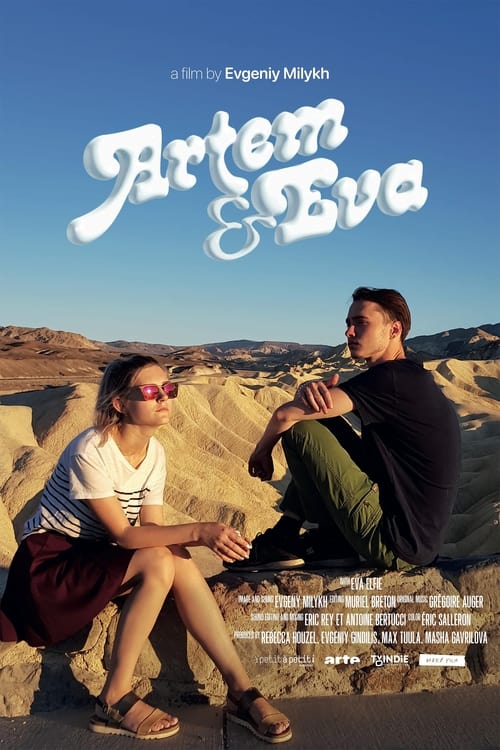
Artem loves Yulia, Yulia loves Artem. They recently graduated from school, moved to Moscow and began an independent life. In search of part-time jobs, Artem comes up with the idea of creating another image from Yulia - Eva Elfie - and making an amateur video for Pornhub. Suddenly, the video becomes popular, Eva gets more and more job offers, and Artem becomes the boyfriend and producer of a world celebrity. The heroes seem to fall into the "American dream", but in their personal lives there are more and more problems and doubts.
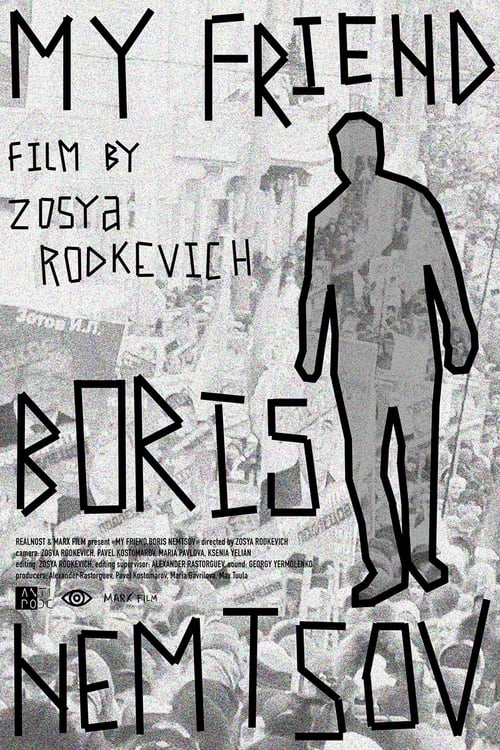
An intimate portrait of Russian opposition leader Boris Nemtsov — once Deputy Prime Minister and “an heir of President Yeltsin”, later an uncompromising adversary of Putin — that was assassinated near the Kremlin in February 2015. Election campaigns and hotel beds, protest rallies and office routine, train compartments and courtrooms, night walks and police vans – you have never seen any politician so close. This is a story how a journalist assignment turns into a genuine friendship.
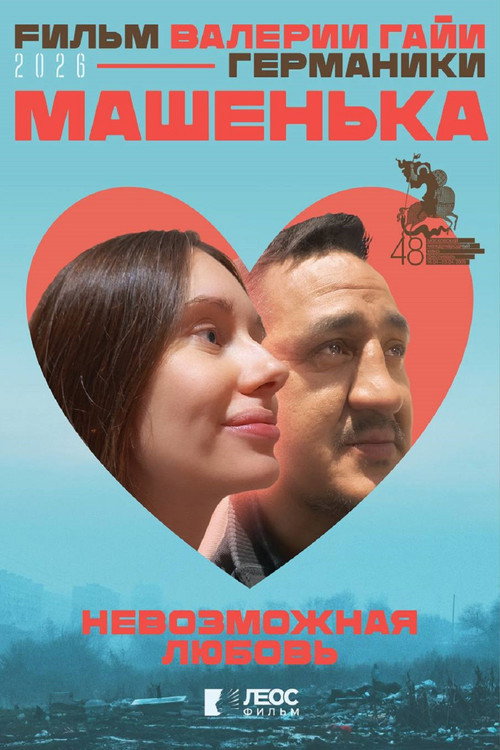
What happens when the boundaries between the observer and the subject are obliterated? When love appears not as a polished image, but in the guise of a homeless, drunk, and wounded person whom the world has turned its back on? This is a story about love that refuses to acknowledge the "social gutter". It is about equality that cannot be imposed, but can be experienced. In this film, reality rewrites the script. What was intended as a documentary about volunteers helping the homeless suddenly transforms into a chronicle of an impossible love affair. The film producer falls in love with the protagonist – a homeless man named Edik. The camera captures not only the social drama but an inner revolution which comes at a price. The struggle with addiction, rejection, the lure of the streets, and the fear of being authentic. Yet, against all odds, in this struggle we discern a radical act of recognizing humanity in someone who is usually overlooked.
How Lyusia Stein - a graduate of VGIK and a municipal deputy of Moscow - went to work for Ksenia Sobchak's campaign headquarters.
A youth comedy about the tragedy of the first love. An experiment in the area of the film language. REC, accidentally pressed in the middle of a fight. Jealosies, breakups, reunions. A few bedroom scenes, shot with a home camera. Cries and whispers of the urban outskirts. The audience of the film are both Bergman fans and YouTube viewers.
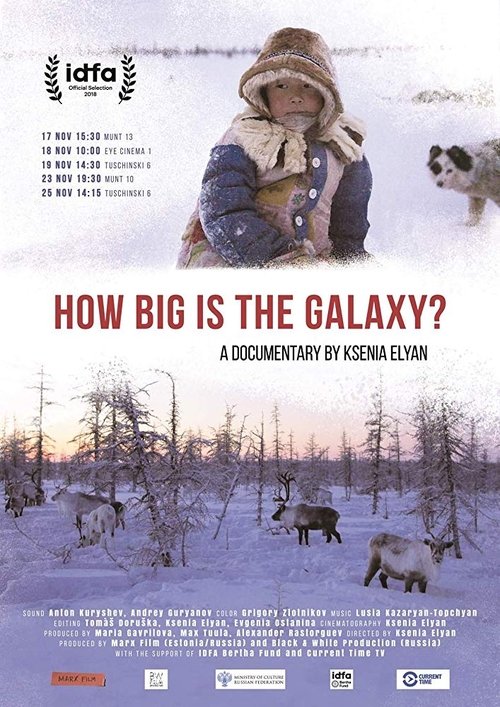
The Zharkov family-father, mother and two young sons-belong to the Dolgan community, one of the last indigenous peoples pursuing their traditional nomadic life in the extreme north of Siberia. The children used to be sent to boarding school, where they became estranged from their family and culture, but nowadays they can get homeschooling from teachers assigned to them by the Russian authorities. Seven-year-old Zakhar and his older brother Prokopy are the protagonists in this calm, observational film. Zakhar's first year of schooling is with Nelly, a young but serious teacher. She tells him about President Putin and the importance of mathematics, and he learns classical poems by heart.
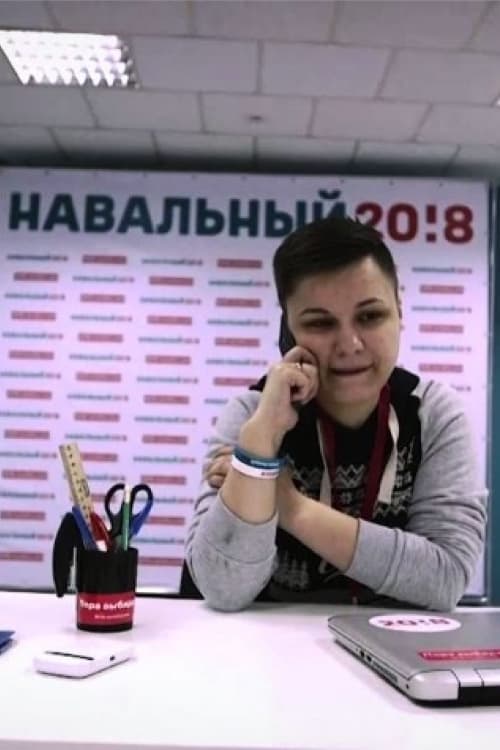
Alexey Navalny began his election campaign in the regions of Russia with a trip to Murmansk. Thousands of citizens came to his rally, and in the rain. This is the success of local activists who organized the rally and selflessly campaigned. Alexander Rastorguyev and Dmitry Kuvaldin spent several days together with the coordinator of Navalny's Murmansk headquarters, Violetta Grudina , an LGBT activist who was attacked because of her sexual orientation.
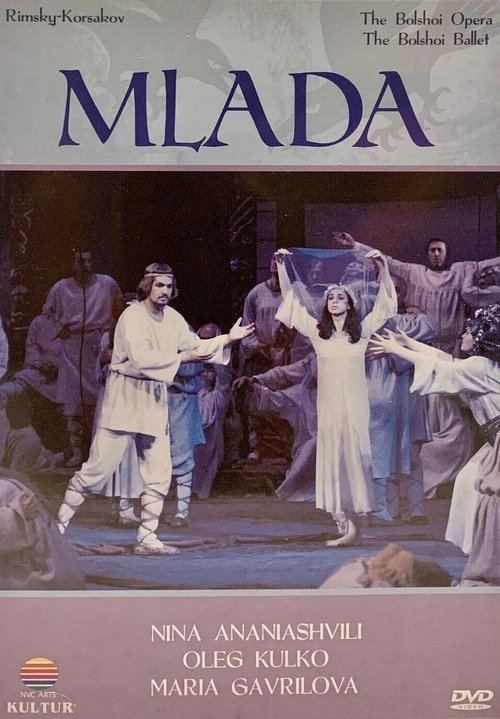
Nina Ananiashvili dances the dual roles of Mlada and Cleopatra in this acclaimed production of composer Nikolai Rimsky-Korsakov's "Mlada," directed by Boris Pokrovsky and choreographed by Andrei Petrov. Voislava, the daughter of a scheming prince, is forced to present his rival's bride with a poisoned ring so Voislava can marry him instead -- and her father can take over his kingdom. Will she get her just desserts when the gods intervene?
A girl from St. Petersburg walks around protest-ridden Moscow, talking to riot police and believing that sooner or later they will go over to the side of the demonstrators. An 18-year-old student of a St. Petersburg college introduces herself as Alice and tells about herself that from the age of four she lived in an orphanage and in foster families. In Moscow, Alisa, for whom this is the first rally in her life, walks along the police cordons and looks under the OMON helmet. "Under the mask you can't see, are you even human?"
On May 9, at the Immortal Regiment procession in the mountain village of Mizur in North Ossetia, local residents came out with portraits of their warring relatives. One of the posters featured a photograph of an officer who died in March in Ukraine. 33-year-old captain Aslan Dzantiev was posthumously awarded the Order of Courage. On May 9, his family arranged a memorial ceremony, neighbors and relatives, according to the traditional Ossetian custom, prepared food and lit a candle on the grave of the deceased. In Caucasian families, men and women do not sit down together at the table and grieve differently, men make toasts and behave with restraint, and women cook food and do not hide their grief. Aslan Dzantiev grew up without a father and remained childless, his mother, grandmother and young widow mourn him at home.
When Maria Alekhina and other members of the Pussy Riot group were tried for an action in the Cathedral of Christ the Savior, Orthodox activist Dmitry Enteo strongly advocated punishing the girls. Now Alekhina and Enteo spend a lot of time together. Last week, with activists from The Other Russia, they went to the Ministry of Justice to conduct a public Bible reading — as a demonstration of their constitutional right to read the Holy Scriptures (and any other books) in public — without permission from officials.
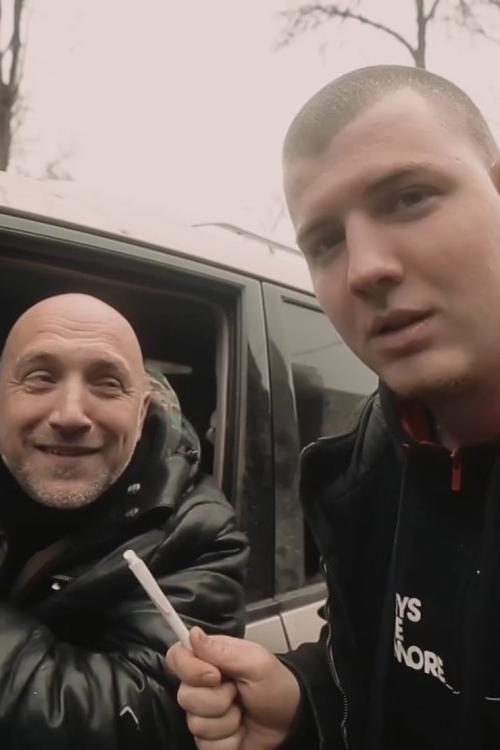
A police sergeant of the so-called “Donetsk People’s Republic” comes to Moscow to receive the Donbass Volunteer badge as a reward for participating in the hostilities in eastern Ukraine on the side of pro-Russian separatists.
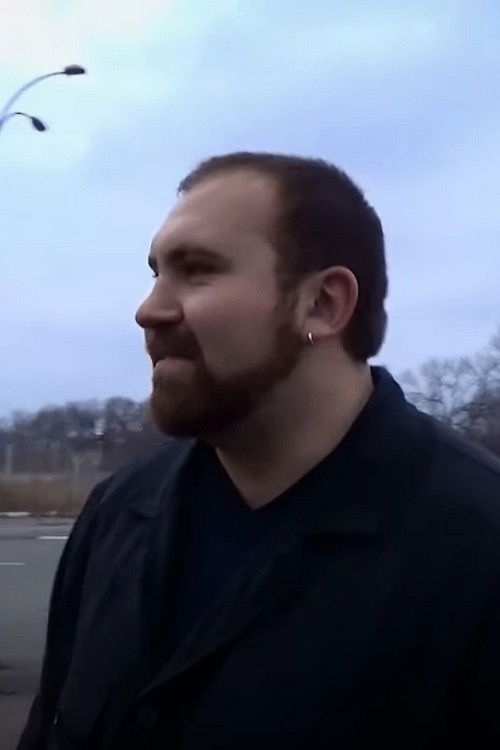
A portrait of Richard Semashkov, a rapper famous for anti-liberal songs and friendship with Prilepin and other "patriotic" artists.
A 12-year-old girl, Tasia, from the village of Tomsino in the Pskov Region wrote a letter to Vladimir Putin asking her to help her mother, a nurse in a local hospital. The villagers didn’t like this, where Tasya and her mother had moved shortly before that - they say, you need to "work, not ask." Tasha began to be poisoned, and an ex-girlfriend met her online under the guise of a young man and lured naked photographs.
After three teenagers died of an overdose, artist and activist Katrin Nenasheva organized a self-help group called "Teens and Cats". In it, teenagers share their difficulties and support each other. Initially, at the meetings of the group, they talked about how to cope with drug addiction, later to this was added a discussion of mental illnesses, bullying, violence, selfharma.
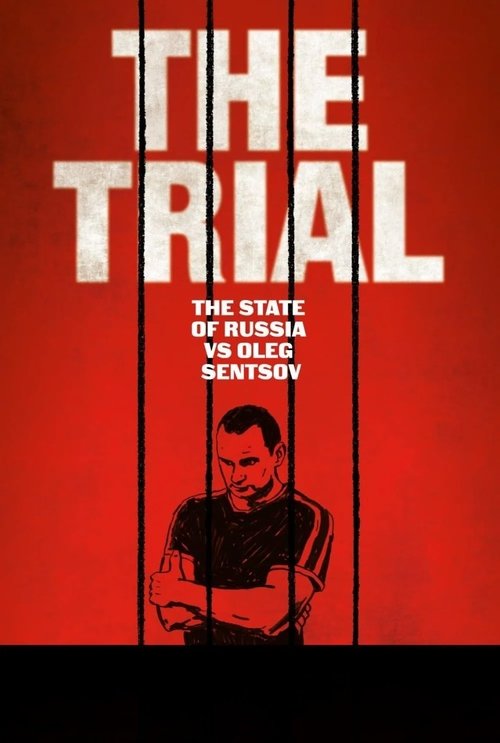
August 2015, a courtroom in Rostov-on-Don. A man is peering through the bars of his cage, his eyes reveal that his nerves are about to snap. Today he will be handed down a sentence to which he must submit: 20 years’ imprisonment in Siberia for terrorism. The man is Oleg Sentsov, a film director and Maidan activist born in Simferopol in the Ukraine. He is charged with leading an anti-Russian terrorist movement and having planned attacks on bridges, power lines and a monument of Lenin. Sentsov defends himself, courageously and without flinching. He responds to the verdict with an emphatic denial of his crimes and instead accuses the accusers themselves ...
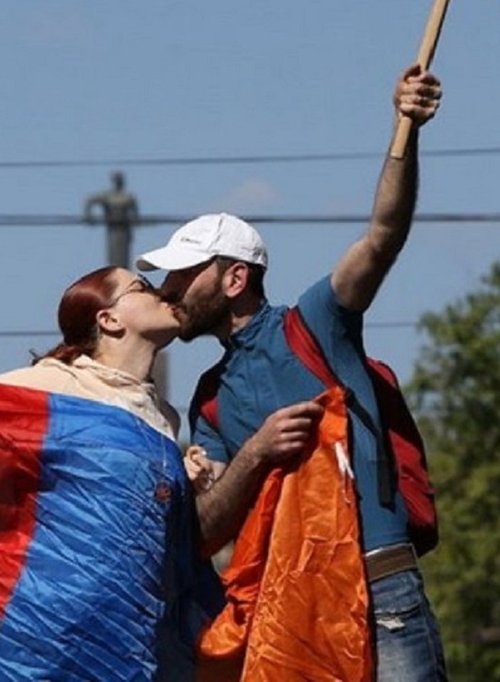
On April 23, after 11 days of mass protests, Armenian Prime Minister Serzh Sargsyan resigned. About how the opposition led by Nikol Pashinyan won - the film “Last Day”.
The rally in support of Alexei Navalny was initially called for in the center of Moscow, on Lubyanskaya Square, but the authorities blocked all approaches to it. Then some of the demonstrators went to the Matrosskaya Tishina pre-trial detention center, where Navalny was. The police hunted them, cutting off individual groups and using force. Over one and a half thousand people were detained. Two days later, on February 2, the court changed Navalny's suspended sentence to a real one - two years and eight months in prison. On the same evening new protests began.