Acting
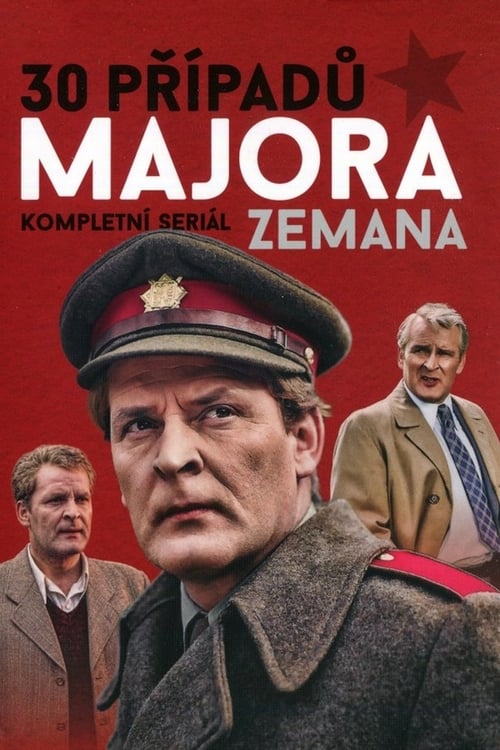
Thirty Cases of Major Zeman is a Czechoslovak action-drama television show intended as a political propaganda to support the official attitude of the communist party. The series were filmed in the 1970s. Each episode encompasses one year, and investigations are stylized to that year. Most are inspired by real cases. The series follows the life of police investigator Jan Zeman during his career from 1945 to 1975.
The mischievous princess Anka annoys her father and her surroundings with her original tricks. So as punishment, the devil Haramáš takes her to the robbers and she makes their pleasant life of robbery literally hell on earth. How the devils would like to return her to her royal parents now! But Anka decides that she must be properly freed from captivity. She gets a dragon and a prince and organizes a big liberation performance...
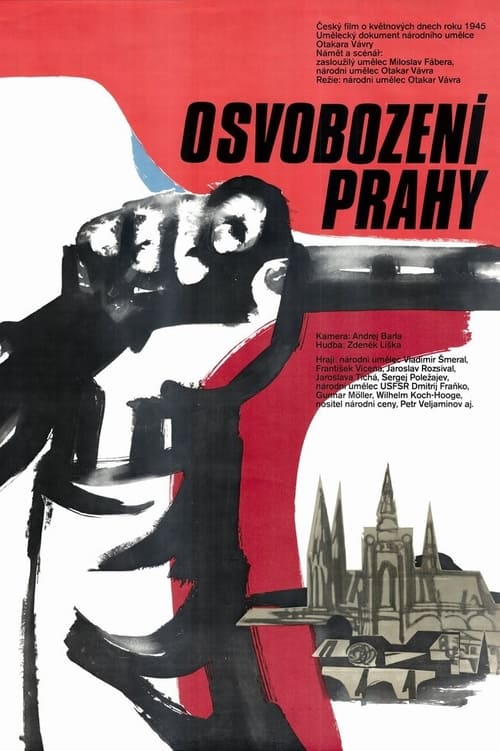
On 20th of April 1945 the Soviet army launches its attack on Berlin. The end has come for Nazi Germany and Hitler decides to commit suicide. In Prague K.H. Frank (Nazi Secretary of State and Chief of police in the Protectorate of Bohemia a Moravia) discusses with his commanders how to transform the city into an impregnable fortress, but the Praguers do not intend to wait any longer. From the early hours of 4th of May people start assembling in the streets and tearing down German signs. On the next day, the 5th of May, the uprising begins.
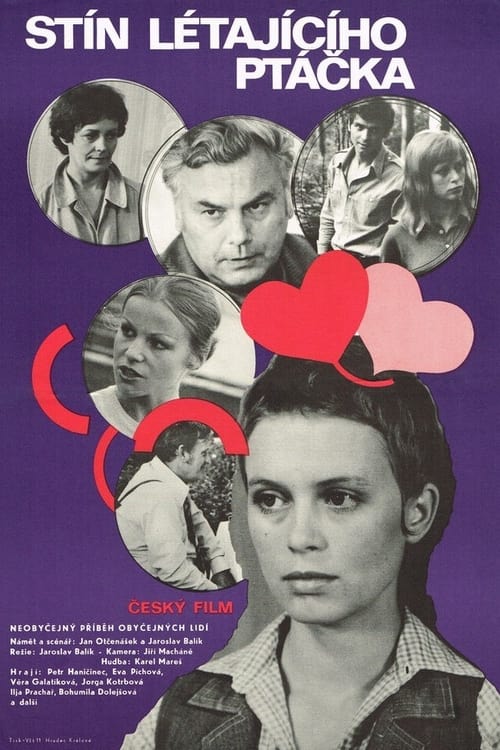
It doesn't help to have an exacerbated situation like a family losing their only son - killed in a motorcycle accident. His parents, however, don't know the girl who survived, now being treated at a local hospital. Especially the honest and principled father, presented as a model worker and responsible official, cannot come to terms with her superficiality and carelessness, with her dubious life values...
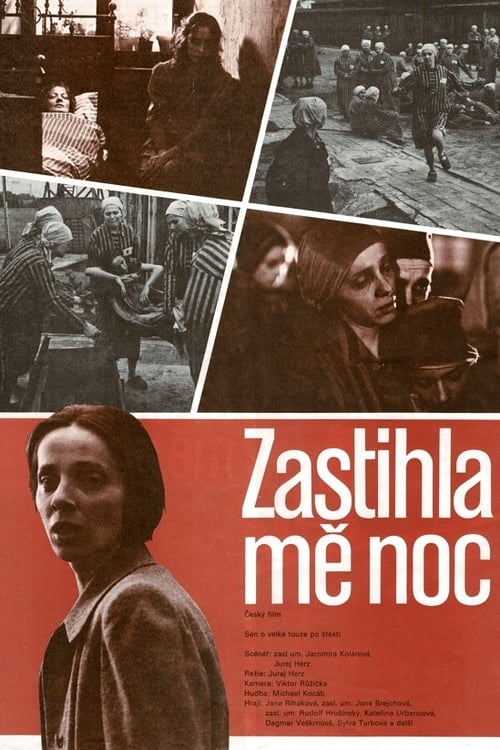
A communist journalist from Prague is sent to Ravensbruck concentration camp.
No description available.
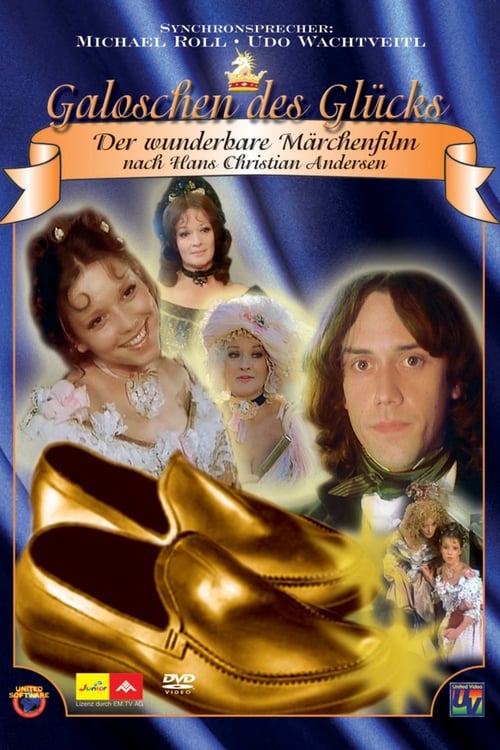
The Slippers of Happiness is another film made by the Slovak Film Production in co-production with West German companies based on classic world fairy tales. After Slovak folk tales [The Greatest Peck in the World, Salt Over Gold] and the works of German fairy tale writers Wilhelm Hauff [The False Prince] and the Brothers Grimm [The Land of the Thrush's Beard, Perinbaba], screenwriter Alex Koenigsmark and director Juraj Herz were inspired by the famous fairy tale by Hans Christian Andersen. It tells the story of slippers that the Fairy of Fortune enchanted so that they would fulfill every human wish and thus bring people happiness. The filmmakers humorously transferred the plot from Copenhagen to old Prague.
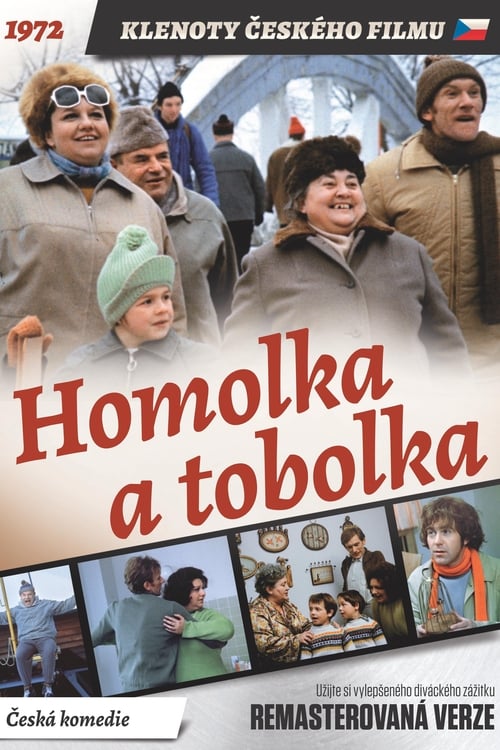
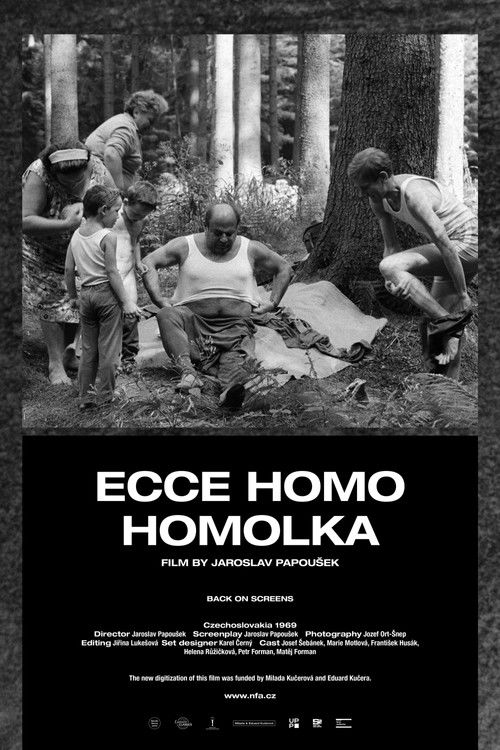
The husband and wife Ludva and Hedus Homolkas with their twins Péta and Máta and Ludva's parents - the granny and grandpa - arrive in the snowy Spindleruv Mlýn for a holiday. They promise to each other that they will not spoil the quite expensive holiday by quarrels. If somebody hurts the other one he/she will kneel as a punishment.
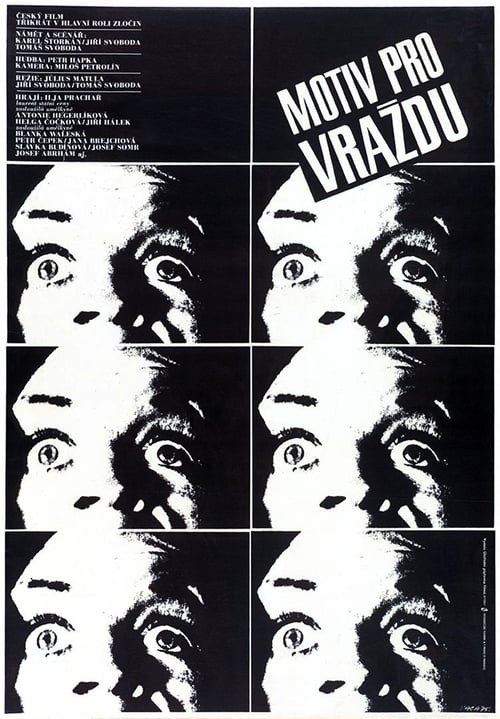
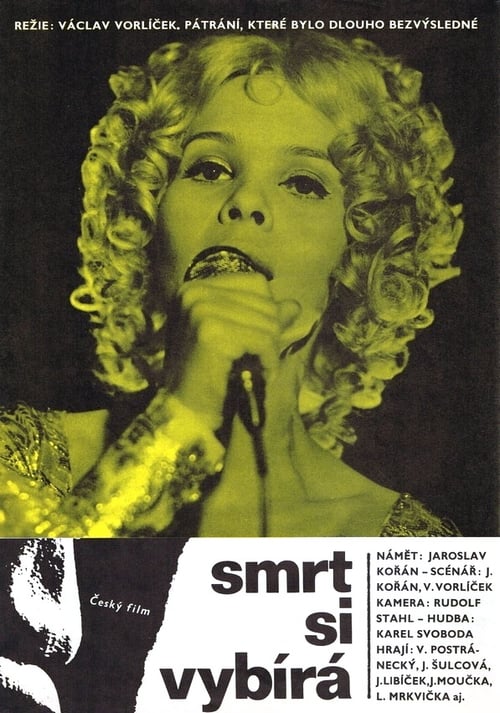
A short story film depicting the three different faces of crime. In the short story "The Weekend", Karas kills a woman he raped some time ago in order to silence her. However, he accidentally kills another woman. In "Hostages", a drug addict, Chaban, terrorizes the hospital's operating team, but the disciplined doctors handle the difficult situation. In "The Pickpocket", the thief Benda wants to return to his trade immediately after his release, but his attempt ends tragically.
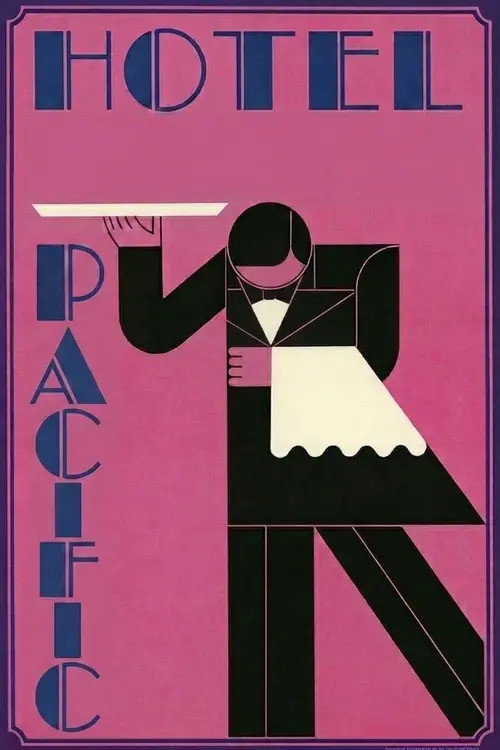
Set in the early 1930s, a young man finds a job as a dishwasher in a hotel and quickly works his way up the ladder. Loosely based on the novel by Henryk Worcell.
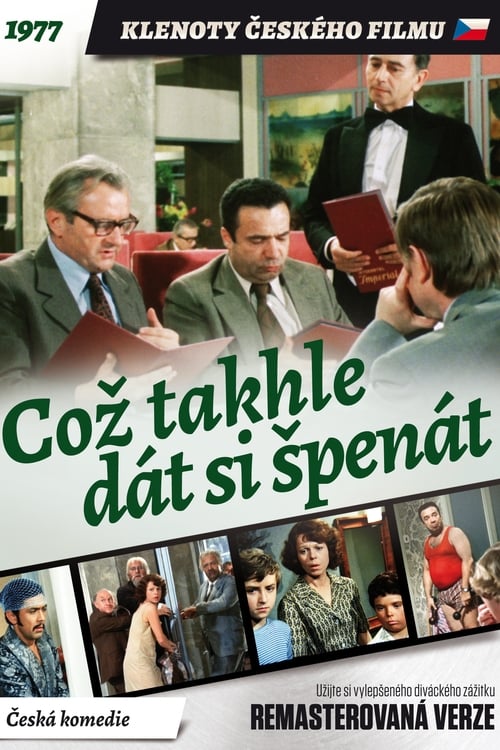
The heroes of this absurd comedy, full of confusion and humor are Dzharda Zemanek and Frantisek Liska.
This light comedy finds a Czech taxi driver taking his family on a weekend outing in the country. His wife, daughter-in-law, son and two grandchildren are the passengers who disturb the solitude of two young lovers. While the women attend the horse races, the father sits home getting drunk and watching football. The overweight daughter-in-law is upset because she has blown her chances to become a ballerina. All members of the family are caught up in their own individual problems in this realistically portrayed family comedy
The drama called I Love, You Love was made in 1980 but because of the absurd ideological ban, the film entered cinemas nine years later. Pišta is an unmarried man who works at a freight wagon which carries letters and parcels. Alcohol helps him to overcome his handicap of being short and not good-looking. He wishes he had a woman, but the woman he really wants, ageing Viera who reloads the cargoes, has a soft spot for another man. So, Pišta has nobody and nothing, except for senile mother who sometimes fails to recognize him. The film received Silver Bear for Best Director at the International Film Festival in Berlin.
The film was based on the novel "Milión" by Karel Štorkán. The book and the film depict the events surrounding the great construction disaster in Prague in 1928, in which 46 construction workers died. The disaster thrilled the entire republic at the time, yet was never fully explained. The filmmakers focus on the story of Ing. Vondrák, the designer of the construction.
Carefree young nurse Marta learns upon her husband's death that he was involved in all manner of criminal activity, which puts her life in danger.
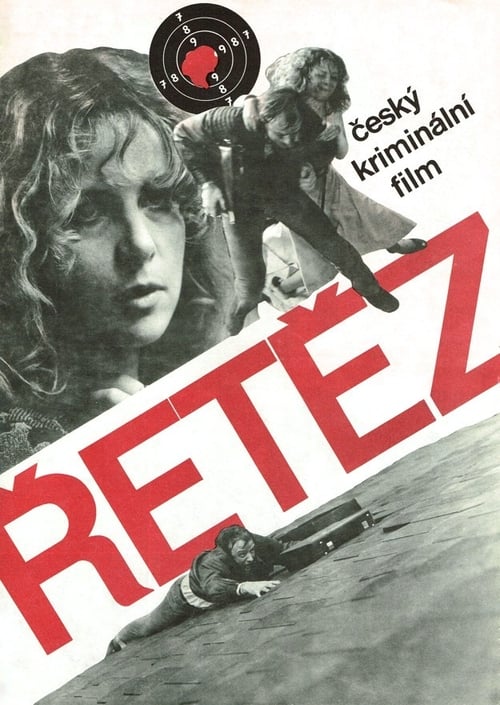
Radek Simek, the driver of a postal car, is shot dead on his regular route. The Investigators give up initial suspicions of robbery, because he carried no greater amount of money. Even questioning Honza Marek, another mail car driver, brings no result. When the circumstances are becoming more and more suspicious. Marek decides to track down the killer on his own.
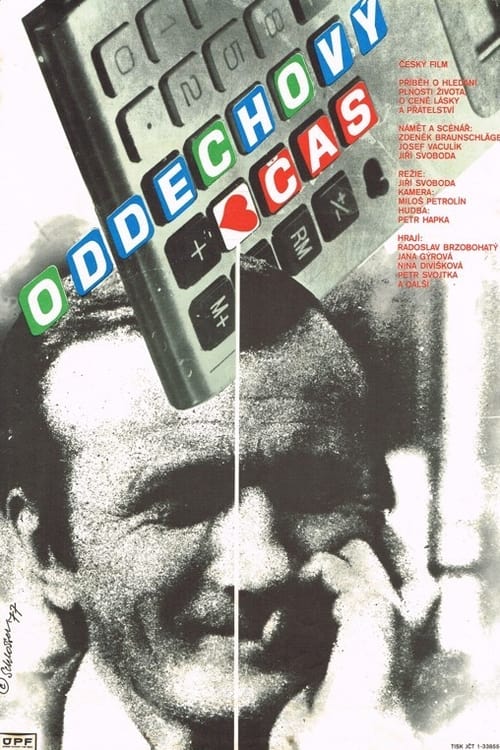
The drama of a man for whom work has become the only meaning of life. His cold and impersonal manner arouses the disapproval of his colleagues and family members and leads to alienation. Eventually, he realizes the need for "time out" to reflect on his own life...
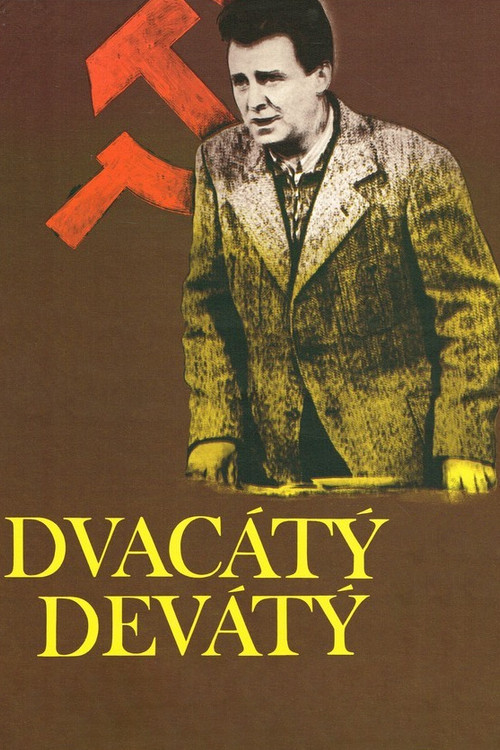
In the era of normalisation, a number of (pseudo)historical films were made, even described as reconstructions, which glorified the world-building mission of the Communist Party and attributed to it exclusively humanitarian intentions ("Days of Betrayal", "Sokolovo", "Liberation of Prague", "The Victorious People"). In 1929, when its fifth congress met, Klement Gottwald, who had taken the line of the Russian Bolsheviks, took over the leadership of the Communists...
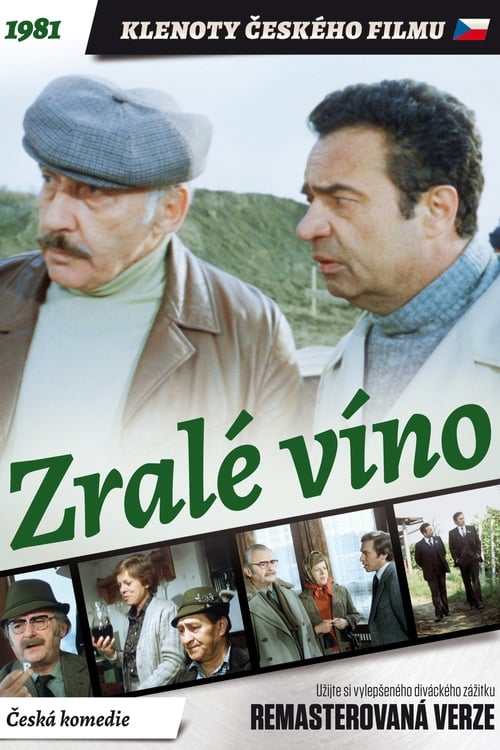
A loose sequel to the 1976 comedy Stormy Wine. The screenwriters and the director recreate on screen a number of characters from the South Moravian town of Pálavice, characterised by their different attitudes and approaches to work and private life. A number of serious issues touching on the times emerge around the story of the con man. The fundamental dispute between the vice-chairman Janák and the chairman of the merged cooperatives ing. Urban, as well as the satirical theme of illegal machinations and bribes, are undoubtedly of general validity.
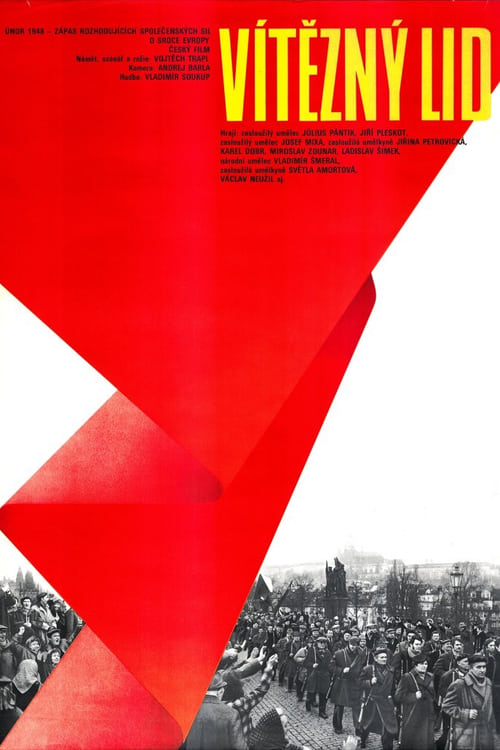
February 1948. The struggle of decisive social forces for the heart of Europe.