Acting
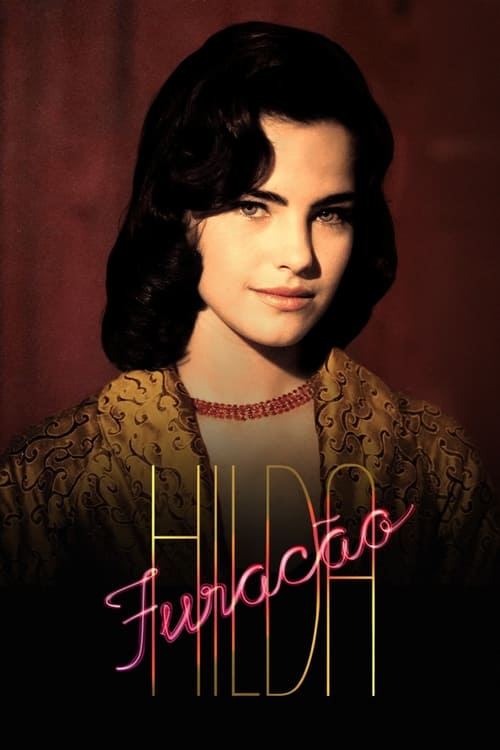
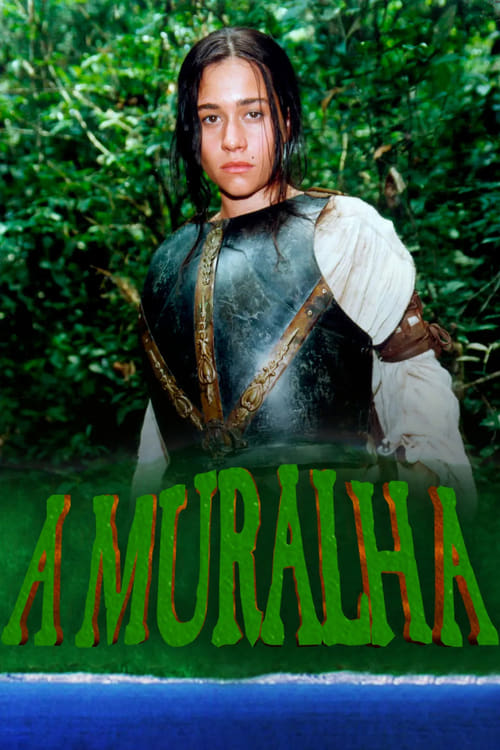
After breaking off her engagement on her wedding day and going directly to a prostitution house, a young model becomes the city's most famous harlot, known as "Hilda Hurricane", in the 50's Brazil. She could do fine if it wasn't for Malthus, a young novice said to be a saint, for whom she falls in love. However, the boy is kept under the strict, severe doctrine of Father Nelson, a conservative priest intolerant even to every minor sin. Things start getting harder when Roberto, Malthus' old friend and a communist reporter (the actual author of the story), tries to interview Hilda and disclosure the real reasons behind her radical change of mind. In the meantime, the middle-classes are terrified by the "leftist threat" in Brazilian politics.
A story about people who succeed in life thanks to nothing but their own efforts. Maria do Carmo is the main character of the telenovela; a mother of five who struggle to be successful in life, but whose most important will be recovering the love of her daughter who was kidnapped when she was just months old.
Paloma is a willful woman whose newborn baby is kidnapped by her own brother, Félix, who plans to become sole heir to the family’s fortune. Bruno is an honest man who, during the same night, loses his wife and son in childbirth and miraculously finds Paloma’s child in a dumpster. Destiny will unite their lives in a plot of secrets, revelations, and disputes, with the unpredictable consequences of lives based on a dangerous and surprising network of lies.
The story of the first 2,300 years of humanity and recounts events exclusively from that period. The plot begins by giving us a greater understanding of why we exist and how we turned from perfection to imperfection. The origin of all social and racial problems is there at the beginning of everything, when via one decision a human being who only knew good and enjoyed it so much also chose to know evil.
The daughter of a traditional, rich Indian family falls in love for a Dalit, and "untouchable" man.
Is it possible that in a world ruled by appearance, there is room for loyalty, ethics, true love, honesty and solidarity? Is it possible, today, when unrelenting consumption is a way of life, to find someone who equates more value to being rather than having? Cobras & Lagartos is an urban tragic comedy, modern and humanist, that deals with two increasingly different worlds: one which values loyalty and solidarity and the other, where the seduction of superfluity and the power of money reign.
Brava Gente was a television series aired by TV Globo in Brazil between 2000 and 2003, initially as a special year-end. The program was adapted from stories and national stories, and plays by famous playwrights, screenwriters and signed by a number represented by several actors and actresses. The genres of the stories varied each week with the style of each director or author. Brava Gente in the stories ranged from comedies and dramas. In all 53 episodes were shown, broadcast on Tuesday nights.
Fernanda and Vivi are identical, but from different worlds. A cruel plan swaps their identities and transforms their lives into a game of lies and ambition.
Frustrated in their relationships, Claudia and Vicente meet on a trip to Colombia. Chance sparks a great friendship between them, but a kiss puts their future in jeopardy.
Ana Francisca is a poor and ugly girl who, after being humiliated by the entire town, becomes a beautiful, stylish and rich woman who wants revenge. During this trajectory, this romantic comedy also shows the true love of Ana Francisca and Danilo that survives throughout the years, the distance and the traps of destiny. They will be part of a love triangle with Olga, a snobbish girl who is going to do anything to steal Danilo from Ana Francisca.
The elegant and wealthy Bárbara gives birth to a stillborn child, but never receives the bad news. Her husband, Guilherme, swaps the child's body for that of a baby whose mother is very poor and unable to raise him. Thirty years later, Eugênio, the swapped boy, suffers mercury poisoning, develops leukemia, and needs an urgent bone marrow transplant. But the surgery can only be performed with a donation from a blood relative. Faced with the risk of his son's death, Guilherme tells Bárbara the truth. With everything clarified, the two go in search of Anabel Muñoz, the boy's real mother and the only one who can save his life. Anabel kept her pregnancy a secret, but never forgot the child she had with the unscrupulous Urbano. She is the widow of the Cuban Félix Muñoz and has five other children: Valentim, Remédios, Amparo, Assunção, and Antônio.
Set in the 18th and 19th centuries, the miniseries draws on historical events to portray the behind-the-scenes story of Brazil's independence, blending humor and adventure.
A hundred years after Europeans set foot in the New World, Brazil still remains largely unexplored. The Conquest recounts the saga of the earliest adventurers who wandered through these unknown lands. Jesuit priests, adventurers seeking gold, slaves and indigenous tribes were entangled in unceasing battles, at a time when laws were made by the sharp edge of a sword.
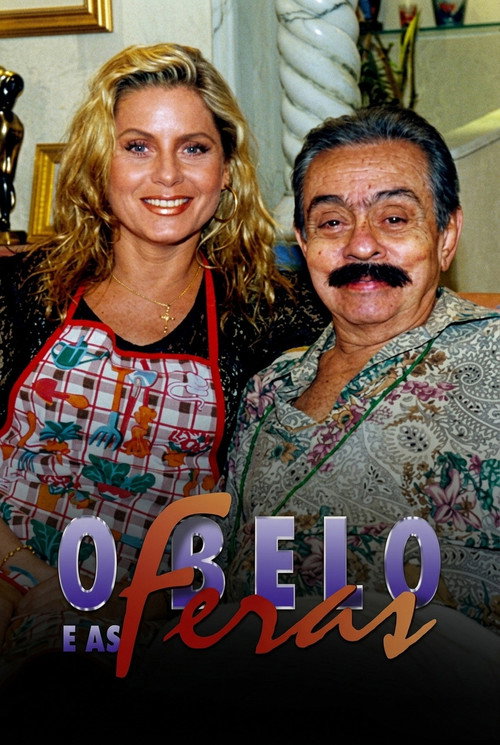
No description available.
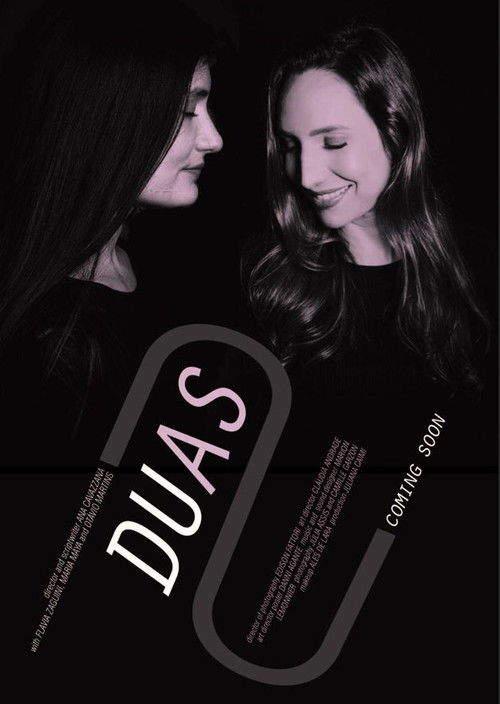
Maria and Fernanda fall in love at work, get married and see their lives changed in a fraction of a second. A lesbian drama, poetically told, with representation both artistically and technically.
Adapted from the theatrical play "A festa" by Italian playwright Spiro Scimone, the short film portrays the misconnections and unsatisfied affections of an ordinary, less affluent family consisting of a father, a mother, and a son, isolated within a kitchen. The dramatic situation revolves around the preparations for the parents' wedding anniversary. In an atmosphere that blends comedy, melancholy, suggestive silences, and mundane phrases filled with double meanings, they react in various ways to the celebration of the marriage.
Claudio and Helena are on the verge of breaking up, until the couple experiences another strange phenomenon that looks to help them understand one another more.
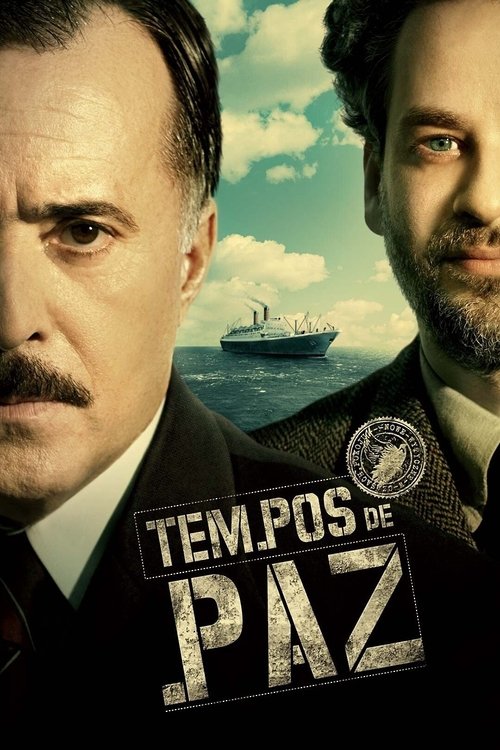
Rio de Janeiro, April 18, 1945. Brazil's foreign policy aligns closely with that of the United States and opens a brief period of democratic rule after the end of World War 2. For years, hundreds of people were arrested and tortured by the Vargas regime. But with the external pressure, several political prisoners gain freedom.