Acting
No description available.
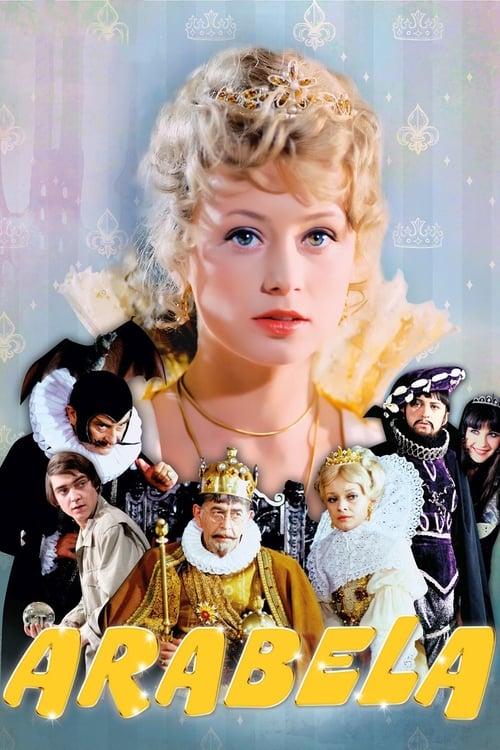
Arabela was a children's television series produced in Czechoslovakia which aired from 1979 to 1981. The series has 13 episodes and is in the Czech language.
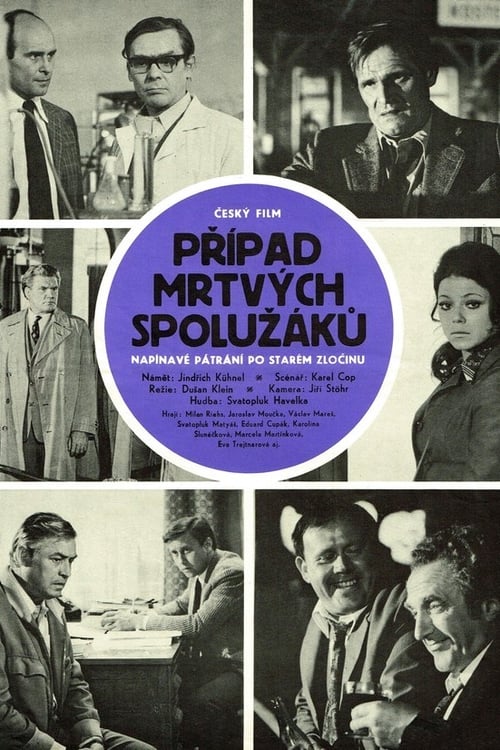
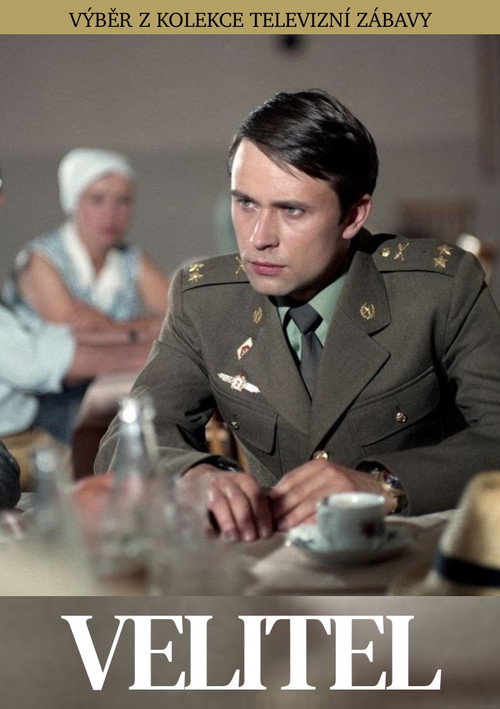
A West German businessman Friedrich Schmidt is arriving to Czechoslovakia with private mission and mission for Intelligence service. He wants to settle the old event from the time of the Second World War when he as a student of the Czech grammar school in the town of Kostelec took part at the denunciation of his schoolmate Pavel Richter. Pavel was during the period of Nazi terror following the assassination of Acting Reich Protector of Bohemia and Moravia Heydrich executed. Schmidt has also to enter into relations with persons suitable for cooperation with the West Intelligence service. Schmidt - earlier, before the German occupation Smíd - meets the schoolmates and endeavors to avert suspicion that arose already at the time of the tragic event.
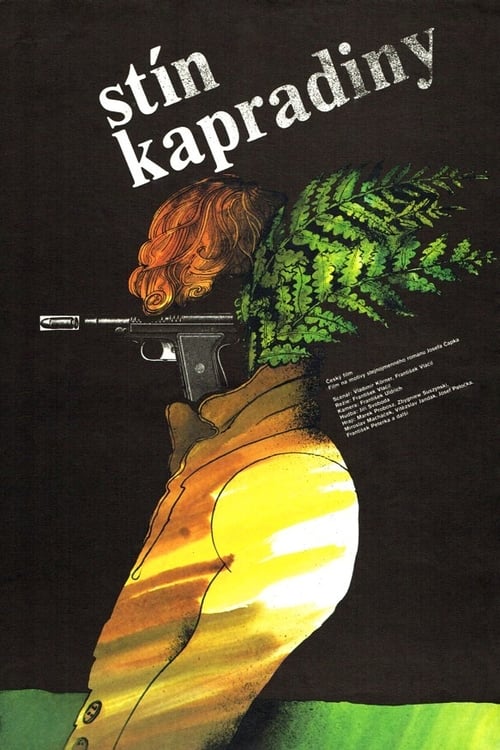
Based on the only extensive prose work by the surrealist painter Josef Capek, Shades of Fern most resembles the philosophical fairy tales and fables of Josef’s older brother, the legendary Czech novelist and playwright Karel Capek. Two young poachers, more boys than men, kill a gamekeeper when they are caught illegally hunting. Panicked, they retreat into a forest that grows steadily more forbidding and deadly as their fear for the future—and guilt over their action—mounts. Loosely based on hundreds of oral folk tales and legends that haunt the woods of Czechoslovakia, Vlácil’s contemporary updating artistically underscores the relationship between man and nature, crime and punishment, isolation and society, and guilt and memory.
Her mother dead, 18-year-old Vladka travels to a remote village in the dead of winter to find the father she has never met. The happiness of their initial meeting gives way to the daughter’s disappointment and concern over the hardworking man’s alcoholism.
In this fairy-tale comedy, a clumsy second-rate wizard, Rumburak, gets stuck in the world of humans. He has forgotten the spell that allows him to return to his home fairyland. His only joy is watching the figure skater Helen, whom he would like to woo. His hopes of returning to fairyland dawn when he discovers a computer in a research institute that could generate the lost spell.
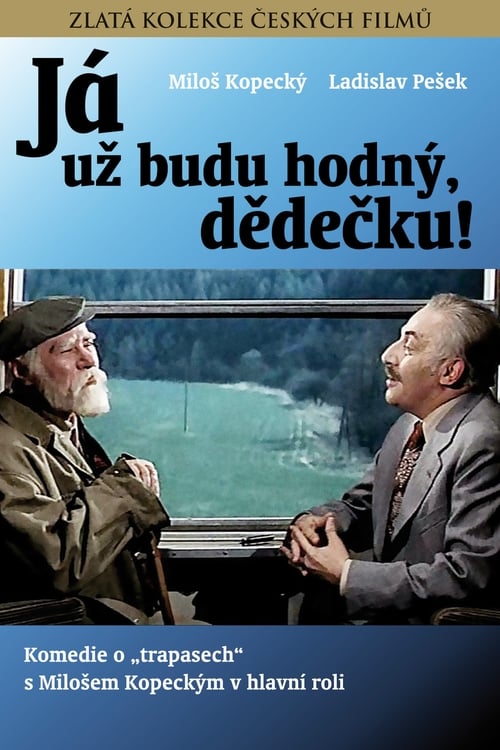
To the intolerant and bloody-minded Prague actor Bergner (Milos Kopecký) is the lead in Moliere's Misanthrope which he is studying now as tailor-made. On top of that he is malicious and he advises to the new actress Helenka (Dagmar Havlová) in such a way that she upsets the theatre director. If Bergner accuses somebody of a mischief and he is wrong, he never apologizes. When he almost crashes an older elegant lady by his car on the zebra crossing, instead of an apology he calls her an old ballet dancer... But in Brno's TV he takes part in a discussion on manners and he gives himself as an example of good manners and grace. In the train he meets a magic old man (Ladislav Pesek) who warns him and admonishes him to change his behavior. After he arrives to Prague the old man's threat comes true.
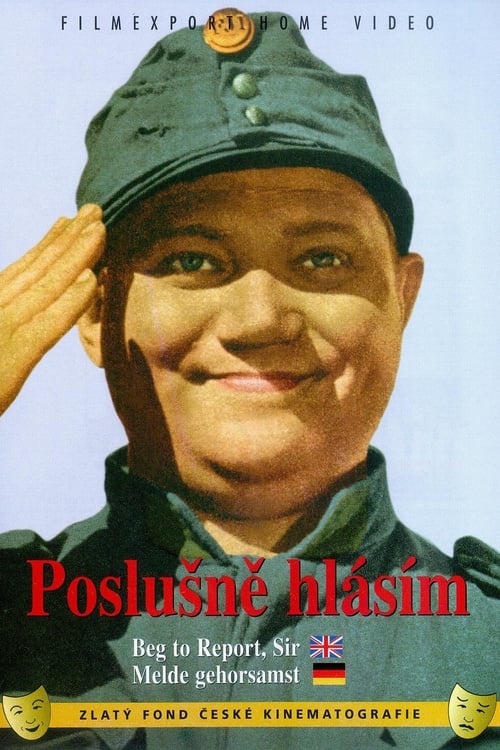
A comedy based on the novel of Jaroslav Hašek's The Good Soldier Svejk happens during the World War I. I Dutifully Report: In the introduction to the second part of the film adaptation of Hašek's novel The Good Soldier Švějk presents his main character Josef Švejk. With the distinctive traditional Czech cartoon character of a soldier Svejk, this time you meet on the way to the front and eventually right in the firing line. You can look at his famous train events, and also probably the most famous episode of the novel, Švejk's Budějovice anabasis. Don't miss the scene with the secretly bought cognac, the episode with Svejk as a fake Russian prisoner of war, including the court scene, and the scene in which lieutenant Dub is caught in a brothel. Despite the criticism, Steklý's adaptation is undoubtedly the most famous and memorable at present.
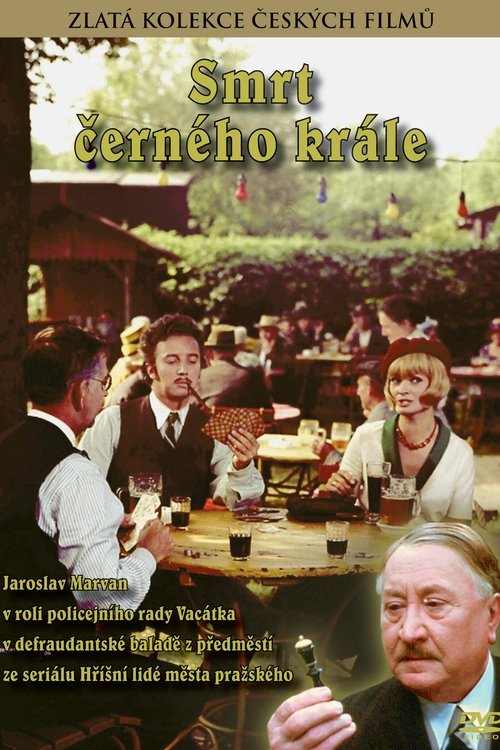
Prague in the 1930s. A young, pretty girl gets on a crowded tram. She immediately catches the attention of a young man who not only appreciates the girl's charm, but also tries to steal her handbag discreetly. And so we meet one of the main characters of the film, a swindler, pickpocket and generally strange being Josef Kořínek alias Pépi. In addition to him, the story is populated by other characters from the Prague outskirts. Of course, the film also features the shrewd councilman Vacátko and his inseparable investigators Brůžek and Bouše. They have a sad duty - to track down the murderer of the collector Krále, who was found dead and who lost a sum of money on the way from the bank that could interest many people from his surroundings...
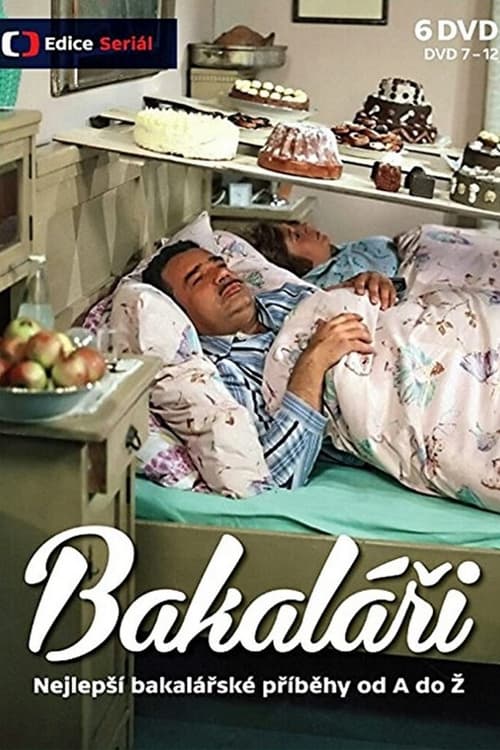
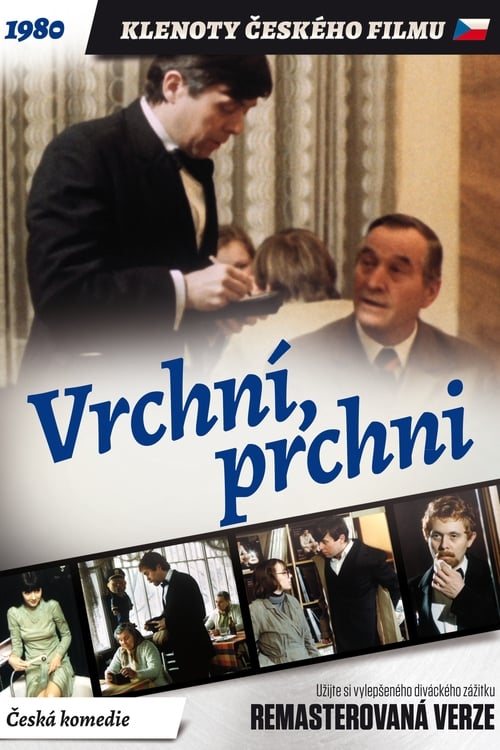
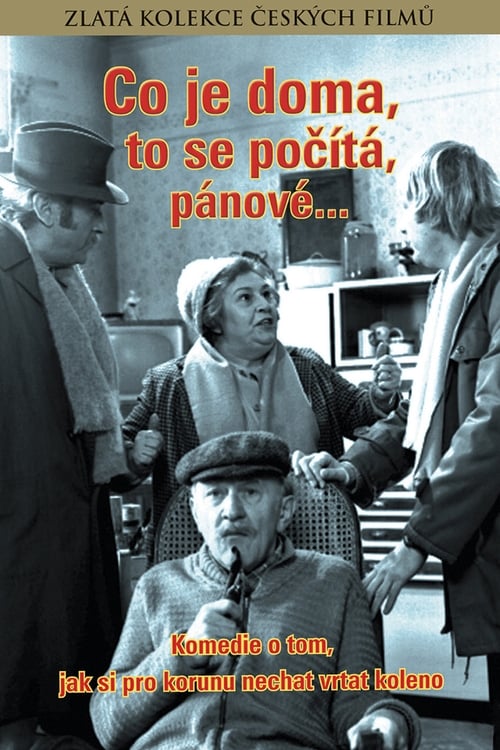
A comedy concerning a down on his luck bookshop owner with a penchant for women who decides to make some money by pretending to be a waiter and collecting cash from unsuspecting diners.
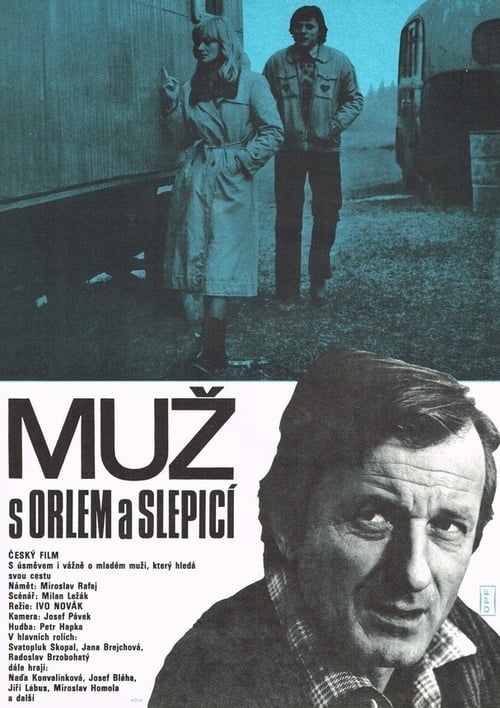
The young dude, who can't even make responsible decisions in life, doesn't get along with the group of experienced workers where he started working for a long time. He resents being ridiculed for his not-so-hilarious tattoo, which he passes off as an eagle, but the people around him consider them to be chickens... However, the creators stress that everyone must mature and accept responsibility for their behaviour. However, the exhortative and executionally clumsy work-themed story relies on pre-approved schemes, unable to assert its own idiosyncratic perspective.
For the Novák and Bartáček families, money is king, and they'll do just about anything to get it. While René Novák pitches his parents a lucrative scheme to swindle as many people with the last name Novák in the country as possible, the Bartáček clan decides to pretend to be much poorer than they really are in order to siphon some dollars from an American relative. And it doesn't take long before these separate scams start to intertwine.
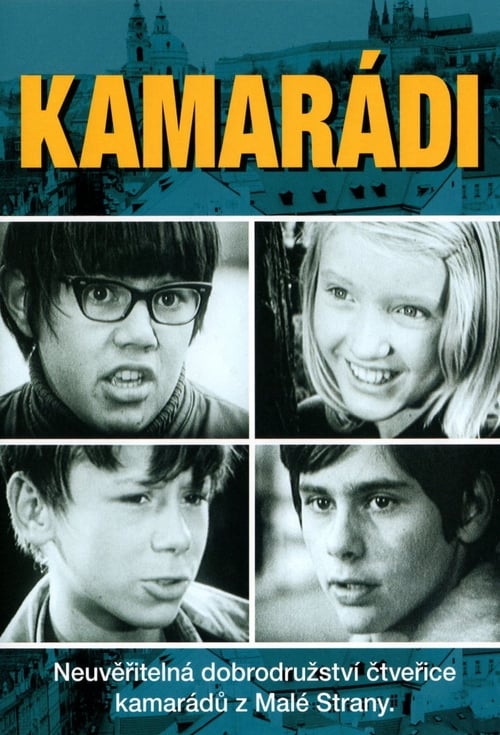
Honza Pavelka (Jan Hrusínský) wins the junior motorbike speed races. His thirteen-year-old brother Martin (Roman Cada), his assistant and biggest fan, answers the questions of his schoolfriend Pavlína in a superior tone. Student Zuzana (Libuse Safránková), who gave her scarf to Honza to wear around his neck for the races as a talisman is Honza's girlfriend. He met her when he came to her parent's home to repair the TV set. Honza declines an invitation to celebration with his friends. He goes off with Zuzana instead, but she refuses his intimate advances. The offended young man, who is about to serve his two years in the army, tries to blackmail her emotionally and the couple breaks up. Martin tries various schemes to bring them together again.
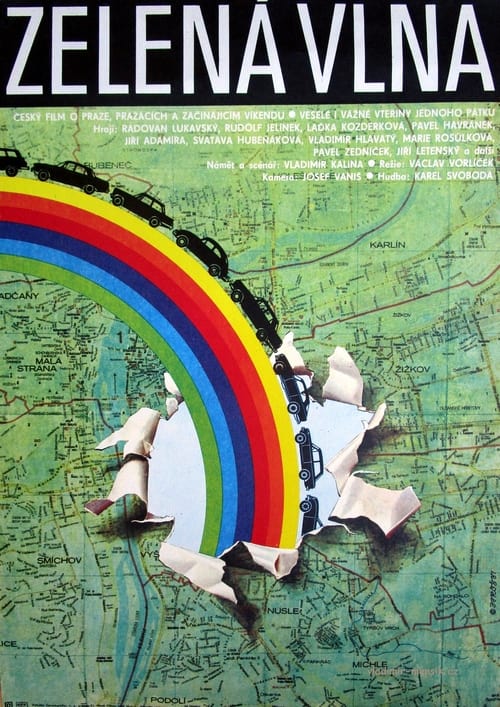
A short film about Prague, Prague residents, and the beginning of the weekend.
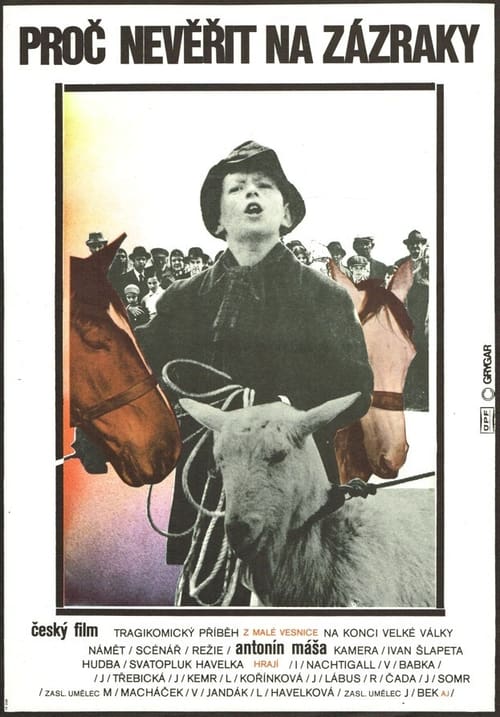
Wartime events from a child's perspective were a popular theme during the previous regime - here it is a twelve-year-old village boy who experiences dangerous situations with retreating Nazi troops in picturesque South Bohemia... Any attempt to achieve a more believable depiction is destroyed by the staging's grandeur, and in the end the result is an awkward piece, suitable at most for celebrating the relevant national holidays. A longer copy with a tragic ending is stored in the NFA. Milda is shot unnoticed by an SS major.
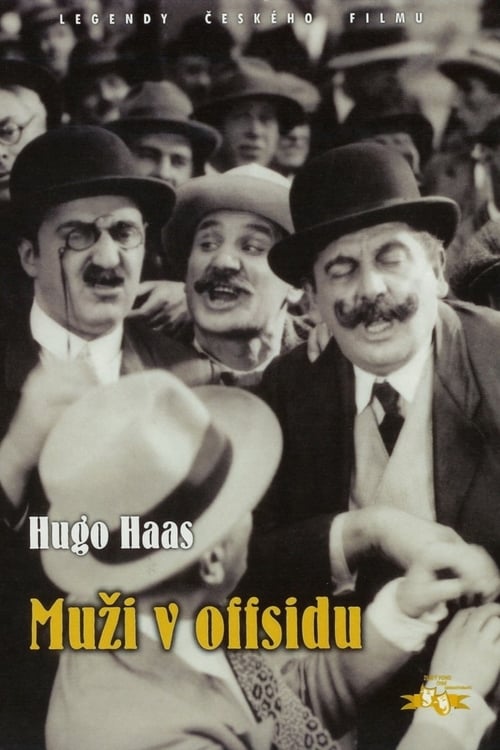
The owner of the ready-to-wear store, Mr. Richard Naceradec from Zizkov, is an enthusiastic fan of S.K. Slavia and despite his wife's opposition, he goes to football every Sunday. Tailor Emanuel Habásko lives alone with his adult son Eman. Widow Ouholicková chases Krejcí endlessly, but father Habásko bravely resists. Habásko do not recognize any other club except S.K. Viktoria. One day, Naceradec will face Eman at the match between Slavia and Viktoria.