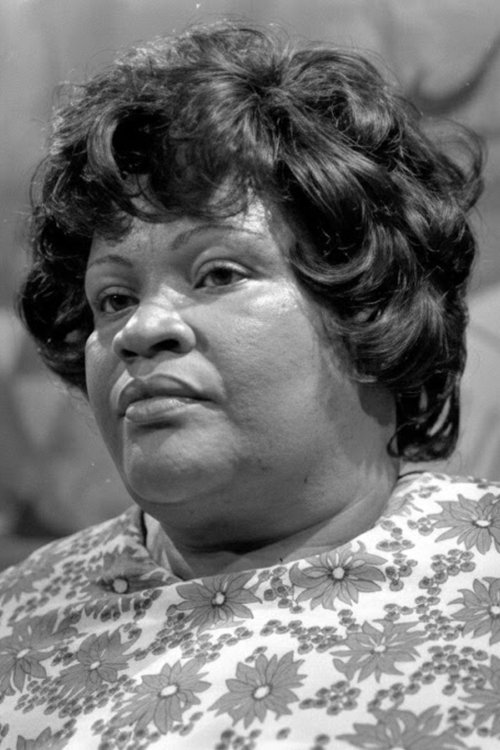
Zeni Pereira
Acting
Biography
Zenith Pereira de Castro (Salvador, December 9, 1924 – Rio de Janeiro, March 21, 2002) was a Brazilian actress. She stood out as Tia Nastácia in the Rio version of the first Sítio do Pica-Pau Amarelo, Januária in Escrava Isaura, Maria José in Vale Tudo and Donana in Carinhoso, becoming one of the first and most relevant black references on television.
Known For

The fight for freedom and against oppression is the central theme of this soap opera that tells the story of the Coragem brothers: João, Jerônimo and Duda, in the city of Coroado.
Irmãos Coragem
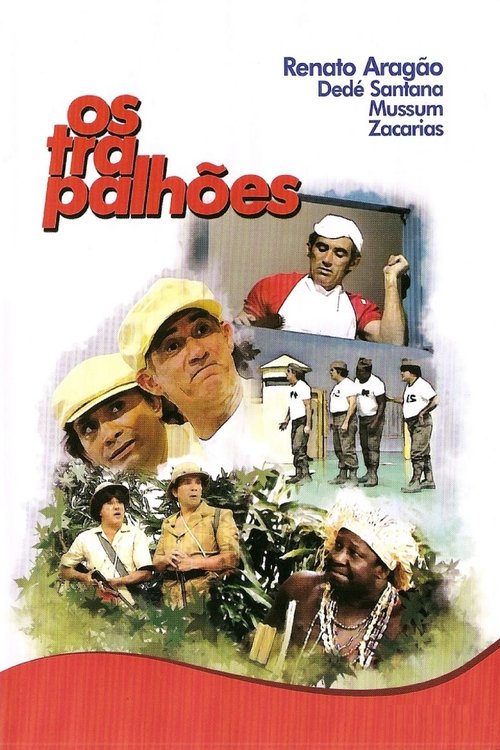
Os Trapalhões was a Brazilian comedy group and also a Brazilian television series created by Wilton Franco. Its members were Dedé Santana, Zacarias, Mussum and their leader Didi Mocó, that was played by Renato Aragão. The name Trapalhões is derived from the Portuguese verb atrapalhar, which means the opposite of helping, to do something the wrong way or to Those that confuse. The name is translated "Tramps" in English DVD subtitles. It was aired by Rede Globo from 1977 to 1999. On March 18, 1990, Zacarias died due to respiratory failure, but the group and the series didn't come to an end until July 29, 1994, when Mussum died due to an unsuccessful heart transplant.
The Trapalhões
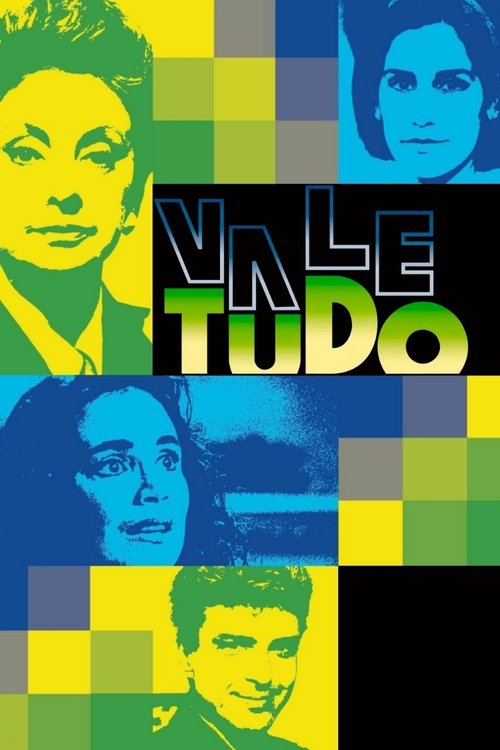
Fátima Accioly is a young, callous woman who wants to be rich and successful at any price. After selling her family's house in the country, she heads to Rio and gets to know dress man César who is unscrupulous himself. Meanwhile, her mother Raquel stays behind without home and money, but finally tries to find her daughter in the big city. Both women come in contact with the rich Roitman family which changes their lives forever.
Anything Goes

Maria do Carmo becomes wealthy through her father's business dealings and becomes a successful businesswoman, but she retains the habits of her humble past.
Queen of Scrap

Four stories intertwine, revolving around moral dilemmas of life in society. A secret unites student Alice and mega-businessman Raul Pelegrini, who are major ideological opponents.
My Homeland

Eloá and Osmar's marriage is thrown into crisis when a mysterious man crosses their path. With a thirst for prestige and power, Eloá will face the consequences of her ambition.
Body to Body

No description available.
Escalada
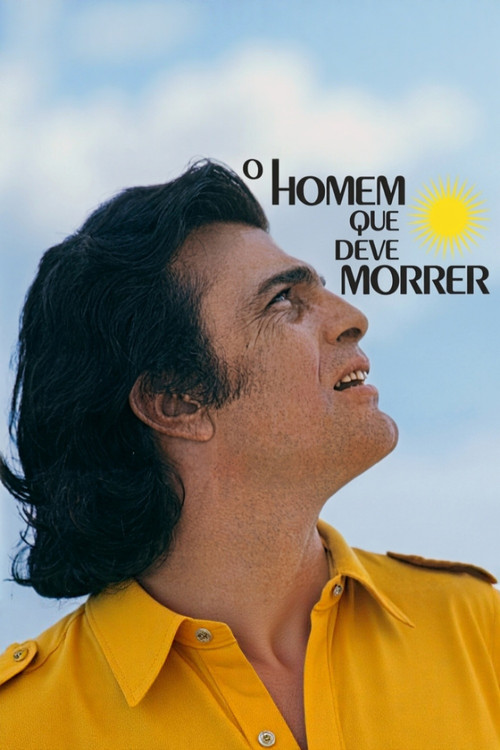
No description available.
O Homem Que Deve Morrer

A hardworking market vendor, Mrs. Xepa faces many sacrifices to raise her children alone. However, as they achieve social advancement, they begin to feel ashamed of their mother.
Dona Xepa

No description available.
Mad Love
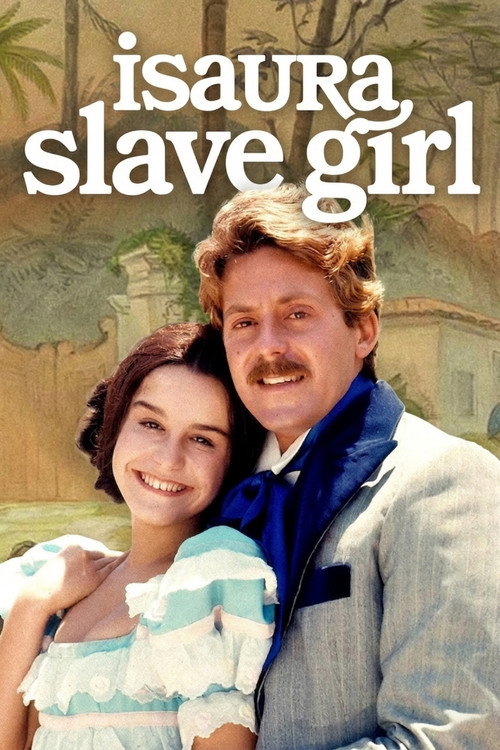
Set in 19th-century Brazil during the waning years of slavery, Escrava Isaura tells the story of Isaura, a white-skinned enslaved woman raised with the manners and education of a noble lady. Though treated with affection by her mistress, Isaura remains legally enslaved and becomes the object of obsessive desire by Leôncio Almeida, the cruel heir to the plantation. After the death of her protector, Isaura falls under Leôncio’s control. Despite his attempts to seduce and dominate her, she resists, determined to preserve her dignity and freedom. Her father, Miguel, helps her escape to Recife, where she adopts a new identity and meets Álvaro, a wealthy and principled abolitionist who falls in love with her. Leôncio eventually tracks her down, leading to dramatic confrontations. In the end, Álvaro rescues Isaura by purchasing Leôncio’s debts, securing her freedom and affirming the story’s central themes of justice, love, and resistance against oppression.
Isaura: Slave Girl
No description available.
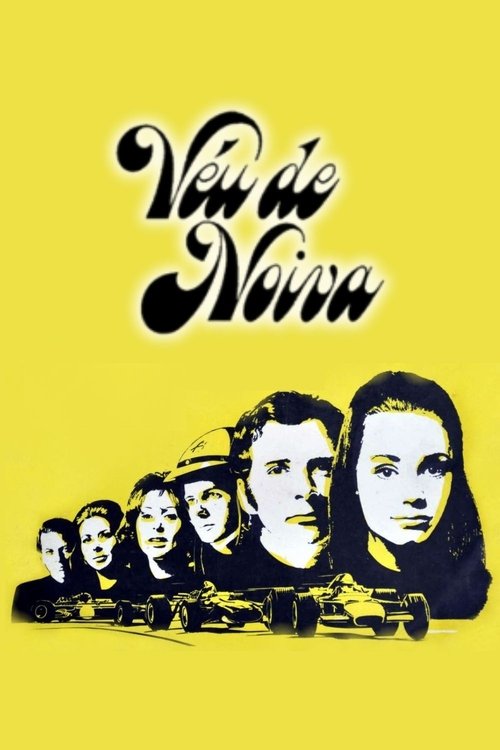
Véu de Noiva

No description available.
Verão Vermelho
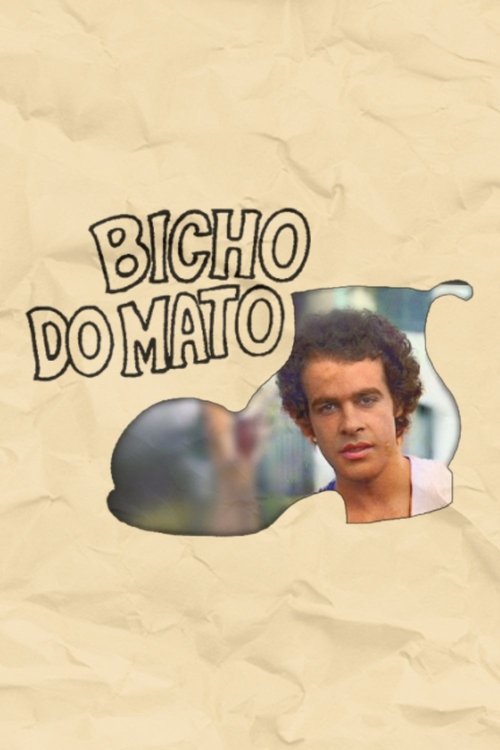
On a farm in the interior of Mato Grosso, the impetuous hillbilly Juba grows up free and without instruction, in contact with nature. His parents are killed by cattle rustlers, and he takes over the farm. With the help of the Indian and tutor Iru, who teaches him the secrets of the forest, Juba plans to take revenge on the murderers. His life changes when he falls in love with Ruth, a young woman from the big city who introduces him to a world with new possibilities.
Bicho do Mato
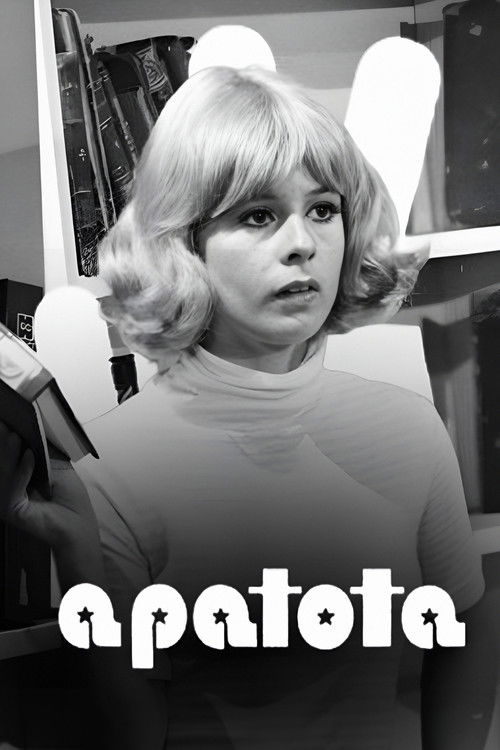
Class differences and a childhood dream are the highlights of "A Patota". Juliana, Vicente, Pedro, and Tião are children who live in a village where the poor and the rich coexist. They dream of traveling to Africa. Teacher Neli, her boyfriend Jorge, and Professor Simões join forces to help them realize this dream.
A Patota
No description available.
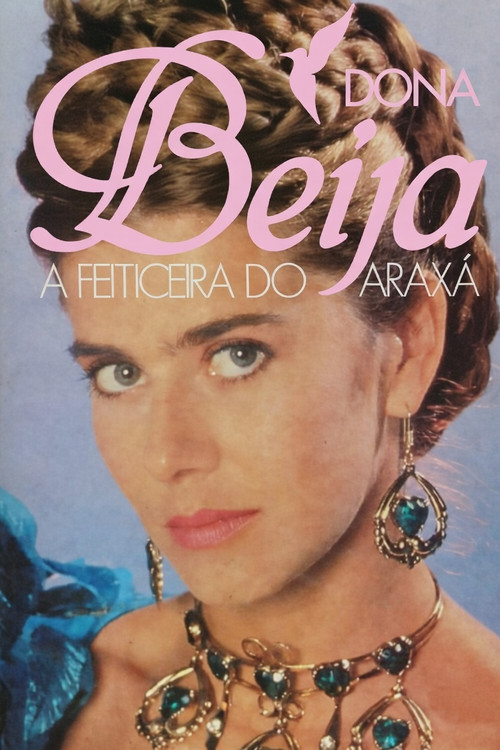
Dona Beija

No description available.
Plantão de Polícia

Matthew Hollis is man on holiday in Rio with his best friend. Both men have teenage daughters with them. When Matthew falls for his best friend's amorous daughter named Jennifer, they embark on a secret, if slightly one-sided relationship. Jennifer's father is furious when he finds out about the 'older man' in his daughter's life, and sets out to hunt him down with the aid of Matthew!
Blame It on Rio
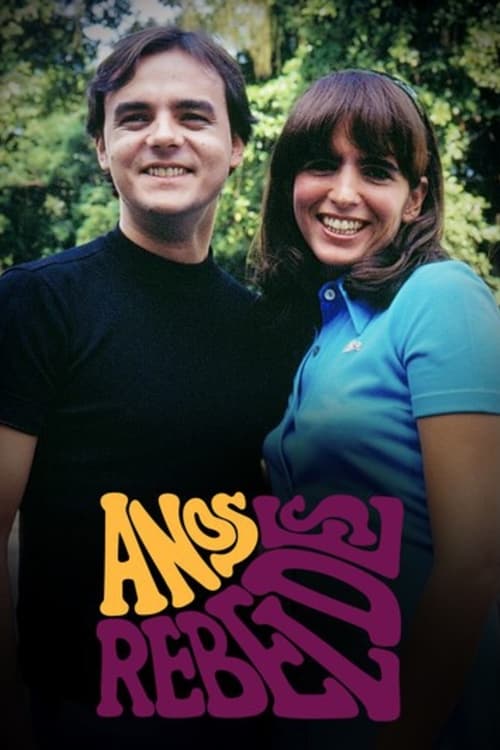
Mini series about the 1960s in Rio de Janeiro, when a politically engaged student falls in love with a left wing journalist's daughter who doesn't care for politics. The romance follows 15 years of Brazilian history, since President João Goulart deposition by military reactionary forces, until the first signs of restoration of democracy, in the 1980s.
Anos Rebeldes

Young lovers Orfeu and Eurydice run through the favelas of Rio during Carnaval, on the lam from a hitman dressed like Death and Orfeu's vengeful fiancée Mira and passing between moments of fantasy and stark reality. This impressionistic retelling of the Greek legend of Orpheus and Eurydice introduced bossa nova to the world with its soundtrack by young Brazilian composers Luiz Bonfá and Antonio Carlos Jobim.